

Cost–Benefit Analysis of Early Wildfire Detection Systems in Forests!
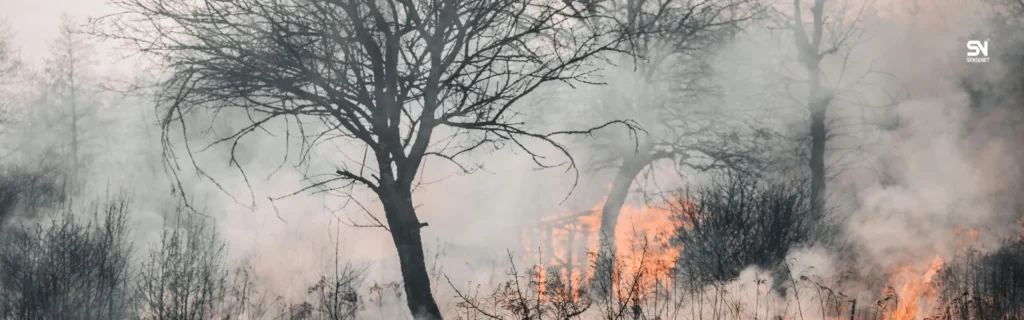
Wildfires are not only an ecological disaster but also an economic one. Suppression operations, infrastructure damage, and environmental losses can cost governments and communities billions each year. This article examines the cost–benefit dynamics of early wildfire detection systems and explains how early alerts can dramatically reduce suppression costs and wildfire impact.
Strategies for Reducing Wildfire Risk in National Parks

Learn the most effective scientific strategies for reducing wildfire risk in national parks, including fuel management, early fire detection, ecological firebreaks, and community participation.
Protecting Railway Tracks from Wildfires with Smart Sensors

Wildfires pose a growing threat to railway infrastructure, particularly in remote forested regions. This article examines how smart sensor networks can detect early signs of fire, such as temperature changes, gas emissions, and smoke particles within minutes of ignition. By operating independently of power grids and cellular networks through long life batteries and mesh communication, these systems offer a reliable and scalable solution for protecting railway corridors. Early detection can significantly reduce infrastructure damage, prevent service disruptions, and improve passenger safety.
The Role of Situational Awareness in Early Fire Detection!
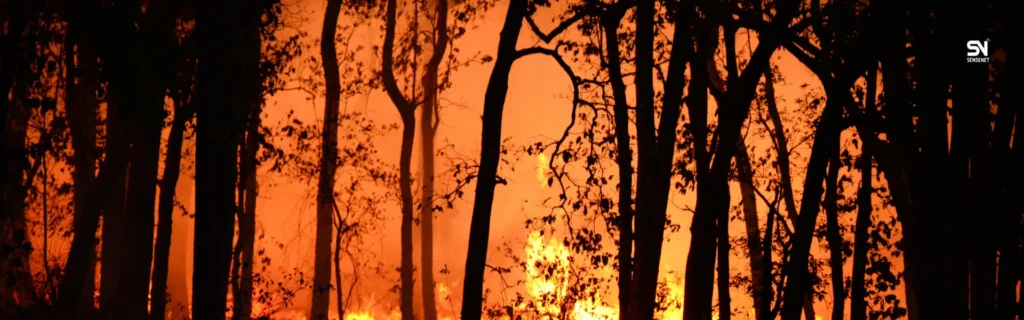
This article explores the scientifically documented phenomenon in which wildfires appear to generate their own wind. Through convective flow, fire whirls, and firestorms, fires can pull air inward and create powerful currents even when external wind is absent. Understanding these mechanisms is essential for accurate wildfire prediction, firefighter safety, and the development of advanced early detection systems.
How Fire-Generated Wind Shapes the Spread of Wildfires

This article explores the scientifically documented phenomenon in which wildfires appear to generate their own wind. Through convective flow, fire whirls, and firestorms, fires can pull air inward and create powerful currents even when external wind is absent. Understanding these mechanisms is essential for accurate wildfire prediction, firefighter safety, and the development of advanced early detection systems.
FireSmart: A Proven Strategy to Reduce Wildfire Risk and Protect Communities!

FireSmart is not just a fire suppression plan, it’s a science based wildfire risk management system combining ecology, engineering, and community awareness to prevent catastrophic wildfires before they start.
Predicting Forest Fires: Smart Solutions for a Greener Future!
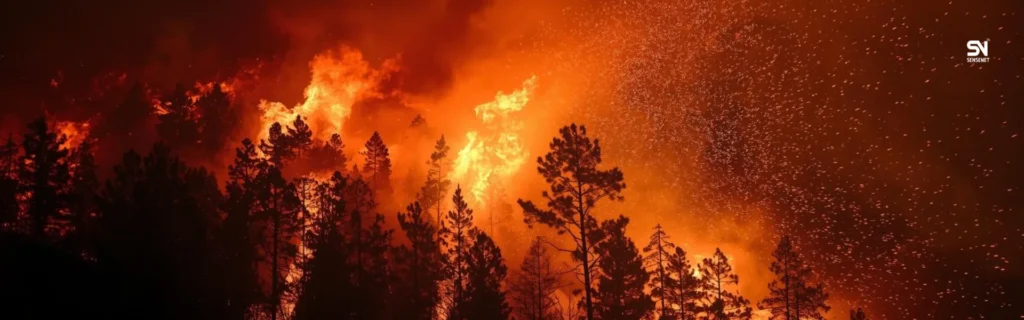
Predicting forest fires is possible with AI and smart sensors. Learn how technology helps prevent wildfires and build a greener future.
Periodic Maintenance and Calibration Checklist for Forest Smoke Detection Sensors
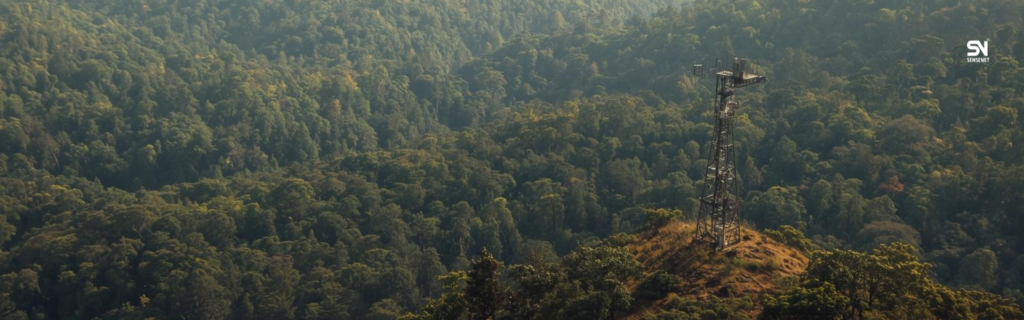
A practical guide to the periodic maintenance and calibration of smoke detection sensors used in early forest fire detection systems. Learn about inspection schedules, service checklists, and best practices to ensure reliable wildfire monitoring.
Wildfire Prevention Strategies: A Comprehensive Guide to Protecting Your Home, Community, and Nature
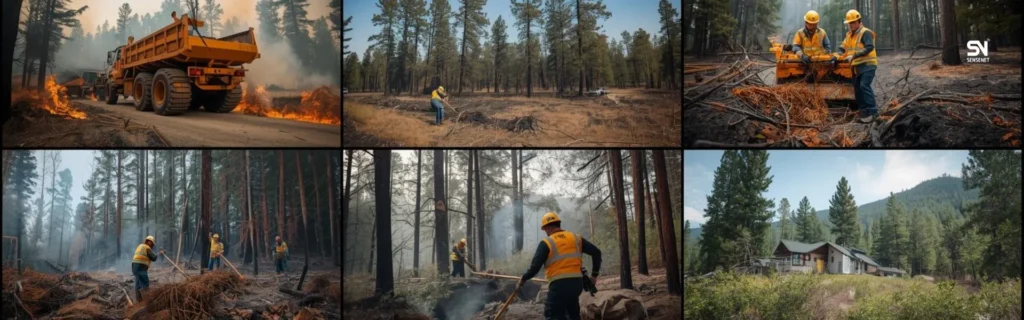
What Can I Do to Protect My Home, City, and Country from the Devastating Impact of Forest Wildfires?
As a Citizen, Here Are All the Step-by-Step Actions You Can Take
Wildfire Early Detection Post-Fire Benefits!
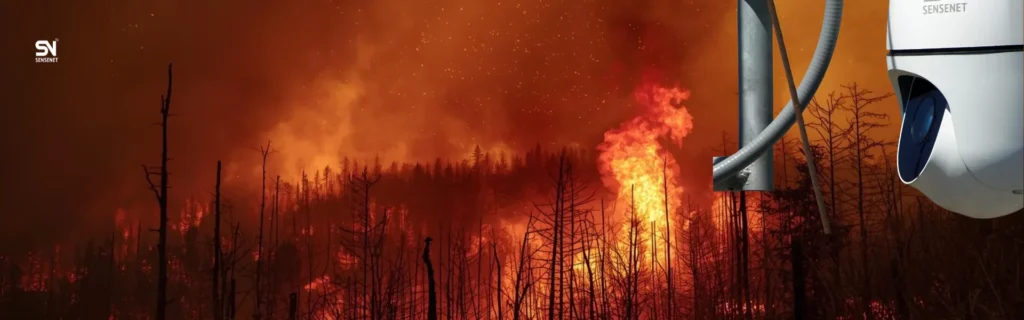
Explore how early wildfire detection systems like SenseNet provide real-time data after fires start, from monitoring spread and assessing damage to aiding evacuations, ecosystem recovery, and strategic planning. Learn the full practical, economic, and environmental advantages.