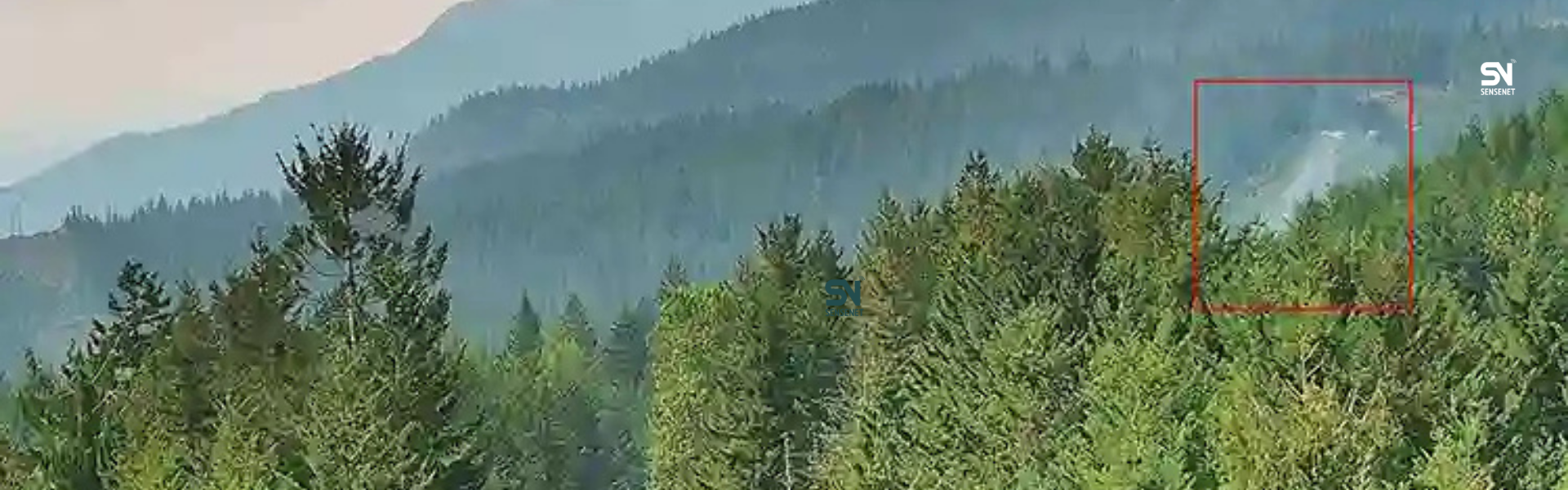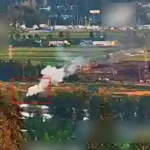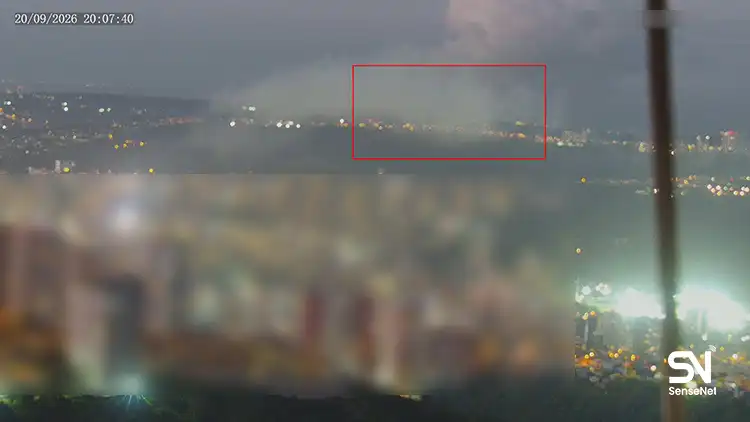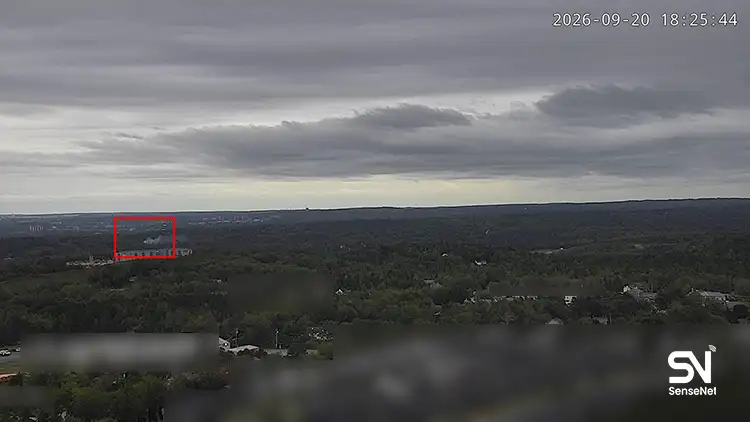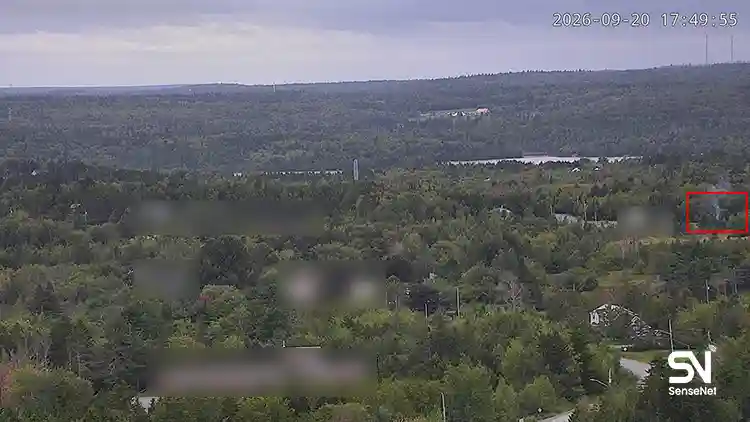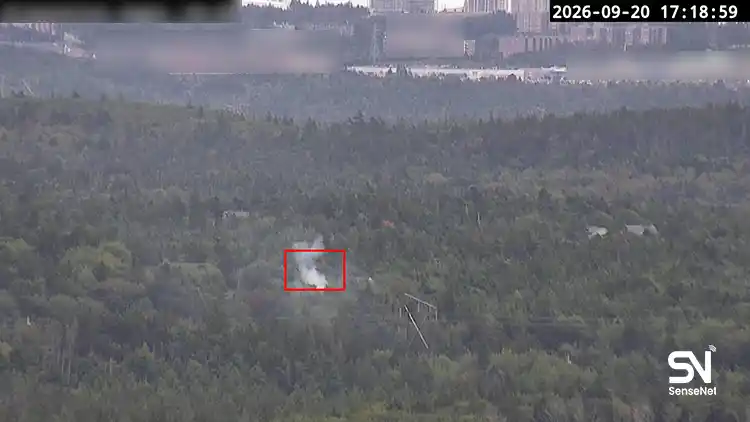
wind generated by fire
Almost all experts agree that one of the main factors behind the rapid spread of large wildfires is strong wind, a factor that can rapidly spread flames across the forest and destroy everything in their path within minutes. But on some days, this intensifying factor is absent, yet the fire behaves as if a strong wind is blowing through the area.
So, what is really happening here?
What many wildfire monitoring specialists have reported is surprising:
Sometimes there is no wind at all, yet the fire behaves as if a massive storm is blowing through the area.
It sounds strange at first, but scientifically, there is a clear explanation:
Fire can create its own “wind.”
This is not a metaphor. It is a real, measurable, and scientifically supported phenomenon.
In this article, you will learn how this phenomenon occurs, what dangers it brings, and why understanding it is critical for effective wildfire management.

How Does Fire Create “Wind”?
1. Convective Flow: The Engine Behind Fire-Generated Wind
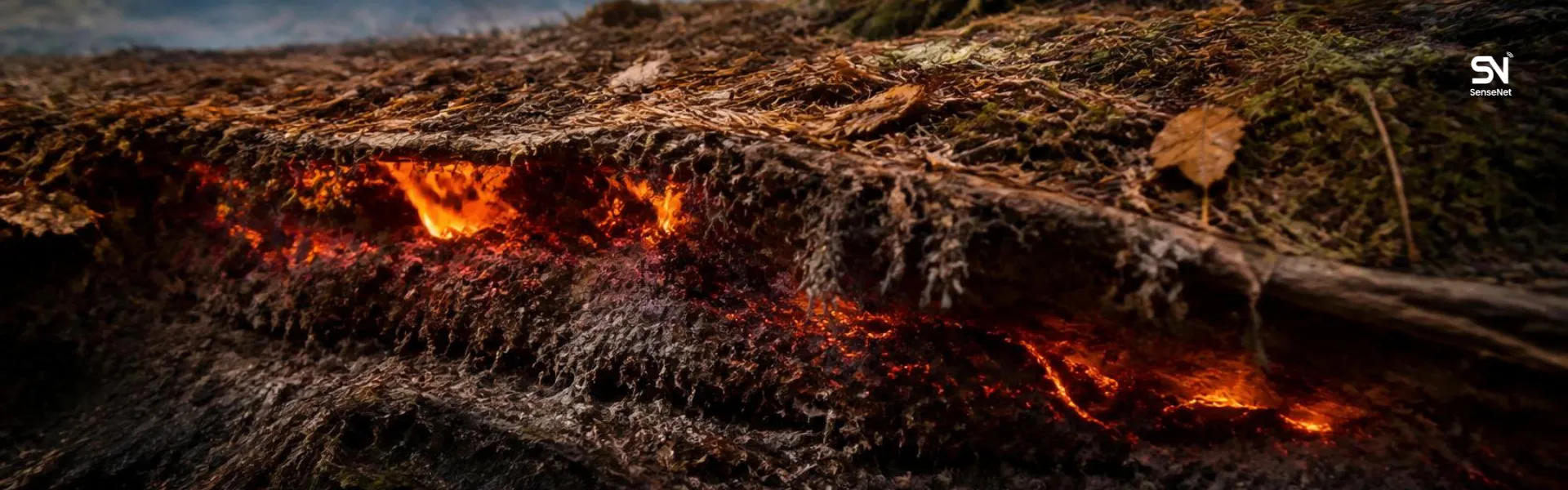
When trees, shrubs, and vegetation burn, a massive volume of air suddenly becomes hot and light, rising rapidly.
This intense upward movement reduces surface pressure and causes surrounding air to be pulled toward the fire.
As a result:
This creates airflow similar to external wind, even when the surrounding air is completely still.
This incoming flow can:
• Provide more oxygen to the fire
• Intensify the flames
• Alter the direction of fire spread
This is what specialists refer to as fire-generated wind.
2. Fire Whirls
Sometimes, the air drawn toward the fire flows unevenly, creating a spiral rotation.
This rotation can:
• Turn the fire column into something resembling a tornado
• Carry flames and burning debris several meters into the air
• Significantly increase the speed of fire spread
Field observations have shown that fire whirls can form even when there is little or no ambient wind.
3. Firestorm
In very large wildfires, the convective flow becomes so intense that the fire creates a small atmospheric system.
This phenomenon is known as a firestorm, and it can:
• Generate extremely strong inflow winds
• Make the fire unpredictable
• Even create pyrocumulus clouds (clouds formed when intense fire-generated heat causes air to rise rapidly)
In such conditions, the fire can behave like a self-sustaining system, capable of intensifying and influencing its own spread.
Why Is Understanding This Phenomenon Important?
The most important reason for understanding these phenomena is to help experts avoid being caught off guard and prepare effective response strategies. In addition, the following points are important:
• Without understanding this phenomenon, predicting fire behavior becomes extremely difficult
• The direction of fire spread may suddenly change
• Emergency teams become exposed to sudden dangers
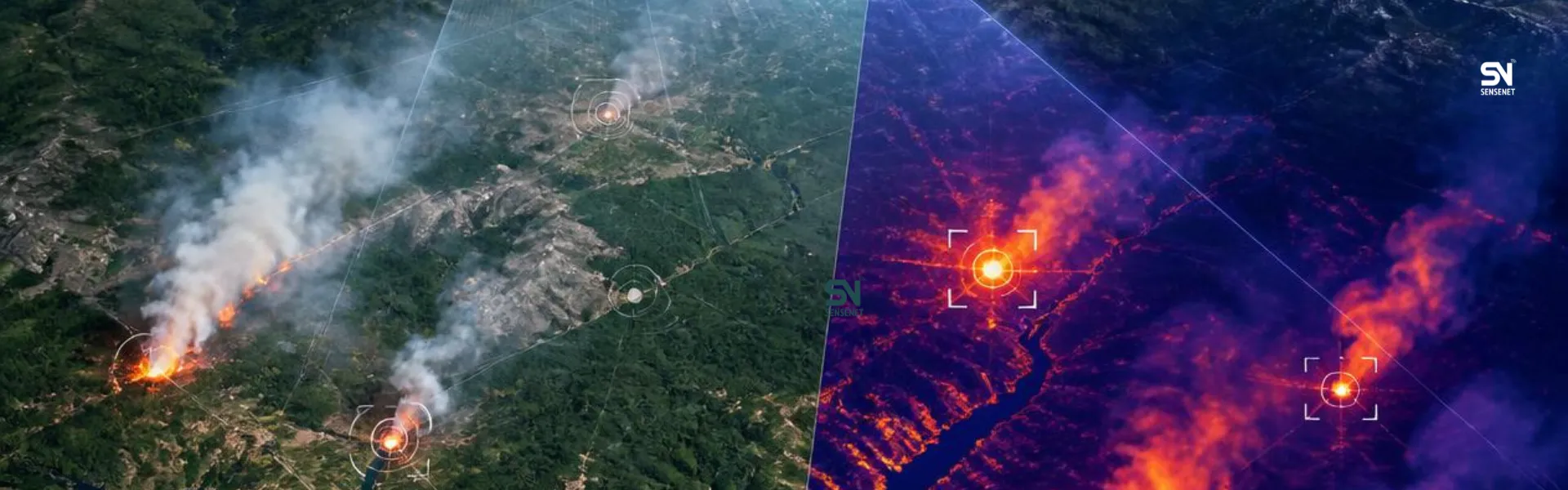
• Early‑detection systems must model these airflow patterns
For this reason, wildfire monitoring experts sometimes report that the fire behaves as if wind is blowing into it, even when there is no ambient wind.
Conclusion
Fire-generated wind is a scientifically recognized phenomenon that may initially surprise many researchers and wildfire observers. The truth is that we are not dealing with a static phenomenon. Depending on the conditions, fire may behave in very different ways.
The more we understand about fire behavior, the better we can train early‑detection systems to perform effectively.
Large wildfires can:
• Heat the surrounding air intensely
• Create powerful inflow currents
• Form fire whirls or even firestorms
All of these factors can allow a wildfire to intensify itself and become even more difficult to predict and control.