How lightening starts wildfire? and why?
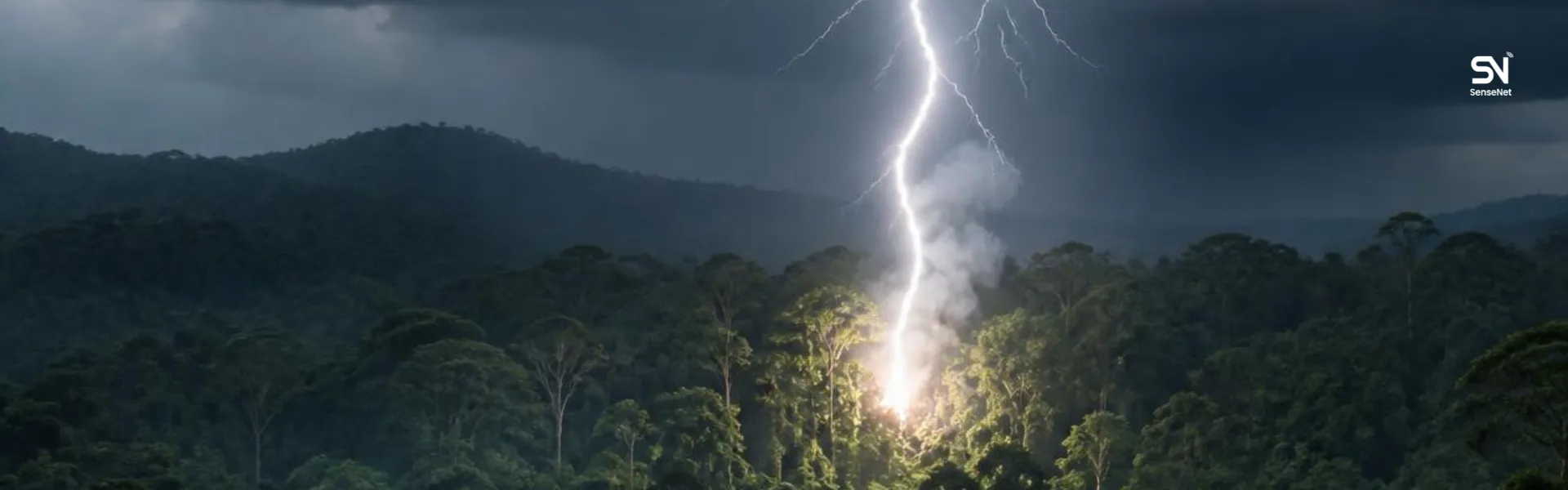
A large portion of the wildfires we see in forests today are caused by lightning strikes. When lightning strikes a forest, most of us think that a large fire immediately bursts into flames at that very moment, but the reality is that this is not always the case.
When lightning strikes a forest, the first thing that usually comes to mind is a large flame and fire starting immediately. But this is not always the case.
Sometimes, a lightning strike can ignite dry materials on the ground, tree trunks, dead branches, or even organic layers beneath the surface without the fire being immediately visible from a distance. That is why, to understand how lightning starts wildfires, we should not look only at the lightning itself. The condition of the forest fuel and the surrounding environment also play an important role.
Usually, lightning strikes that create a fire immediately can be controlled because their smoke and flames are visible and they can be dealt with right away. The real problem comes from lightning strikes that hit dry fuel on the forest floor, move slowly and continuously, and spread without leaving any visible signs.
In this article on the SenseNet website, we are going to look at how lightning causes wildfires. Keep scrolling to continue reading.
How lightning starts wildfires?
Lightning is a highly energetic electrical discharge. When this discharge comes into contact with a tree, branch, log, or dry vegetation, the energy and heat it produces can raise the temperature of the fuel enough to start the combustion process.
A living tree can also be damaged by lightning, but the green tree itself does not necessarily have to catch fire for a fire to start. Dry leaves, dry grass, fallen branches, decaying wood, and organic material accumulated on the forest floor can also become the starting point of a fire.
So, the simplest answer to the question of how lightning starts wildfires is this: lightning transfers a large amount of energy to a single point in a very short period of time, and if the surrounding fuel is dry and flammable enough, this energy can create the initial spark needed to start a fire.
Why doesn’t every lightning strike cause a wildfire?
If lightning strikes a forest, it does not necessarily mean that a wildfire will occur.
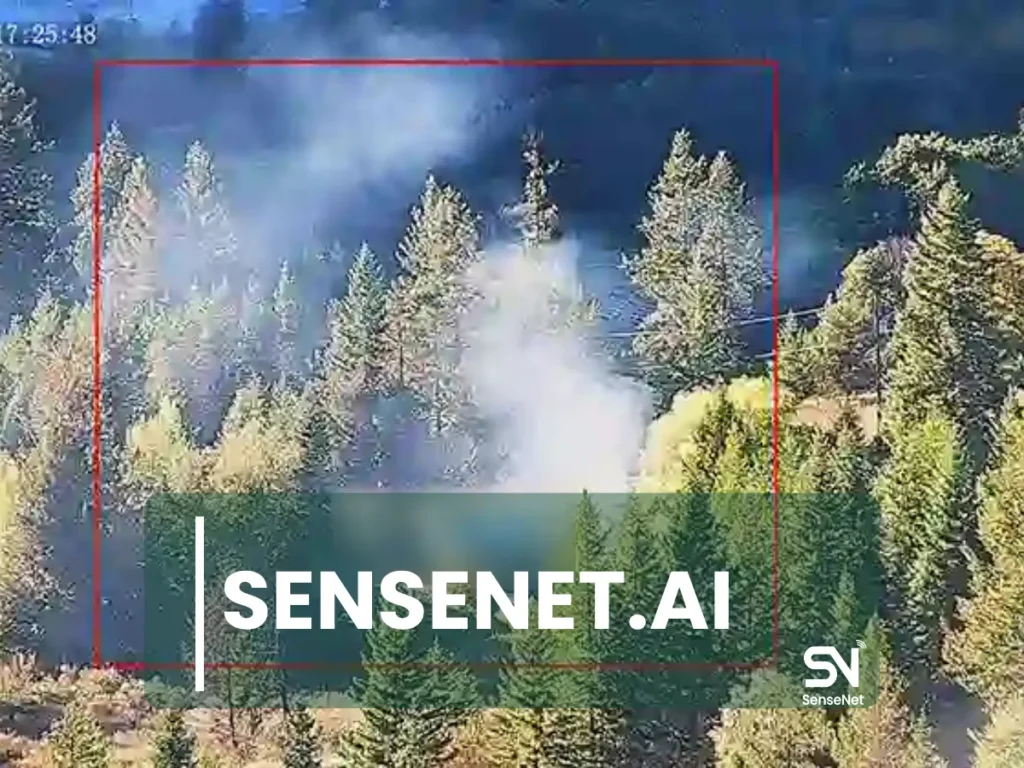
Fuel moisture is one of the important factors. When leaves, branches, and wood on the ground contain a lot of moisture, more energy is required to start combustion. During dry periods, however, these same materials can ignite much more easily.
The location of the strike also matters. Lightning that hits dry and flammable material creates different conditions from lightning that strikes an area with high moisture or little available fuel.
The duration of contact and the characteristics of the electrical discharge itself can also affect the likelihood of a fire starting.
So, how lightning starts wildfires cannot be explained by a single factor. Lightning provides the energy, but suitable fuel and the right conditions are also needed for that energy to turn into fire.
What is dry lightning and why is it dangerous?
One of the reasons lightning can become an important source of fire ignition in forested areas is when thunderstorms occur with little rain or without enough rainfall reaching the ground. This phenomenon is commonly referred to as Dry Lightning.
Under these conditions, lightning reaches the ground and dry vegetation, but the rain accompanying the storm is not enough to wet the surface fuels sufficiently.
This combination can be dangerous: there is lightning, there is dry fuel, but there is not enough rainfall to reduce the chance of ignition or extinguish the initial fire.
That is why, when we talk about how lightning starts wildfires, the dry conditions around the location of the lightning strike become particularly important.
Is a lightning-caused fire always visible immediately?
No. This is one of the most important parts of the issue.
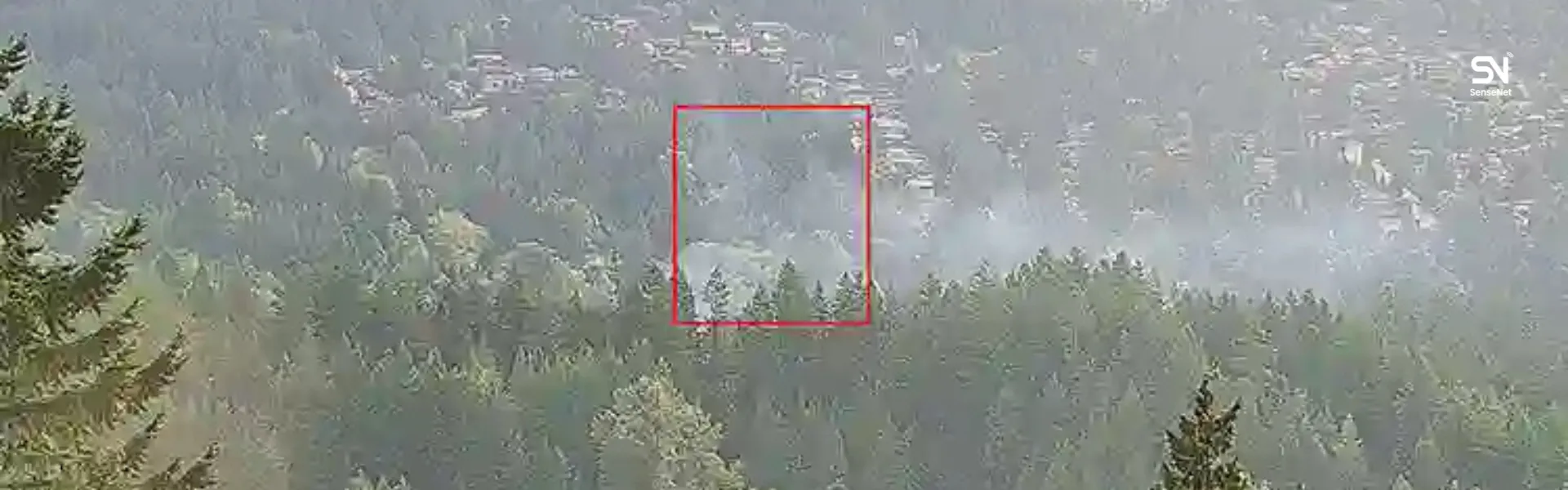
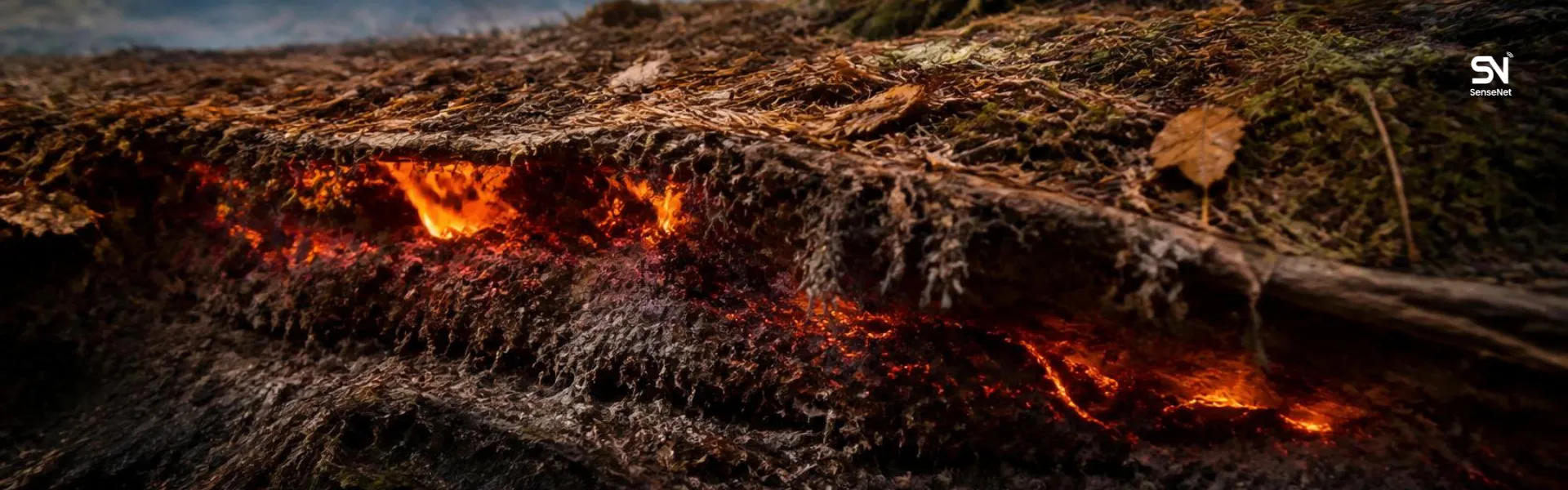
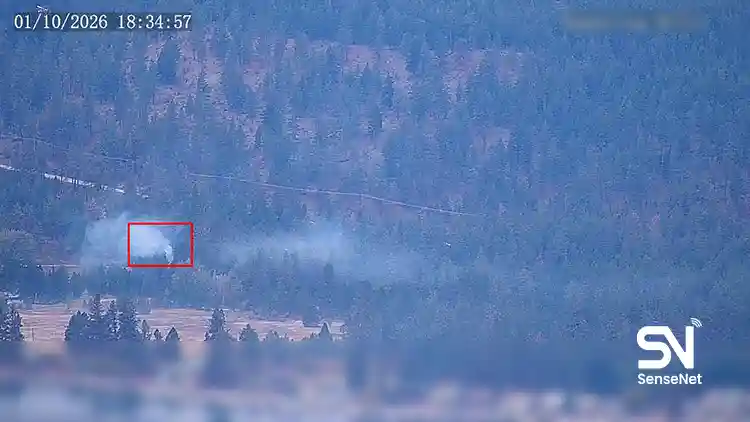
Sometimes lightning causes dry material inside a tree trunk, cracks in wood, roots, or organic layers on the forest floor to begin burning. In this situation, the fire may not appear as a large flame and may instead continue as slow burning or smoldering.
That is why there can sometimes be a delay between the lightning strike and the moment the fire is detected.
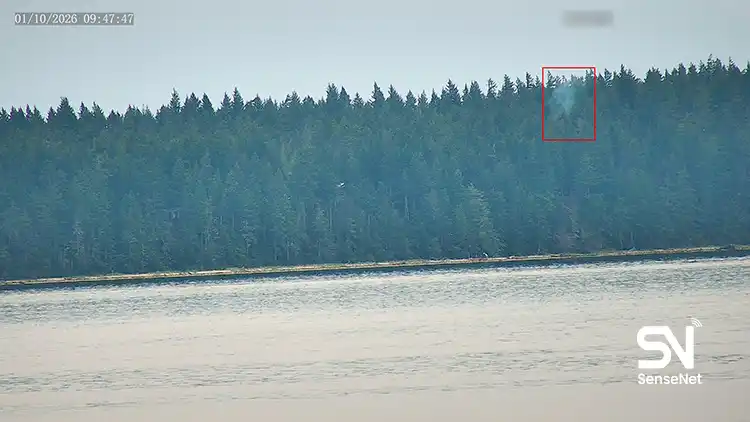
This becomes even more important in dense forests, because even if a fire has started, vegetation can limit direct visibility of it.
Why are lightning-caused fires harder to detect in remote areas?
A significant number of lightning strikes occur in areas that are difficult for people to access.
If lightning strikes near a road, building, or populated area, there is a greater chance that someone will see the smoke or flames. But in a remote forest area, there may be no one nearby to notice the strike.
Read Wildfire Detection in Remote Areas: Challenges, Solutions, and Smart Monitoring!
On the other hand, the initial fire may be very small and may not yet be producing a significant column of smoke.
This is where the gap between “a fire starting” and “a fire being detected” becomes important. The longer this gap is, the more time the fire has to spread.
Can a single storm cause multiple wildfires?
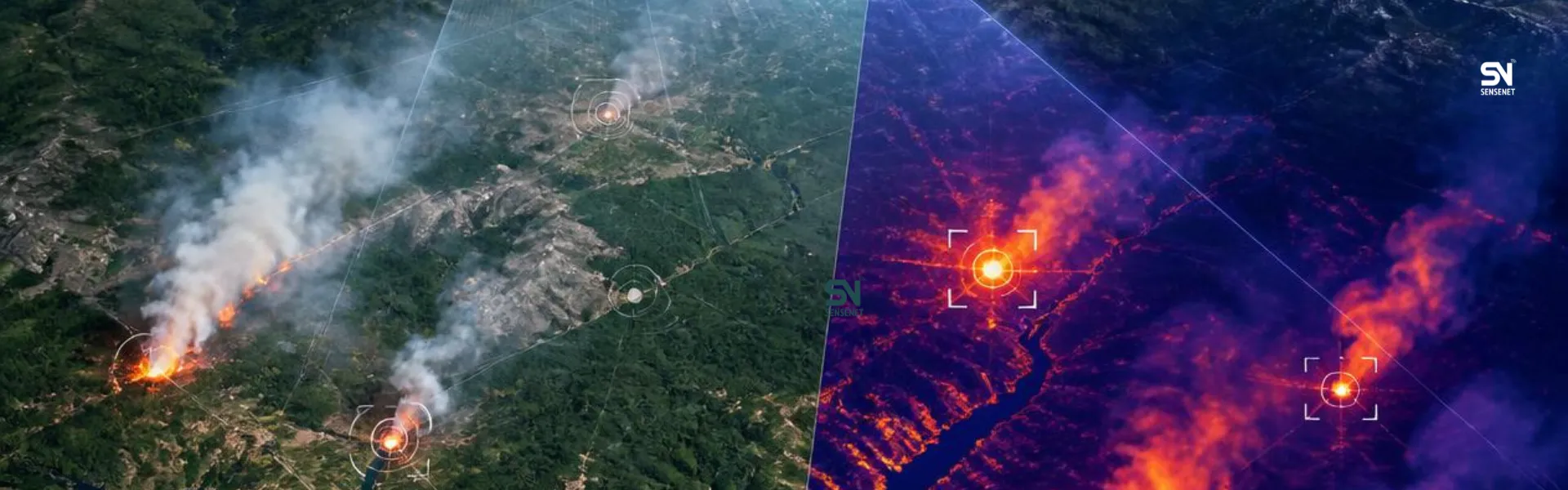
Yes. A thunderstorm system can produce many lightning strikes across different parts of an area. If vegetation and fuel conditions in that area are dry, several strikes can independently create different fire ignition points.
As a result, the issue is not just finding one strike location. During a lightning event, several locations may need to be monitored.
This is one of the reasons why monitoring forested areas after significant lightning activity is important.
The role of dry forest-floor fuel in lightning-caused wildfires
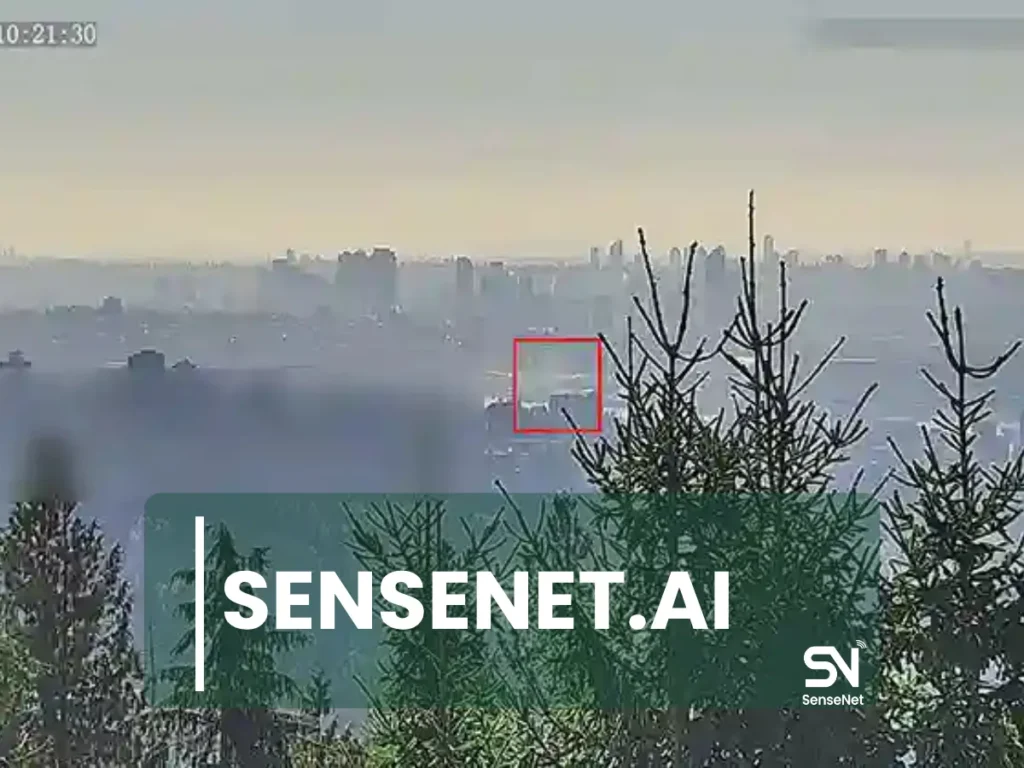
To better understand how lightning starts wildfires, we need to look at something that is usually not visible from a distance: the forest floor.
A forest may look completely green and healthy from above, while the ground can be covered with dry leaves, fallen branches, dry grass, and dead wood.
When these materials dry out, they can become the initial fuel for a fire. Therefore, the fact that the tree canopy is green does not mean that every part of the forest is protected from fire.
Sometimes, lightning simply provides what is needed to start a fire: a highly intense source of energy next to dry fuel. In this way, we can very quickly see massive wildfires spread.
Can an area be monitored after a lightning strike?
Yes. Continuous monitoring of forested areas can help with the early identification of signs of fire after lightning activity.
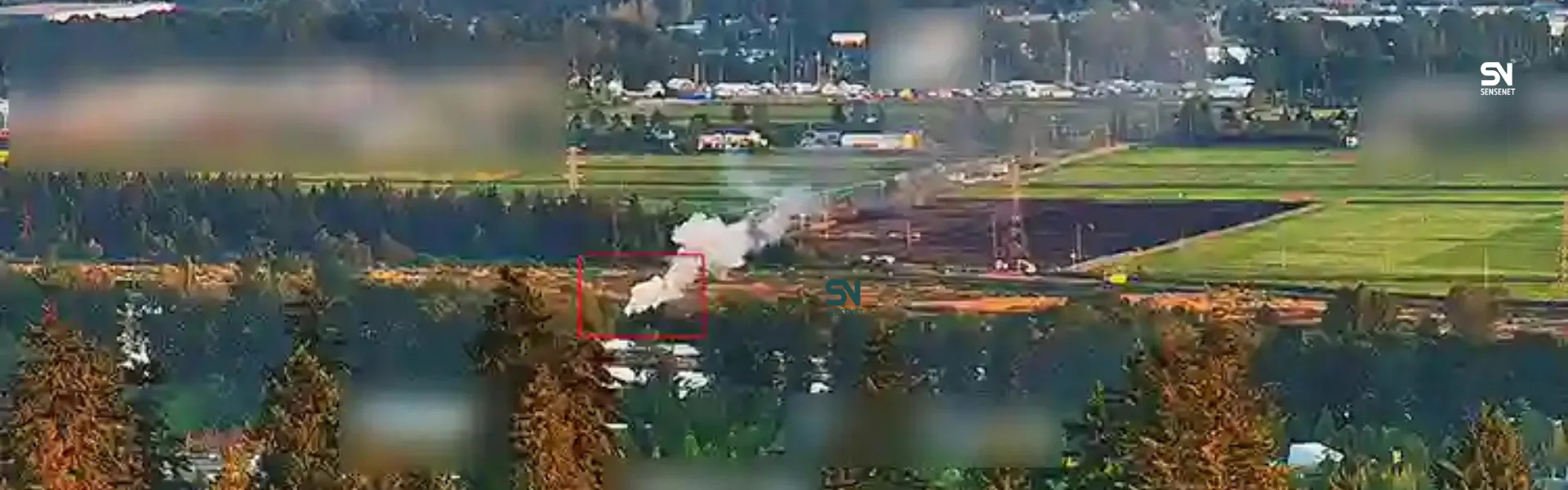
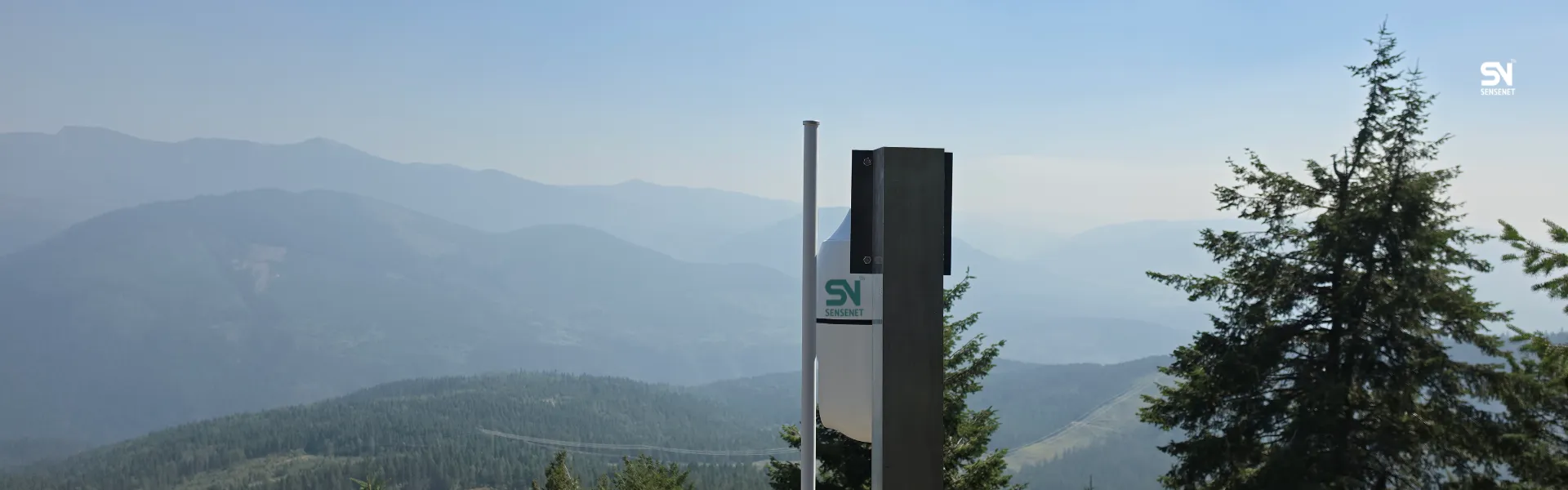
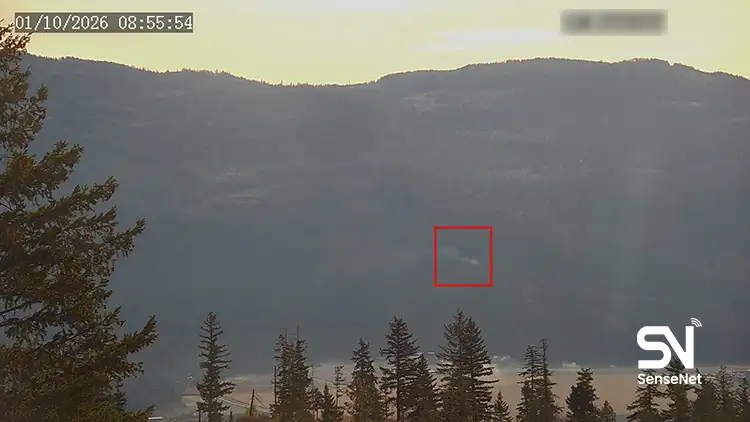
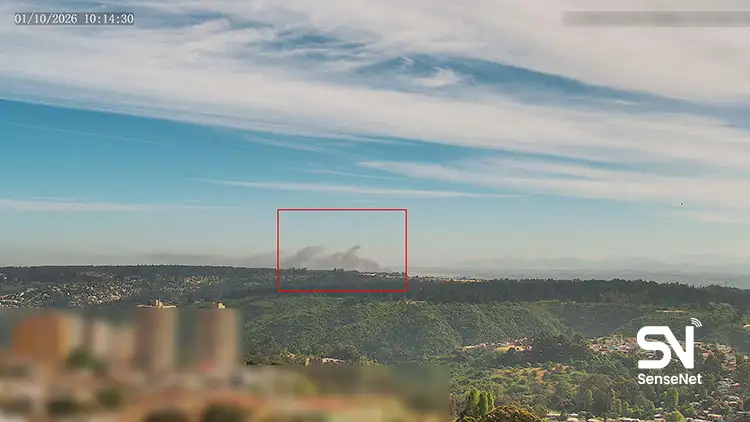
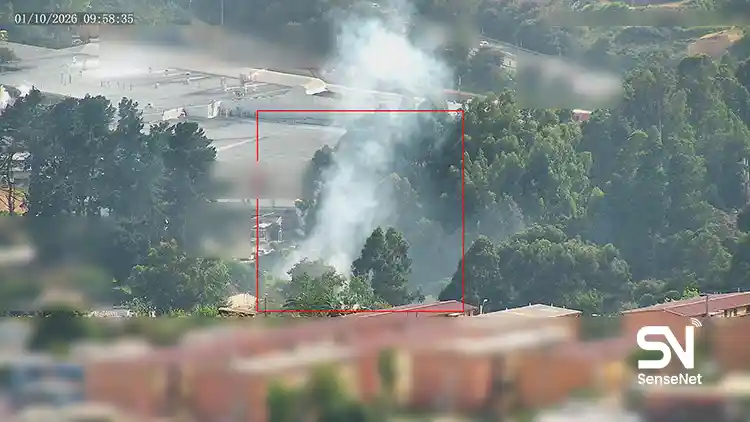
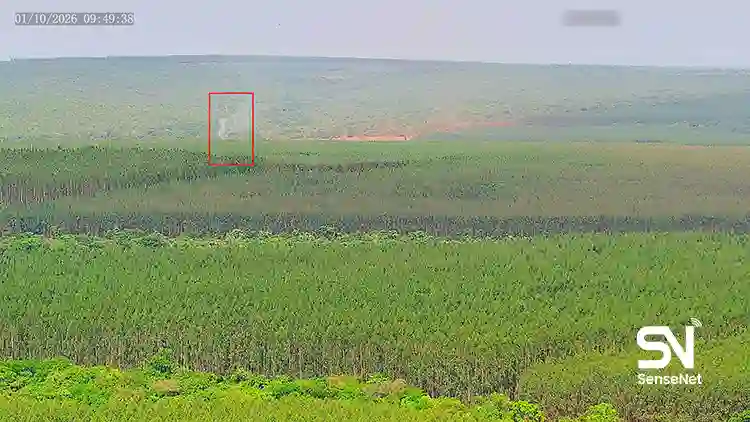
SenseNet cameras can continuously monitor forested areas, including remote locations without conventional electricity and internet infrastructure, and can be used to observe signs such as smoke or fire.
The camera itself does not measure lightning. Its role at this stage is to monitor the area after a lightning event and identify any visible signs that a fire has started. This becomes even more important in areas where ground access is difficult.
For this reason, when discussing how lightning starts wildfires, the issue is not only detecting the lightning strike. What happens at the location afterward and how quickly we notice that a fire has started are also important.
Frequently Asked Questions About Lightning-Caused Wildfires
Can a single lightning strike cause a wildfire on its own?
Yes. If lightning strikes suitable and sufficiently dry fuel, its energy can be enough to start combustion. However, not every lightning strike necessarily leads to a wildfire.
Why do some lightning strikes cause wildfires while others do not?
Fuel moisture, the type and amount of flammable material, the location of the strike, and the characteristics of the electrical discharge can all affect the likelihood of a fire starting. That is why it cannot be said that every lightning strike will cause a fire.
Can lightning cause a wildfire without creating a large flame?
Yes. Dry material inside wood, roots, or organic layers on the forest floor may initially burn slowly and without a visible flame, or may smolder. Later, under suitable conditions, this fire can spread.
How long after a lightning strike can a fire be detected?
There is no specific timeframe. In some cases, signs of fire can be detected quickly, while in other situations, especially when the fire is hidden inside organic material or wood, detection can be delayed.
Why are lightning-caused fires more dangerous in remote areas?
Because there may be no one near the strike location, and the initial fire may be very small or hidden. Under these conditions, the time between the start of the fire and its detection can become longer.
Can a camera detect a wildfire caused by lightning?
If the fire or smoke is visible from the camera’s location, fire-monitoring camera systems can be used to identify these signs. In remote areas, continuous monitoring can help detect fires without requiring personnel to be permanently present at the location.
Conclusion
We cannot prevent natural events such as lightning. Lightning has been striking forests and causing fires for millions of years. But since our lives today depend on preserving natural resources, and technology has also advanced enough, we have a responsibility to deal with this natural phenomenon in a way that allows us to suffer less damage. This is exactly what the team of SenseNet specialists and researchers is working on.
Continuous monitoring of areas at risk of wildfire, especially locations that are difficult to access, can help identify signs of fire more quickly and reduce the gap between the start of a fire and the response to it.of ground sensors and smart cameras. For any region planning to design a wildfire monitoring system, the recommendation is to focus on building a multi-layered system from the start, rather than relying on a single technology.
Author and Content Department Manager:
Neda Khanifar
Content Department Manager