Duff Layer Wildfires
When we walk through a green forest, our heads are usually turned toward the sky, taking in the beautiful, lush trees around us. Most of us do not pay much attention to the sound of dry branches cracking under our feet. Those same branches, if not properly managed, can quickly become fuel for a massive and widespread wildfire.
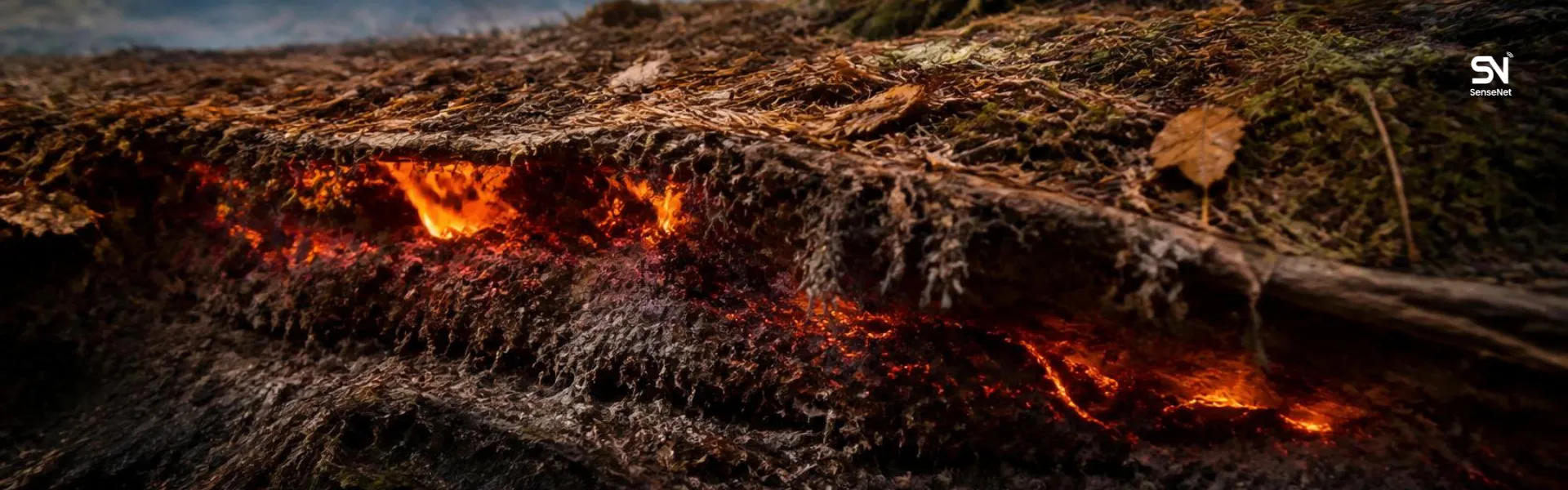
On the forest floor, there is a layer of decomposing organic material known as the duff layer. When this layer becomes dry and thick, it can become a source of wildfire fuel.
The problem is that a fire burning in the duff layer does not always look like the image we have in mind when we think of a wildfire. There may be no large flames, while the fire slowly continues beneath the surface and among dry organic materials.
For this reason, understanding the duff layer is not simply a matter of understanding forest soil structure. In areas with a high wildfire risk, the condition of this layer can affect fire behavior and make suppression more difficult.
In this article on the SenseNet website, we will take a closer look at the effects of failing to manage this layer and see how the risks associated with it can be addressed. Keep scrolling to continue reading.
What Exactly Is the Duff Layer?
The duff layer is made up of organic material on the forest floor that has remained in the environment longer than leaves, pine needles, small branches, and other recently fallen debris and has undergone partial decomposition.
If we look at the forest floor from top to bottom, we usually first encounter fresh plant debris. This is known as the litter layer. Beneath this layer are older, more decomposed plant materials that make up the duff layer.
So, duff and dry leaves are not the same thing, although both can become wildfire fuel under the right conditions.
The duff layer is usually darker in color and can have a dense, spongy texture. Its thickness also varies from one forest to another and depends on factors such as vegetation type, the amount of fallen plant material, decomposition rate, and wildfire history.
Why Does a Dry Duff Layer Increase Wildfire Risk?
The most important factor is moisture.
When the organic materials in duff are moist, they cannot easily sustain fire. But as the layer dries, conditions become more favorable for combustion.
There is no single moisture level that applies to every type of duff. Vegetation type, layer depth, material density, and the amount of mineral content can also affect fire behavior.
The drier and thicker the layer becomes, the more likely it is to sustain combustion.
This is where an important problem arises: dry duff does not necessarily burn with large flames.
How Does Fire Move Through the Duff Layer?
One of the important characteristics of duff is its ability to support smoldering combustion.
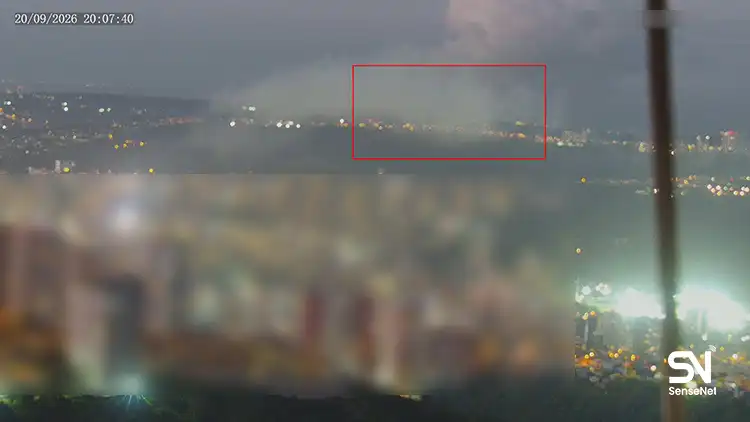
In this process, instead of moving rapidly across the surface with tall flames, fire slowly moves through dry organic material. There may only be smoke or heat, with no obvious flames.
This type of combustion is much slower than the spread of flaming fire through grasslands or shrublands, but that does not mean it is harmless.
A thick duff layer can retain heat for a long time and allow combustion to continue.
This is why a fire burning in the forest floor can sometimes remain active even after the flaming part of a wildfire has passed.
Why Is Fire in Duff Harder to See?
If a fire starts in a tree or dry vegetation, flames and smoke usually attract attention quickly.
But when a fire is spreading through the duff layer, there may be no large flames. The fire moves close to the ground and sometimes within the lower layers of organic material.
This means an area may be experiencing active combustion for some time without looking like a serious wildfire from a distance.
For wildfire management, this difference matters. The longer a fire remains undetected, the greater the chance that it will spread to surrounding fuels and turn a small ignition point into a larger wildfire.
Does Duff Layer Depth Matter?
Yes. Duff depth is one of the factors that affects fire behavior. Thicker layers of organic material provide more fuel and can create conditions that allow combustion to continue.
This is particularly important around the base of trees. In some forests, organic material can accumulate more heavily around tree trunks. If these materials are dry and fire reaches them, the heat produced by prolonged combustion can damage tissue near the base of the tree and its roots.
For this reason, the intensity of a wildfire cannot be judged only by flame height. Sometimes an important part of what is happening is taking place below the surface and within forest-floor fuels.
Can the Duff Layer Continue Burning After a Wildfire?
Yes. One of the characteristics of smoldering fires is that they can continue after the main fire front has passed.
The main flames may have gone out, while organic material on the forest floor continues to burn slowly. This can leave hot spots behind and potentially allow fire to reignite under suitable conditions.
For this reason, wildfire monitoring is not limited to the moment when flames are visible. What remains after the fire passes, including residual fuel and heat in different layers, also matters.
What Causes the Duff Layer to Dry Out?
The main factor is declining moisture during dry periods.
When there is no rainfall for an extended period, the moisture content of organic material on the forest floor decreases. High temperatures, low relative humidity, and dry weather conditions can also intensify this process.
Under these conditions, even material that normally does not burn easily because of its high moisture content can become more flammable fuel.
This is why assessing wildfire risk by looking only at the condition of trees is not enough. Trees may look completely green and healthy from a distance while the forest floor is covered with dry organic material.
Is the Duff Layer an Important Factor in Wildfire Spread?
The duff layer is one of the fuels present in a forest, but its behavior differs from fuels such as dry grass, shrubs, or tree crowns.
Duff does not usually cause the rapid, flaming spread that we see in crown fires. Its importance is more closely related to continued combustion, persistent heat, and the ability of fire to remain active on the forest floor.
If a small fire reaches a layer of dry organic material, that layer can help sustain the fire and, under suitable conditions, increase the possibility of it spreading to other fuels.
So when we talk about wildfire risk, the forest floor needs to be considered alongside the vegetation above it.
How Can SenseNet Help Monitor This Risk?
Addressing wildfire risk requires more than understanding dry fuels. High-risk areas also need to be monitored continuously.
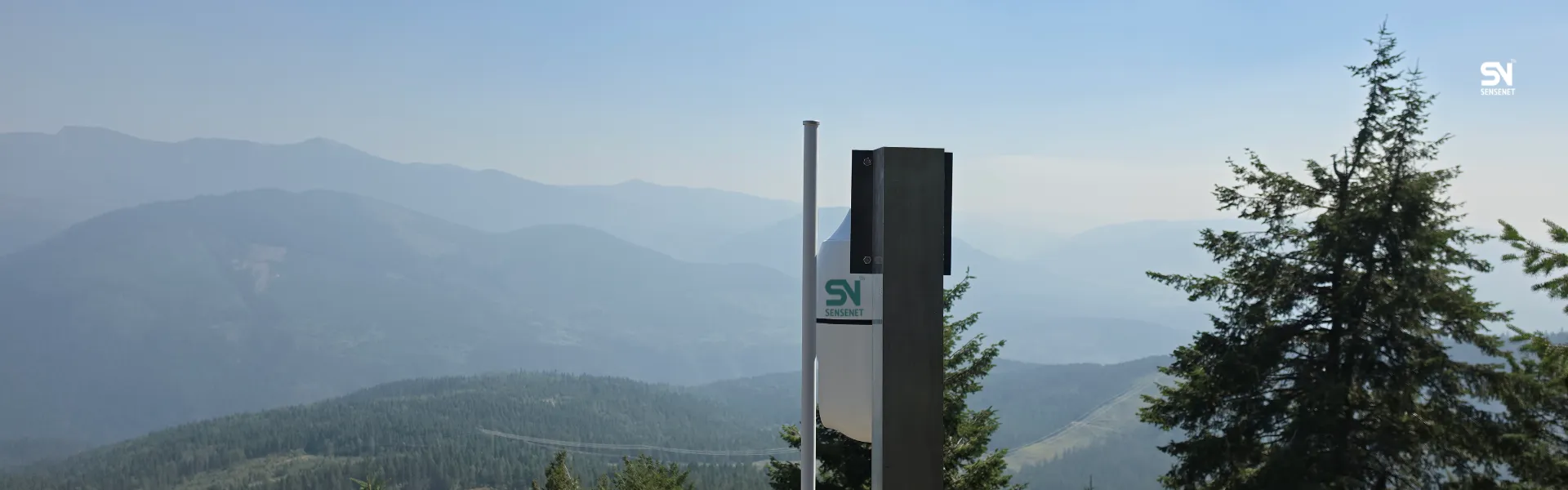
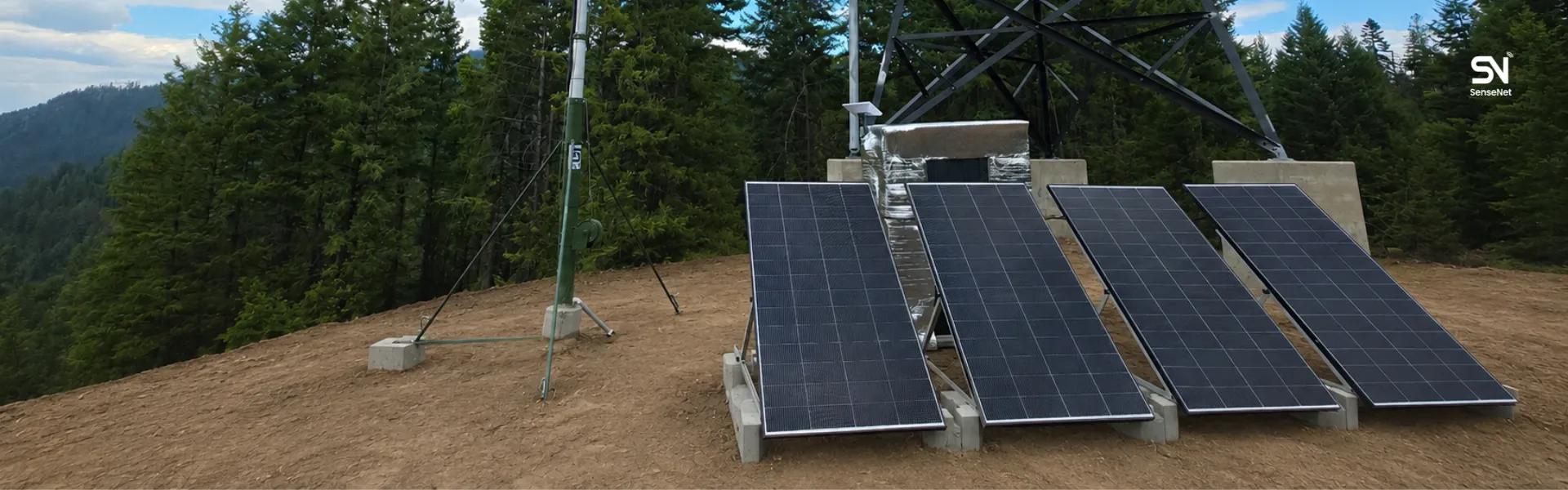
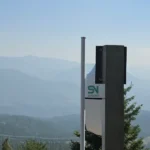
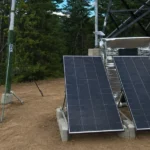
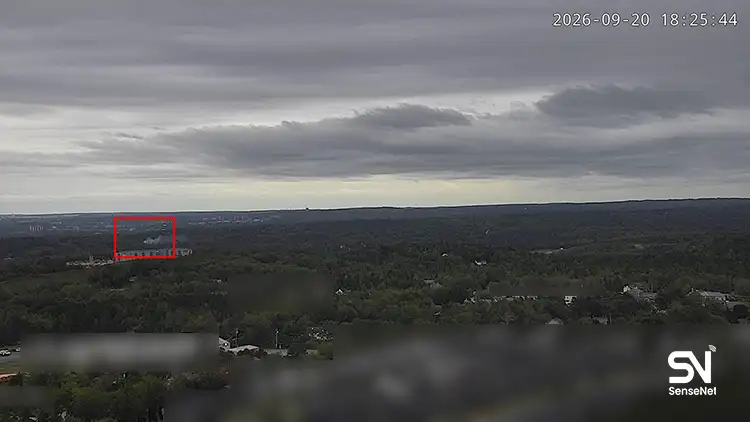
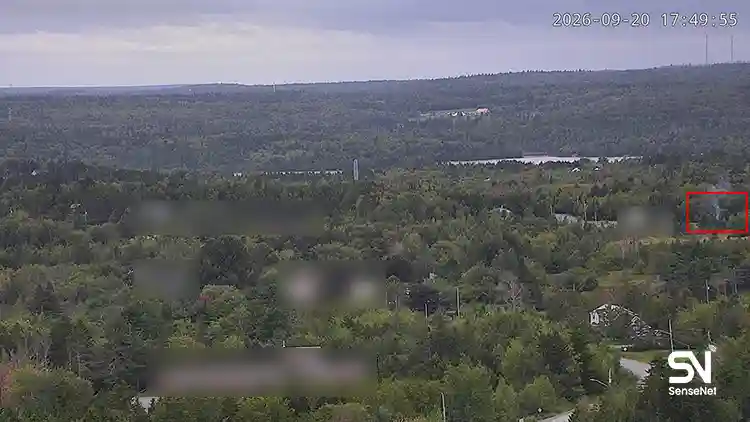
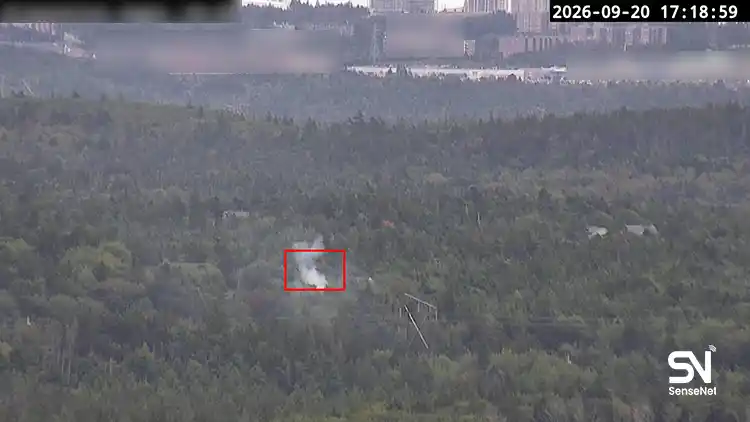
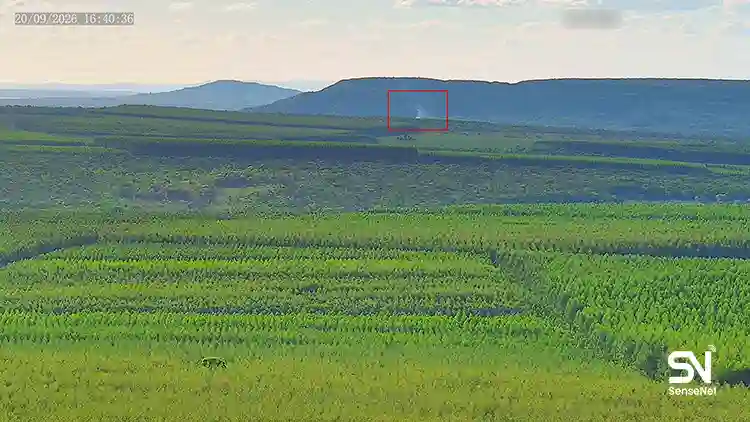
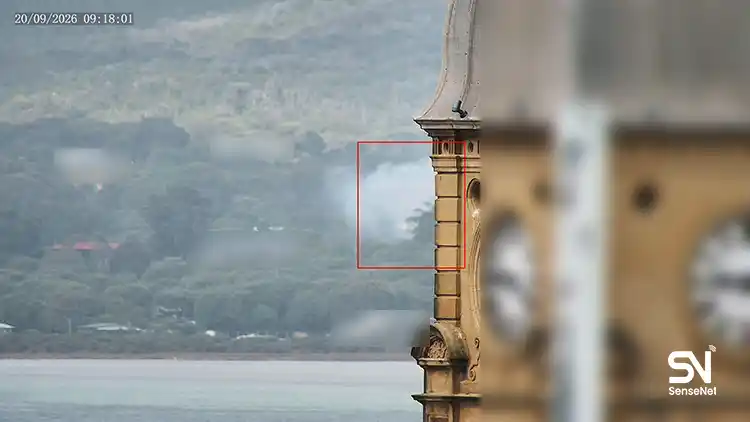
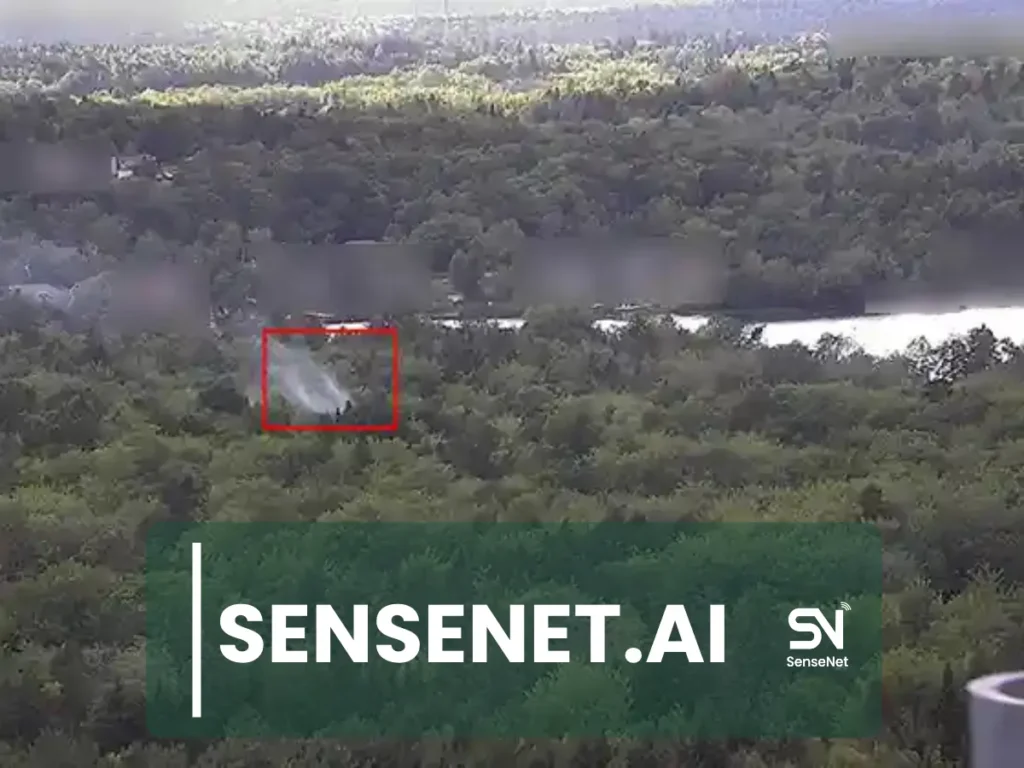
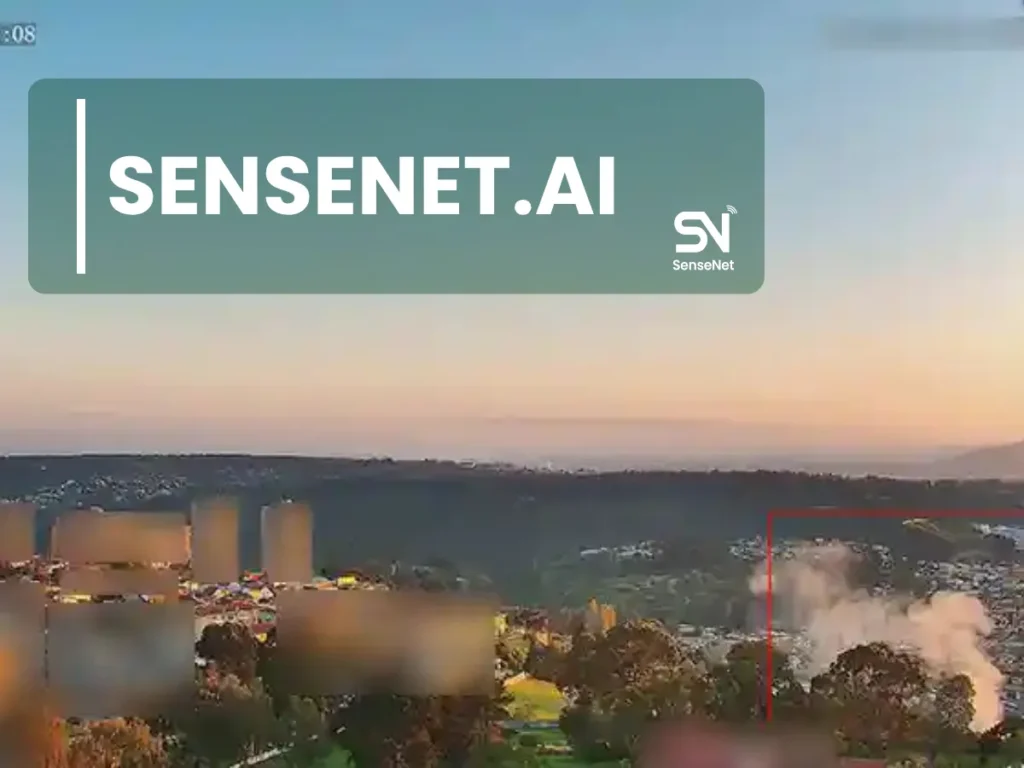
SenseNet wildfire monitoring cameras can be deployed in forested areas for this purpose and can continuously monitor the surrounding environment. These cameras help identify smoke and early signs of fire, even in areas where access to conventional power and internet infrastructure is difficult.
A camera alone cannot measure the moisture content or depth of the duff layer. But when we know that an area contains a significant amount of dry forest-floor fuel, continuous monitoring can help minimize the time it takes to detect a potential wildfire.
And in a wildfire, those few minutes can matter.
Frequently Asked Questions About the Duff Layer and Wildfires
Is duff the same as dry leaves on the forest floor?
No. Freshly fallen leaves and needles are generally part of the litter layer. Duff is a lower layer made up of older, partially decomposed organic material.
Can dry duff burn without flames?
Yes. Dry duff can undergo smoldering combustion. In this process, fire moves slowly through organic material without large flames. This can make it more difficult to detect than flaming fire.
Why is a wildfire in the duff layer dangerous if there are no large flames?
Because the absence of large flames does not mean the fire is out. Smoldering combustion can continue for a long time, produce heat, and reach surrounding fuels. It can also remain active on the forest floor after the main fire has passed.
Can rainfall reduce the risk of duff catching fire?
Yes. Increased moisture generally reduces the ability of duff to ignite and sustain combustion. However, the effect of rainfall depends on its amount and duration, the depth of the duff layer, and environmental conditions. Light rainfall does not necessarily mean that all layers of the forest floor have become sufficiently wet.
Does a thick duff layer always mean a high wildfire risk?
Not by itself. Greater depth means more available fuel, but wildfire risk also depends on factors such as moisture, weather conditions, fuel type, potential ignition sources, and surrounding vegetation.
Can wildfire detection cameras see a fire burning inside the duff layer?
If the fire is completely below the surface with no visible signs, a camera cannot directly see it. But if burning duff produces smoke, heat, or visible signs at the surface, visual monitoring can help detect this activity at an early stage.
For this reason, wildfire monitoring cameras are primarily valuable for quickly detecting visible signs of fire, rather than directly measuring the duff layer itself.
The Forest Floor Should Not Be Overlooked
When we talk about wildfires, we usually picture tall flames and burning trees. But part of the risk can develop much more quietly.
Beneath dry leaves and above the soil, there is a layer of organic material that can become wildfire fuel when it dries out and accumulates. Duff can burn without large flames, produce heat for a long time, and remain active even after the main fire has passed.
Understanding and monitoring forest-floor fuels is therefore part of the larger picture of wildfire risk management. When high-risk areas are continuously monitored, the chance of an early warning sign remaining unnoticed for too long is reduced, making it possible to limit the damage a wildfire can cause to an area.
Scientists and researchers at SenseNet work around the clock to build a complete picture of forest conditions. An important part of wildfire risk management depends on the efforts of teams like this. When high-risk areas are continuously monitored, the chance of an early warning sign remaining unnoticed is reduced, helping prevent the major damage that wildfires can cause.ndation is to focus on building a multi-layered system from the start, rather than relying on a single technology.
Author and Content Department Manager:
Neda Khanifar