Fire Management in Forests
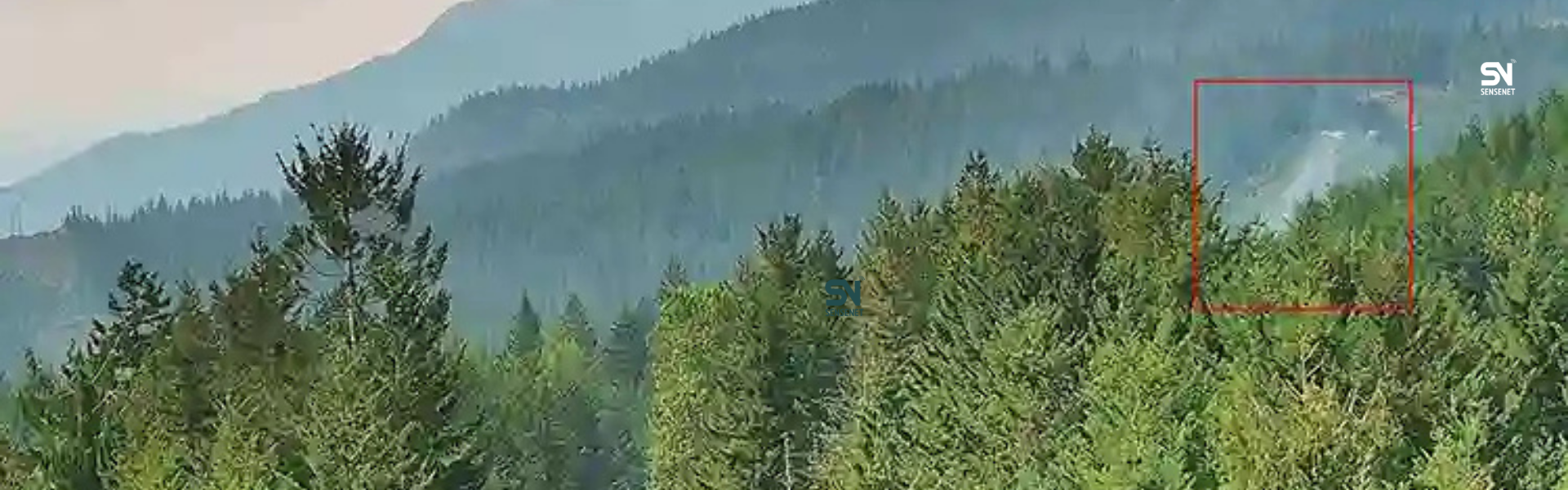
Here’s a terrifying statistic: only 18% of Canada’s high-risk forests are equipped with early detection systems.
According to data from the Canadian Emergency Management Agency, the area burned by wildfires increased by 27% annually between 2021 and 2025. So yeah, it’s time for some serious changes in how we handle fire management.
In this article, we’re covering:
- Technical criteria for selecting a fire management system based on vegetation type and terrain
- A comparison of heat, smoke, and hybrid sensors based on real-world data
- Three critical installation mistakes we’ve seen across different projects
- Budgeting for installation and setup of warning systems
If you’re curious about any of this, don’t miss this post from SenseNet.
3 Key Technical Criteria for Installing Smoke and Fire Detection Sensors
Criterion 1: Sensor Density Based on Average Wind Speed
Standard theory: One sensor every 450–500 meters is enough.
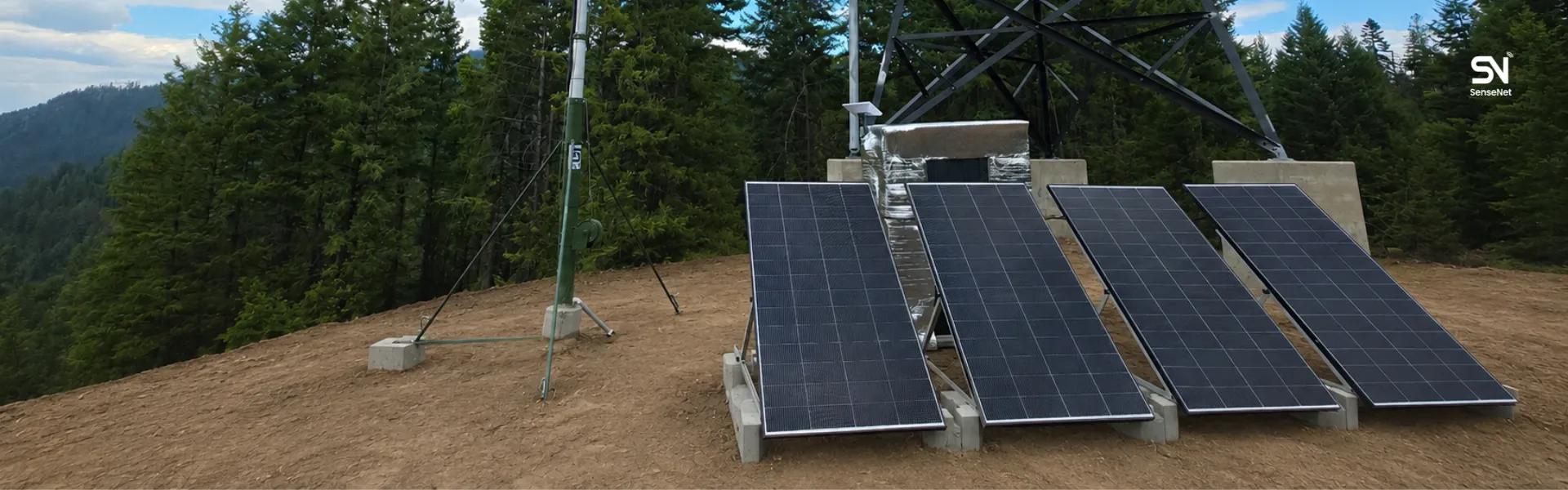
SenseNet installation team’s field data: In areas with average wind speeds over 25 km/h, sensor spacing should not exceed 300 meters.
Criterion 2: Sensor Type Must Match the Climate
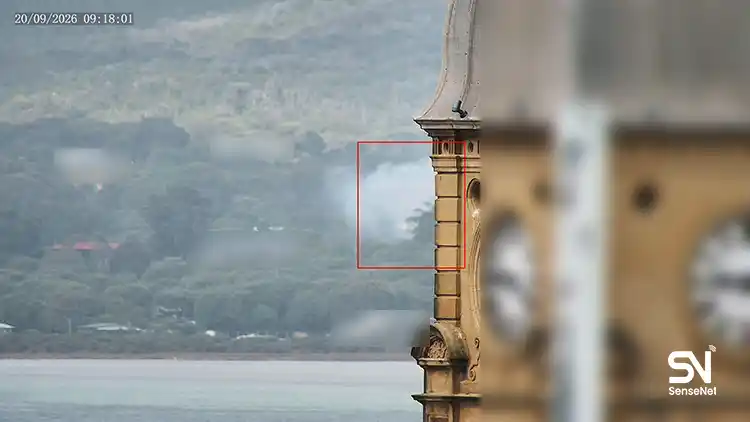
In one SenseNet project, the installation environment had relative humidity above 80% for seven months of the year. So we made the call to use sensors actually suited to that climate, not just whatever was on the spec sheet.
Criterion 3: Network Bandwidth
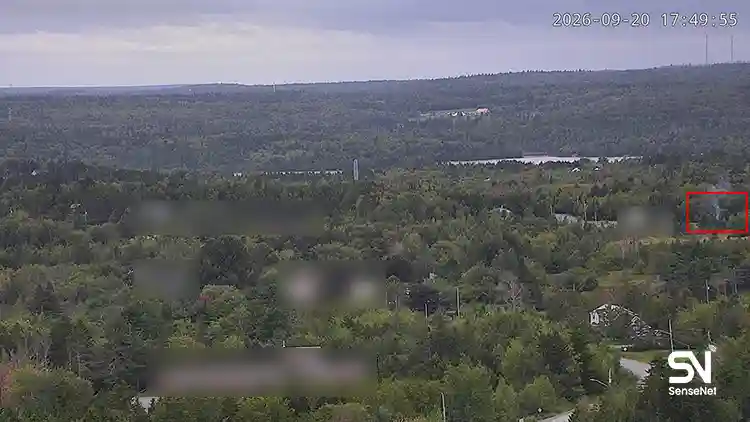
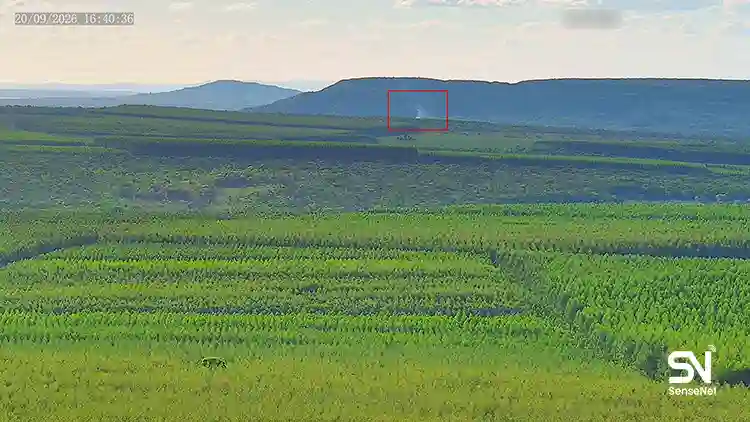
In a project we ran in one of Chile’s regions, the SenseNet team discovered that cloud-based algorithms cannot operate reliably in areas without stable 4G coverage.
The solution we implemented was edge processing, which stores and processes data directly on the sensors themselves. SenseNet built this architecture for the first time in Chile, and now we recommend it as the standard for projects in Canada (specifically northern Ontario).

Technology Comparison Table: Fire Management Systems (Based on Error Rate & Cost)
| Technology | Detection Accuracy | False Alarm Rate | Cost per 100 Hectares (CAD) | Best For |
| Watchtower + human lookout | 43% | Very low | $14,000 | Very small areas |
| Standard smoke sensor | 67% | 24% | $8,200 | Dry areas |
| Long-wave heat sensor | 81% | 11% | $10,500 | Dense vegetation |
| Hybrid (heat + smoke + soil moisture) – SenseNet’s recommendation | 94% | 4% | $11,800 | All areas, especially northern Canada |
What “false alarm rate” means: The percentage of times the system triggers when there’s no actual fire. A 4% false alarm rate means that 4 out of every 100 alerts are false.
3 Fatal Mistakes in Fire Management Implementation
Mistake #1: Placing Sensors Based on Property Maps Instead of Actual Terrain
The most important rule: install sensors and cameras based on the land’s topography, not administrative boundaries.
In one SenseNet project, the client insisted on placing sensors along property lines. The result was a 650-metre gap with no sensor coverage. A fire later started in that gap and initially went undetected.
SenseNet’s fix: Always use a line-of-sight algorithm to validate sensor placement against the Digital Elevation Model (DEM).
Mistake #2: Yearly Calibration Instead of Seasonal
In Chile’s forests, temperatures swing by 25°C between summer and winter. Yearly calibration in that kind of environment drops detection accuracy by 18% in winter. So we switched from annual to seasonal calibration.
Mistake #3: Ignoring Historical Fire Data
The SenseNet team reviewed one forest site and found that 70% of the fires over the previous five years had occurred within a single 2-kilometer corridor. But the old system had placed sensors evenly across the entire area, completely missing the hot zone.
SenseNet’s risk maps (currently being developed for Canada) are built on this principle: 30% of the sensors are placed in historical hot spots, and the remaining 70% are distributed evenly.

Frequently Asked Questions
Q1: What’s the real cost of fire management in Canada for a 1,000-hectare area?
The initial installation cost ranges from $78,000 to $115,000 CAD, plus annual maintenance costs of $4,200 to $6,800 CAD. The price range depends on terrain, distance from road access, and sensor type. Keep in mind that prices can change depending on the conditions.
Q2: What evidence does SenseNet provide that its system detects fires before they are reported by the public?
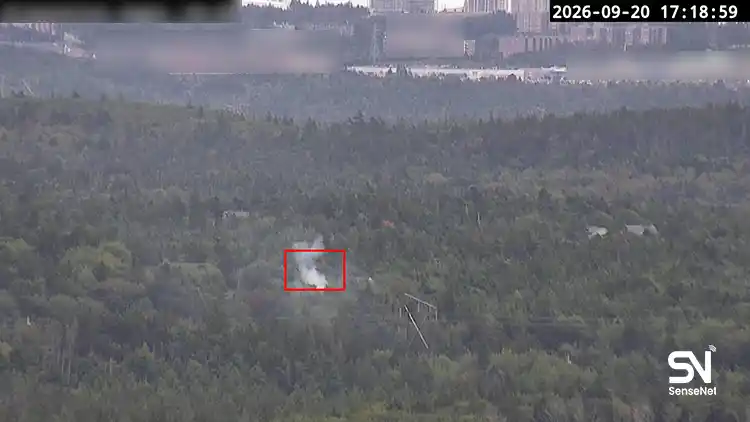
The SenseNet system detects fires an average of 26 minutes before the first emergency call. The shortest recorded lead time was three minutes.
Author: Neda Khanifar
Title: Content Manager, SenseNet Technology
Last Updated: June 2026
Documentation: Written based on real-world experience from the SenseNet installation and deployment team.