

How to Improve Resilience to Wildfires!
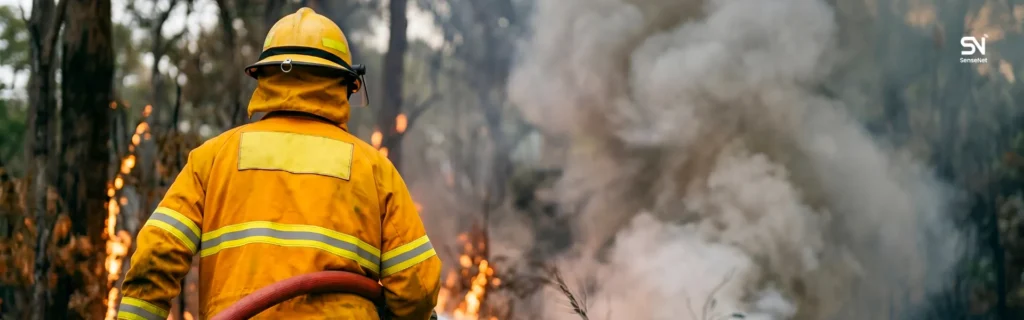
Improving forest fire resilience is no longer limited to suppressing wildfires after they ignite. It requires long-term planning, scientific forest management, continuous monitoring, community involvement, and the smart use of technology. This article explores practical strategies for building more resilient forests while incorporating real-world experiences from wildfire detection technicians, monitoring center operators, and firefighters. It also highlights why early preparation, accurate data, and proactive decision-making are now considered the foundation of modern wildfire resilience.
Wildfire-Resistant Forests: How Modern Forests Are Designed to Survive Wildfires!
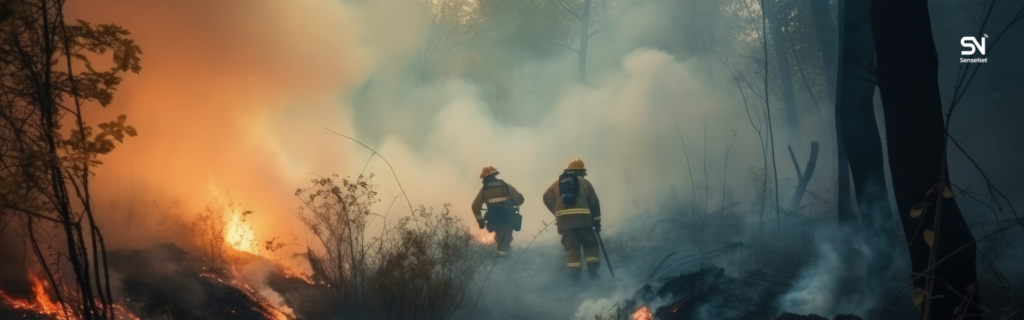
As extreme wildfires become more frequent worldwide, protecting forests is no longer just about extinguishing flames, it’s about building forests that can survive them. Wildfire-resistant forests are designed to reduce fire intensity, slow fire spread, and recover more quickly after major wildfire events. This article explores the science behind resilient forest ecosystems, the practical management strategies used in California and Canada, and the growing role of artificial intelligence, satellite monitoring, and fuel management. Drawing on real-world experiences and current wildfire resilience practices, it explains why preparing forests before a fire begins is becoming one of the most effective approaches to reducing environmental and economic losses.
The Causes of Wildfires: Silent Killers We Rarely Talk About!
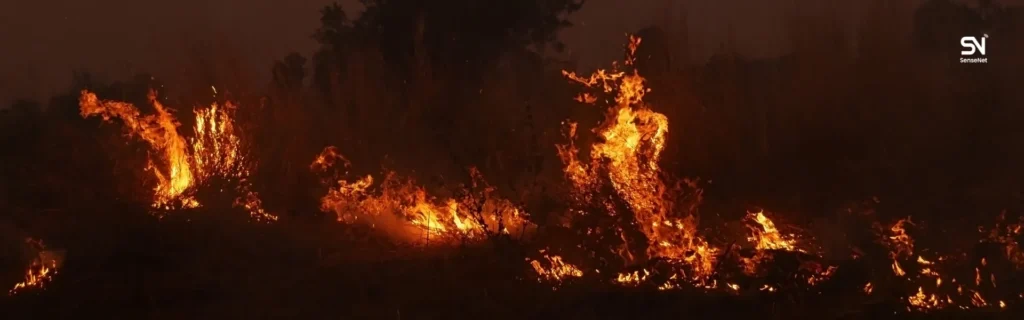
The Causes of Wildfire: Discover the silent killers behind forest fires that few talk about, from drying wetlands and abandoned dry branches to pollen as a hidden catalyst. Explore lesser-known factors and real solutions beyond lightning and human error.
Wildfire Adaptation Models: A Modern Approach to Living with Wildfires
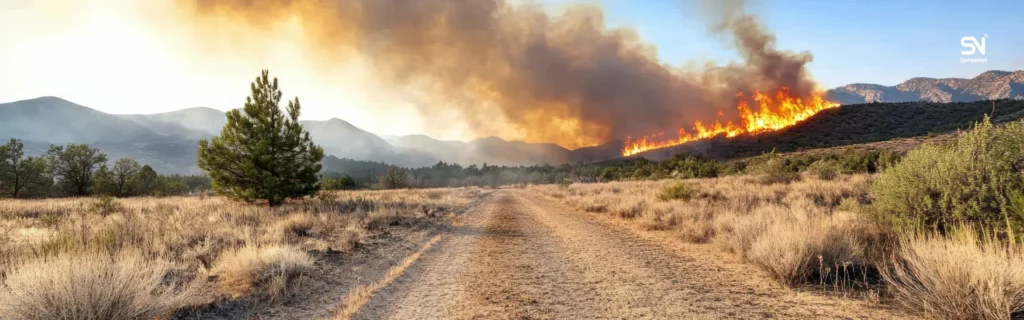
As climate change intensifies wildfire frequency and severity, traditional fire suppression strategies are no longer sufficient to protect forests and communities. Wildfire adaptation models offer a proactive approach by enhancing the resilience of ecosystems, infrastructure, and local populations rather than attempting to eliminate fire entirely. This article explores the key wildfire adaptation models, including ecological, community-based, landscape, technology-driven, and climate adaptation approaches. It also examines real-world examples from countries such as the United States and Canada, highlights the growing role of artificial intelligence and remote sensing in wildfire management, and discusses common implementation challenges. By understanding these adaptation models, policymakers, land managers, and communities can better prepare for future wildfires while reducing environmental, economic, and human losses.
Real-Time Wildfire Detection: How Modern Technologies Prevent the Spread of Wildfires
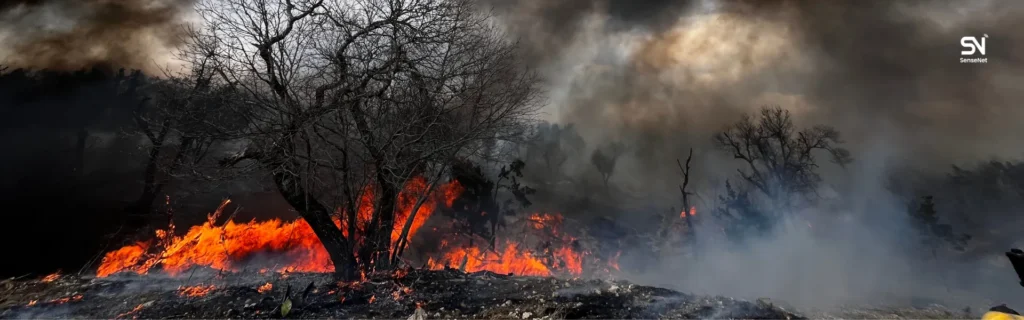
Real-Time Wildfire Detection refers to advanced technologies capable of identifying the earliest signs of wildfire ignition within seconds or minutes and immediately notifying emergency response teams. Modern systems combine artificial intelligence, thermal imaging, environmental sensors, satellite monitoring, and weather data analytics to significantly improve detection speed and response effectiveness. This article explains how these technologies work, compares their detection performance, examines real-world operational challenges, and presents a field case study from SenseNet’s deployment at Predator Ridge in British Columbia. The article also explores the economic benefits of early detection systems and highlights why multi-layer monitoring approaches provide the highest level of wildfire protection.
Viewing Angle and Thermal Blind Spots in Fire Detection!
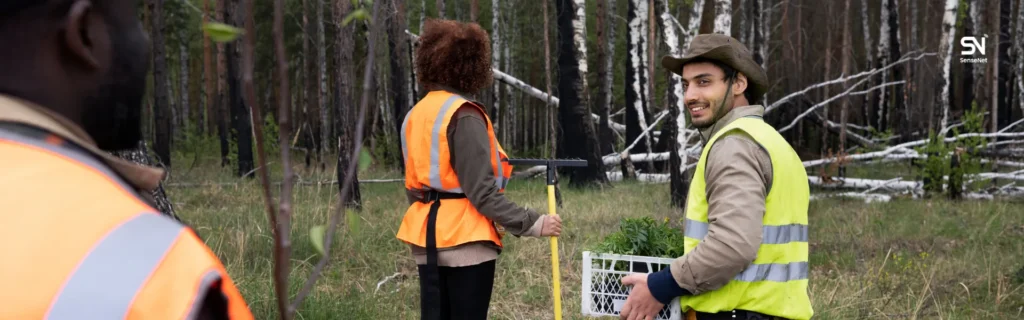
This article explores one of the biggest physical challenges in installing AI-based fire detection systems: viewing angles and thermal blind spots in fire detection. It explains why even the smartest cameras fail when their line of sight is blocked, provides real-world examples from industrial projects, and offers five tested practical solutions, from line-of-sight analysis to redundancy strategies, along with a comparison table of coverage methods.
Fire Management in Forests: A Practical Guide to Choosing Early Detection Systems

Only 18% of Canada’s high-risk forests have early wildfire detection. This guide covers sensor spacing, climate matching, 3 fatal installation mistakes, and real costs from SenseNet’s field projects in Chile, Brazil, and the US.
Rapid Response Planning After Early Wildfire Detection in Forests!
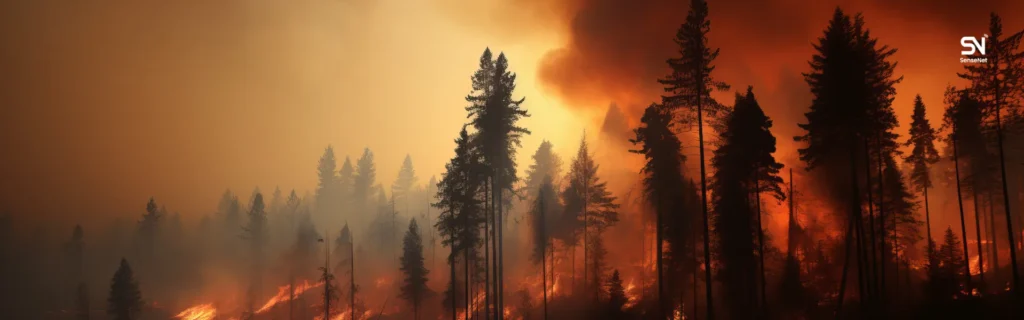
Early wildfire detection creates a critical opportunity to stop fires before they spread. However, detection alone is not enough. Effective wildfire management depends on rapid response planning that turns early alerts into immediate action.
This article explores key strategies for rapid response after early wildfire detection, including response chains, initial attack teams, drone monitoring, and the use of real time weather data to improve containment success.
Wildfire Detection System Integration with Crisis Management Centers
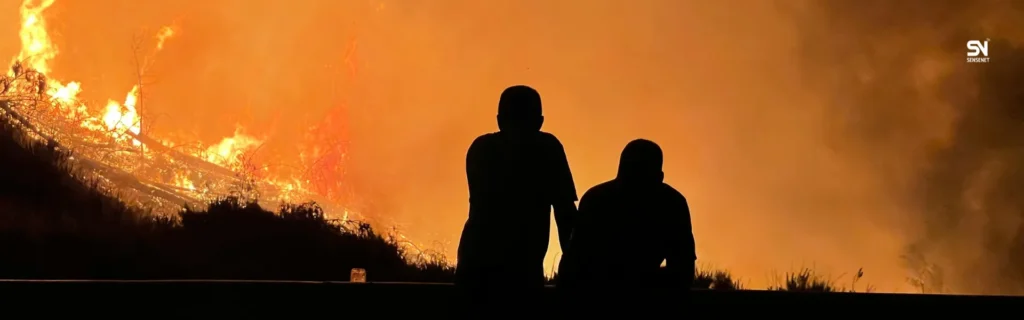
This article breaks down the real mechanics of connecting wildfire detection systems with crisis management centers, from closing the semantic gap to building low latency communication paths, synchronizing geospatial layers, automating response pipelines, and integrating field telemetry. It presents a practical framework used in wildfire operations and highlights how Sensenet turns detection into coordinated action.
Wildfire Intelligence: Preparing for Canada’s Challenging 2026 Wildfire Season
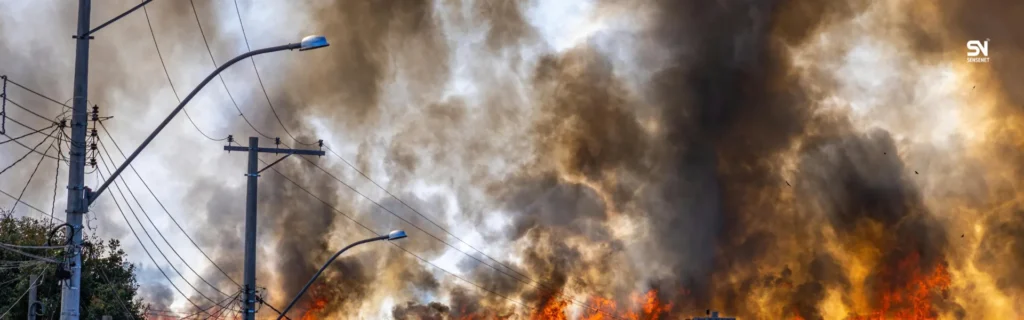
In this critical moment, Wildfire Intelligence is no longer a luxury, it’s an operational necessity. This article includes real-time field data (Spring 2026) from SenseNet’s projects in Canada, along with direct insights from firefighters who still remember last season vividly. Don’t miss this compelling and informative read.