Wildfire Adaptation Models
Is there a way to prevent wildfires?
Probably 20 years ago, the answer to this question would have been no. The reality is that even today, there is still no guaranteed solution to prevent wildfires. However, humanity has started asking a different question:
Is there a model that allows us to adapt to wildfires?
Today, natural resource managers, emergency management organizations, and scientists have changed their perspective. After witnessing devastating wildfires across California, Canada, Australia, and Southern Europe, they have realized that drought periods are becoming longer and that simply deploying water-bombing aircraft or firefighting crews is no longer enough to deal with this crisis.
This is why a new concept called Wildfire Adaptation has emerged. Instead of focusing on completely eliminating wildfires, it aims to prepare forests, local communities, and infrastructure to withstand wildfires, minimizing damage and helping them recover as quickly as possible.
In this article, we’ll explore wildfire adaptation models, successful examples from different countries, emerging technologies, and practical insights that are definitely worth your time. Keep scrolling.
What Are Wildfire Adaptation Models?
Wildfire adaptation models are a collection of strategies, plans, and scientific approaches designed to increase the resilience of ecosystems and human communities against wildfires.
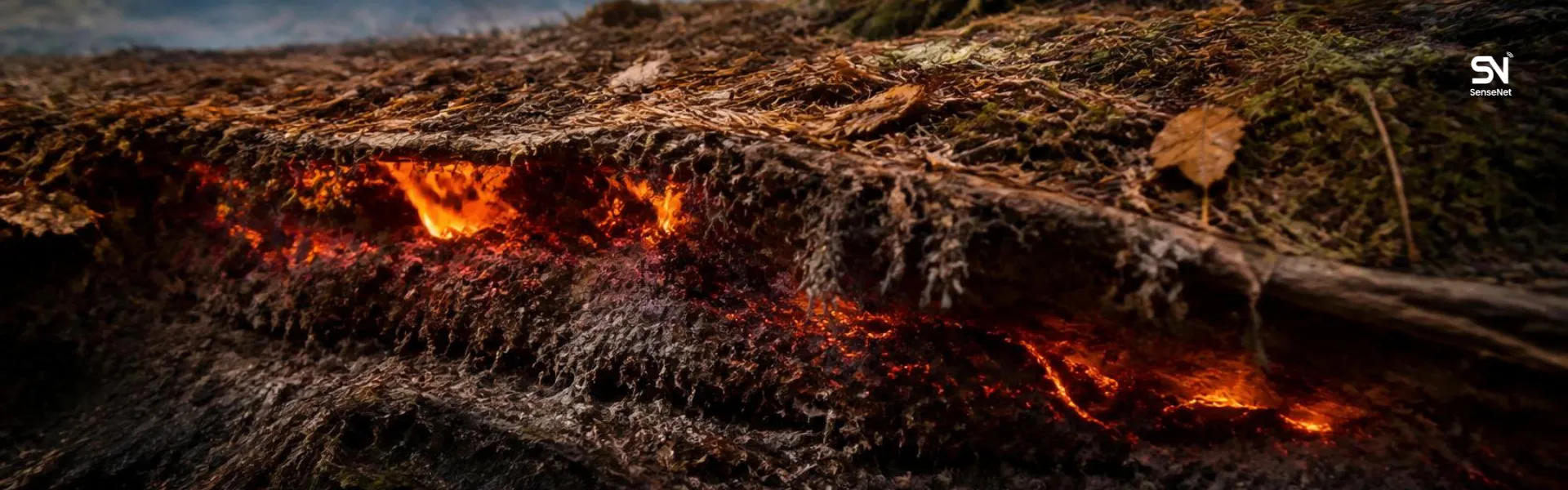
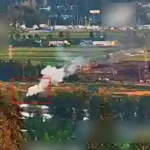
In the past, the common belief was that every wildfire had to be extinguished as quickly as possible. However, decades of research have shown that completely excluding fire from nature can actually set the stage for much larger wildfires in the future. When dry vegetation, fallen branches, and dead trees remain in forests for years, natural fuel accumulates, and eventually a single spark can trigger a megafire.
.
Wildfire adaptation models are based on one fundamental principle: fire is a natural part of many ecosystems. Therefore, we must learn to live with fire, rather than simply fight against it.
Why Are Traditional Wildfire Management Methods No Longer Enough?
Climate change has dramatically altered wildfire patterns around the world. Rising temperatures, lower soil moisture, prolonged droughts, and stronger winds have made wildfires spread faster and become much harder to control.
At the same time, expanding development in the Wildland-Urban Interface (WUI) means that wildfires now threaten not only forests but also people’s lives, homes, and critical infrastructure.
For this reason, many countries are shifting their policies from reactive wildfire management to proactive and adaptive management.
The Most Important Wildfire Adaptation Models
1. Ecological Adaptation
This model is based on restoring the natural balance of ecosystems.
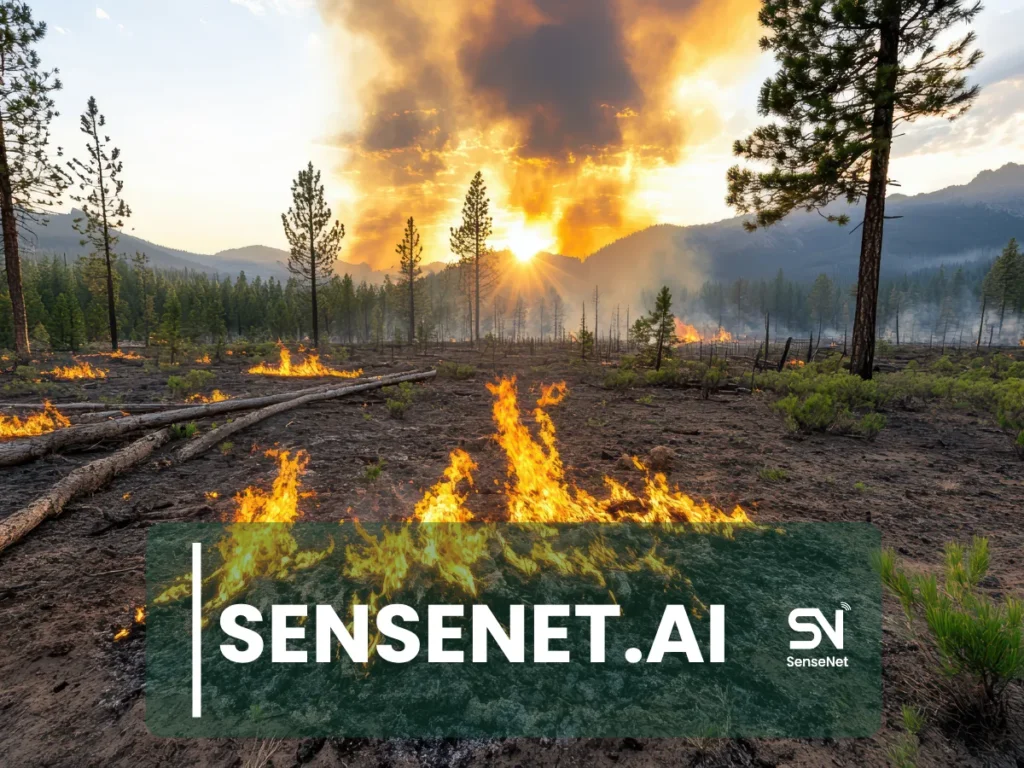
In many forests, low-intensity fires are a natural part of ecological cycles. These fires remove dry vegetation, recycle nutrients, and encourage new plant growth.
Under this model, measures such as the following are implemented:
- Prescribed burning
- Removing dry vegetation
- Thinning overcrowded forests
- Restoring native plant species
One interesting example comes from California’s forests. Following the devastating wildfires of recent years, natural resource managers compared areas that had undergone thinning and prescribed burning several years earlier with unmanaged forests. The results showed that fires were significantly less intense in treated areas, allowing firefighters to contain them much more quickly. This experience encouraged many western U.S. states to invest more heavily in proactive forest management.
2. Community Adaptation
One of the biggest lessons from recent wildfires is that a community’s resilience depends not only on the forest itself, but also on how well its residents are prepared.
Under this model, people living in high-risk areas are encouraged to:
- Clear dry vegetation around their homes
- Use fire-resistant building materials
- Learn evacuation routes
- Develop emergency plans and always keep an emergency go-bag ready during high-risk periods
Many small towns across the western United States have implemented Fire Adapted Communities programs. Residents voluntarily participate in vegetation management, educate their neighbors, and help develop evacuation plans. Reports from recent wildfire seasons indicate that these communities have experienced significantly less damage compared to similar communities.
3. Landscape Adaptation
One of the biggest mistakes in the past was managing each forest or park independently, while fire doesn’t recognize administrative boundaries.
This model treats forests, grasslands, rivers, agricultural lands, and human settlements as one connected system.
The goal is to identify potential fire pathways and reduce the likelihood of a small wildfire turning into a major disaster through fuel breaks, vegetation management, and proper land-use planning.
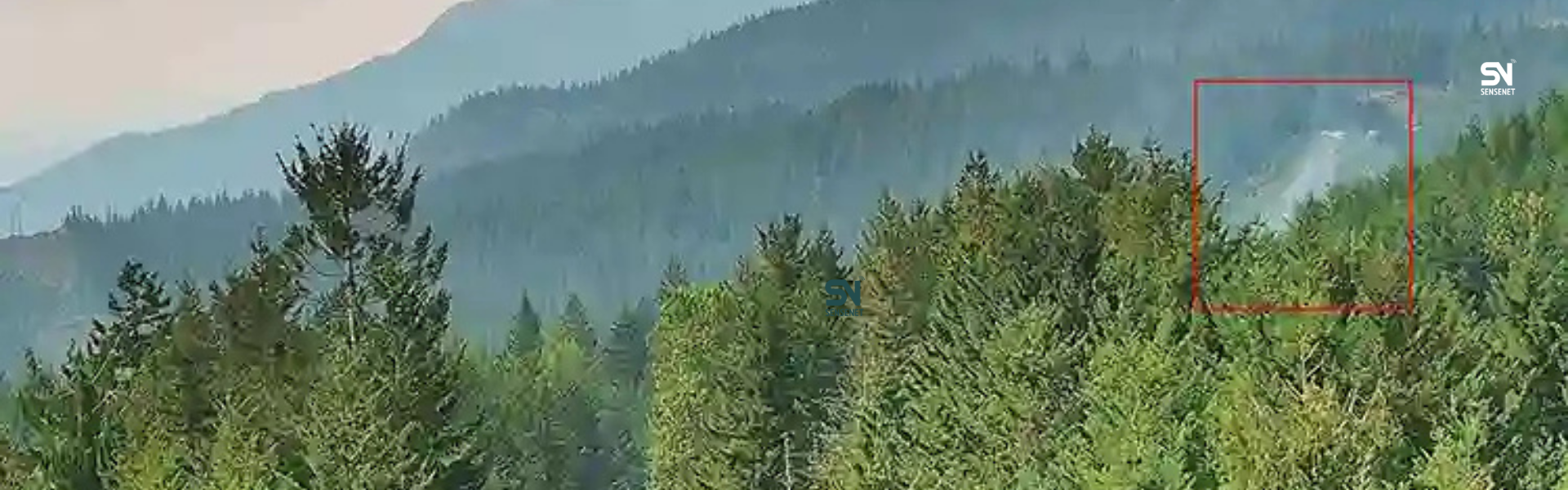
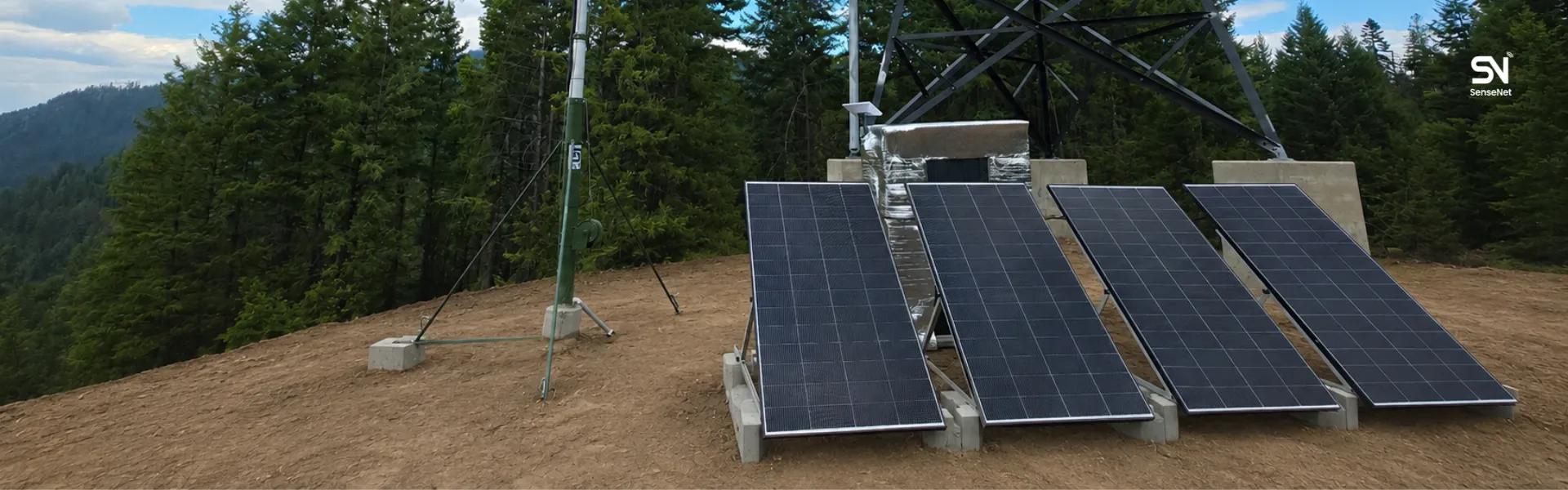
4. Technology and AI-Based Adaptation
Today, technology plays a critical role in wildfire adaptation.
Some of the most important tools include:
- Satellite imagery
- Forest monitoring drones
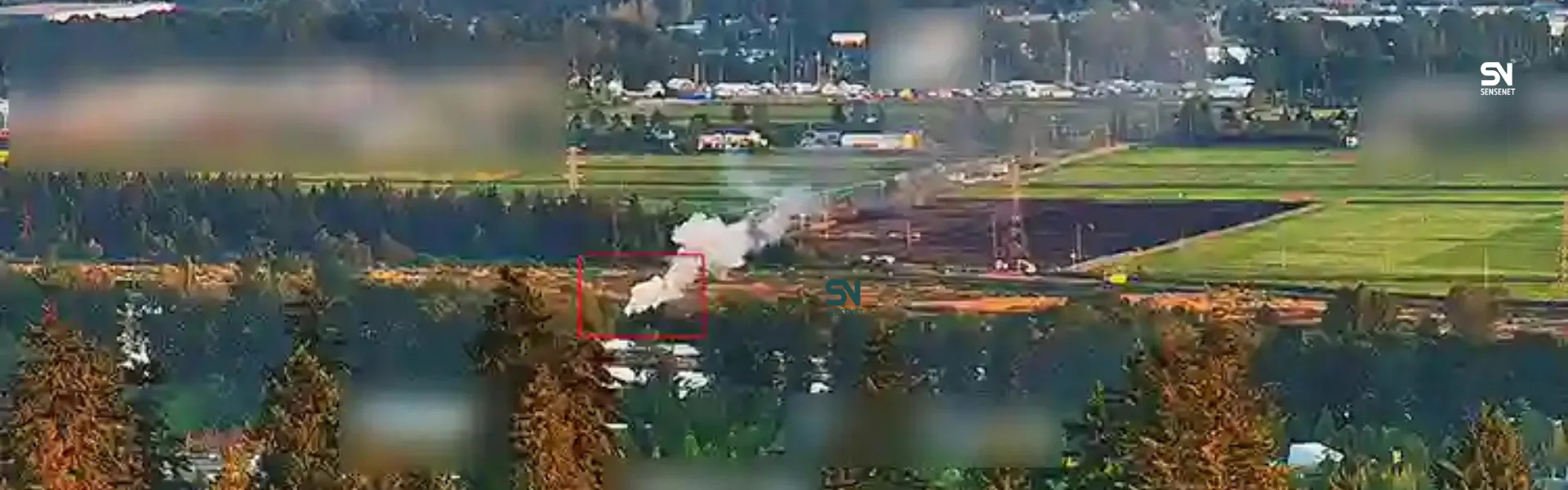
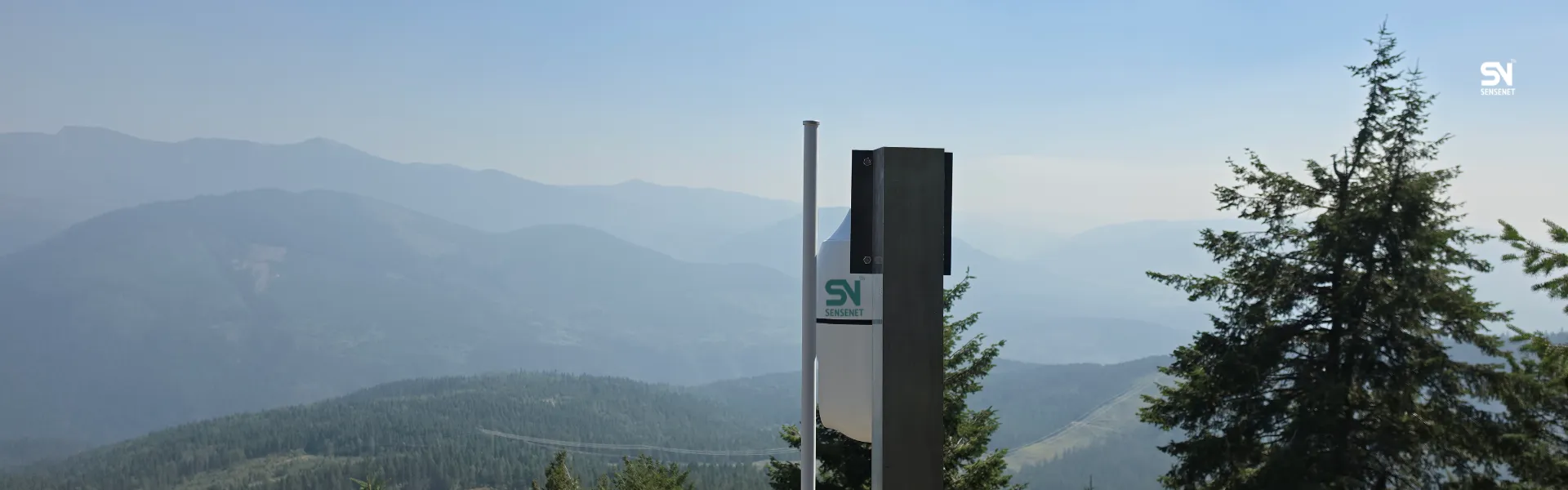
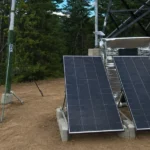
- Temperature and smoke sensors
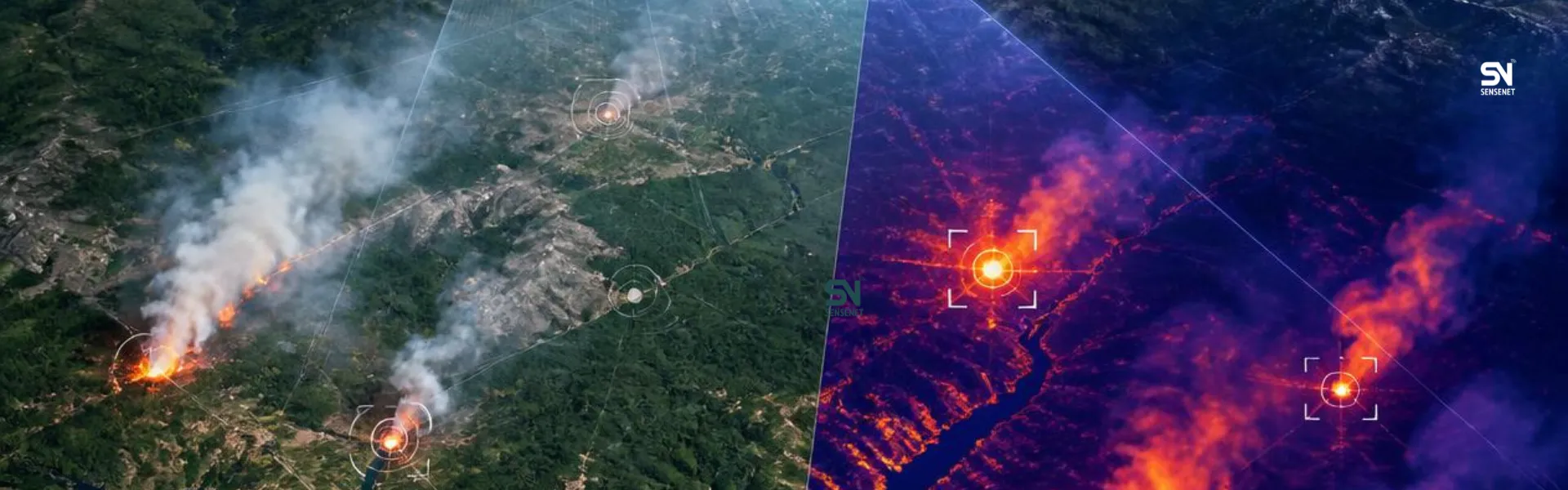
- AI-based prediction models
- GIS systems
These technologies can identify high-risk areas, predict fire behavior, and estimate potential fire spread before a wildfire even occurs.
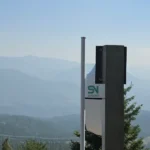
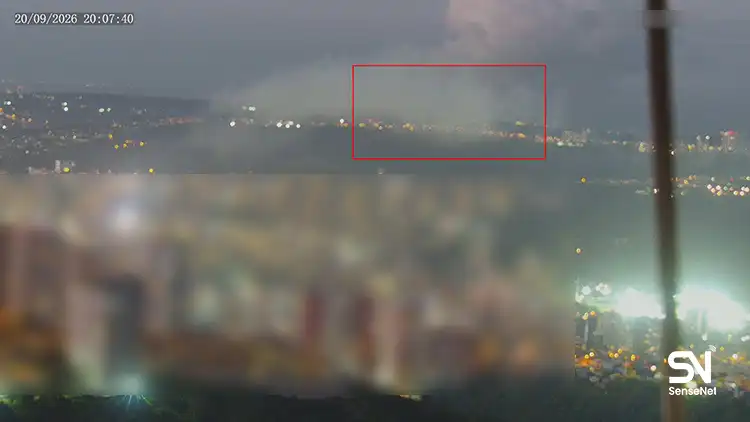
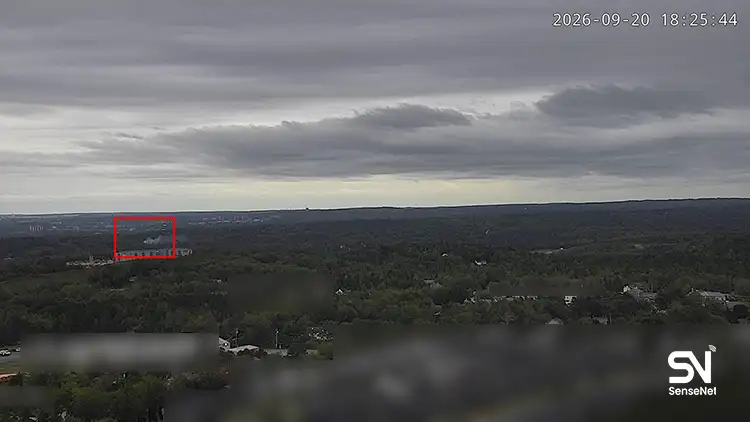
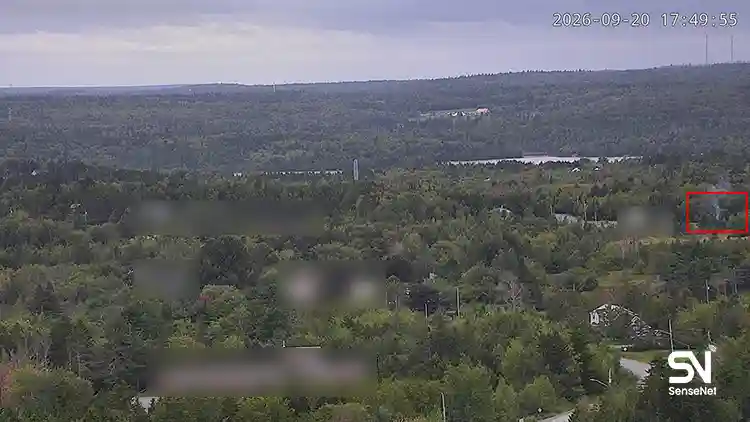
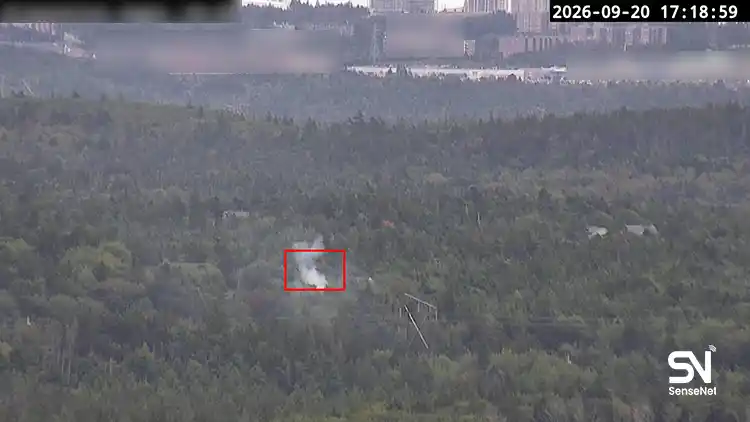
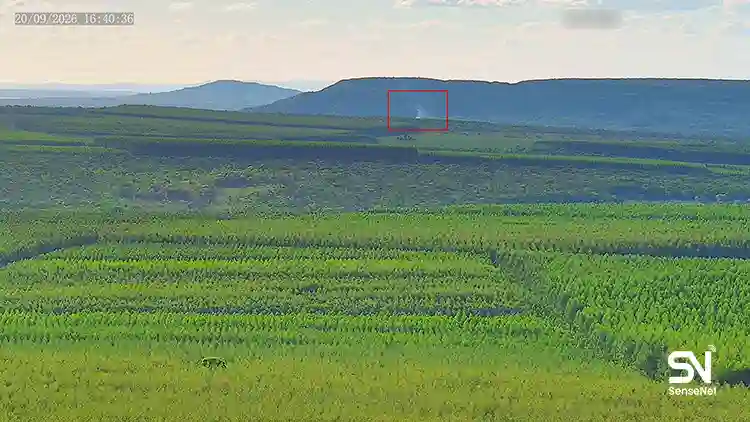
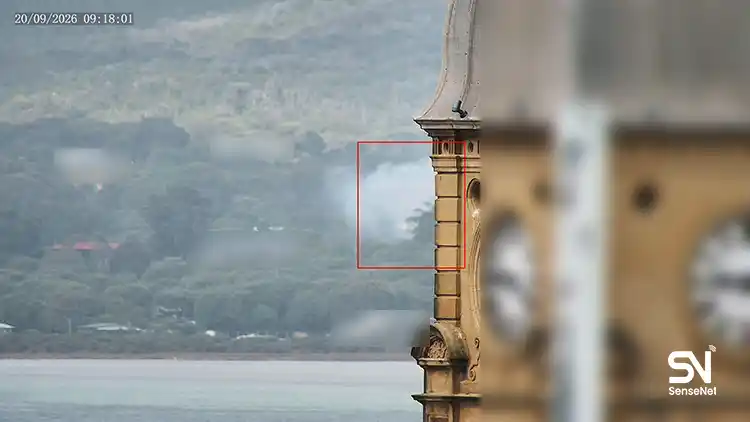
During Canada’s 2023 wildfire season, satellite imagery and predictive models helped authorities evacuate several communities before the fires arrived. While these technologies could not prevent the fires themselves, they played a significant role in reducing casualties. This is exactly the area where the SenseNet solution focuses its efforts.
5. Climate Adaptation
Climate change has become an inseparable part of modern wildfire management.
Under this model, natural resource managers don’t just consider today’s environmental conditions. Instead, they anticipate what the climate will look like over the next 20 to 50 years.
Based on these projections, they plant more fire-resistant tree species, improve water resource management, and design forest restoration programs that are better suited for future climate conditions.
The Role of People in the Success of Wildfire Adaptation Models
One of the biggest differences between these models and traditional approaches is the active involvement of local communities.
Experience from different countries has shown that the greater the participation of local residents, the more successful adaptation programs become.
People can help reduce wildfire risks through simple actions such as:
- Pruning trees around their homes
- Removing dead branches
- Reporting smoke or fire immediately
- Following wildfire safety guidelines while visiting nature
- Participating in community education programs
Common Mistakes in Implementing Wildfire Adaptation Models
Implementing these models without scientific planning can actually produce the opposite result.
Some of the most common mistakes include:
- Focusing only on extinguishing fires
- Completely eliminating fire from natural ecosystems
- Ignoring climate change
- Lack of coordination between different organizations
- Excluding local communities from decision-making
- Stopping vegetation management after only a few years
Wildfire adaptation models are only successful when they are continuously implemented, monitored, and improved.
Why Are Wildfire Adaptation Models More Effective Than Traditional Methods?
| Traditional Approach | Wildfire Adaptation Model |
| Respond after the fire starts | Prevent and increase resilience |
| Focus on extinguishing fires | Reduce fire intensity and damage |
| Government responsibility only | Government, communities, and private sector working together |
| Short-term planning | Long-term planning |
| Managing areas separately | Integrated landscape management |
Conclusion
The reality is that today’s goal is no longer to completely eliminate wildfires because that objective is neither practical nor ecologically appropriate.
What truly matters is creating forests and communities that can withstand wildfires, suffer less damage, and recover much faster.
Wildfire adaptation models combine science, technology, natural resource management, and community participation. Experience from different countries has shown that wherever these four elements come together, human, economic, and environmental losses are significantly reduced.
Frequently Asked Questions
1. What’s the difference between wildfire adaptation models and traditional wildfire management?
Traditional wildfire management focuses on extinguishing fires after they start, while adaptation models aim to reduce the vulnerability of forests and communities before wildfires occur.
2. Is it possible to completely prevent wildfires?
No. Many wildfires are caused by natural factors. The primary goal is to reduce their intensity, rate of spread, and overall damage.
3. What is prescribed burning, and why is it used?
Prescribed burning is the controlled burning of vegetation under carefully managed conditions to reduce accumulated fuel and lower the risk of large, destructive wildfires.
4. Can artificial intelligence predict wildfires?
AI cannot predict the exact time a wildfire will occur, but it can analyze weather conditions, vegetation, and satellite imagery to identify high-risk areas with remarkable accuracy.
5. Are these adaptation models only suitable for developed countries?
No. Many of the principles behind wildfire adaptation, such as community education, vegetation management, and proactive planning, can also be successfully implemented in developing countries.
6. What is the most important factor behind a successful adaptation model?
Strong collaboration between governments, researchers, and local communities, combined with the effective use of scientific data and emerging technologies, is what makes an adaptation model truly successful.
7. Has climate change increased wildfire activity?
In many parts of the world, rising temperatures and prolonged droughts have created conditions that lead to more frequent, larger, and longer-lasting wildfires.
8. Can forests recover after a wildfire?
Yes. However, the speed and quality of recovery depend on the fire’s severity, the type of vegetation, and the restoration efforts implemented after the wildfire.
Reviewed & Written by Neda Khanifar
Content Manager
This article has been carefully developed using real-world wildfire adaptation case studies, practical experiences from recent wildfire management initiatives, and the latest scientific findings