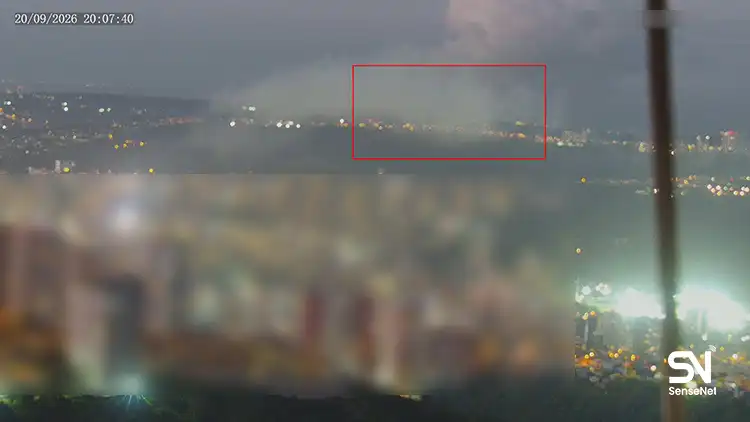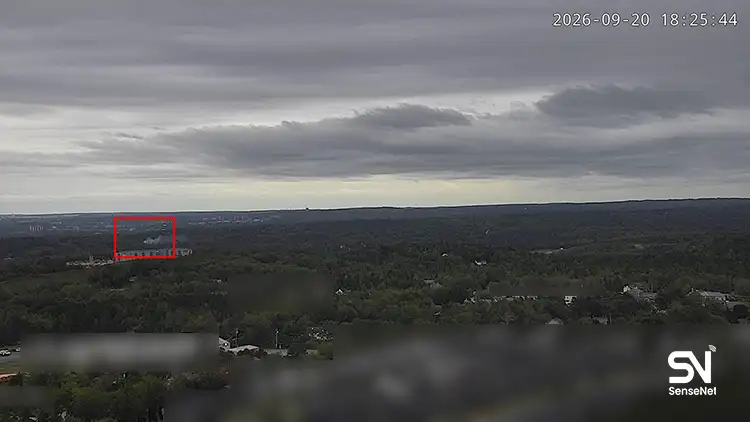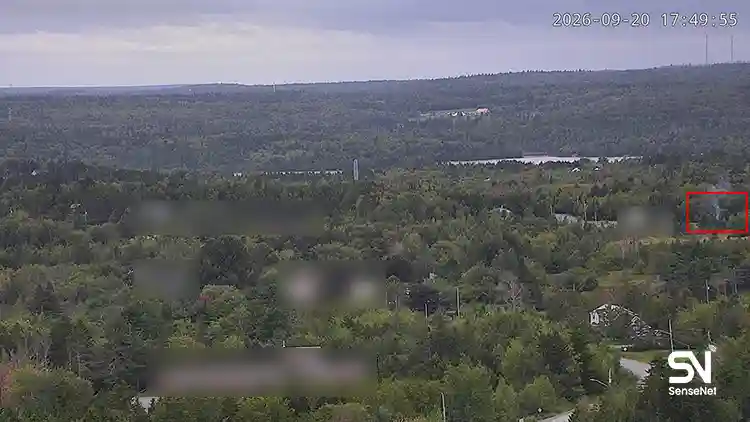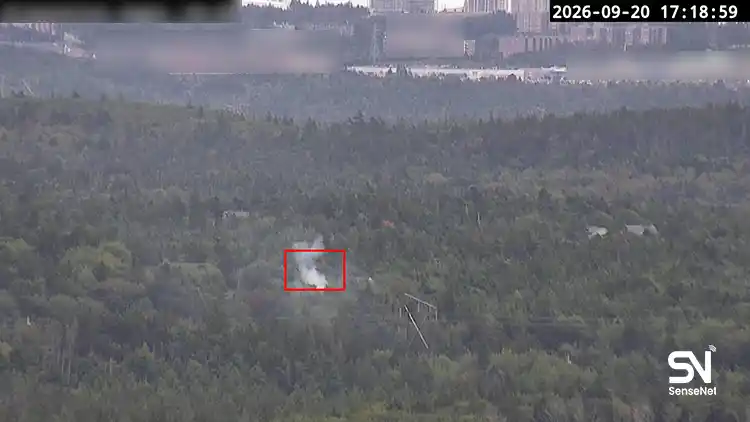
What Causes Wildfires?
Wildfires are not simply the result of a single lightning strike or a discarded cigarette butt. A complex set of factors contributes to both small and large-scale fires. Small-scale climate changes caused by the drying of wetlands, improper pruning and abandonment of dry branches, and even pollen from specific plants under certain heat conditions can all act as catalysts for fire.
While lightning and human error remain the most common causes of forest fires, we must not overlook these lesser-discussed factors.
In the following, we will take a journey into the hidden world of these fires and examine causes that go beyond the usual natural or human ones. Continue scrolling to read real experiences shared by our researchers, scientists, and technicians.
Local Climate Changes: A Threat Emerging from Drying Wetlands
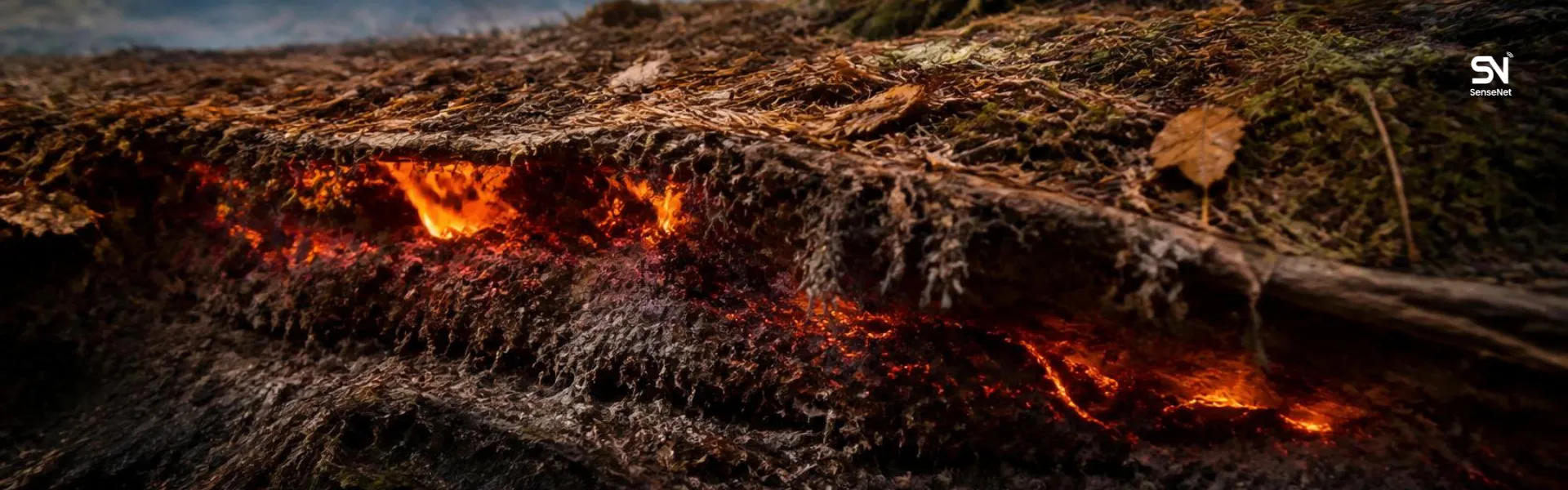
When discussing the impact of climate on wildfires, we often focus on rising global temperatures. However, a more subtle and localized phenomenon, the gradual drying of wetlands and seasonal springs deep within forests, has a direct and deadly effect. This change makes the forest extremely vulnerable at its lower layers. The ground, no longer retaining enough moisture to maintain thermal balance, acts like a gas stove, turning even the smallest spark into a raging fire. This is a serious warning sign that has been largely ignored.
The reality is that due to reduced rainfall, many wetlands and seasonal springs have dried up. One of the most important ways to combat this crisis is to pursue methods that increase precipitation and restore local water balance.

Improper Pruning and the Problem of Dry Branches
One common misconception is that cut and dried branches left on the forest floor are harmless. In many forestry projects and even local pruning by villagers, these branches are simply abandoned. (Fortunately, countries like Canada have specific programs for controlled pruning and prescribed burning of dry branches on the forest floor.) This accumulation of organic material turns into fuel bricks during the hot season. With the slightest spark or even the reflection of sunlight at a certain angle, they can ignite. This is a silent disaster created under the shadow of poor management of plant waste.
Pollen and Specific Leaves: The Unknown Catalyst
Recent research suggests that certain plant species release high amounts of volatile chemical compounds during their pollination season. In conditions of extreme heat and very low humidity, these fine airborne particles can act as a catalyst, lowering the ignition point of surrounding materials. In other words, on some particularly hot days, fire can start with far less energy than usual. This clearly demonstrates the direct role of vegetation type and its physiology in the occurrence of wildfires.
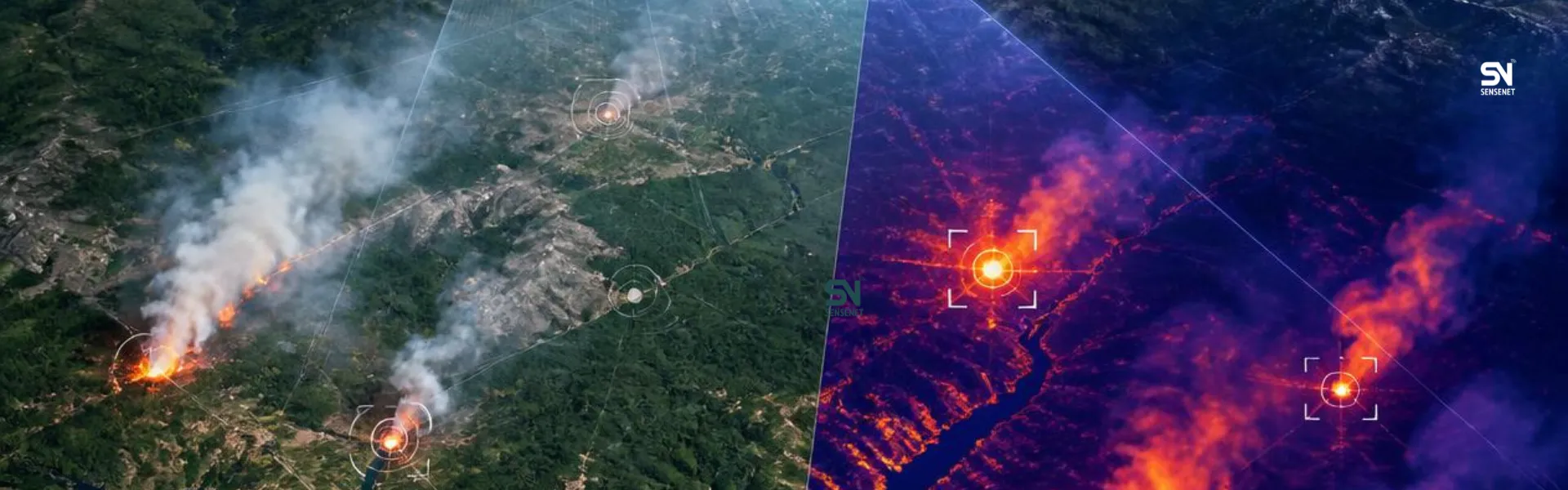
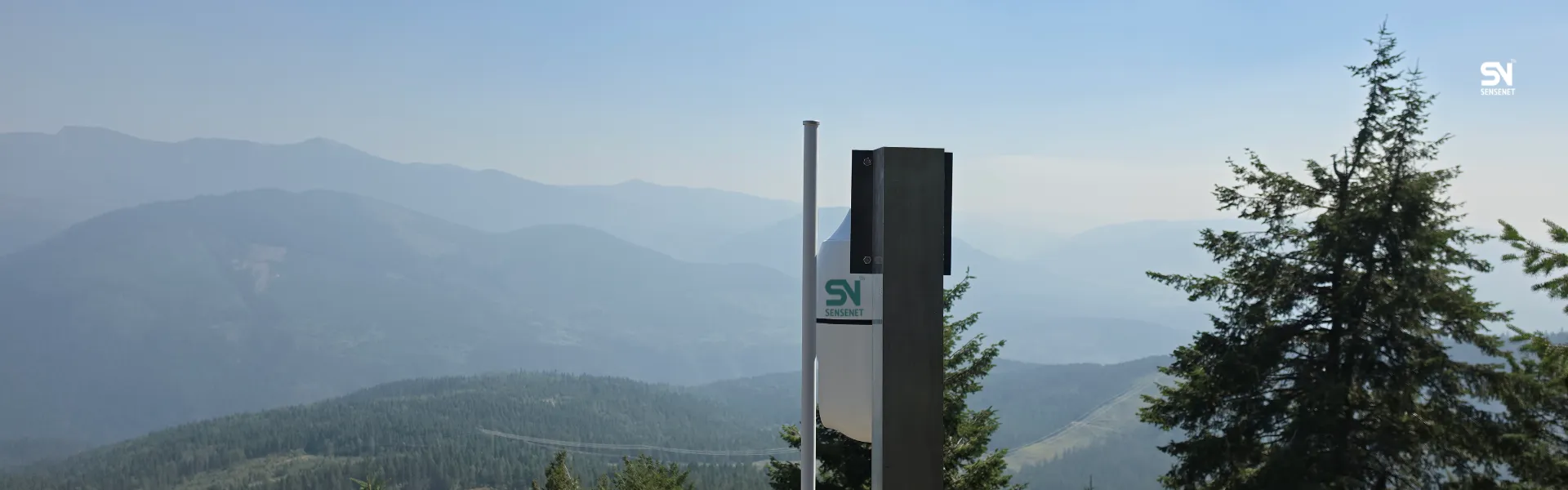
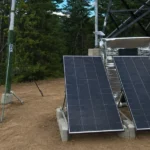
One of the initiatives at SenseNet is to provide the data we collect to researchers and scientists. Across all areas covered by our cameras and sensors, we gather valuable information on vegetation type, soil, water conditions, and more, data that can be extremely useful for ongoing scientific research.
This becomes particularly important when researchers study ecosystem changes after a fire. SenseNet’s data can provide a clear picture of conditions before, during, and after a wildfire.
Conclusion
Forest fires are a multidimensional threat. Confronting them requires a deeper understanding of their hidden causes. Focusing solely on human factors blinds us to the growing dangers of local climate changes, improper waste management, and overlooked natural phenomena. The future of our forests depends on recognizing these silent killers.

Frequently Asked Questions
What overlooked factors contribute to forest fires?
Small-scale climate changes such as the drying of inland forest wetlands, which make the ground far more flammable; the abandonment of dry branches from improper pruning that act as fuel on the forest floor; and the release of volatile chemical compounds from the pollen of certain plants, which may lower the ignition threshold.
Can flower pollen cause forest fires?
Yes. Under conditions of extreme heat and very low humidity, volatile chemical compounds in the pollen of certain plants can act as a catalyst, reducing the energy needed to start a fire and helping it spread.
How do climate changes cause forest fires?
Climate change is not just about rising temperatures. These changes lead to the drying of small water sources such as seasonal springs and wetlands inside forests. This dryness reduces soil moisture and makes the entire forest highly vulnerable to fire.
Why, despite billions spent on firefighting, do we see larger forest fires every year?
Because the dominant strategy is “suppression” rather than “root-cause prevention.” Funds are spent on airplanes and personnel to extinguish fires, while the main issue, the long-term accumulation of surface fuels (leaf litter, fallen trees, and dry shrubs) on the forest floor, remains unaddressed. We are not cleaning the forest; we are merely pushing the fire back so it returns stronger the following year. This is a structural management crisis, not a lack of equipment.
Can environmental protection activities themselves lead to larger fires?
Yes. One of the major taboos in this field is that complete prohibition of any extraction from forests (even controlled and scientific harvesting) has resulted in some of the densest and most degraded forests in history. Old and diseased trees that no longer grow absorb less carbon dioxide and become time bombs. A single spark can trigger a fire with ten times the intensity of a young, healthy forest. In some cases, extreme protection has itself become the cause of disaster.
What is the hidden relationship between building roads in forests and increased fire risk?
Forest roads (even small dirt roads) play three deadly roles:
• They enable the penetration of invasive plant species carried in on vehicle tires. These species often have high flammability.
• They alter local wind patterns (creating a tunnel effect), which, on hot days, makes fire behavior unpredictable and doubles its speed.
• They provide easy access for intentional arsonists. Official statistics show that more than 30% of major wildfires begin near a dirt road.
Reviewed & Written by Neda Khanifar
Content Manager
This article has been carefully developed using real-world wildfire adaptation case studies, practical experiences from recent wildfire management initiatives, and the latest scientific findings