Improving Wildfire Resilience
Relying solely on water-bombing aircraft, helicopters, and firefighting crews is no longer enough to combat wildfires. Many natural resource management experts believe that if action only begins once the flames have intensified, it is already too late to effectively contain the crisis.
The reality is that building resilience against wildfires must begin long before the first spark. Just look at the experiences of countries such as Canada, Portugal, Australia, and the United States. Their efforts to improve wildfire resilience have significantly reduced wildfire damage.
As a result, authorities are not only better prepared to face these crises, but firefighting operations can also be carried out more quickly and safely.
The important question is:
How can wildfire resilience be improved?
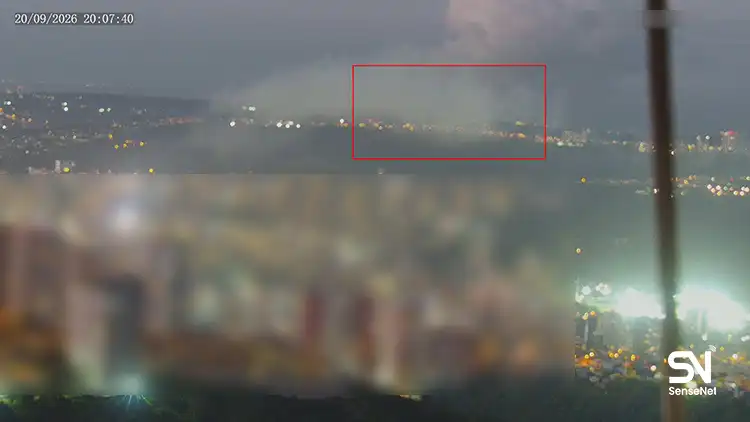
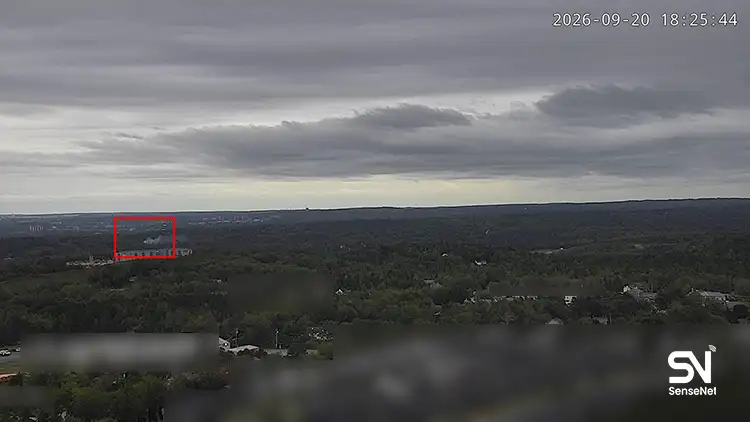
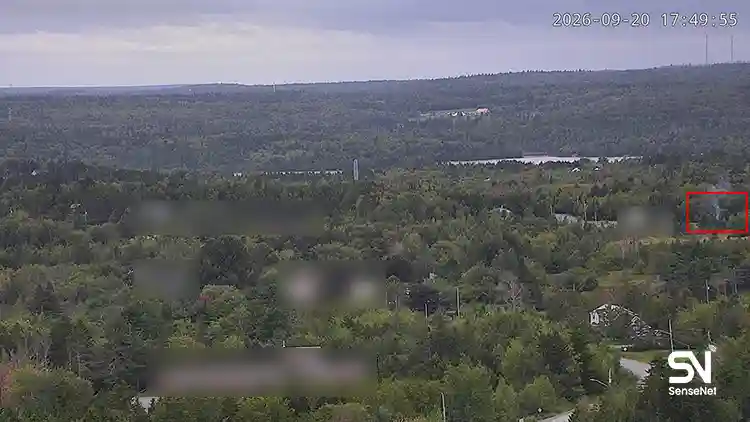
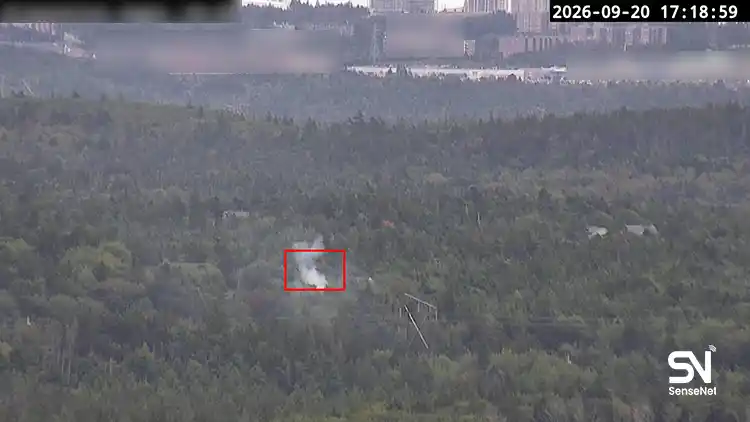
In this article, in addition to exploring scientific approaches, we also look at the experiences of people who have spent years on the front lines of forest protection, from technicians who install early wildfire detection systems to monitoring center operators and even firefighters who have repeatedly faced out-of-control wildfires. Keep scrolling to read more.
What Does Improving Wildfire Resilience Mean?
Some people assume that improving resilience means preventing wildfires altogether. In reality, that is almost impossible.
Improving resilience means creating conditions where, if a wildfire does occur:
- It spreads more slowly.
- More valuable trees survive.
- Emergency responders have more time to react.
- The ecosystem recovers more quickly.
- Damage to surrounding communities is reduced.
In other words, the goal is to manage fire behavior, not eliminate fire entirely from the natural cycle.
Why Do Some Forests Withstand Wildfires Better Than Others?
The answer goes beyond tree species alone.
Forests that are managed consistently usually share several characteristics:
- Excess vegetation fuel is properly managed.
- The forest structure is well balanced.
- Suitable access routes are available.
- Continuous monitoring is in place.
- Local communities are well trained.
What’s interesting is that none of these factors is sufficient on its own. It is their combination that makes the difference.
Five Actions That Have the Greatest Impact on Wildfire Resilience
1. Vegetation Fuel Management
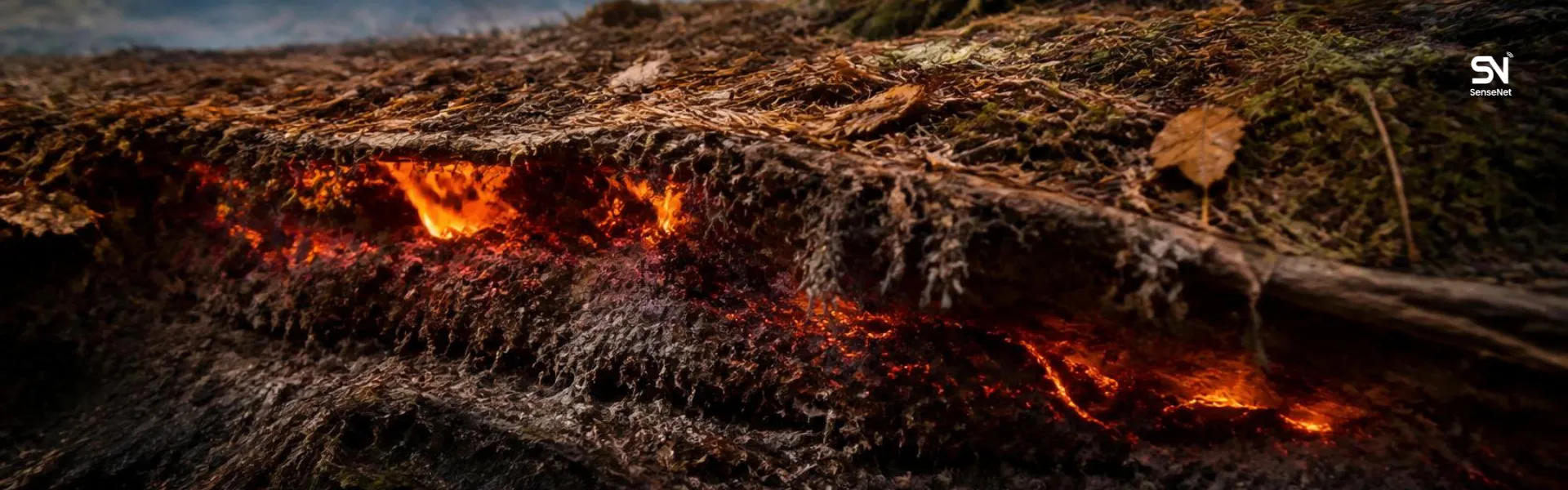
Dry branches, dense shrubs, and fallen trees are the primary fuel that feeds wildfires.
Targeted removal of these fuels can significantly reduce fire intensity.
In California, areas where fuel reduction programs had been carried out before wildfire seasons experienced considerably less damage in many cases.
2. Continuous Monitoring, Not Seasonal Monitoring
One common misconception is that forests only need monitoring during the summer.
In reality, many management decisions must be made months in advance.
For example, all of the following activities should be completed before wildfire season begins:
- Inspecting the condition of surveillance cameras
- Testing communication systems
- Assessing vegetation conditions
- Identifying blind spots
However, there are also many misconceptions about what effective monitoring actually involves.
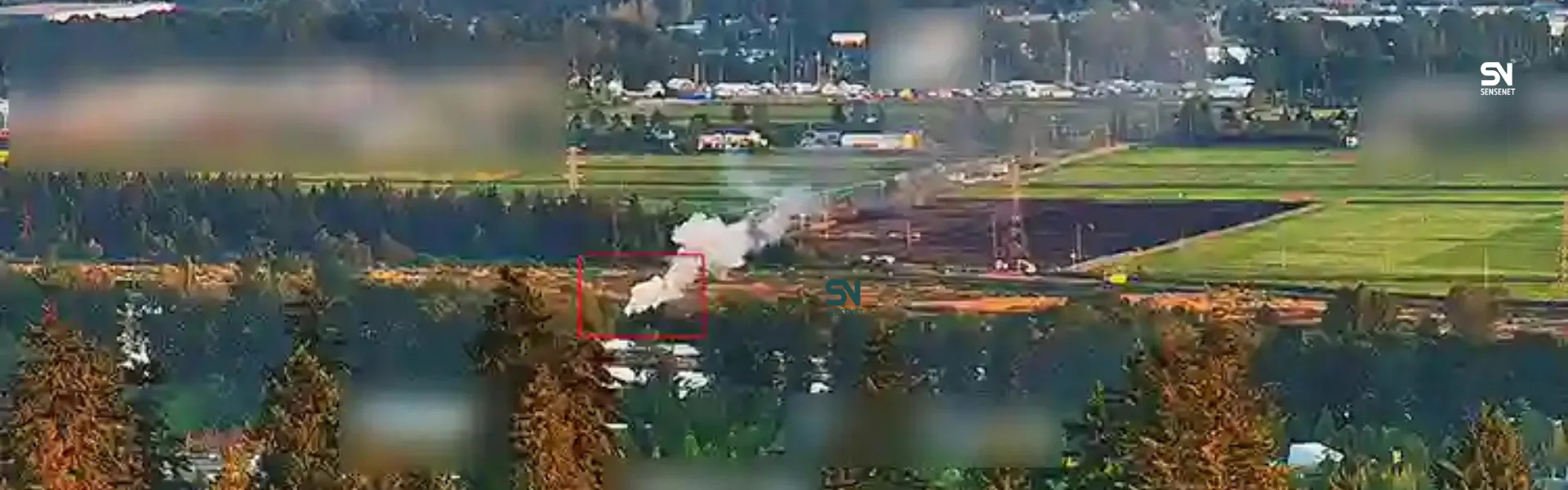
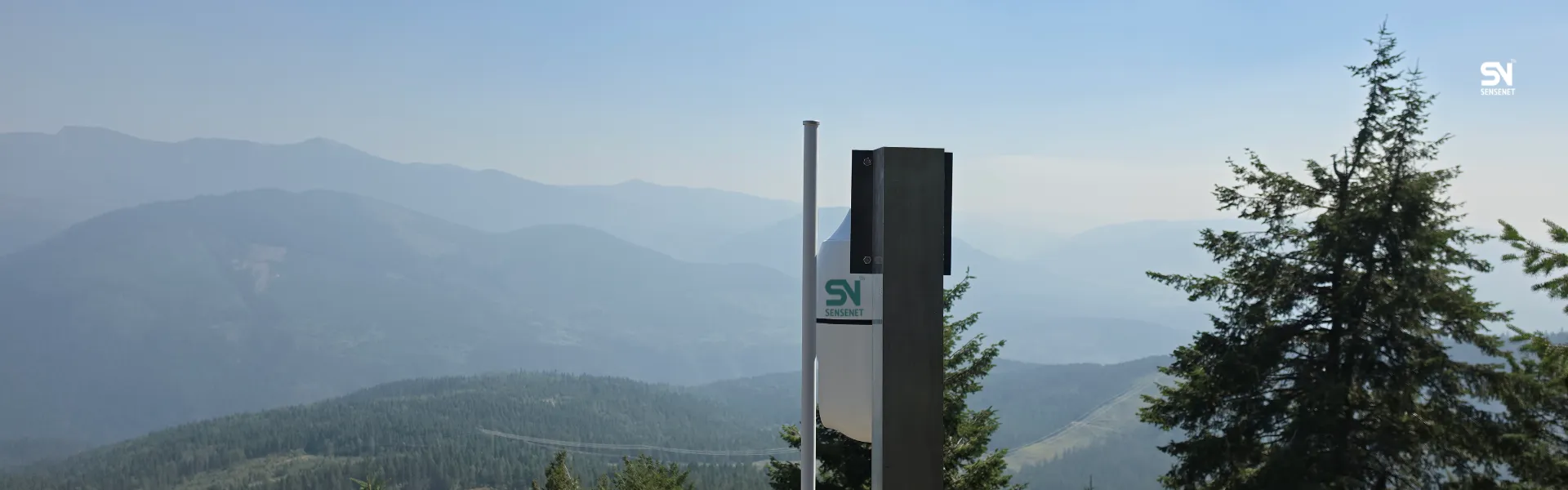
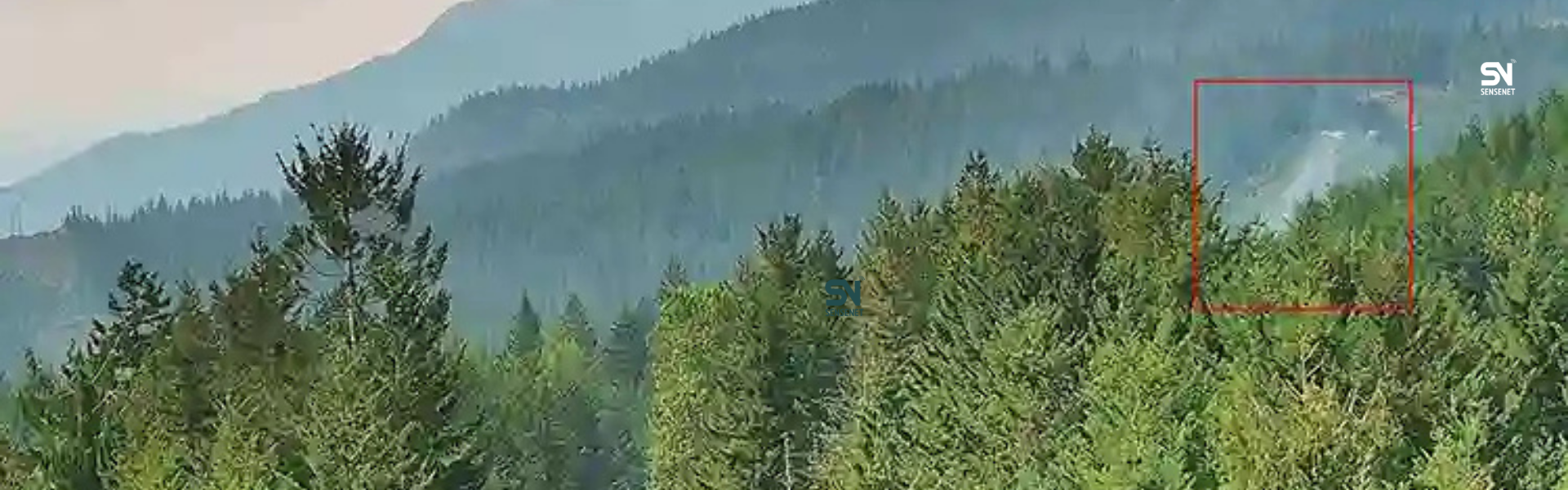
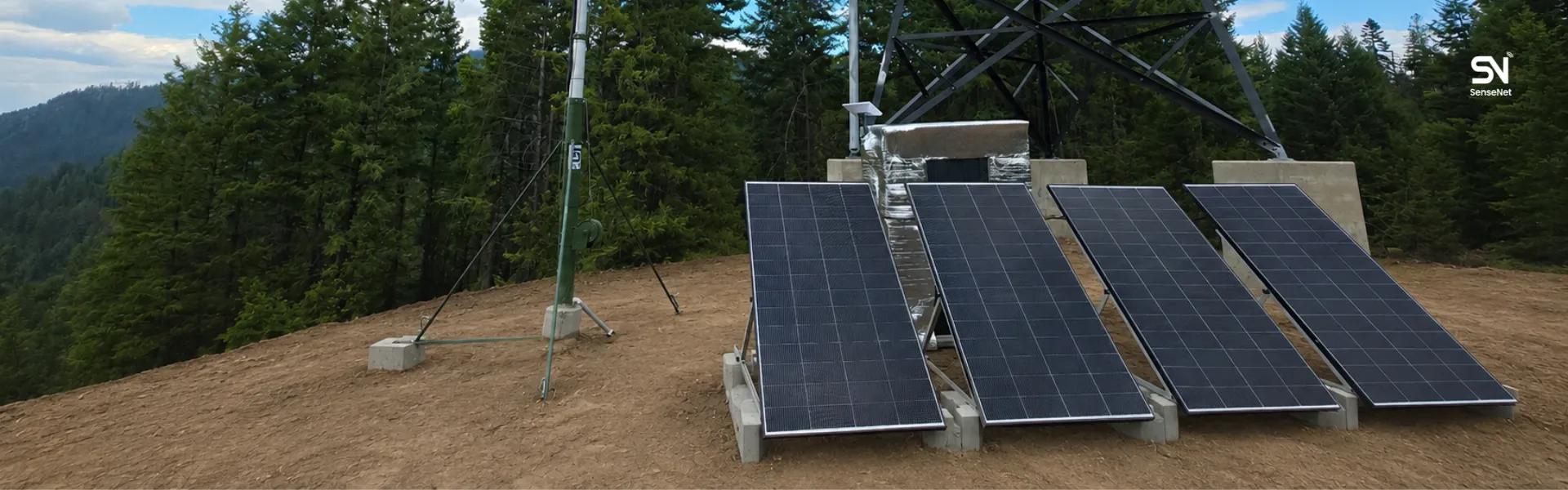
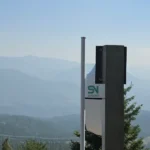
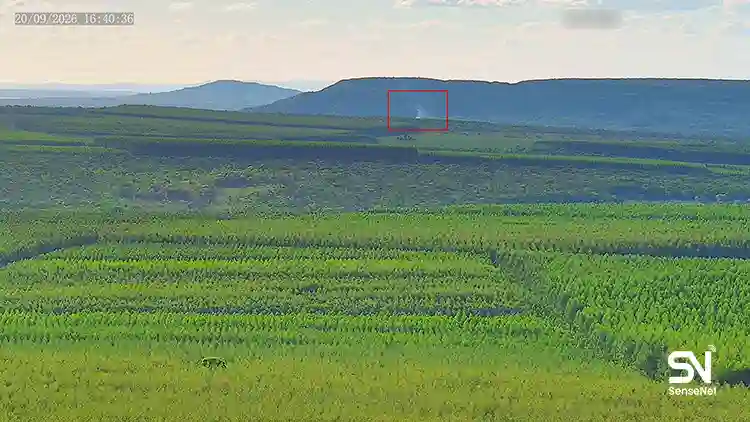
For example, when people see a wildfire detection camera installed on a tower or mountaintop, they usually assume that the most important factor is its detection range.
But the experience of installation teams tells a different story.
In many projects, the first location selected for installing a camera has been changed after only a few days of evaluation.
Why?
Because very simple factors can affect the system’s performance:
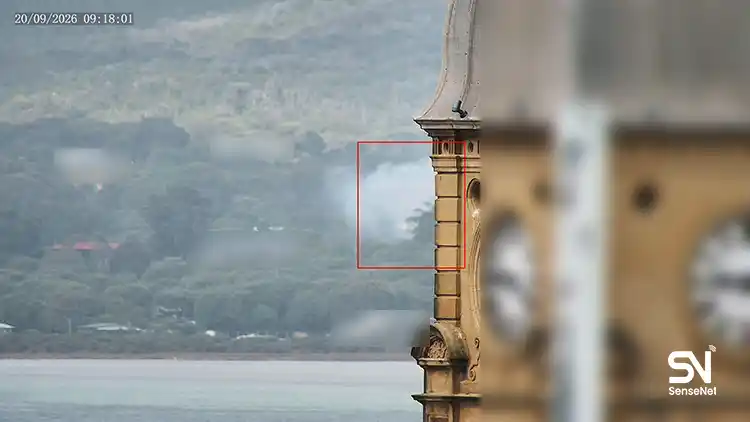
- Morning fog passing through a valley every day
- Direct sunlight during certain hours
- Trees that grow over the years and eventually block part of the camera’s field of view
- Dust coming from nearby dirt roads
3. Using Artificial Intelligence
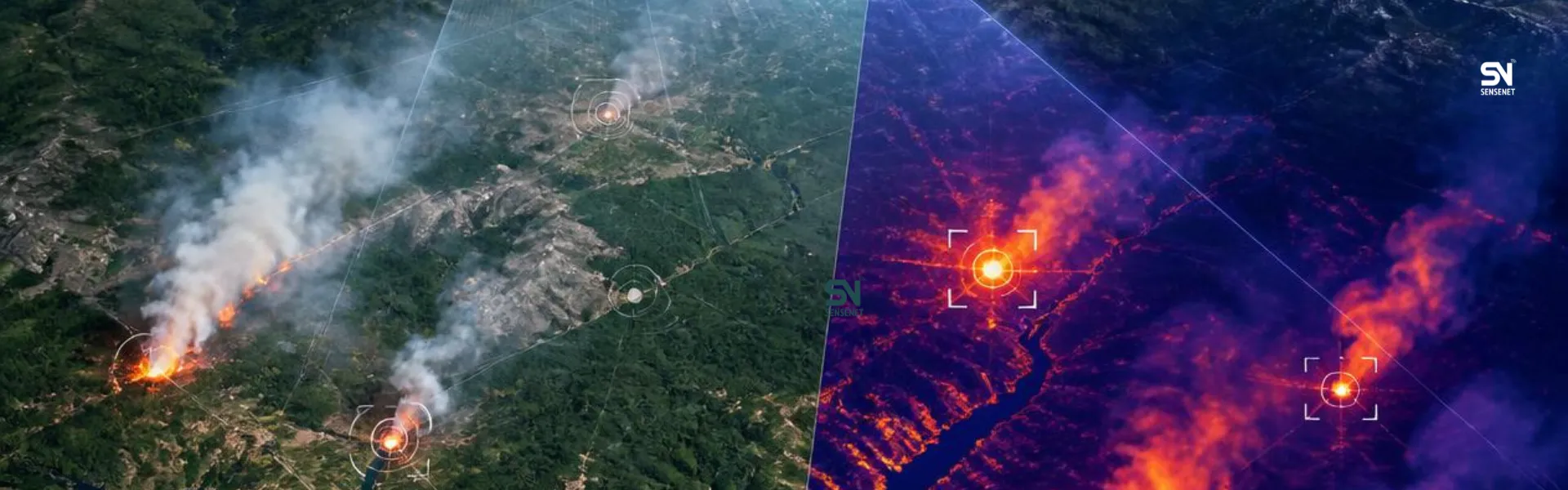
Artificial intelligence is not used only for smoke detection.
Today, AI is also used for:
- Predicting high-risk areas
- Analyzing weather patterns
- Reducing false alarms
- Prioritizing alerts
4. Educating Local Communities
In almost every successful wildfire management project around the world, local communities have been part of the solution.
In many regions, the first report of smoke was submitted not by a camera, but by a local resident.
The better the public is educated, the greater the chance of a rapid response.
5. Making Decisions Based on Real Data
One of the biggest differences between modern forest management and traditional approaches lies here.
Today, forest managers rely on satellite data, humidity levels, wind speed, camera imagery, and predictive models.
Decisions based on real data generally result in lower costs and greater effectiveness.
A Mistake That Many Projects Make
Some projects assume that once the equipment has been installed, the job is done.
In reality, the equipment itself also requires regular maintenance.
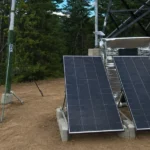
Based on the experience of the SenseNet technical team, there have been cases where something as simple as a dirty camera lens or a slight change in the camera’s angle reduced monitoring quality.
That is why routine inspections are considered an essential part of any early wildfire detection system.
Conclusion
Improving Wildfire Resilience is not limited to a single technology or a single organization.
It becomes possible only when scientific management, continuous monitoring, technology, community participation, and field experience work together.
Perhaps the most important lesson learned from the experiences of technicians, monitoring operators, and firefighters is this:
Every minute gained before a wildfire spreads can change the fate of an entire forest.
That is why the future of wildfire management is no longer defined solely by extinguishing flames, but by building forests that are better prepared to withstand fire from the very beginning.
Frequently Asked Questions
1. Are there forests that are naturally more resistant to wildfires?
Yes. Some forest species have adapted to fire over thousands of years. For example, certain pine and eucalyptus species have thicker bark or are capable of regenerating more quickly after a wildfire. However, this does not mean they are immune to fire, it simply means they have a better chance of surviving it.
2. Can heavy rainfall make a forest resistant to wildfires?
No. Rainfall is only a temporary factor. If abundant vegetation grows after heavy rain and later dries out during the hot season, that vegetation can become fuel for future wildfires. This is why vegetation management is more important than rainfall itself.
3. Why do some wildfires remain uncontrollable even with advanced equipment?
When wind speed, temperature, and the amount of available vegetation fuel exceed certain limits, even the most advanced equipment can only reduce the damage rather than stop the wildfire immediately. This is why today’s focus has shifted toward prevention and resilience.
4. Should new trees always be planted after every wildfire?
Not necessarily. In many forests, if the fire has not been extremely severe, the ecosystem can regenerate naturally. The decision to reforest should always be based on expert assessments and the specific conditions of each location.
5. Is removing all dead trees the right approach?
No. Some dead trees provide important habitats for birds, insects, and other wildlife. The goal of forest management is to remove hazardous fuels selectively, not to completely clear forests of every dead tree.
6. Will artificial intelligence replace humans in wildfire management?
No. Artificial intelligence increases the speed of data analysis, but final decisions are still made by experts, monitoring operators, and emergency managers. In practice, the best results are achieved when human experience and technology work together.
7. When can a forest truly be considered resilient to wildfires?
A forest can be considered resilient when, after a wildfire, most of its valuable trees, soil, biodiversity, and ecosystem functions remain intact, allowing it to recover without long-term damage. In other words, the true measure of resilience is the quality of recovery after a wildfire, not simply whether the forest burned or not.
8. Is investing in wildfire resilience less expensive than wildfire suppression?
Many international projects have shown that, over the long term, preventive measures such as vegetation fuel management, intelligent monitoring systems, and community education cost significantly less than wildfire suppression, forest restoration, and recovering environmental and economic losses. This is why many countries now invest more in prevention than in response.
Reviewed & Written by Neda Khanifar
Content Manager
This article has been carefully developed using real-world wildfire adaptation case studies, practical experiences from recent wildfire management initiatives, and the latest scientific findings