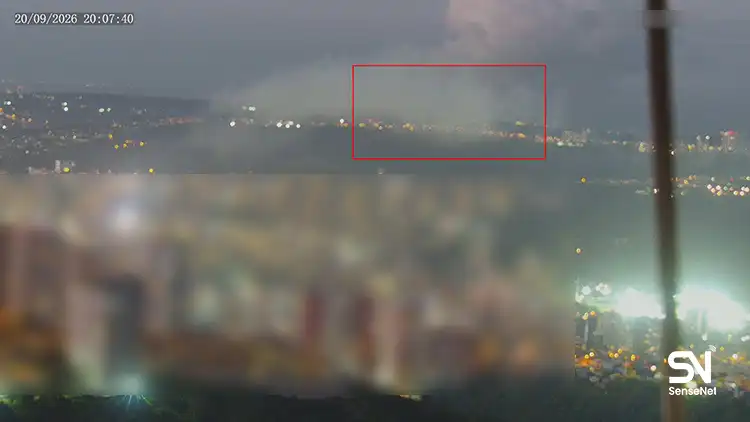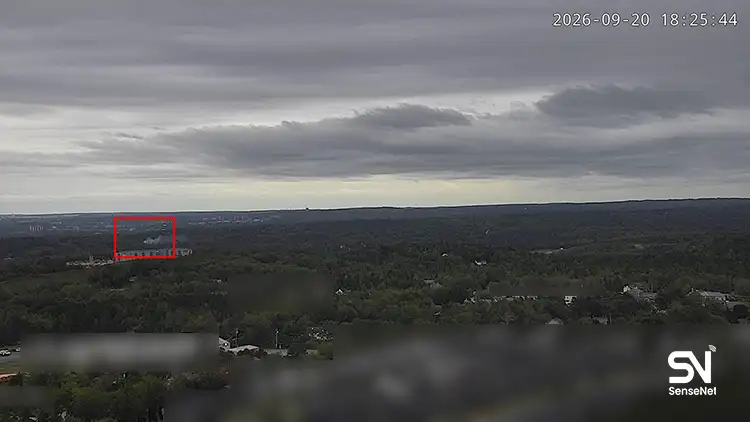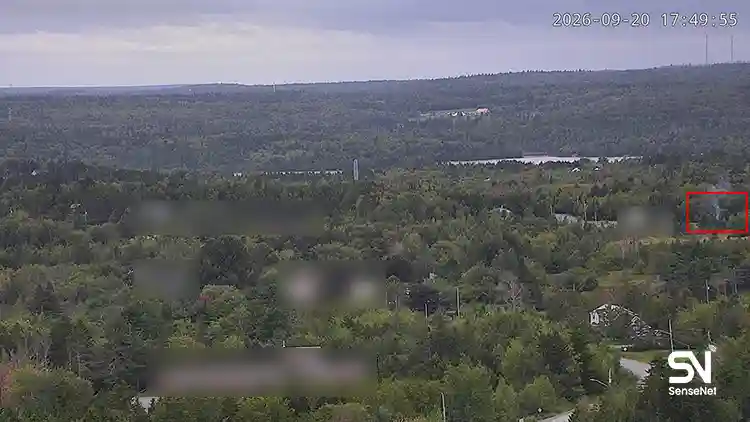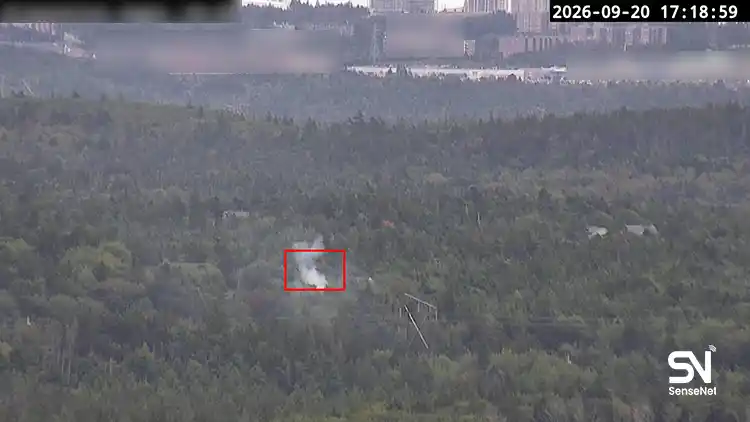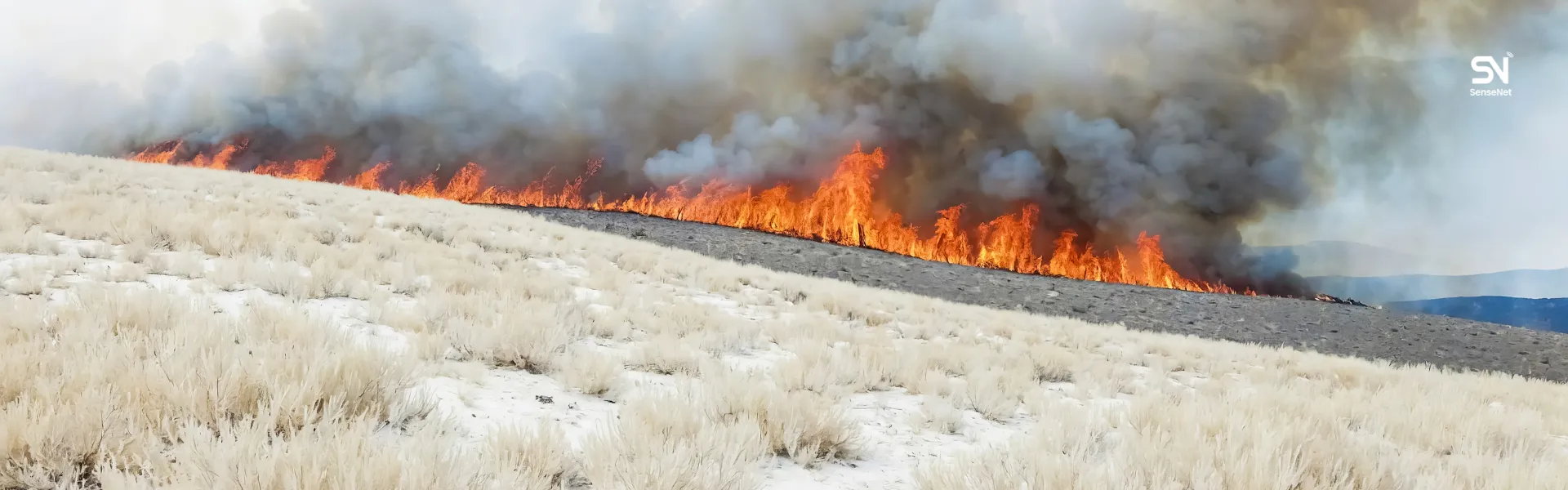
prescribed burning
Over the past several years, an important question has emerged in the field of natural resource management:
If we put out every fire for decades, could we unintentionally be setting the stage for something much worse?
In many regions, the answer is yes.
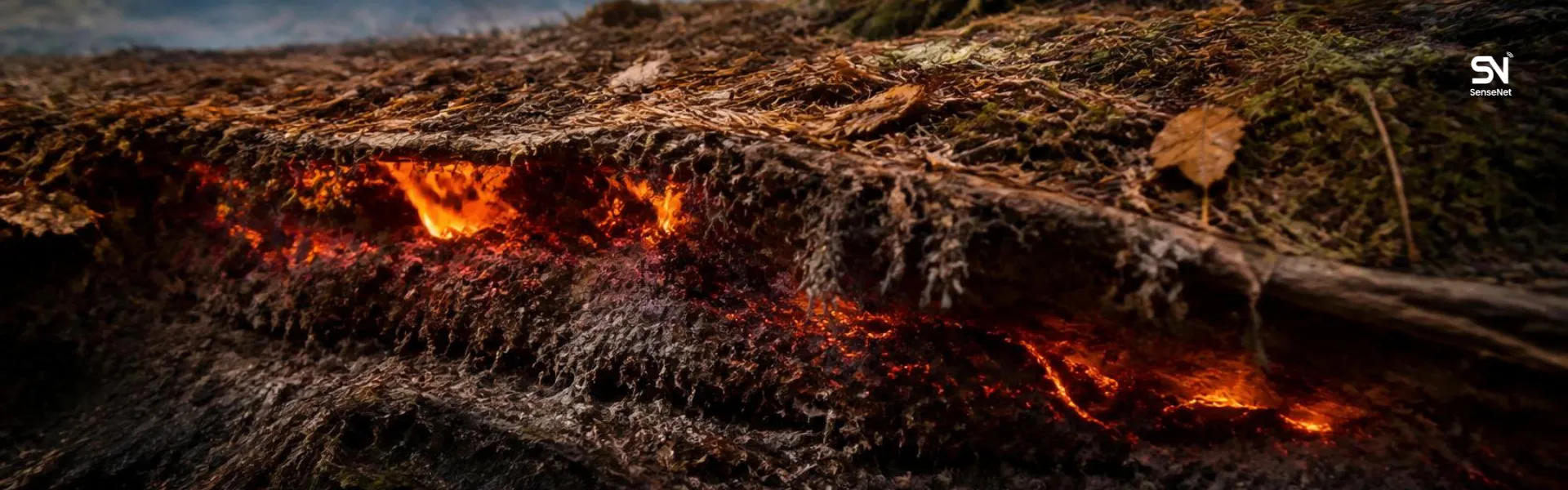
In certain forests, fire is a natural part of the ecological cycle. When small, low-intensity fires are excluded from an ecosystem for long periods, vegetative fuels like dry leaves, branches, brush, and fallen trees gradually accumulate. In such conditions, a single spark at the wrong time can explode into an incredibly intense blaze.
This is where the concept of prescribed burning or prescribed fire, comes in: a method of using controlled fires to manage forests more effectively. But don’t think for a moment that this is simple, or that you can just burn a patch of forest and be done with it.
In reality, prescribed burning is one of the most complex tools in fire management. A controlled burn has to happen at the right time, in the right place, under the right weather conditions, all while managing the risks to people, the environment, and infrastructure.
In this article, we’ll explore what prescribed burning actually is, how it’s carried out, when it’s effective, what risks it carries, and most importantly why the growing experience of fire managers, firefighters, and researchers shows that success isn’t just about “burning.”
What Is Prescribed Burning?
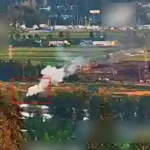
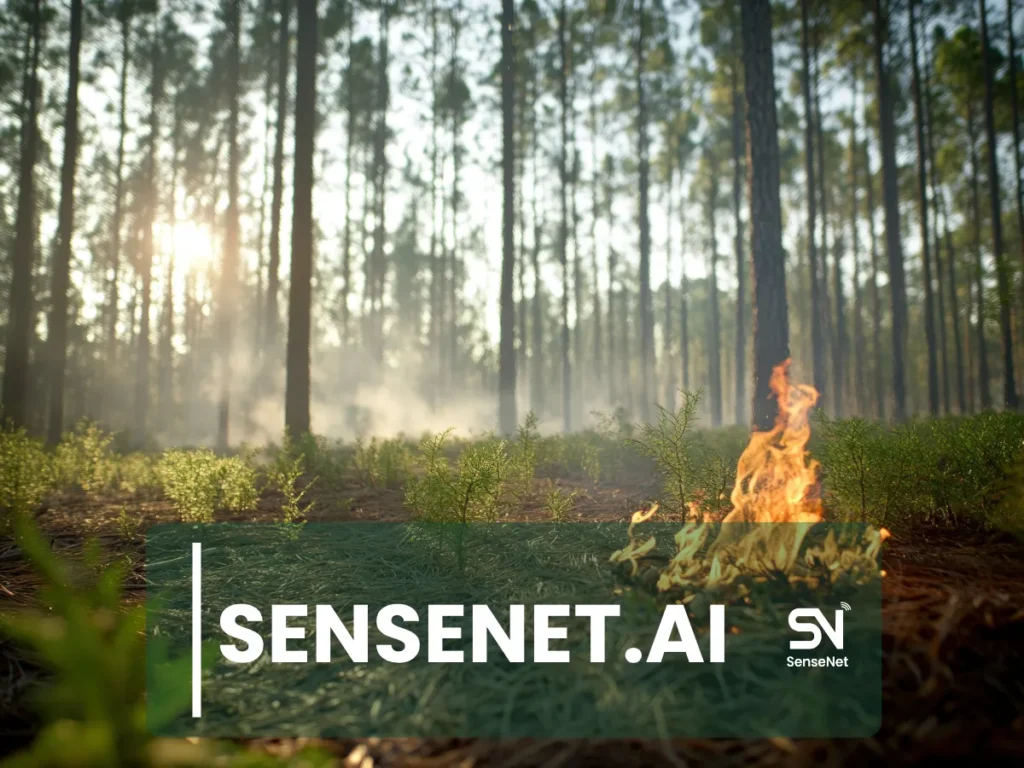
Prescribed burning means carrying out a planned fire under controlled conditions, with specific management objectives in mind.
These objectives can include:
- Reducing flammable vegetative fuels
- Lowering the likelihood of extremely severe wildfires
- Restoring the natural role of fire in the ecosystem
- Preserving or restoring certain habitats
- Helping manage vegetation
- Creating conditions that make future fire suppression efforts easier
The key difference between prescribed burning and wildfire is that with prescribed fire, managers know in advance why, where, and under what conditions they’re going to ignite the fire and they’re prepared to control it.
That doesn’t mean prescribed burning is risk-free. Setting fire to a forest is always dangerous.
Prescribed burning requires careful planning, weather assessment, fuel evaluation, and the design of control lines.
The U.S. Forest Service views prescribed fire as a tool for reducing wildfire risk and restoring appropriate ecological conditions, emphasizing that these operations should be planned with the goal of reducing environmental, economic, and health risks from fire and smoke.
Why Can Controlled Fire Prevent Large Wildfires?
When a forest hasn’t experienced a natural fire in a long time, there’s an abundance of dry fuel on the forest floor. Dead leaves have piled up, branches of all sizes are scattered around, vegetation density has increased, and young trees have grown up beneath the canopy of older ones, creating a perfect opportunity for a catastrophic fire.
Under these conditions, fire no longer just moves along the ground. It can climb from the surface layer into shrubs and then leap into the tree canopy.
That’s exactly what fire managers are trying to prevent.
Prescribed burning can reduce some of this fuel before a major wildfire occurs. The goal isn’t to stop all fires from ever happening, it’s to ensure that if a fire does occur, its behavior will be manageable.
Recent research supports this approach. A 2025 study on a massive wildfire in the southwestern United States examined the role of prescribed fire, managed fuel burns, and previous wildfires in reducing fire intensity and the results suggest these treatments were genuinely effective.
Does Every Forest Need Prescribed Burning?
No.
Prescribed fire isn’t a one-size-fits-all solution for every forest on Earth.
Vegetation type, climate, slope steepness, dryness levels, proximity to populated areas, and even forest management goals, all of these determine whether this method is appropriate.
In some areas, mechanical fuel reduction might be a better fit. In others, managed grazing, vegetation removal, or a combination of methods may work better.
Even where prescribed burning is suitable, it may need to be repeated periodically.
New data from GlobalRx, released in 2025, compiled over 204,000 prescribed fire records from 1979 to 2023 across 16 countries and 209 ecological regions. This dataset shows that suitable conditions for prescribed burning are heavily dependent on factors like temperature, relative humidity, and wind speed—and you can’t apply the same formula everywhere.
The Right Timing: Burn Windows
You might think that prescribed burns can be done whenever forest managers decide to do them, but the reality is quite different.
To carry out a prescribed burn, you need an appropriate burn window.
During this window, conditions must be such that the fire:
- Doesn’t spread too quickly
- Doesn’t become too intense to control
- Doesn’t push excessive smoke into populated areas
- Can be contained
At the same time, the fire has to be hot enough to achieve its management objectives. This is where field experience becomes critical.
Firefighters and fire specialists don’t just look at the day’s humidity. Fuel moisture, wind speed and direction, temperature, vegetation conditions, and even the forecast for the coming days all factor into the decision.
Sometimes There Aren’t Enough Firefighters for Prescribed Burns
This might be one of the strangest challenges in prescribed burning.
To carry out a controlled burn, you need trained personnel. But those same people may be busy fighting actual wildfires during the same season.
A 2025 study on Washington’s Okanogan-Wenatchee National Forest examined exactly this issue. Researchers found that in the fall, a lack of available personnel was linked to a lower likelihood of prescribed burns being carried out. In other words, the more firefighters were occupied with wildfires, the less capacity there was for managed fires.
This is a significant paradox:
The bigger the wildfires get, the less ability we may have to take preventive action.
That’s why increasing the number of trained personnel is part of the solution, though modern equipment can also reduce the need for human labor to some extent.
In 2025, the USDA Forest Service published a report on research activities at the Silas Little Experimental Forest, where forestry technician Nicole Bendixen is studying the effects of prescribed fire on trees and arriving at some interesting findings.
The importance of this kind of work is that evaluating the success of prescribed fire isn’t just about watching flames.
After the fire, specialists need to assess:
- How much fuel was actually reduced?
- Which trees were damaged?
- Did forest structure change?
- Did the fire achieve its management objectives?
In other words, the job isn’t over when the flames go out. A crucial part of the work is measuring the outcome.
A New Approach: Using Previous Wildfires to Reduce Future Risk
One of the most interesting new ideas in fire management is not viewing every wildfire purely as a disaster.
Some fires burn through parts of an area at low or moderate intensity, reducing fuel loads in the process.
A new paper from 2026 proposes an intriguing idea: under the right conditions, the burned edges of previous wildfires can be used as management opportunities, for example, by applying new treatments in adjacent forests or using prescribed fire to reinforce the resistance that has already been created.
This represents an important shift in fire management thinking:
Sometimes you don’t have to start from scratch. A previous fire can become part of the infrastructure for managing the next one.
Of course, this approach can only be implemented with a careful assessment of each area’s specific conditions, you can’t prescribe the same solution for every forest.
Is Prescribed Burning Always Successful?
No. And that needs to be said clearly.
Prescribed burning can reduce the risk of severe wildfire, but it cannot guarantee that the next wildfire will never pass through an area.
If a fire coincides with strong winds, extreme drought, and highly dangerous conditions, it may burn right through previously managed areas.
So the goal of prescribed burning isn’t to make a forest “fireproof.”
The goal is to keep fire intensity and behavior at a level where it’s more likely to be manageable.
Prescribed Burning and Technology: Why They Belong Together
Technology can make prescribed burning more precise and easier to evaluate. For example:
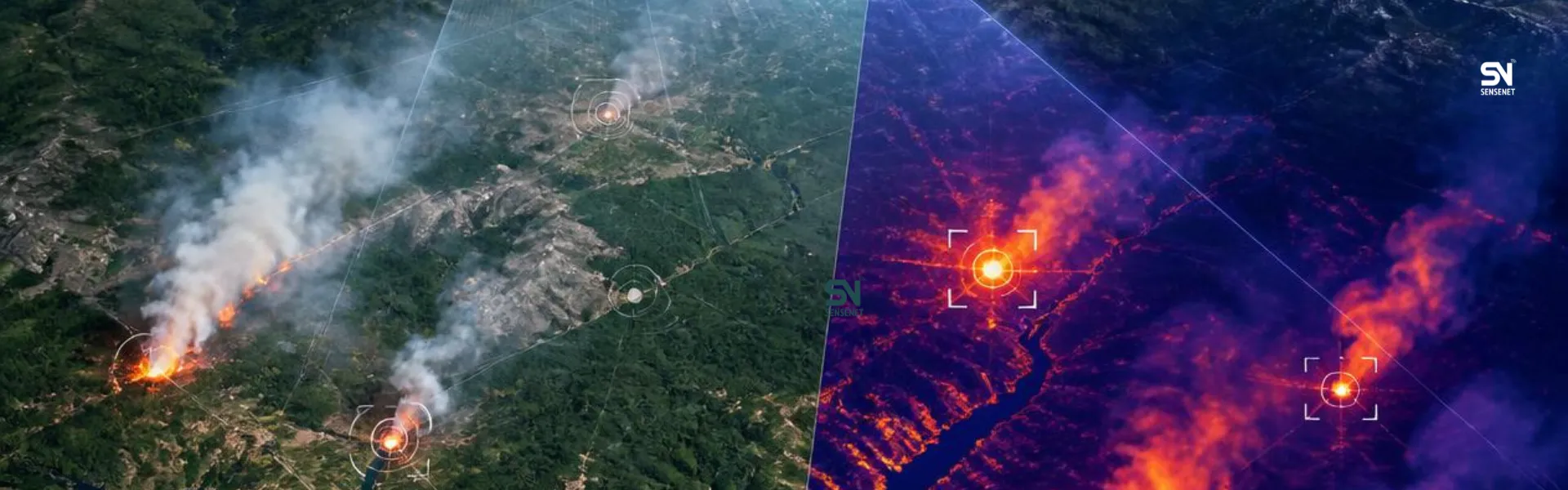
- Satellite imagery can reveal changes in vegetation
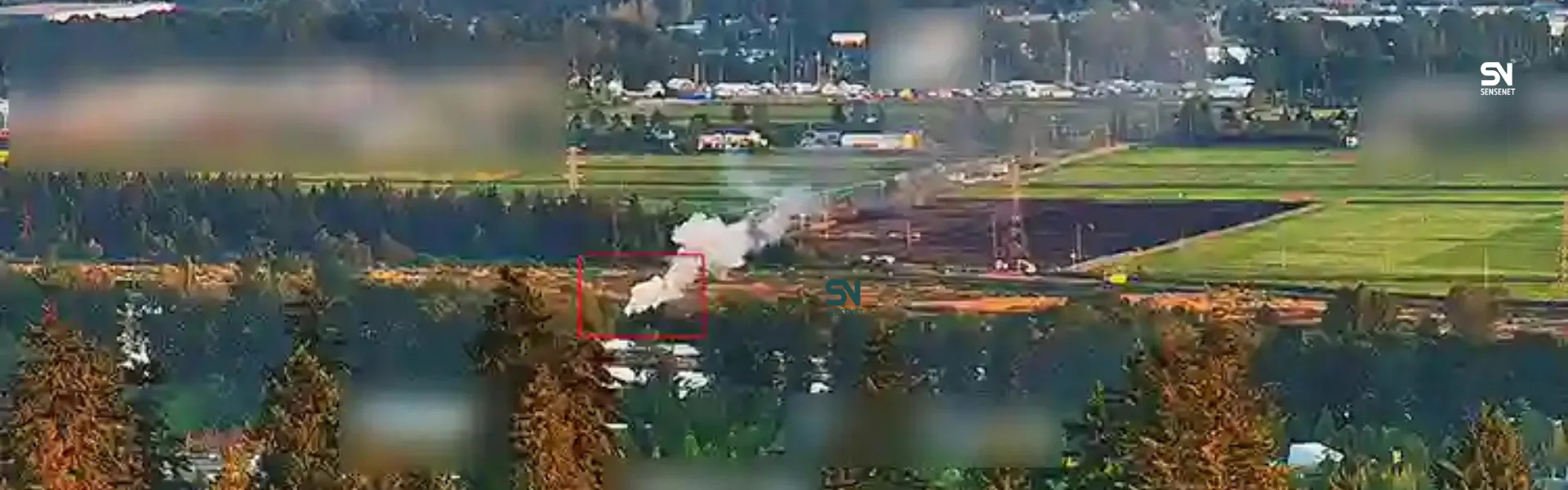
- Monitoring cameras can track conditions in managed areas
- Weather data can help identify suitable burn windows
- Predictive models can simulate potential fire behavior
- Artificial intelligence can analyze massive datasets to identify risk patterns
But here’s an important point: technology doesn’t replace field experience.
A system might say conditions are right for an operation, but a local specialist might know that the wind in that particular valley shifts direction every afternoon.
The best decisions happen when technological data and human experience are combined.
Why Isn’t Prescribed Burning Enough on Its Own?
You can’t save a forest with prescribed burning alone, a combination of approaches is needed.
In many areas, the best results come from mixing several methods:
- Prescribed burning
- Mechanical fuel treatment
- Targeted thinning
- Vegetation management
- Early detection monitoring
- Community education
- Evacuation planning
- Maintenance of fire suppression infrastructure
In Portugal, a 2025 study showed that even decisions about where to carry out fuel reduction matter enormously. When limited resources are spread evenly across regions, overall effectiveness may decrease. Prioritizing based on fire risk, likelihood of occurrence, and the exposure of buildings can make programs far more efficient.
So the main question isn’t just:
“How much prescribed burning should we do?”
But rather:
“Where should we do it to have the greatest impact?”
Common Mistakes in Prescribed Burning
1. Assuming that more intense fire means better results
The goal isn’t to create a small wildfire. The fire needs to be precisely matched to the management objective.
2. Carrying out operations without considering future conditions
Current conditions might look good, but a shift in wind or a sudden drop in humidity can change everything.
3. Ignoring smoke
Smoke isn’t just an environmental issue, it can affect public health and transportation. So it’s worth planning for smoke management before the burn.
4. Prescribed burning without a monitoring plan
If you don’t know what the operation achieved, you can’t tell whether the approach actually worked.
5. Thinking that one burn is enough
Ecosystems change, and dry fuel will accumulate again. Vegetation keeps growing. So this work needs to be done periodically.
Is Prescribed Burning Suitable for All Areas?
No. This method should be chosen based on ecosystem characteristics, climate conditions, vegetation type, proximity to populated areas, and the capacity of local crews to control and manage the fire.
In some areas, prescribed burning may be one of the best tools available.
In others, mechanical methods, grazing, vegetation management, or a combination of approaches may be more appropriate.
Summary
Prescribed burning might seem contradictory at first glance but the logic behind it is simple.
If fire is a natural part of an ecosystem, completely excluding it may cause fuel to accumulate and increase the risk of much more severe fires.
Prescribed burning is an attempt to manage that cycle.
But its success depends on many factors: understanding the ecosystem, choosing the right time, having trained personnel, assessing weather conditions, managing smoke, monitoring results, and combining it with other risk-reduction methods.
Recent experience shows that the future of prescribed burning isn’t just about “burning more.” It’s about burning smarter.
That means using data to choose the right locations, technology to assess conditions, firefighter experience to make decisions, and ongoing monitoring to understand whether operations have truly met their objectives.
Frequently Asked Questions About Prescribed Burning
1. Is prescribed burning the same as controlled burning?
More or less. But “prescribed burning” usually refers to a fire carried out according to a specific plan and management objectives. “Controlled burn” is a broader term that can refer to various types of managed fires.
2. Can controlled fire stop a megafire?
Not with certainty. But by reducing fuel and altering vegetation structure, it can reduce the intensity and spread of some fires and give suppression crews more of an opportunity to respond.
3. Why can’t prescribed burning be done in summer?
In many regions, summer is not a suitable window due to heat, dryness, and unfavorable wind conditions. That said, this depends on local climate and ecosystems there’s no universal rule.
4. Doesn’t prescribed burning cause air pollution?
Yes, it produces smoke and that’s one of the biggest challenges. That’s why timing and location must be chosen to minimize smoke impacts on public health and communities.
5. Can controlled fire harm animals?
It can. But intensity and timing matter. Proper planning can reduce harm, and in some ecosystems, it can even help maintain habitats that certain species depend on. Ecological impacts should always be assessed beforehand.
6. How often should prescribed burning be done?
There’s no fixed number for all forests. The interval depends on vegetation type, fuel accumulation rate, climate, and management goals. In some ecosystems, periodic burns are necessary.
7. Can satellite imagery be used to make decisions about prescribed burning?
Yes. Satellite images can provide information on vegetation, dryness, and ground surface changes. But they should usually be combined with local data and field assessments.
8. Why don’t all firefighters support prescribed burning?
Because it requires trained personnel, good timing, and sufficient resources and every operation carries risks. Recent research shows that staff shortages can limit prescribed burn programs, since the same crews may be needed for active wildfires.
9. Can prescribed burning escape and become a real wildfire?
Yes. If not properly planned or executed, there is a risk of unintended spread. That’s why this work must be done by trained individuals under specific protocols and conditions.
10. Does a forest become weaker after prescribed burning?
Not necessarily. The effect depends on fire intensity and ecosystem conditions. A low-intensity, targeted burn can reduce excess fuel but an inappropriate or intense burn can damage soil, vegetation, and biodiversity.
11. Is prescribed burning useful for reducing fire risk near homes?
It can be part of a broader risk-management program, but it’s not enough on its own. In wildland-urban interface areas, other measures like managing vegetation around buildings, structural hardening, and evacuation planning are also needed.
12. Why do some areas need ongoing management after prescribed burning?
Because vegetation fuel will regenerate and accumulate again. One successful burn doesn’t remove the risk forever. Managing forest resilience is usually an ongoing process.
13. Can we tell if prescribed burning was truly successful?
Yes but not just by looking at the burn’s appearance. You need to examine indicators like fuel reduction, changes in fire behavior during subsequent fires, tree health, soil condition, and ecological effects.
14. Can natural wildfire replace prescribed burning?
In some ecosystems, natural fire may play a similar role. But you can’t always rely on natural fire happening at the right time, place, or intensity. So managers sometimes use prescribed burning to create conditions that natural fire alone wouldn’t produce in time.
15. What’s the biggest difference between modern prescribed burning and older methods?
One major difference is the greater use of data and post-burn evaluation. Today, managers can use weather data, fire behavior models, satellite imagery, and simulation tools to decide where and when operations will be most effective. The new GlobalRx dataset also shows that conditions for prescribed fire vary widely across regions so there’s no one-size-fits-all prescription.
16. Can prescribed burning replace early detection systems?
No. they serve different purposes. Prescribed burning aims to reduce future fire risk and intensity. Early detection systems aim to spot fires as quickly as possible. Combining these approaches can create a stronger overall strategy: fuel reduction before a fire, plus rapid detection when one occurs.
17. Can an area that’s been burned with prescribed fire still burn again in a later wildfire?
Yes. Prescribed burning doesn’t make an area fireproof. But if done well, it can reduce the fuel available and therefore lower the intensity of a subsequent fire.
18. What’s the best measure of success for prescribed burning?
It’s not just about how much land was burned. A more important measure is whether the operation achieved its primary goal such as reducing future fire intensity, lowering hazardous fuels, maintaining ecosystem health, or improving community safety.