climate change wildfire risk
How Climate Change Affects Wildfire Risk?
Most of us think lightning strikes, human carelessness, farming equipment, or even a discarded cigarette butt cause massive wildfires. All of that is true, but we can’t ignore climate change.
The reality is that a single spark on its own doesn’t lead to catastrophic wildfires. There have to be other factors like drought and shifting weather patterns that fuel the fire.
Climate change has made many of the world’s forests hotter, drier, and more vulnerable. Vegetation holds less moisture, fire seasons are stretching longer, and conditions are such that a small blaze can quickly turn into an unstoppable inferno.
That’s why the main question today is no longer just “what started the fire?” but rather “why did the conditions allow a small fire to become a major, uncontrollable disaster?”
In this article, we’ll look at exactly how climate change increases wildfire risk, what recent experiences from different countries tell us, and why modern fire management is no longer just about putting out flames.
Does climate change itself cause wildfires?
One common mistake is thinking climate change directly sets forests on fire.
The reality is that climate change doesn’t usually create the spark, it creates the conditions for fire to ignite more easily and spread faster.
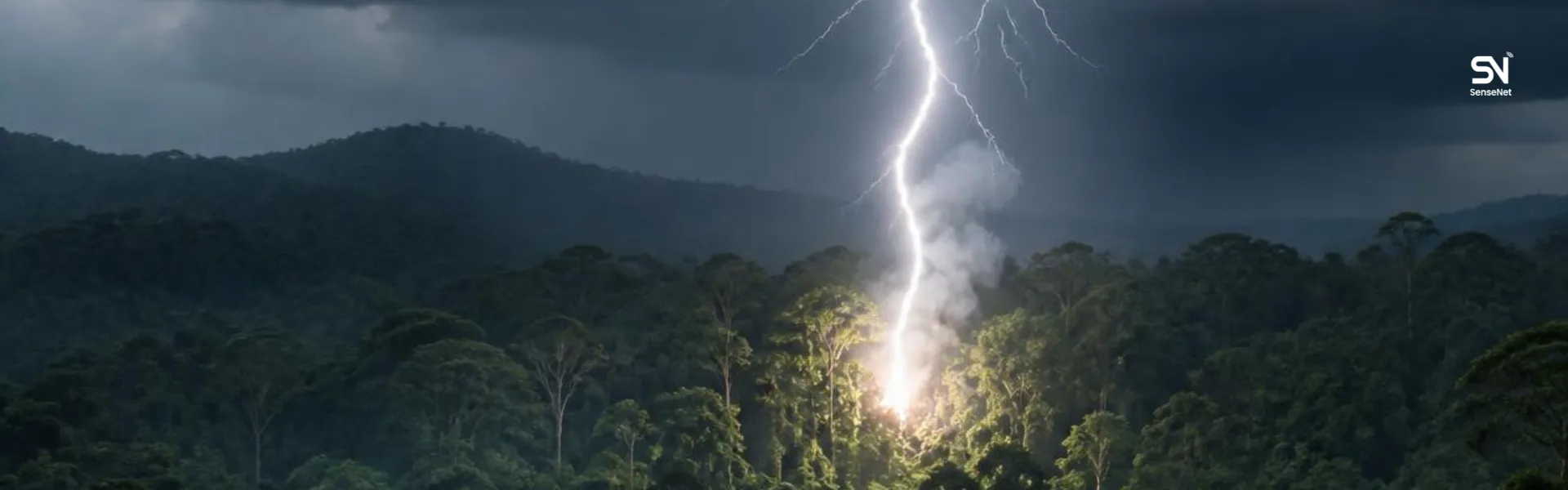
For example, a lightning strike in the past might have caused a small fire that burned out after a few hours or days. But if that same lightning strikes today in an area that’s been dealing with months of drought, high temperatures, and low humidity, the outcome can be completely different.
Climate change is like stacking a huge warehouse full of flammable material, it just needs a tiny spark to go up.
5 ways climate change increases wildfire risk
1. Rising temperatures: the first driver of changing fire behavior
Higher air temperatures are one of the most important effects of climate change on wildfires.
When temperatures rise:
- Moisture in the soil evaporates faster
- Plants dry out sooner
- Moisture in leaves and branches drops
- Fire spreads more quickly
But it’s not just about a few extra degrees.
The real issue is the growing number of days when conditions become extremely dangerous for fire. In many parts of the world, summers aren’t just hotter, they’re longer. That means forests stay dry and primed to burn for more of the year.
2. Drought: turning forests into ready fuel
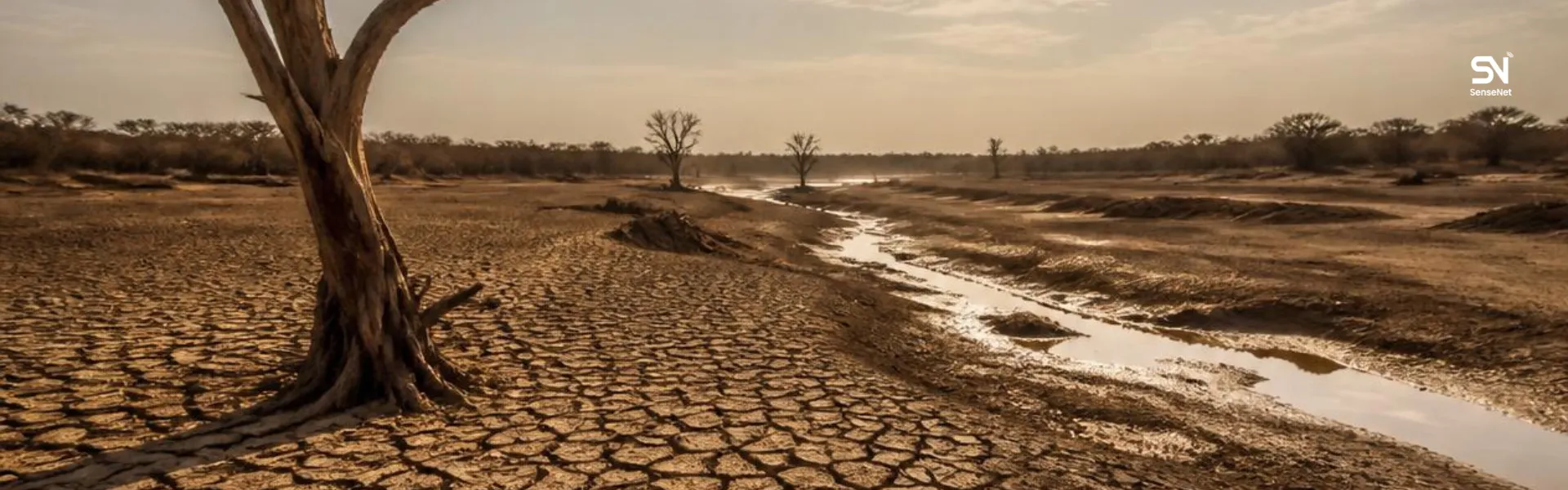
One of the biggest changes forest managers have noticed in recent years is the rise in prolonged drought periods.
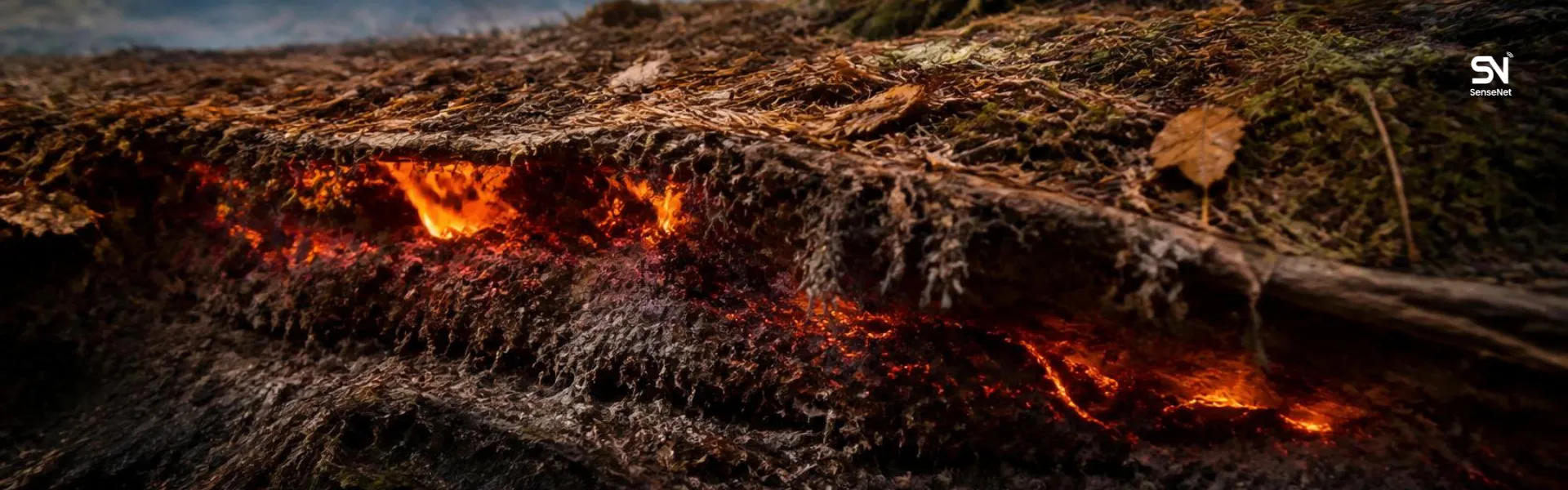
Under normal conditions, trees and vegetation hold some moisture. That moisture acts like a natural barrier against rapid fire spread.
But during droughts with little to no rain:
- Leaves get drier
- Dead branches pile up
- Ground-level plants ignite faster
- Soil holds less water
In these conditions, even a small fire has much more energy to spread.
Canada’s massive 2023 wildfires are a clear example. That year, parts of the country faced severe drought and unusually dry conditions, which caused fires to expand rapidly and even affect areas not typically considered high-risk.
For many firefighters, one of the biggest changes was that fire no longer behaved the way it used to. Flames moved faster, and predicting their path became much harder.
3. Longer fire seasons
In the past, many regions had a defined fire season, a few hot months of high risk, followed by rains that lowered the danger.
But today, in many parts of the world, those boundaries have shifted.
Some areas:
- Enter dangerous conditions earlier
- Exit them later
- Need more time to prepare
This creates a major problem for emergency management agencies. You can no longer just start gearing up a few weeks before fire season. Monitoring, equipment maintenance, crew training, and vegetation management have to continue year-round.
4. More fires from dry lightning
One of the less-talked-about effects of climate change is the increase in conditions where thunderstorms happen but bring little to no rain.
This creates what experts call “dry lightning.”
In these situations:
- Lightning can create sparks
- But there’s not enough rain to put out any resulting fire
- Dry vegetation catches quickly
In Canada and some northern regions, this type of fire ignition has become more significant in recent years.
5. Changing wind patterns and unpredictable fire behavior
Wind has always been a major factor in fire spread, but climate change can create conditions where wind patterns become stronger or harder to predict.
Wind:
- Feeds more oxygen to the flames
- Carries embers for kilometers
- Starts new fires far from the main blaze
One of the challenges firefighters have faced recently is something called “spot fire”, new fire fronts igniting far from the main flame. In these conditions, even if a team manages to control the main fire, multiple new hotspots can appear at the same time.
Chile’s experience: when drought and urban development create a crisis
The 2024 wildfires in Chile’s Valparaíso region were one of the most important recent examples.
These fires weren’t just about dry forests. A combination of factors came together:
- Long-term drought
- High temperatures
- Wind
- Expansion of residential areas near vegetation
One key lesson from this disaster was that fire management today isn’t just about forests anymore.
The areas where humans have built right next to nature, the wildland-urban interface, have become some of the most sensitive zones in the world.
In these areas, even if the forest is well-managed, the lack of evacuation plans, proper escape routes, and public education can multiply the damage.
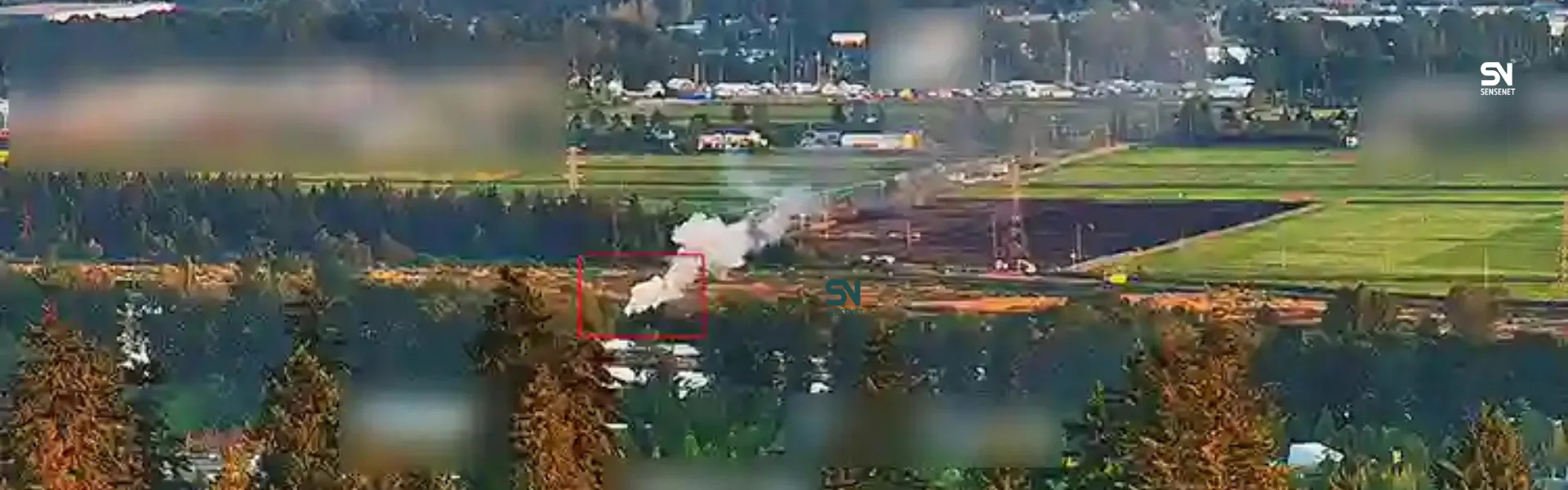
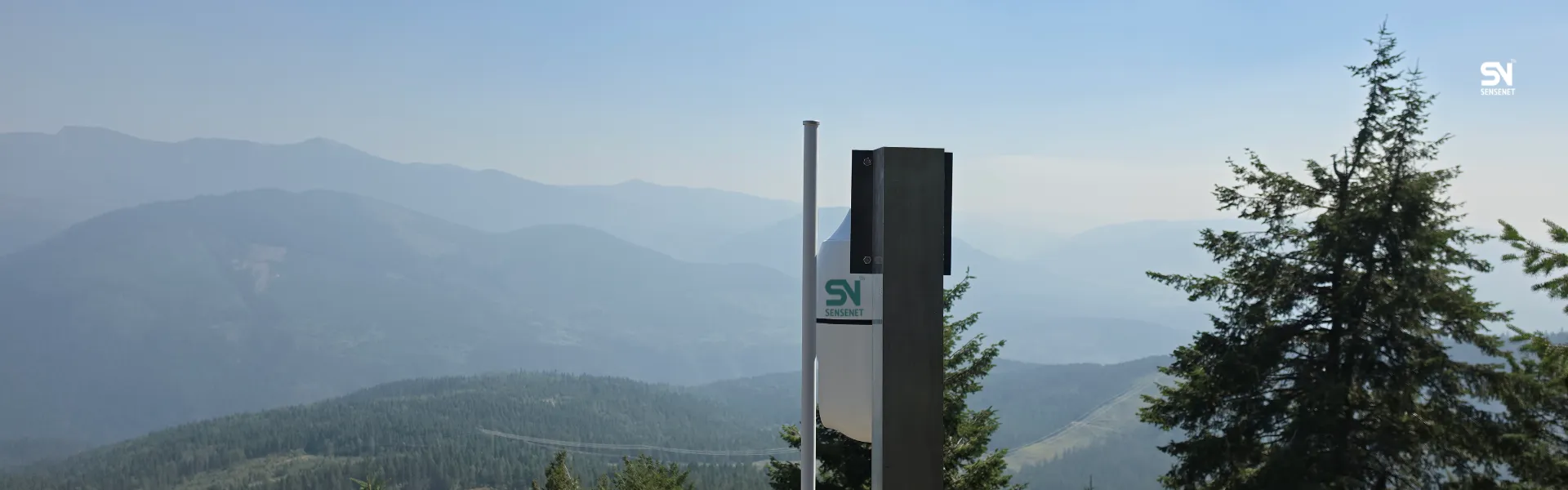
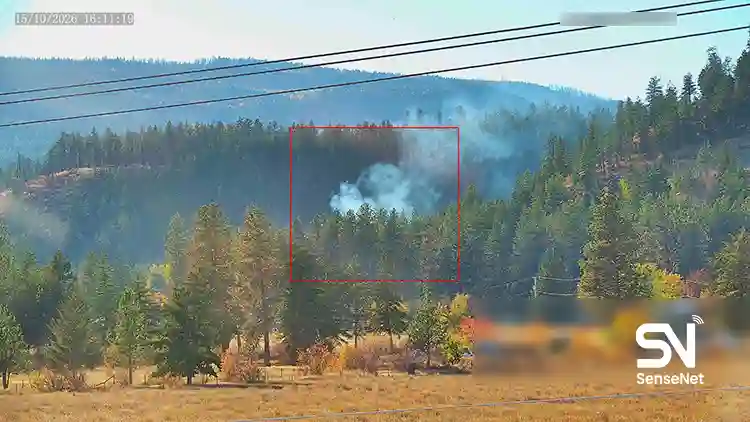
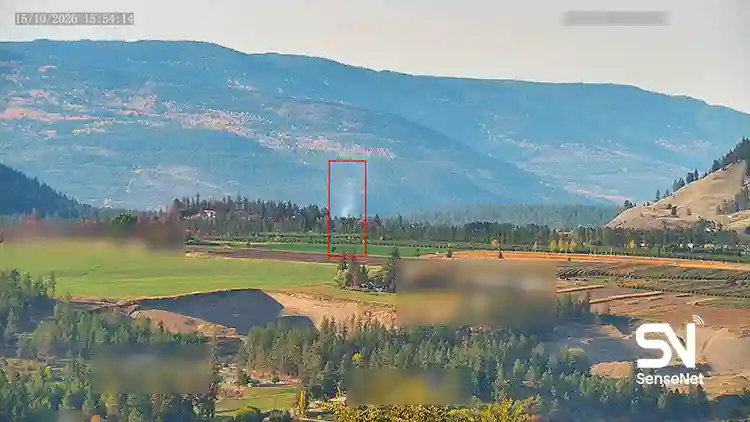
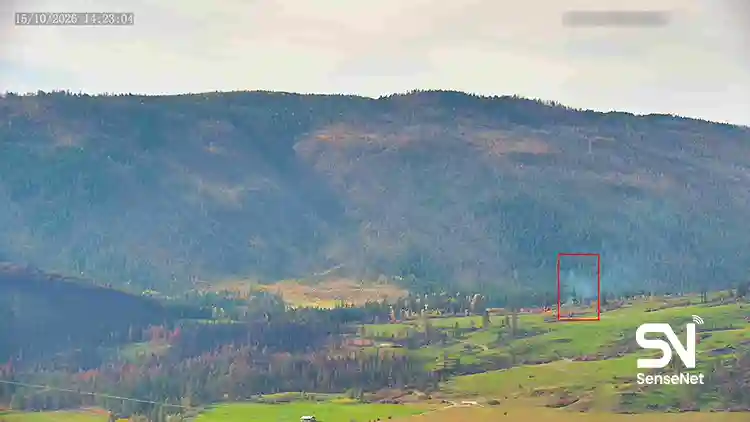
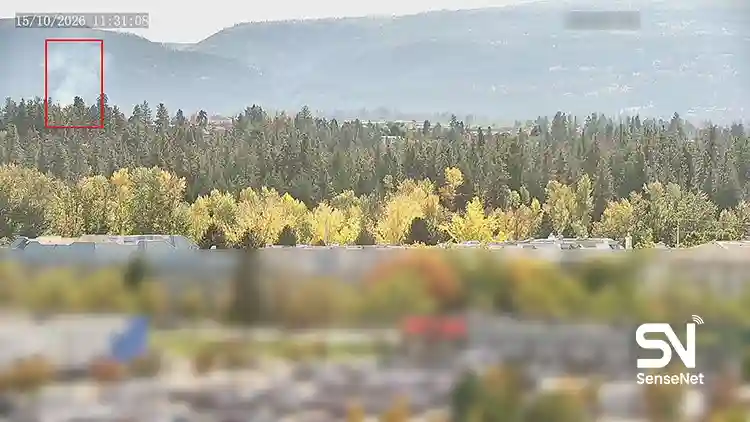
Currently, one of the fire detection systems, SenseNet, has been deployed in Chile’s Viña del Mar region. It’s shown some of the best performance to date and has significantly helped prevent large-scale fires in various areas.
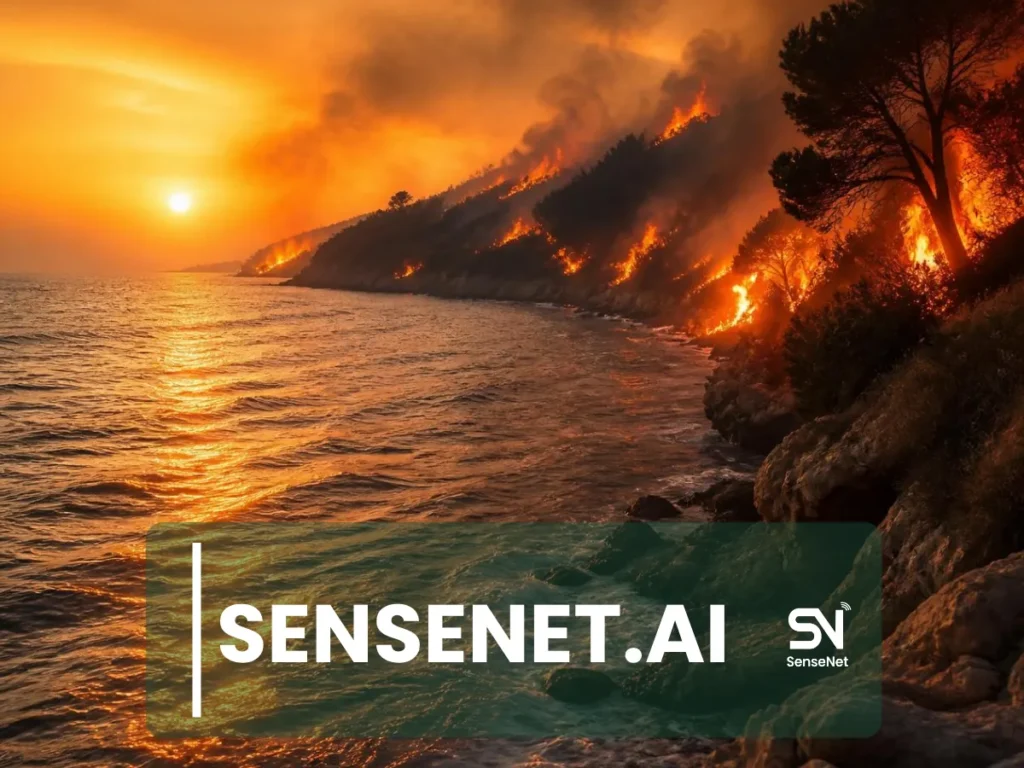
Turkey’s experience: when the Mediterranean faced new climate conditions
Turkey’s devastating 2021 wildfires were one of the country’s biggest fire crises in recent decades.
In this disaster, the southern coastal regions faced a combination of:
- Heatwaves
- Extreme dryness
- Favorable winds for fire spread
That was enough to turn things into a large-scale disaster.
One of the takeaways from these fires was a shift in focus from reactive firefighting to preventive management. It’s not enough to just add more water-dropping planes, you also need to:
- Identify high-risk zones
- Manage vegetation
- Build early warning systems
- Educate the public
The role of technology in tackling rising fire risk
When climate conditions change, fire management methods have to change too.
Today, many countries use a mix of technologies:
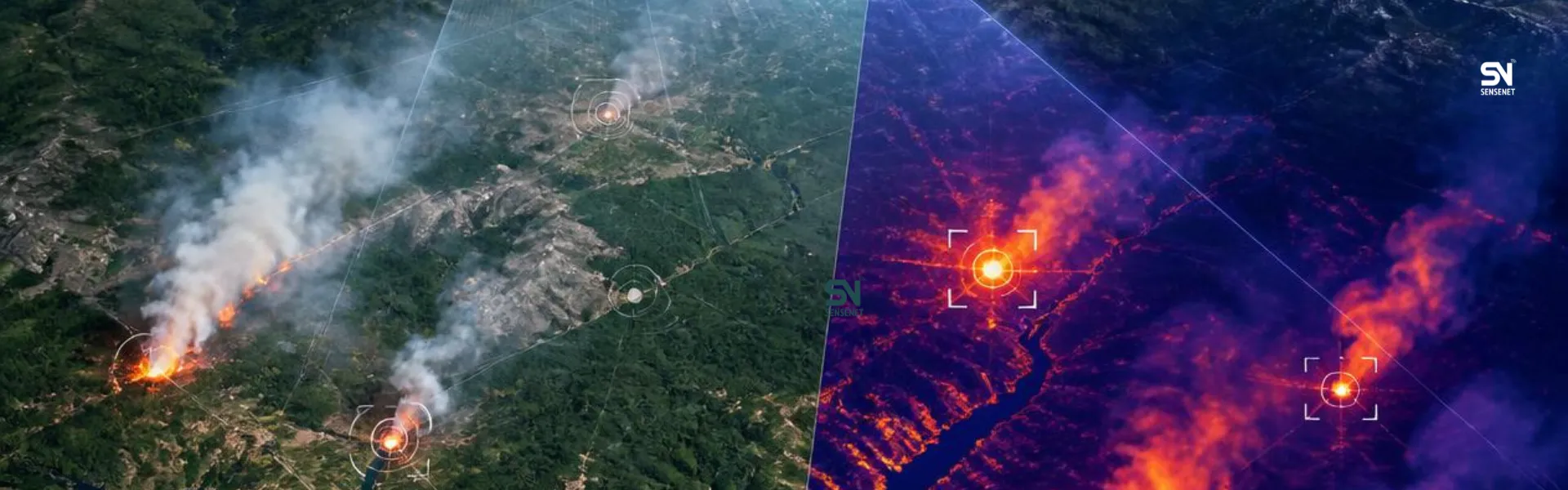
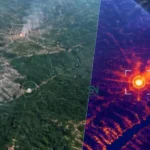
Satellite imagery to monitor:
- Vegetation changes
- Dryness levels
- High-risk areas
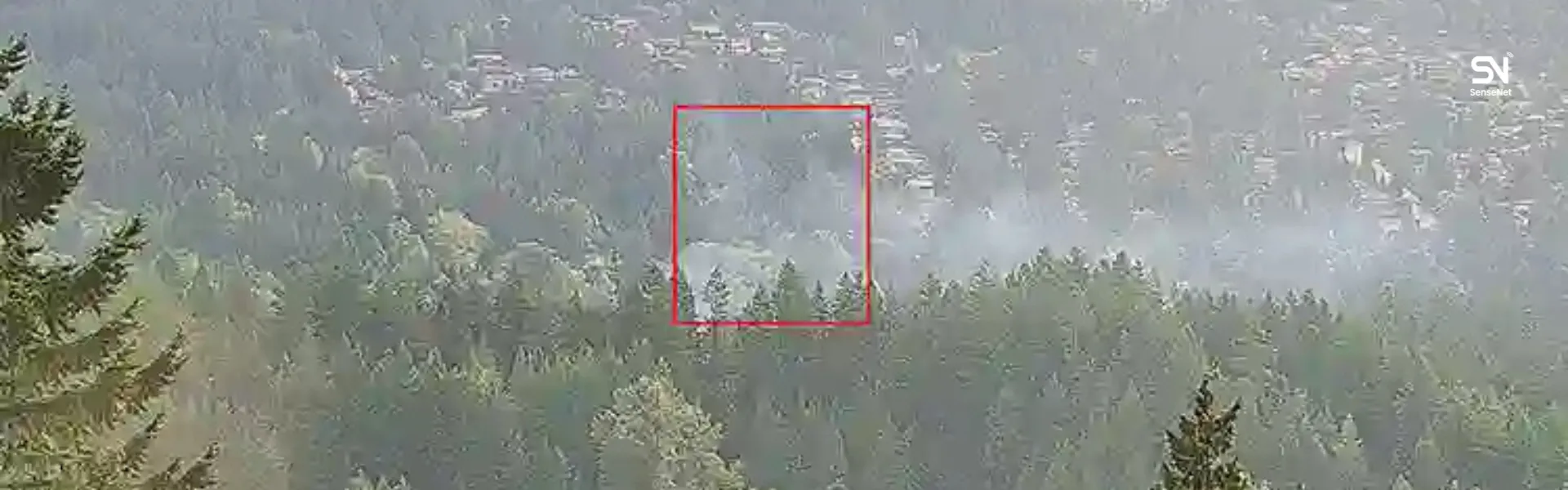
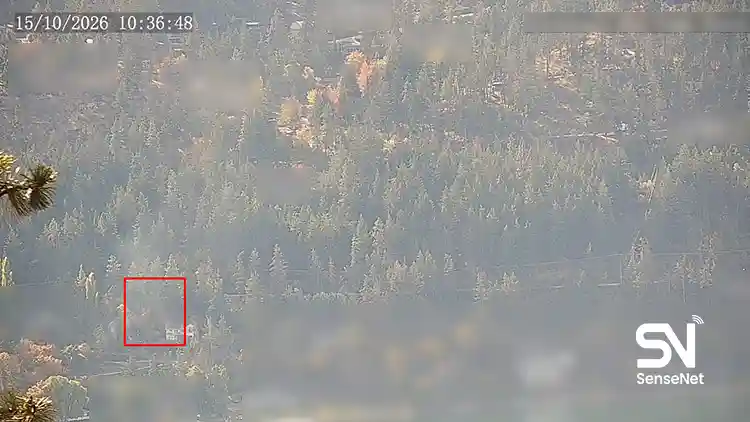
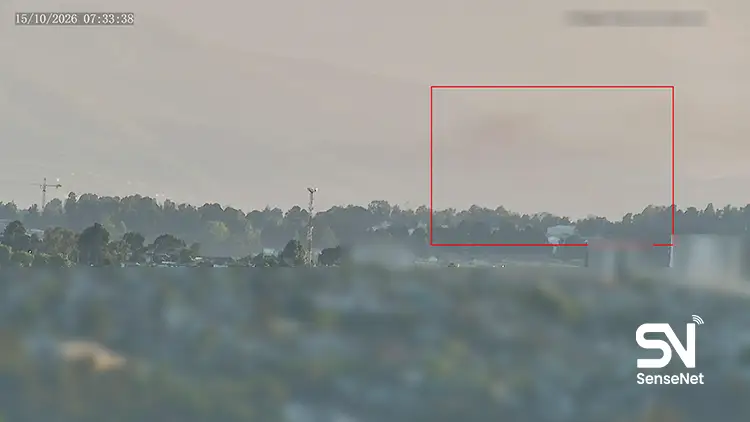
Early detection cameras to spot smoke or early signs of fire before they become full-blown crises.
But technical teams have learned that installing cameras alone isn’t enough. Operators at monitoring centers usually deal with problems that seem simple at first but are surprisingly tricky:
- Morning fog
- Camera angle shifts
- Trees growing into the line of sight
- Dust on the lens
That’s why ongoing maintenance and monitoring are just as important as installation.
Artificial intelligence is now mostly used to support decision-making:
- Reducing false alarms
- Analyzing images
- Identifying risk patterns
- Prioritizing alerts
But as many operators and emergency managers emphasize, AI doesn’t replace human experience, it has to work alongside it.
Summary
Climate change doesn’t start fires on its own, but it creates conditions where fires ignite faster, spread more intensely, and become harder to control.
Rising temperatures, drought, shifting wind patterns, longer fire seasons, and the expansion of residential areas near forests have all increased wildfire risk in many parts of the world.
Experiences from countries like Chile, Turkey, and Canada show that the future of fire management isn’t just about firefighting equipment. Forests that are better monitored, communities that are better educated, and systems that can detect fires in their earliest stages stand a much better chance of reducing damage.
FAQ
If climate change stopped, would wildfires disappear too?
No. Fire has always been part of many natural ecosystems. Even without climate change, factors like lightning or human activity can cause fires. But climate change creates conditions for more severe and longer-lasting fires.
Are there more fires now, or have they just gotten worse?
Both are happening in many regions. Some areas are seeing more high-risk days, while in others, the biggest change is how intense and fast-moving fires have become.
Why do some forests burn again even after it rains?
Rain can temporarily lower the risk, but if lots of vegetation grows afterward and then dries out in the heat, that same vegetation becomes new fuel. That’s why vegetation management is so important.
Can planting trees reduce wildfire risk?
Not always. Planting trees without considering species, density, and local conditions can actually increase risk. A resilient forest needs proper design, biodiversity, and long-term management.
Can AI predict exactly when a fire will start?
No. AI can’t say exactly when and where a fire will ignite, but it can analyze data to identify high-risk areas and speed up response times.
Why do some small fires suddenly become massive?
Because fire isn’t just about the size of the initial flame. Vegetation dryness, wind, temperature, and environmental conditions determine how a small fire will behave.
Can forests adapt to climate change on their own?
Some ecosystems have natural adaptability, but in many areas, the speed of climate change is outpacing forests’ ability to adapt. That’s why human-led, science-based management matters more than ever.