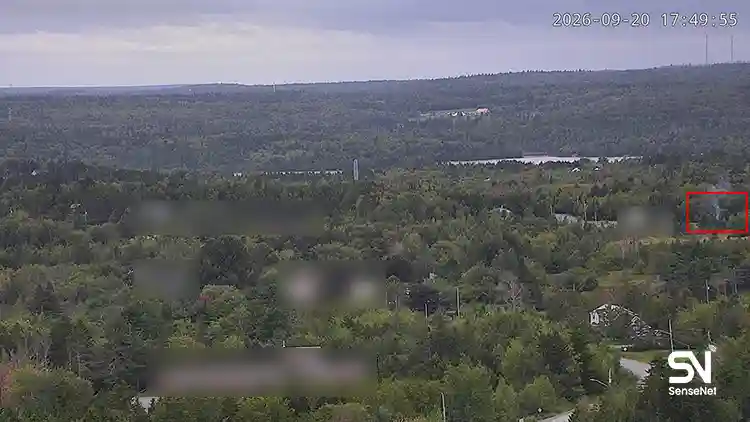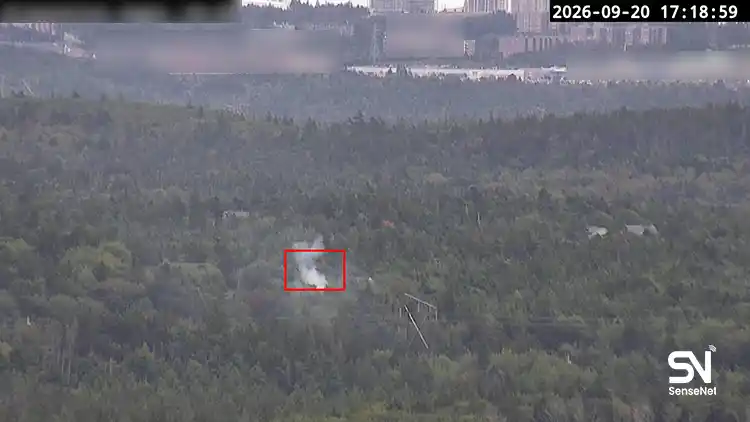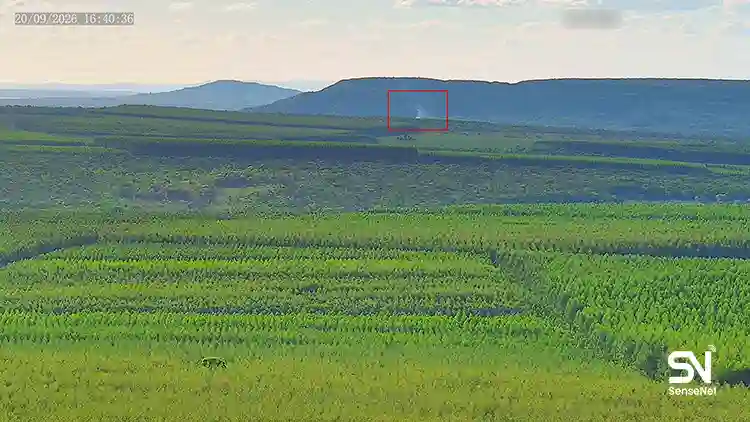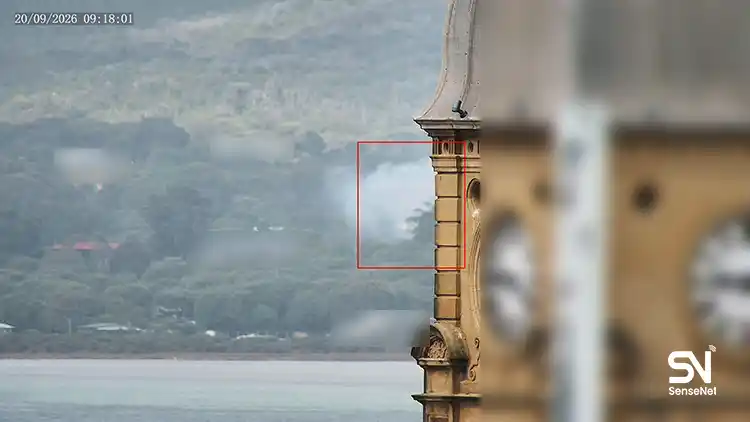
Why Early Fire Detection Matters
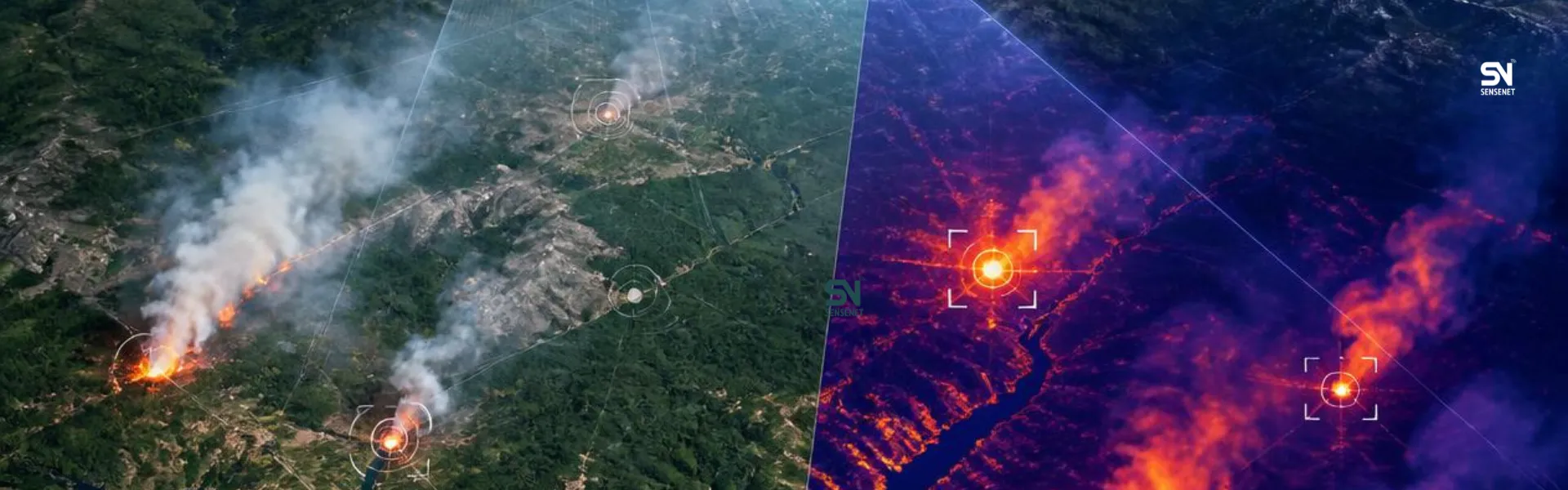
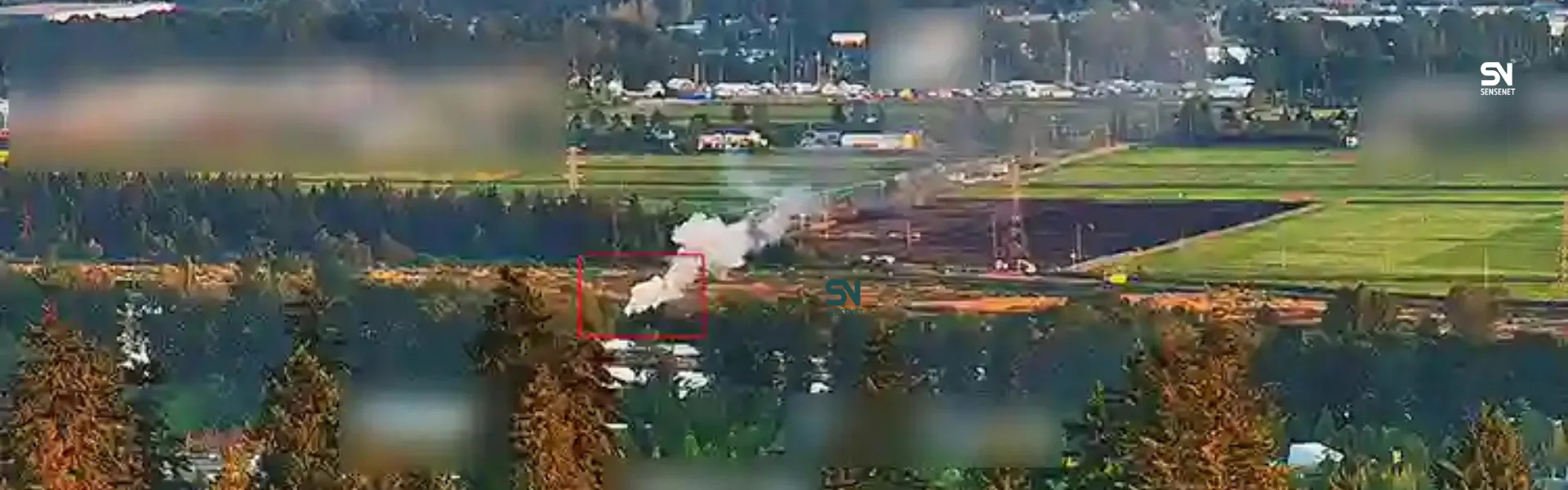
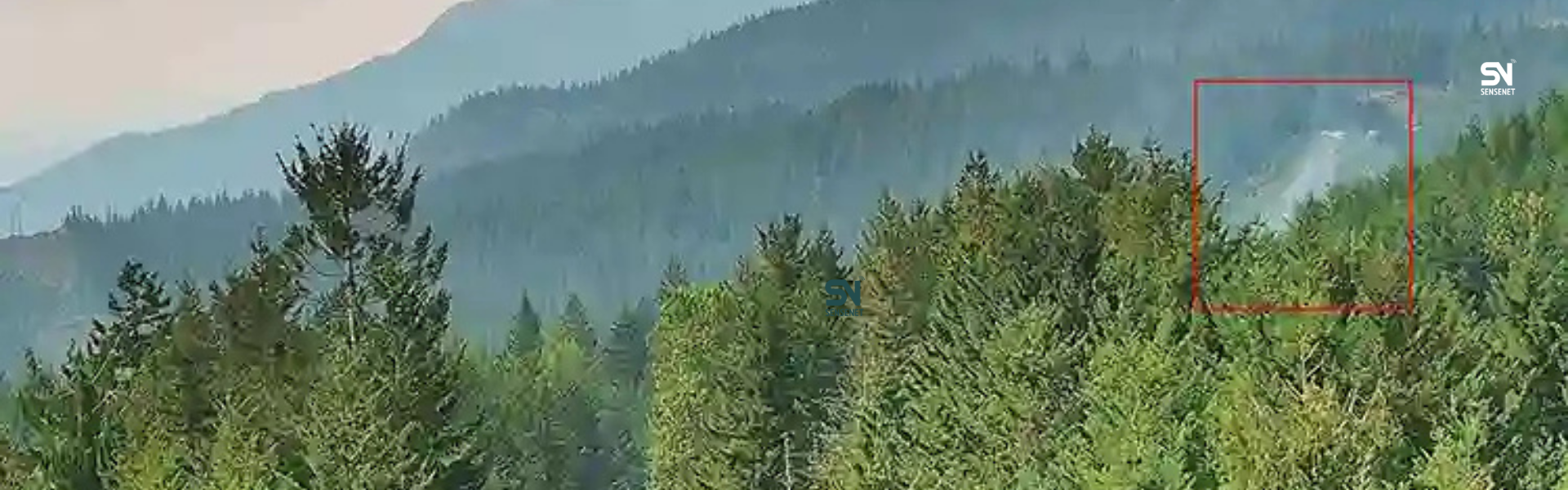
Imagine that in a large factory or a high-rise residential building, a small flame is forming in a corner of some electrical equipment. There is still no visible smoke, and the thermometers are silent. But an early fire detection system, using situational awareness, senses the danger and issues an alert before the situation becomes more serious.
This is a form of environmental intelligence that understands what is happening around it even before humans do. This is a form of environmental intelligence that understands what is happening around it even before humans do.
In this article from the SENSENET website, we will discuss this topic in detail. Keep scrolling to continue reading.
What Is Situational Awareness?
Situational awareness means perceiving, analyzing, and responding to environmental conditions in real time.
Simply put, it means that a system can see, understand, and decide just like a human. With the introduction of artificial intelligence into this field, this is no longer a fantasy concept, but a real part of our everyday lives.
Let’s break it down step by step:
| Stage | Explanation | Example in Fire Detection |
| Perception | Collecting data from sensors, cameras, and systems | Detecting abnormal increases in temperature or smoke using a heat sensor |
| Comprehension | Analyzing data patterns to understand the situation | Determining whether the temperature rise is due to normal activity or a risky condition |
| Projection | Predicting future trends based on current data | Predicting the risk of a fire in a specific section before it actually occurs |
Why Is Situational Awareness So Important in Fire Safety?
Most traditional systems are only reactive, meaning they sound an alarm when smoke is detected.
However, modern systems based on situational awareness are not reactive; they are predictive.
In other words:
If conventional systems are like a siren, then situational awareness systems are like an intelligent guard who can sense danger just by observing.
How Does Situational Awareness Technology Work in Early Fire Detection Systems?
- Multi-source data acquisition
Thermal, optical, and acoustic sensors simultaneously monitor the environment.
- AI-based data analysis
Machine learning algorithms compare the incoming data with known fire patterns.
- Real-time decision-making and automatic alerting
If the algorithm detects abnormal increases in temperature or smoke levels, or unusual motion, the system immediately issues an alert.
- Continuous monitoring and connection to control centers
Real-time information is sent to the command center to enable quick action.
Applications of Situational Awareness in Different Industries
| Industry | Benefits |
| Smart buildings | Reducing damage through early alerts and analysis of human behavior |
| Power plants and refineries | Preventing explosions by analyzing temperature and pressure conditions |
| Warehouses and distribution centers | Controlling fire risks associated with flammable materials |
| Automotive industry | Thermal monitoring of production lines and robots |
Benefits of Using Situational Awareness in Early Fire Detection Systems
- Significant reduction in loss of life and property damage
- Reduced false alarms through intelligent data analysis
- Faster response from emergency teams
- Integration with other security systems such as CCTV, HVAC, and emergency power
- Post-incident analytics to improve future performance
Just as the human brain constantly combines information from sight, hearing, and smell to detect danger, a system based on situational awareness merges data from various sensors to “smell” danger before anyone else does.
For this reason, we can say the greatest advantage of situational awareness is that it operates very much like the human brain.
How Will Situational Awareness Change the Future of Fire Safety?
In the future, fire detection systems will not only issue alarms, but they will also:
- Suggest safe evacuation routes
- Collaborate with ventilation systems to control toxic gases
- Interact with drones or robots to help suppress fires
At that point, situational awareness will evolve from a simple warning tool into a complete safety intelligence ecosystem.
Conclusion
In early fire detection, situational awareness is the missing link that transforms technology from merely “hearing an alarm” to truly “understanding danger.”
Organizations and safety managers who adopt this approach not only help prevent incidents, but also build a smarter and safer future.
The entire focus of companies like SENSENET is on this approach. A combination of diagnostic tools and artificial intelligence creates an opportunity to identify and address threats at their earliest stages and help prevent catastrophic fire incidents.