Wildfire Intelligence: Canada is bracing for summer while still in winter
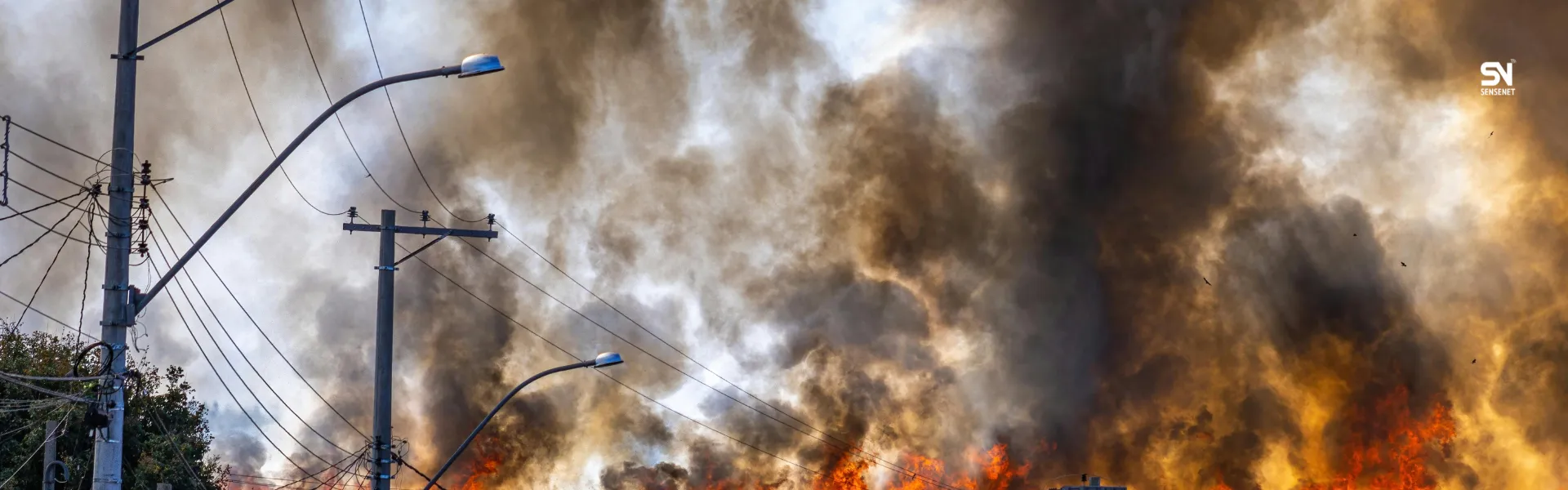
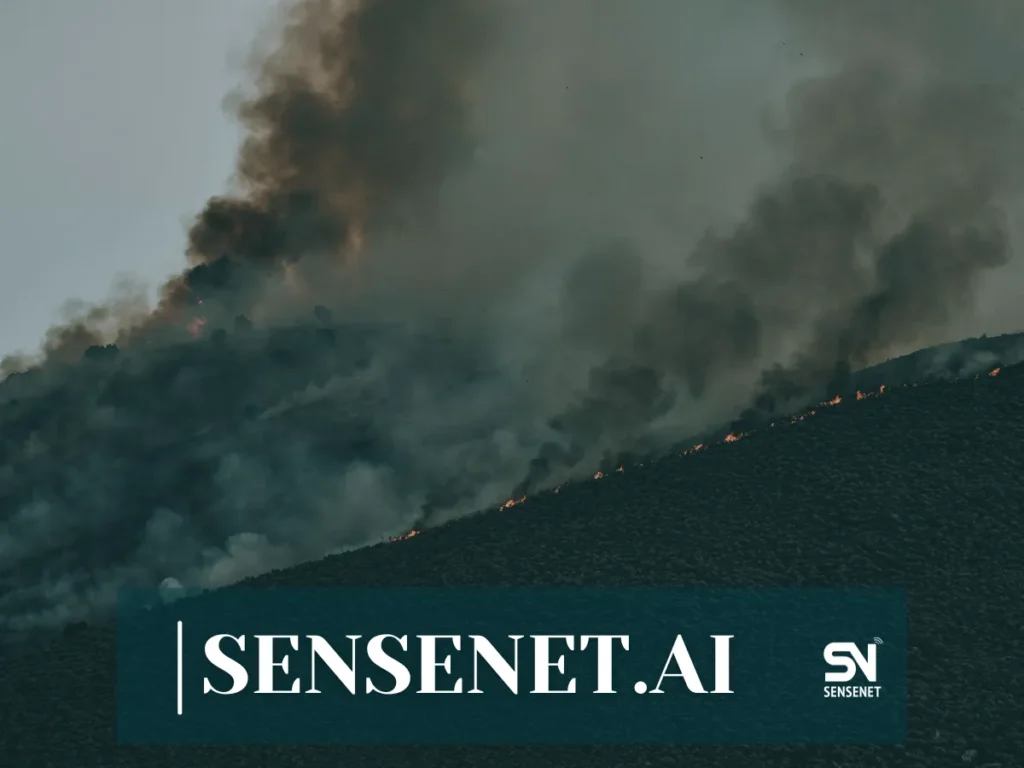
We are on the brink of one of the most challenging wildfire seasons in Canada’s history. A campfire ban has already been put in place, something unprecedented in the last 13 years. That alone tells you everything about what’s coming.
On top of that, forecasts from the Canadian Interagency Forest Fire Centre (CIFFC) for summer 2026 point to accumulated drought conditions in Alberta and British Columbia.
Vernon’s Fire Chief, David Lind, warns that we are entering a window where a single spark could trigger a national catastrophe.
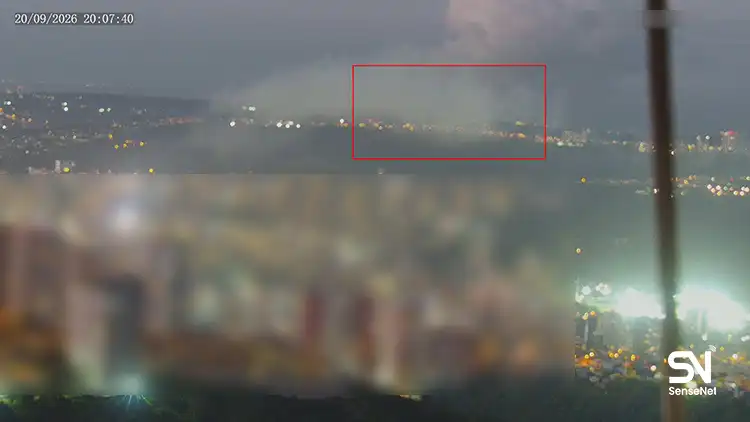
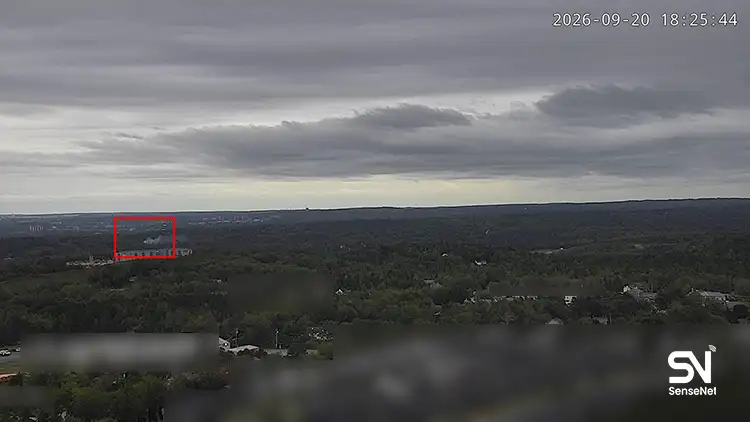
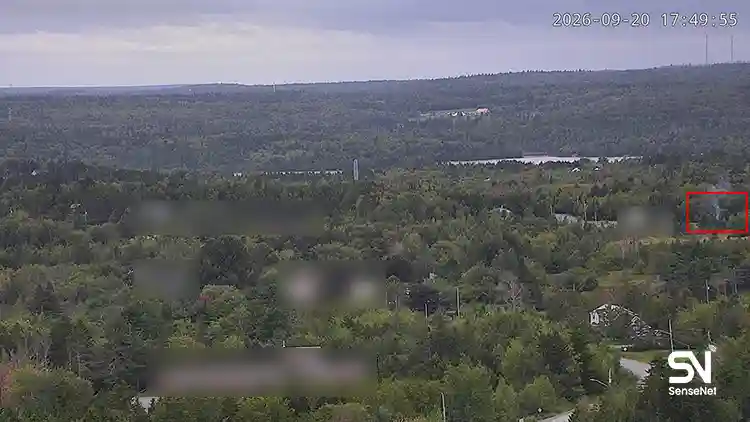
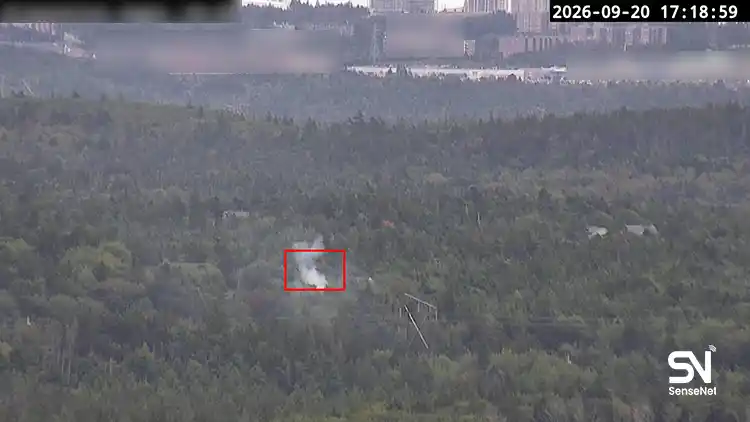
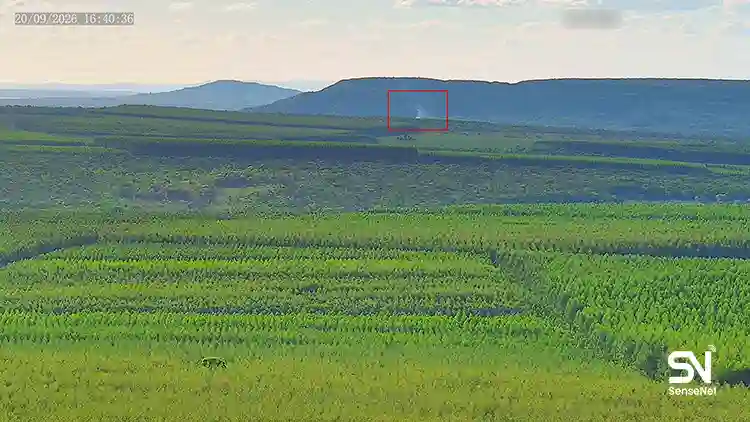
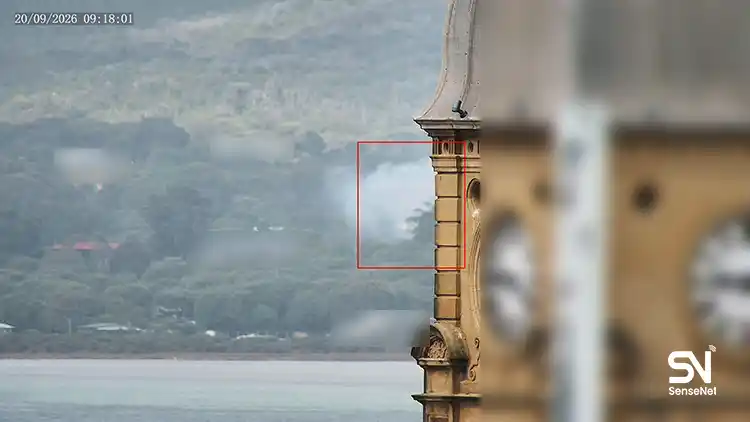
At this critical moment, wildfire intelligence is no longer a luxury; it is an operational necessity. This article includes real-time field data (Spring 2026) from SenseNet’s projects in Canada, along with direct insights from firefighters who still remember last season vividly. Don’t miss this compelling and informative read.
1. The Bitter Lessons of 2025: What We’re Taking Into Summer 2026
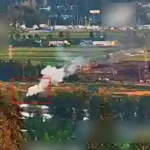
Canada’s 2025 wildfire season saw more than 6,000 wildfires and the evacuation of 85,000 people, serving as a wake-up call for everyone. The devastating Jasper wildfire of July 2024 (whose effects carried well into 2025) proved that old prediction models are no longer reliable.
The following account from the Jasper operation was documented by rapid response teams:
In July 2024, the fire in Jasper grew from a single spark to a massive wall of flames in just a few hours. Rescue teams recall: “The prediction models said the fire would reach town by evening. But just 90 minutes later, we were evacuating the streets.”
Everything we’ve experienced over the past two years shows that wildfire intelligence has become essential. Imagining forest management without it now seems almost impossible.
SenseNet’s exclusive analysis for summer 2026:
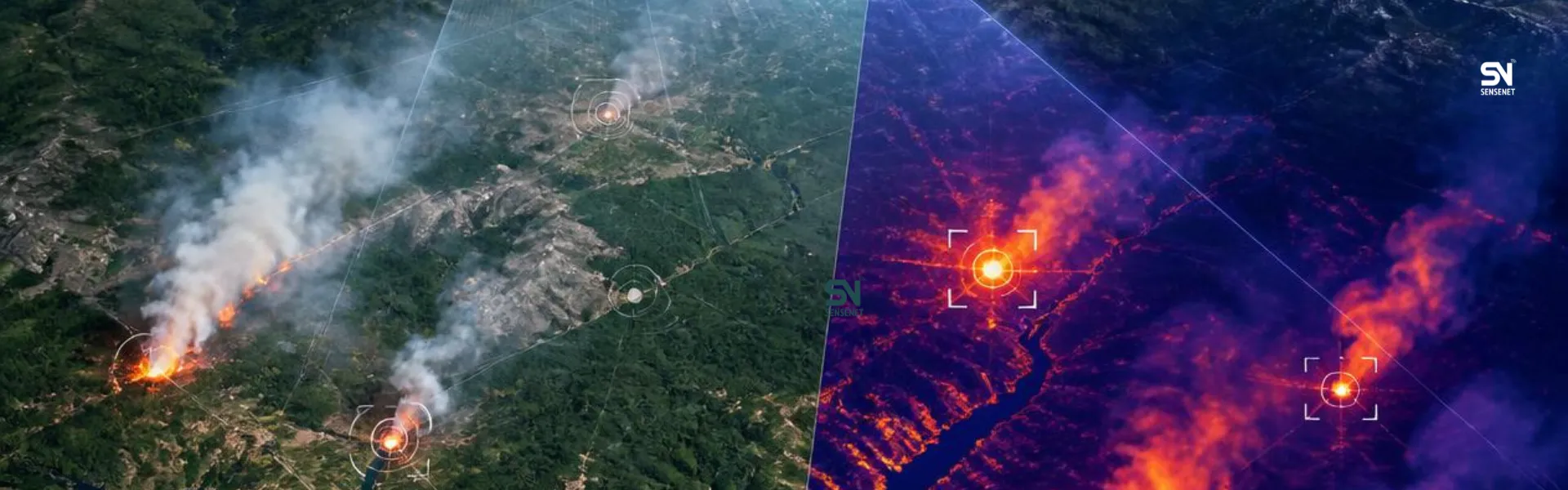
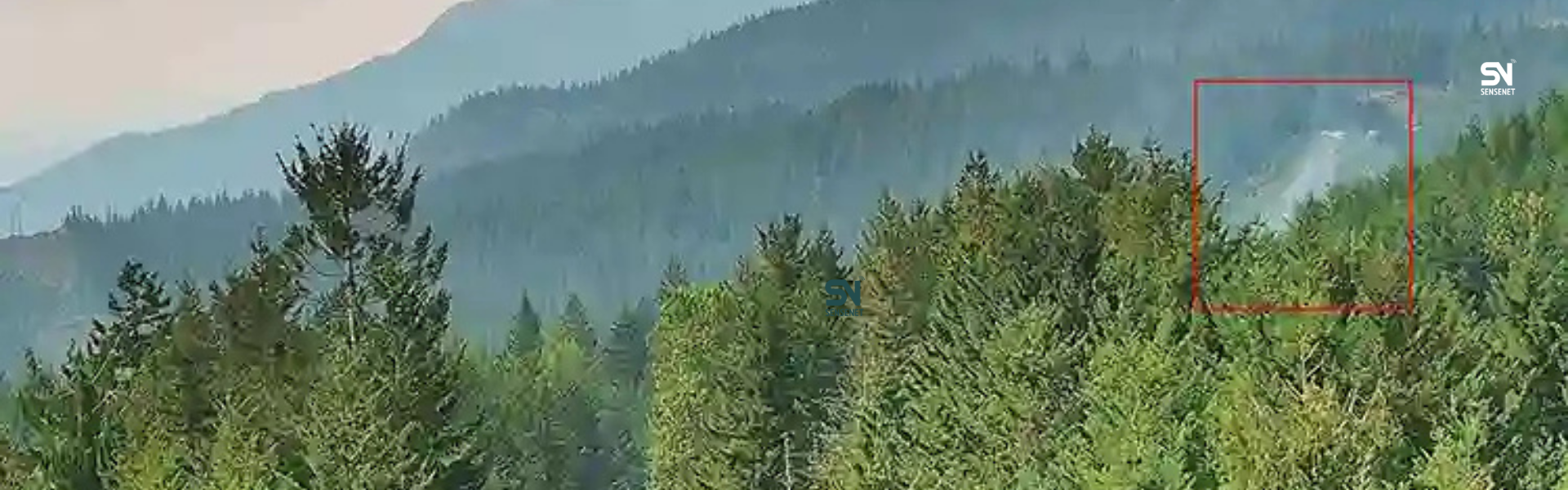
What we learned from last year’s disasters is the need for hourly live fuel moisture data.Traditional systems update this data every 5 to 7 days. But in summer 2026, SenseNet will combine satellite-based hyperspectral data with ground sensors to reduce that window to just 2 hours.
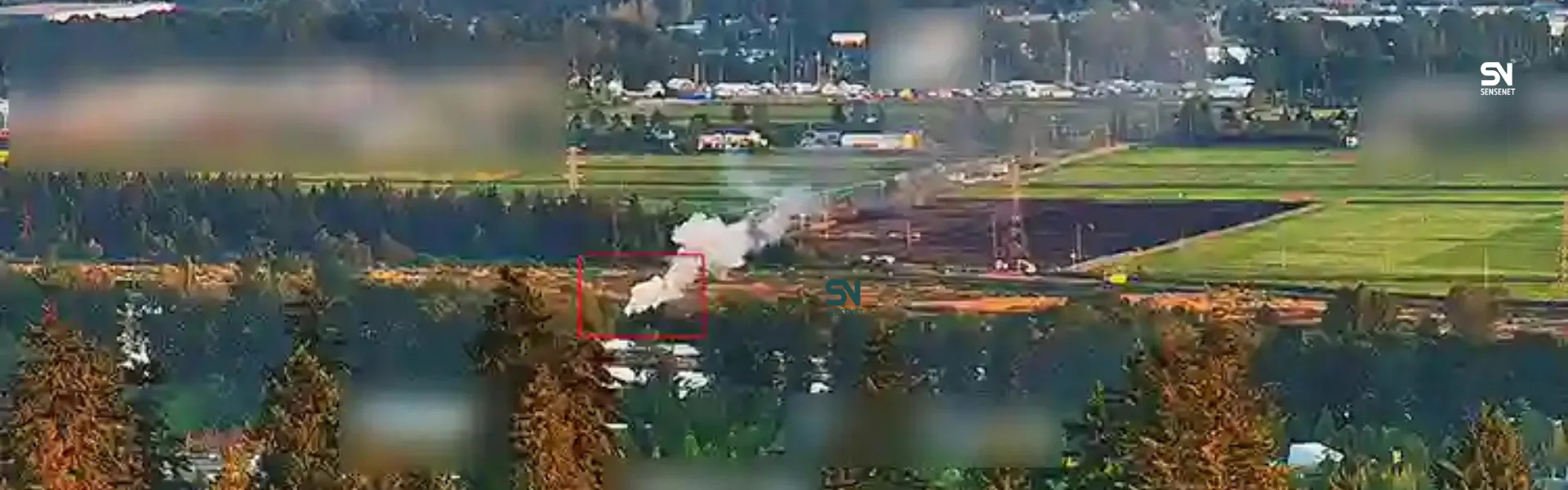
It might not sound like much, but just compare recent wildfires side by side. Fires caught early by these detection systems caused far less damage. Meanwhile, fires detected using traditional methods have almost always developed into full-scale disasters.
2. The Challenge Facing Summer 2026: Not Enough Data for AI
Neil MacLaughlan from the BC Wildfire Service issued a serious warning at the 2026 Summer Preparedness Summit: “The reality is, we don’t have enough data to train AI models to predict how fires will grow and spread. Firefighter reports are still handwritten.”
One practical way to address this challenge is to introduce a voice-to-text reporting system for field teams. Instead of sitting down to write manual reports after containing a fire, firefighters could simply dictate their experiences into specialized software.
These data could then be used to retrain fire-spread prediction models for summer 2026.
3. Weekly Operational Readiness Plan
Based on past experience and available technology, here is a plan for rapid response teams:
| Week | Action | Expected Outcome |
| Week 1 | Calibrate thermal and gas sensors | Help ensure minimal false alarms in hot weather |
| Week 2 | Train operational teams on the unified dashboard | Cut decision-making time from 15 minutes to 3 minutes |
| Week 3 | Run controlled fire scenario simulations | Test response time from detection to dispatch |
| Week 4 | Begin monitoring Reddit and other social media platforms | Establish an early warning system based on public input |
Frequently Asked Questions (FAQ)
Question: As temperatures rise, doesn’t the sensitivity of thermal sensors drop?
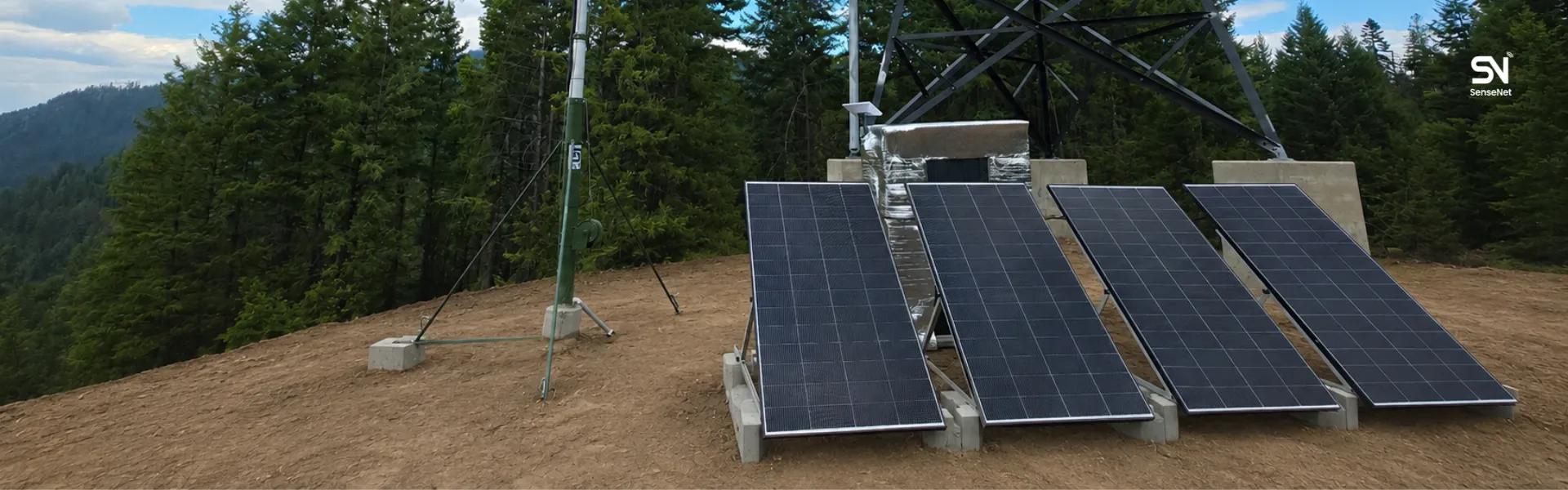
Answer: Yes, this is a real challenge. Standard sensors can lose accuracy in temperatures above 35°C. This summer, SenseNet is using temperature-compensated sensors whose algorithms separate ambient temperature from the actual heat signal. In field tests (at 32°C), the system maintained 94% accuracy.
Question: If my area (say, Calgary) has poor internet infrastructure, can I still use this technology?
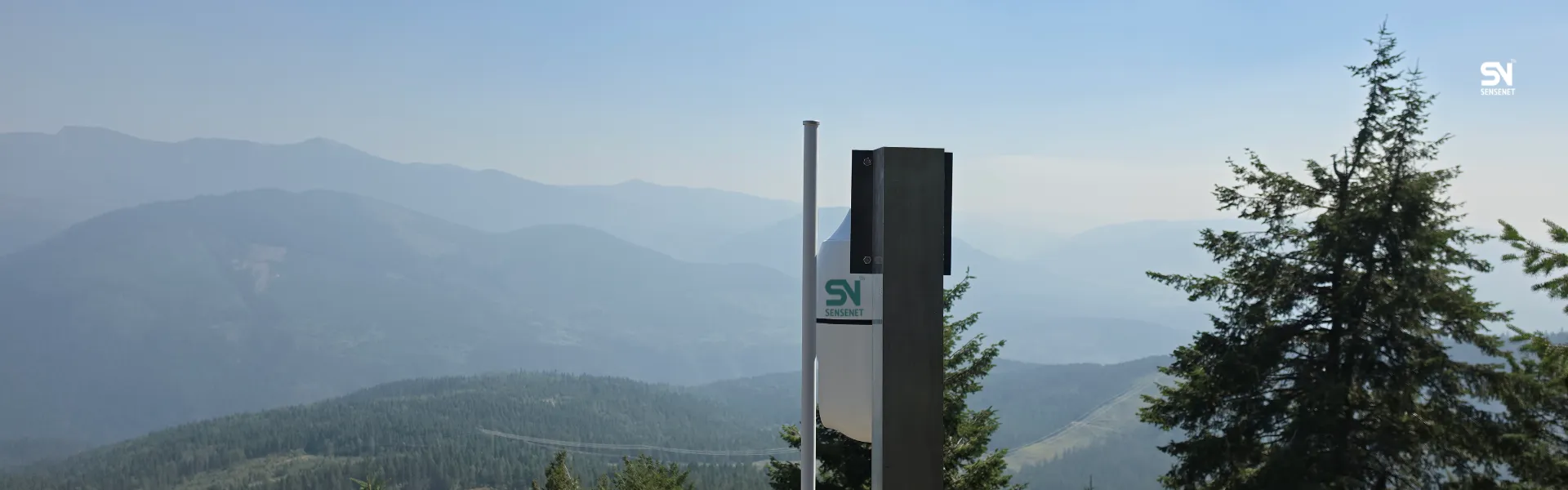
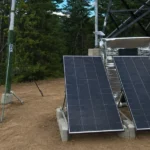
Answer: Yes. SenseNet’s system has edge-processing capabilities. This means the sensor analyzes the data on-site and sends only the alert (not massive video files) via satellite or radio networks. It remains operational on less than 100 Kb/s of bandwidth.
Question: How much does a scalable intelligence system cost for Summer 2026?
Answer: Based on spring 2026 rates and the Sturgeon County (Alberta) pilot project, protecting a Wildland-Urban Interface (WUI) area of 50 square kilometres Costs from $180,000 to $480,000 CAD. This is a 12% increase from last year, mainly due to higher drone rental costs.
Author: Neda Khanifar
Title: Content Manager, SenseNet Technology
Last Updated: May 2026 – Coinciding with the start of the summer readiness season
Documentation: This article is based on real-time data from SenseNet’s projects in Canada and official Spring 2026 reports from the BC Wildfire Service and CIFFC.