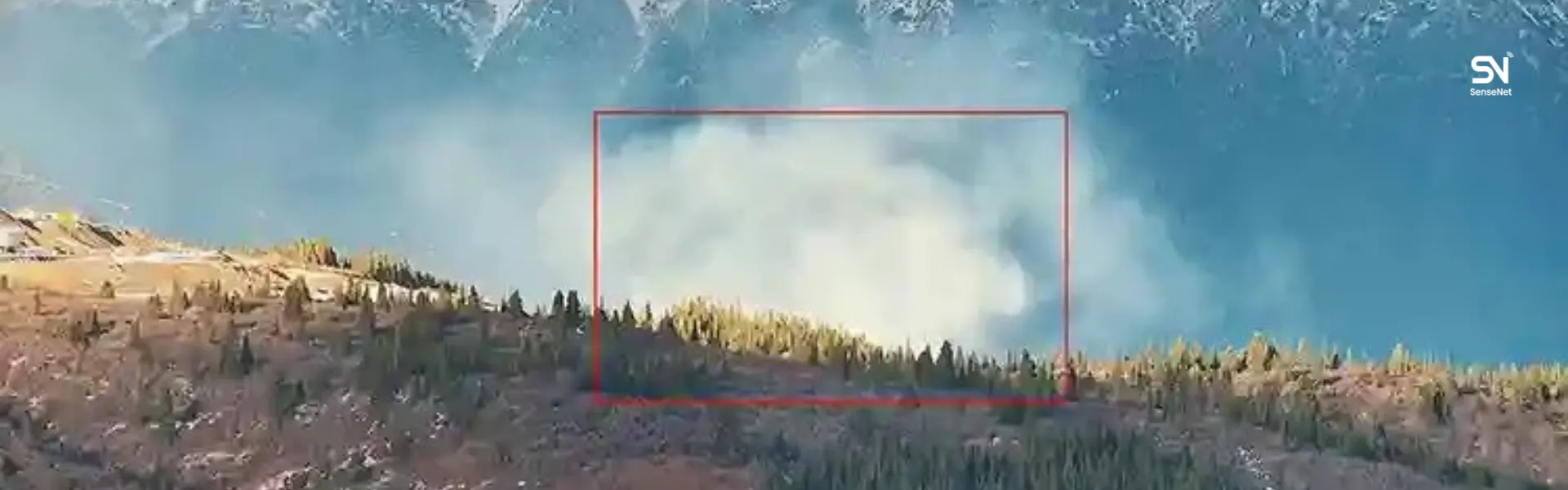
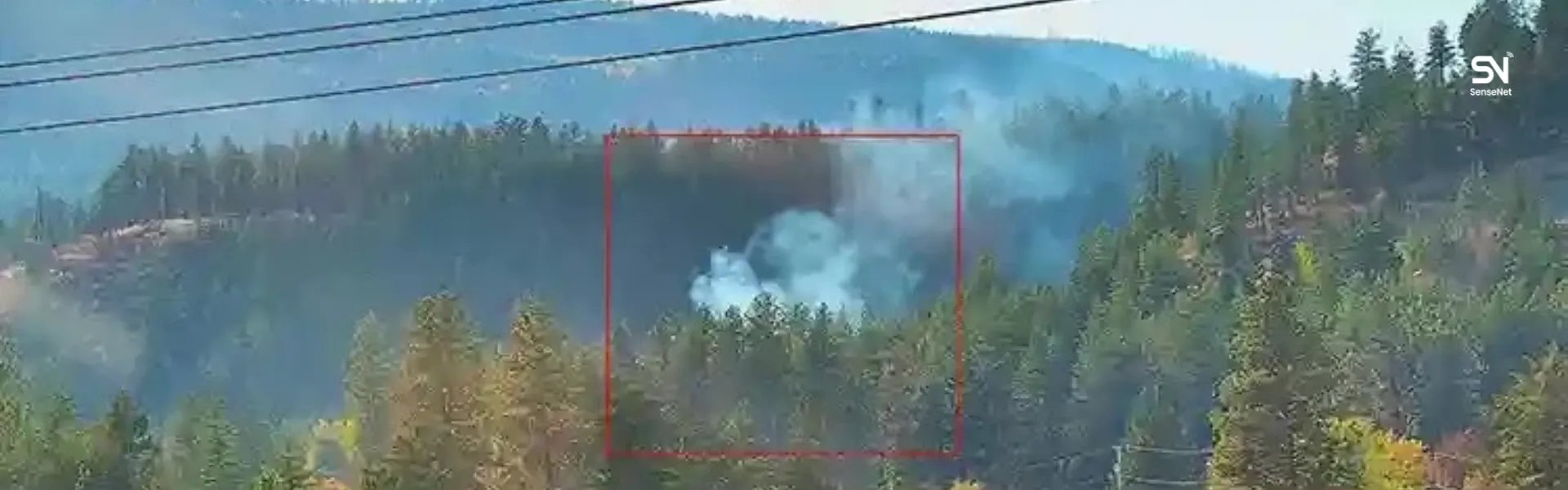
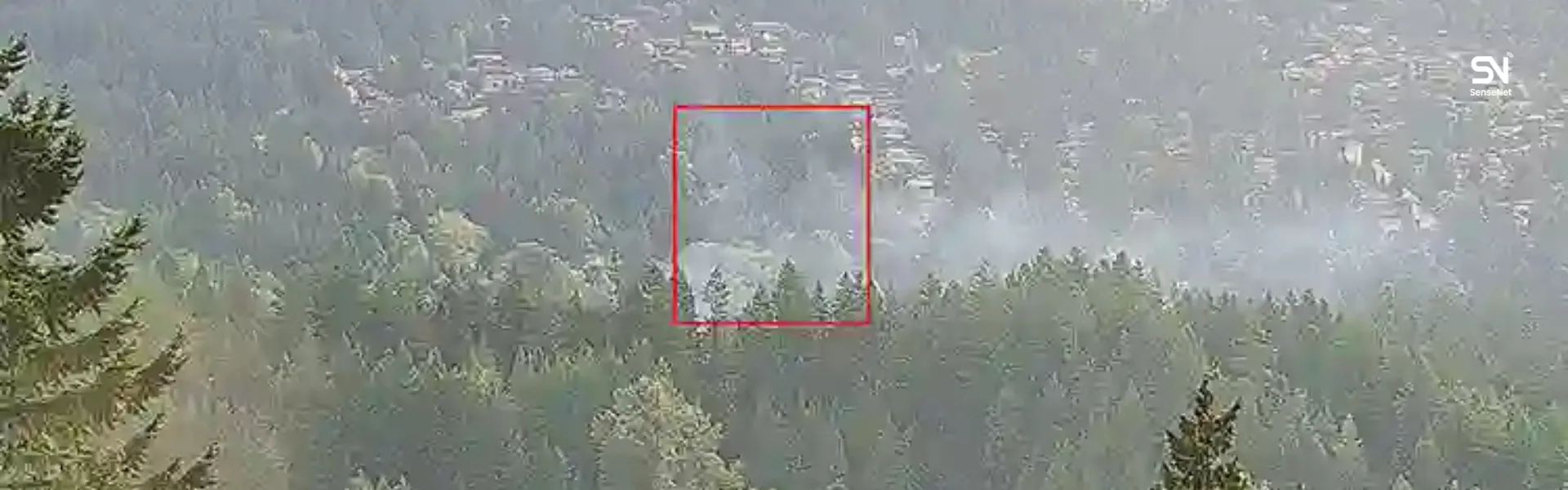
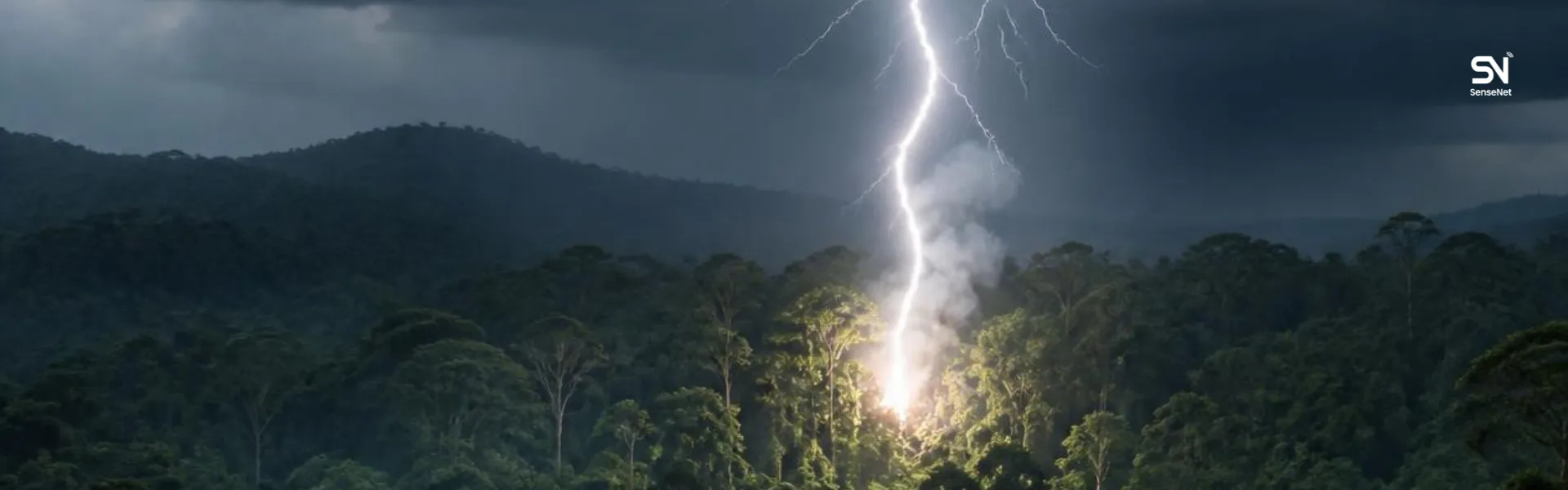
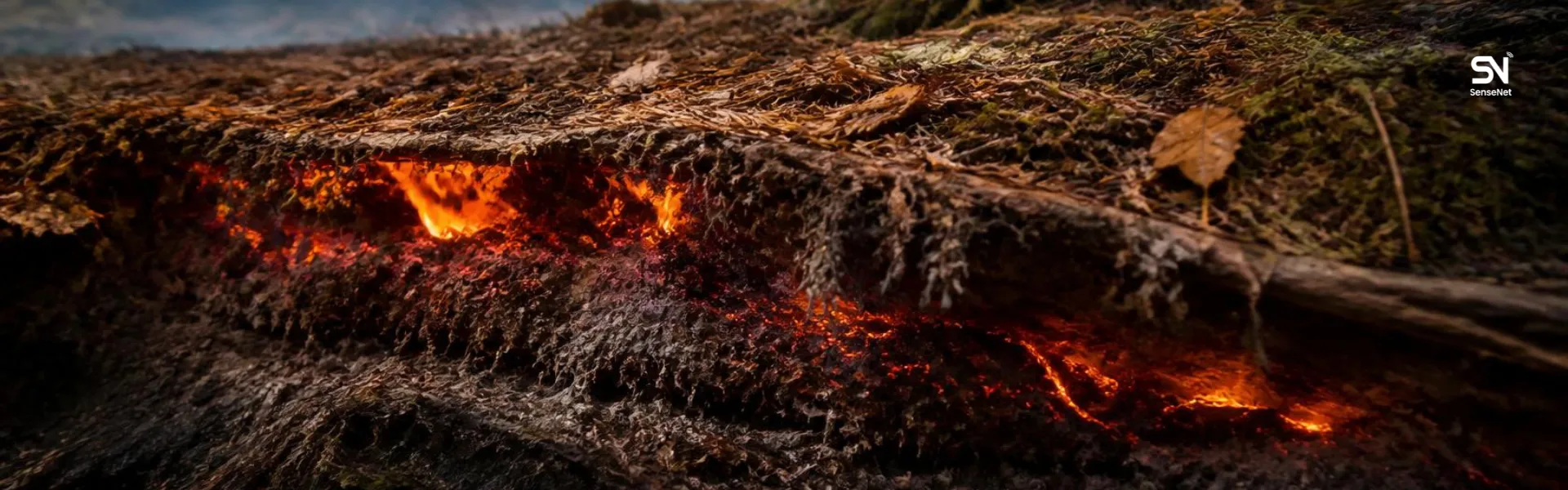
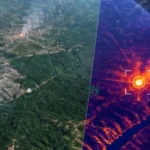
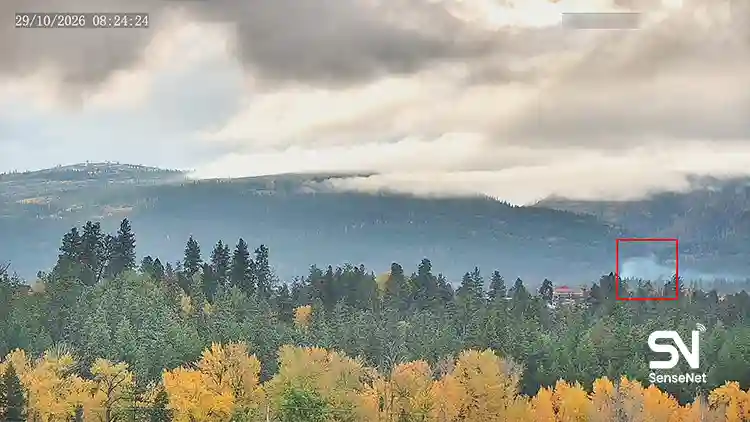
The pattern of wildfire occurrence has changed. Now, massive fires are erupting long before the peak of the traditional hot and dry season. The classic assumption that fires only happen in the height of summer has been completely upended. While human activity and land management play a significant role, we cannot ignore the large-scale climatic phenomena of El Niño and La Niña. In truth, these two phenomena are primary drivers of the very weather conditions that set the stage for fire.
So why are we talking about this on sensenet? Because understanding this link is crucial for developing early warning systems and effective risk management strategies.
How Do El Niño and La Niña Actually Work?
Let’s first break down how these two forces operate:
El Niño (Abnormal Pacific Ocean Warming)
- What it is: An abnormal warming of the sea surface in the eastern and central tropical Pacific Ocean.
- Impact on Rainfall: It shifts atmospheric currents, leading to reduced rainfall in the western tropical Pacific and increased rainfall along eastern coastlines.
- Frequency: Occurs every 2 to 7 years and typically lasts 9 to 12 months.
La Niña (Abnormal Pacific Ocean Cooling)
- What it is: An abnormal cooling of the sea surface in the central and eastern tropical Pacific Ocean.
- Impact on Rainfall: It has almost the opposite effect of El Niño, bringing increased rainfall to the western Pacific and drier conditions to some eastern regions.
- Intensity & Duration: Can be highly variable in both strength and how long it lasts.

The Mechanism: How They Fuel Early Fires
1. Altering Rainfall Patterns and Pre-Season Drought
- During El Niño: Specific regions like Indonesia, northern Australia, and parts of the Amazon experience severe drought. This desiccates soil and vegetation, priming the fuel load months before the typical fire season.
- During La Niña: The western Pacific (like parts of Australia and Indonesia) can get excessive rainfall, triggering rapid growth of vegetation (green fuel). When dry conditions return, these plants quickly turn into dead, highly flammable fuel.
2. Impact on Humidity and Air Temperature
- Both phenomena can lead to higher-than-average temperatures across vast areas.
- Reduced relative humidity from shifted weather patterns dramatically shortens the time it takes for plant material to dry out.
3. Changing Wind Patterns
- El Niño and La Niña can alter regional wind patterns. Strong, persistent winds can:
- Speed up the drying of vegetation.
- Multiply the spread rate of a fire once it starts.
- Facilitate new ignitions by carrying embers over long distances.

Where in the World This Hits Hardest?
- Southeast Asia (El Niño): During strong El Niño phases, Indonesia and Malaysia face severe droughts and widespread fires in peat forests. The resulting smoke creates regional public health crises.
- Australia (Both Phases):
- El Niño: Typically brings drier conditions to eastern Australia, elevating the risk of early and extensive wildfires.
- La Niña: While often linked to more rain, it can lead to explosive plant growth (especially grasses). After a short dry spell, this becomes ideal fuel for fast-moving grass fires.
- The Amazon (El Niño): Strong El Niño events can cause intense droughts in the rainforest, pushing the boundary of humid forests into fire-prone areas and increasing the frequency of major burns.
- Western United States (El Niño): Although El Niño often increases winter snowfall in California, it can also create warmer, drier springs that kick-start the fire season earlier.
The Real-World Fallout: Ecological and Human Costs
These amplified fires aren’t without consequence. They reshape ecosystems and communities.
Ecological Impacts:
- Disruption of natural plant regeneration cycles.
- Loss of biodiversity, especially for species whose reproduction is tied to specific seasonal conditions.
- A shift in forest composition towards more fire-resistant species.
- Increased soil erosion and runoff due to lost vegetation cover.
Human Impacts:
- Public health threats from widespread smoke inhalation.
- Economic damage to agriculture, tourism, and property.
- Increased strain on firefighting systems and budgets.
- Displacement of local communities and associated social costs.
How Do We Fight Back? (Spoiler: We Can’t Control the Climate, But We Can Adapt)
- Integrated Forecast & Early Warning Systems
- Use ENSO Data: Incorporate El Niño/La Niña phase forecasts into fire danger prediction models.
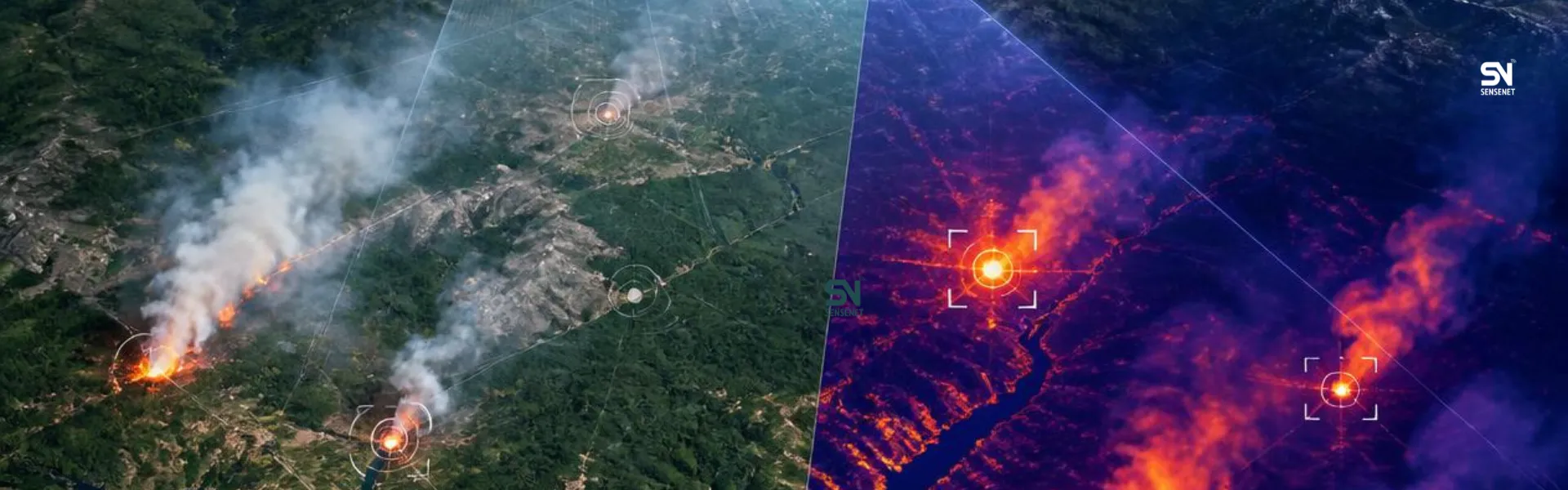
- Satellite Monitoring: Use remote sensing to track vegetation dryness and soil moisture in high-risk zones.
- Proactive Ecosystem Management
- Strategic Prescribed Burns: Conduct controlled burns during safer weather windows (usually outside strong ENSO phases) to reduce fuel buildup.
- Vegetation Management: Create fuel breaks in continuous vegetation where ENSO-driven drought is predicted.
- Community Preparedness & Response
- Education & Awareness: Inform local communities about the specific risks tied to each ENSO phase.
- Land-Use Planning: Restrict development in extreme-risk areas based on long-term climatic forecasts.
- Ongoing Research & Monitoring
- Regional Studies: Research the specific effects of ENSO on local ecosystems.
- Build Databases: Record historical fire data and correlate it with different ENSO phases.
El Niño and La Niña are powerful climatic forces that play a defining role in creating conditions ripe for early-season wildfires across much of the globe. While we can’t control these natural cycles, our ability to predict and understand their effects has grown significantly. The key to reducing risk lies in integrating this knowledge into land management, resource planning, and emergency response strategies. In the age of climate change, which is likely to affect the frequency and intensity of ENSO events, this adaptation is more critical than ever.