Do you also feel like you can’t breathe in this polluted air anymore?
If so, you’re not the only one. With the ongoing increase in wildfires worldwide, many of us have lost access to clean and breathable air. But this issue extends far beyond public health, it has undeniable consequences for our planet’s climate.
In the middle of winter, unprecedented waves of heat are striking colder regions, and during the height of summer, floods are sweeping parts of the Middle East. Within this fragile balance, the continuous outbreak of wildfires has made the situation even more complex and alarming.
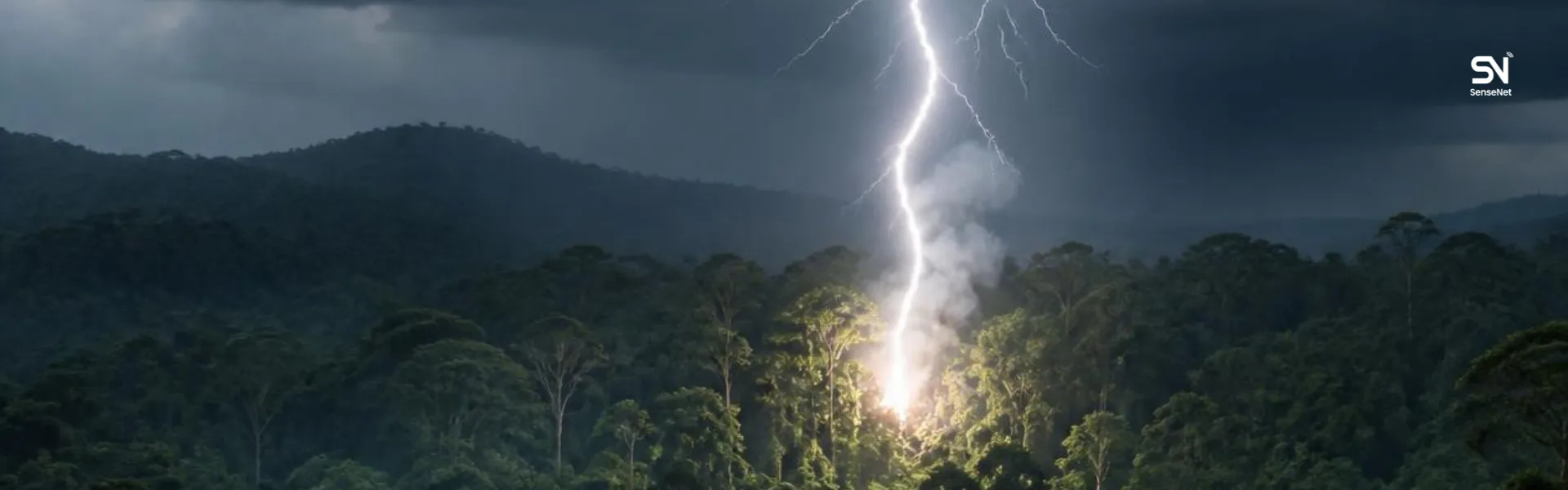
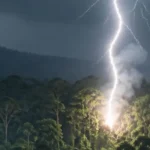
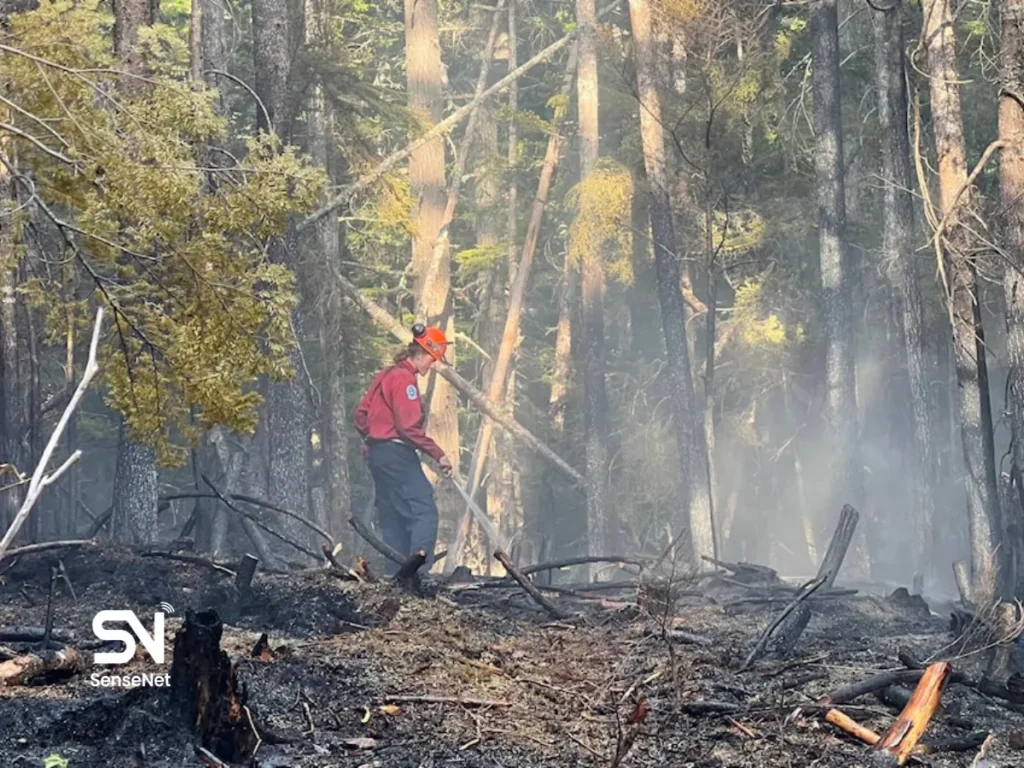
In today’s world, we are confronted almost daily with the devastating news of wildfires in various countries. Newspaper headlines are filled with stories of forests consumed by flames. Canada, for example, has been hit particularly hard. The year 2025 turned into one of the most catastrophic years in the nation’s history, with millions of hectares of forest destroyed. The question that arises is: why has the scale of wildfires escalated so drastically? Scientists argue that the main reasons lie in the ongoing effects of climate change and the way humans are using land.

Shocking Global Statistics About Wildfires
Research indicates that 2023 and 2025 were among the most disastrous wildfire years in Canada. In 2024 alone, wildfires across the globe produced over 1.94 million metric tons of carbon monoxide, a staggering figure that shows the immense environmental cost of these disasters.
The same year, Chilean officials reported that wildfires killed 137 people and caused over $4.39 billion in economic damage. In 2022, Canada’s wildfires emitted more carbon monoxide than the total fossil fuel emissions of Japan and Russia combined. Meanwhile, in the United States, California experienced one of the most destructive and costly wildfires in its history during early 2022.
One of the most striking points in these reports is that many of these wildfires occurred during seasons when such disasters are usually rare. This indicates that global climate patterns have shifted. Wildfires are no longer exclusively a summer phenomenon, they can now break out at any time of the year.
The link between air pollution, climate change, and wildfires is a toxic cycle. Burning forests release carbon dioxide, carbon monoxide, black carbon, and other harmful compounds into the atmosphere. These emissions further pollute the air, intensify global warming, and trigger more extreme weather events. Understanding this dangerous feedback loop is essential if we want to break free from it.

The Relationship Between Climate Change, Air Pollution, and Wildfires
These three issues, climate change, air pollution, and wildfires are deeply interconnected. Human activities amplify the situation: fossil fuel combustion, heavy transportation systems, and industrial processes continuously release greenhouse gases and black carbon into the atmosphere. As these gases trap heat, the earth’s temperature rises, disrupting weather patterns and creating drier conditions that are highly favorable for wildfires.
This is why environmental activists repeatedly stress that cutting back on fossil fuel use is the first and most crucial step to breaking this vicious cycle. If humanity does not take immediate action to reduce its carbon footprint, the effects of climate change will intensify, and wildfires will continue to increase in both frequency and severity.
How Can We Break This Cycle?
The growing wildfire statistics show that this is no longer a regional problem, it is now a global crisis. The smoke from Canadian wildfires has traveled across borders, blanketing parts of the United States such as Minnesota and New England, causing severe health and environmental issues.
Moreover, the destruction of trees and vegetation increases the risk of landslides, floods, and extreme rainfall. With forests gone, soil becomes unstable, and rainfall events turn into natural disasters. To address this challenge, the world has only a few options left:
- Accelerate the Transition to Clean Energy
Reducing the use of fossil fuels is critical. Expanding renewable energy sources like solar, wind, and hydropower can significantly cut down greenhouse gas emissions and reduce the risk of extreme climate events that fuel wildfires. - Adopt Preventive Measures
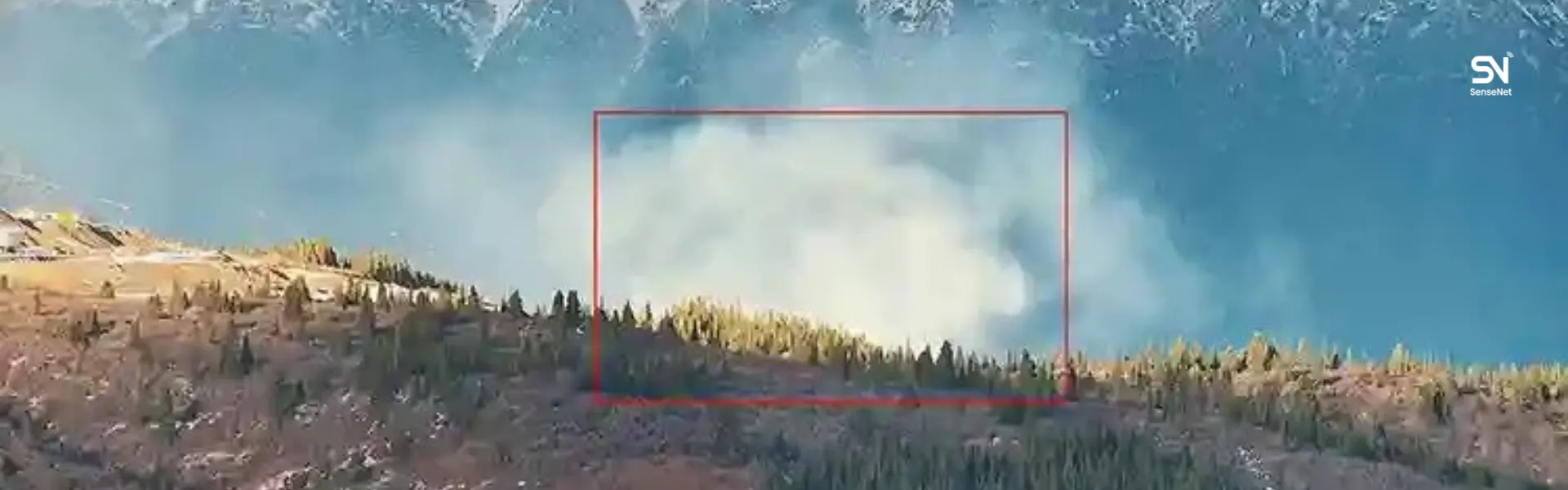
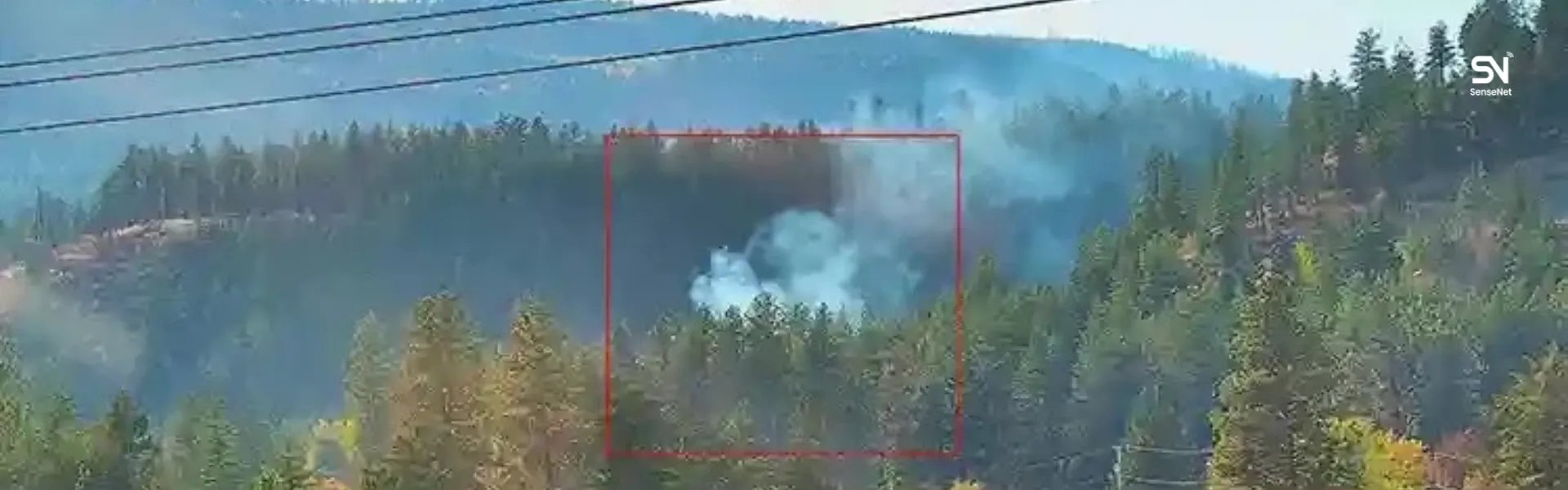
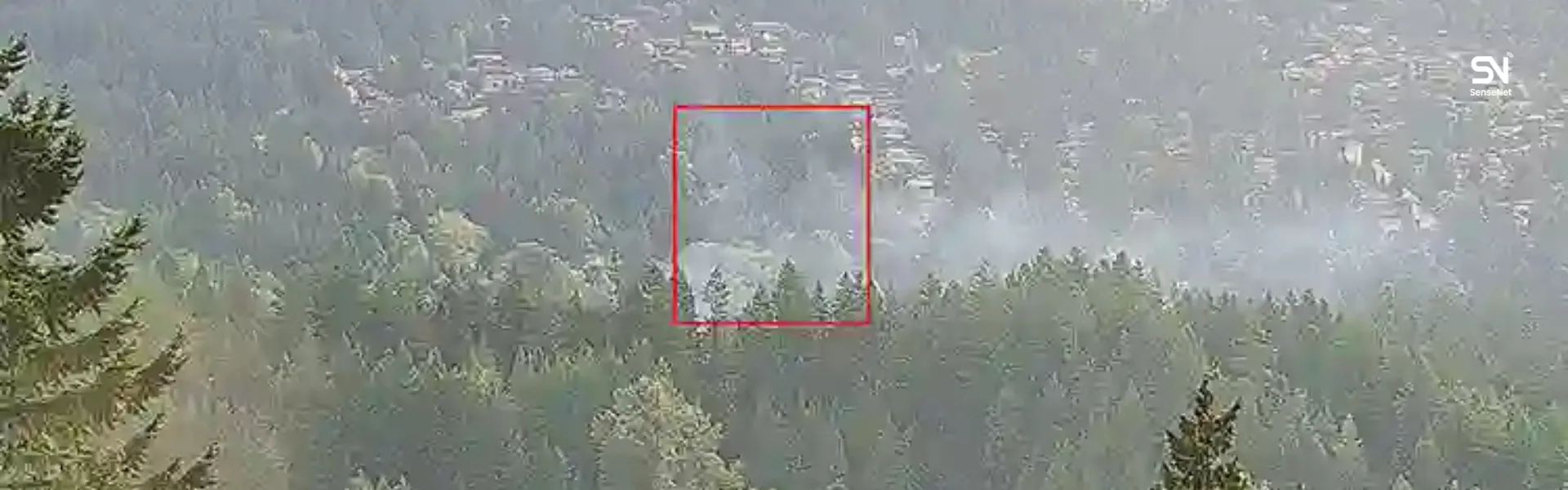
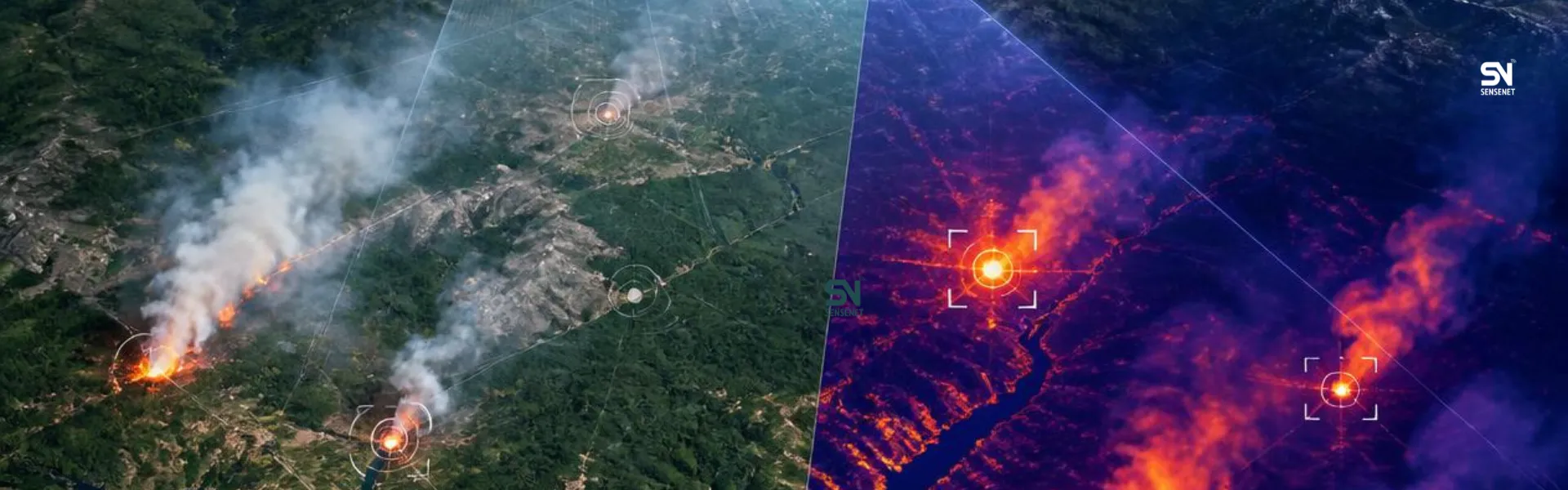
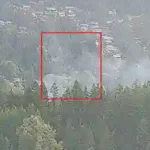
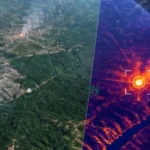
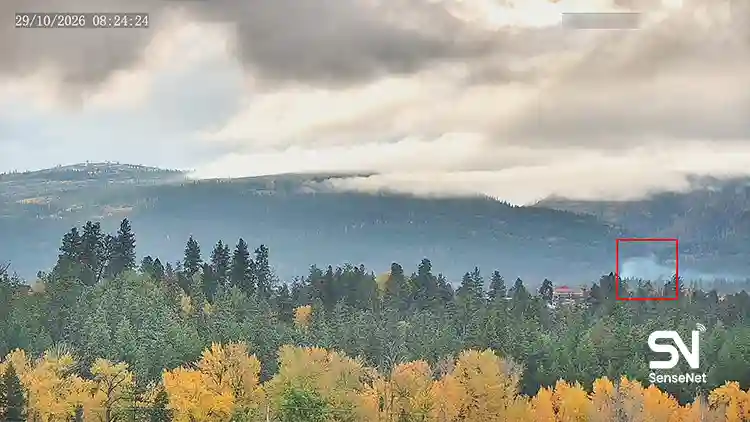
Prevention is far more effective than reaction. At Sensenet, advanced AI-based systems have been developed to detect even the smallest fire outbreaks deep within forests. These systems rely on cameras and sensors installed across remote areas, ensuring that early signs of fire are spotted before they spiral out of control. By responding quickly, we can prevent disasters and save ecosystems. - Strengthen International Cooperation
Since wildfires are no longer confined to national borders, global cooperation is essential. Countries must share technology, resources, and data to manage wildfires effectively and address the broader challenge of climate change.
Final Thoughts
No matter how innovative technologies may become, without the active involvement of governments and official institutions, progress will remain limited. The time has come for policymakers to step forward and take responsibility. Instead of exhausting fire departments by constantly responding to outbreaks, governments need to prioritize prevention by tackling the root causes.
Breaking the destructive cycle of wildfires, air pollution, and the effects of climate change requires comprehensive action. Transitioning to clean energy, investing in preventive technologies, and creating strong environmental policies are crucial steps. Only then can we hope to protect both human health and the stability of our planet’s climate.