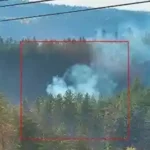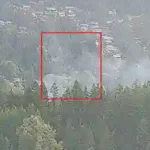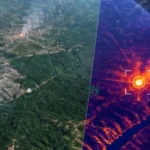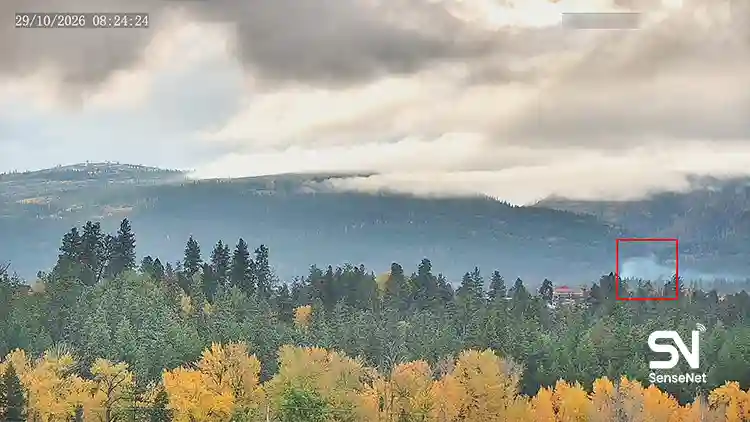
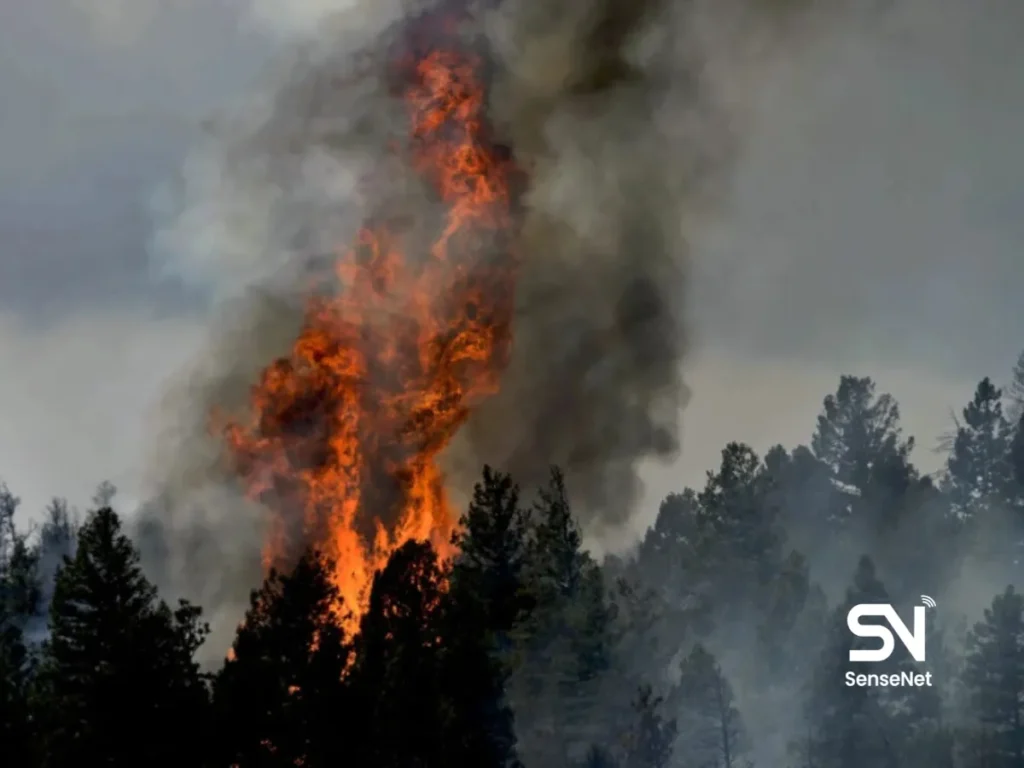
Whenever a crisis occurs, time is the determining factor. If we lose time, disaster will strike. This is especially evident in wildfires. If the golden window for detecting a fire is missed, emergency forces will never be able to reach the scene on time, and as a result, millions of hectares of forest will burn in merciless flames.
This very factor motivated companies like SenseNet to develop systems that use various equipment to detect fires very early and send necessary alerts to emergency forces, thereby playing a crucial role in crisis management.
Many local communities are still unaware of the importance of installing such systems in their forests, facilities, and factories, believing that old systems can prevent crises.
In this article from the SenseNet website, we aim to explore how early fire detection optimizes the response time of emergency forces!
If you’re curious about this topic, we recommend continuing to scroll through this text.
1. Reducing Delay in Initial Detection
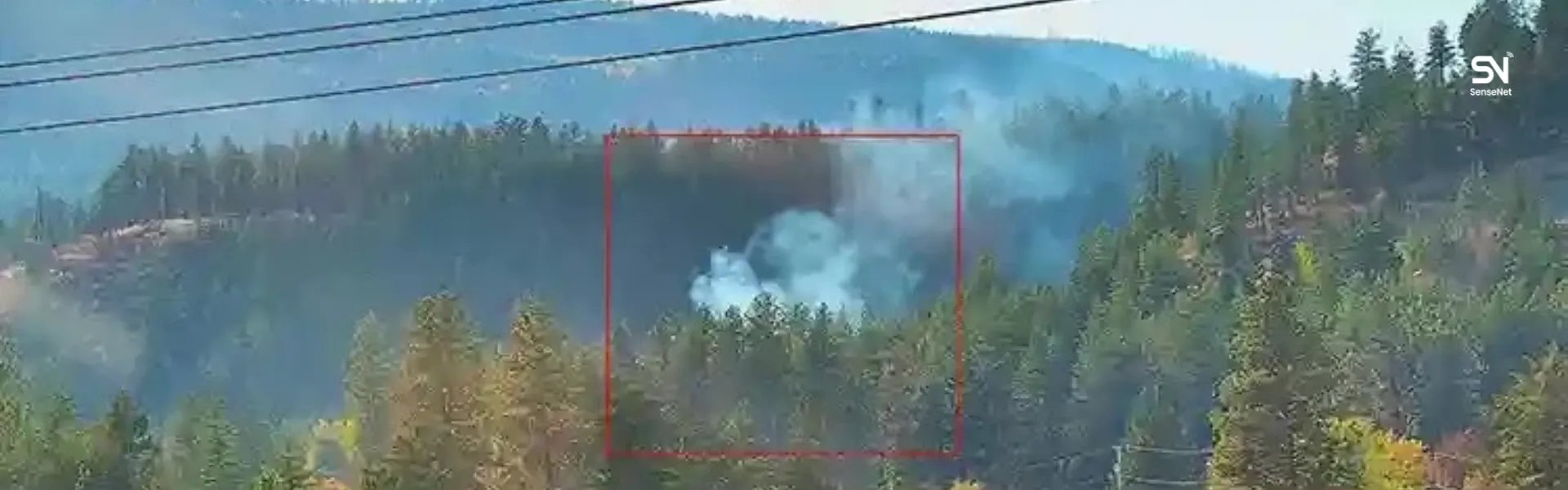
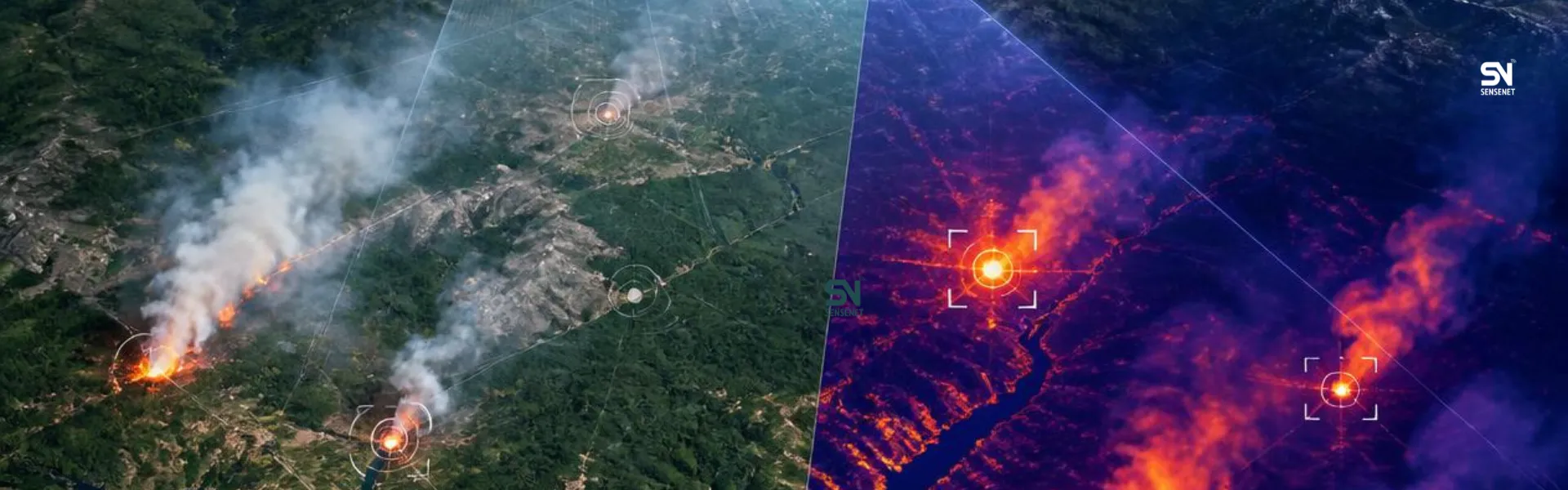
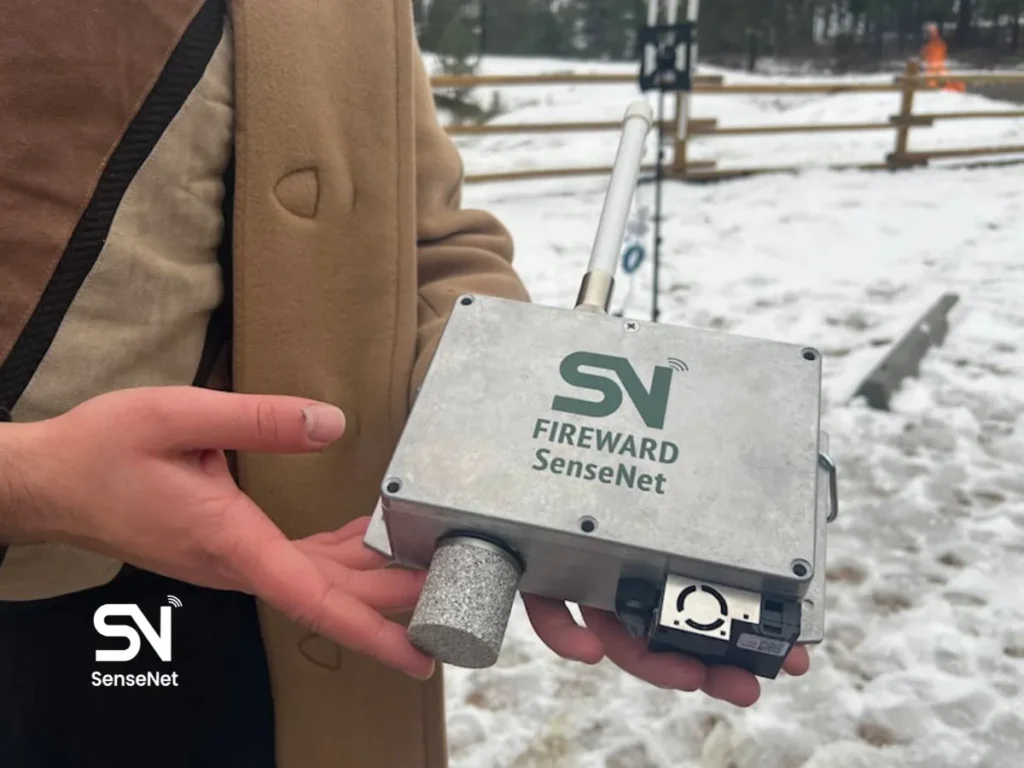
Early detection systems can identify initial signs of fire or smoke before the fire becomes visibly apparent. For example, numerous articles on scientific websites explain that sensors can detect fire even “before smoke or flames are visible,” which means more time remains for response.
When detection happens quickly, the decision-making phase for dispatching emergency forces begins sooner, reducing the gap between the incident and the arrival of emergency teams on the scene.
2. Direct Link to Response Time and Faster Incident Control
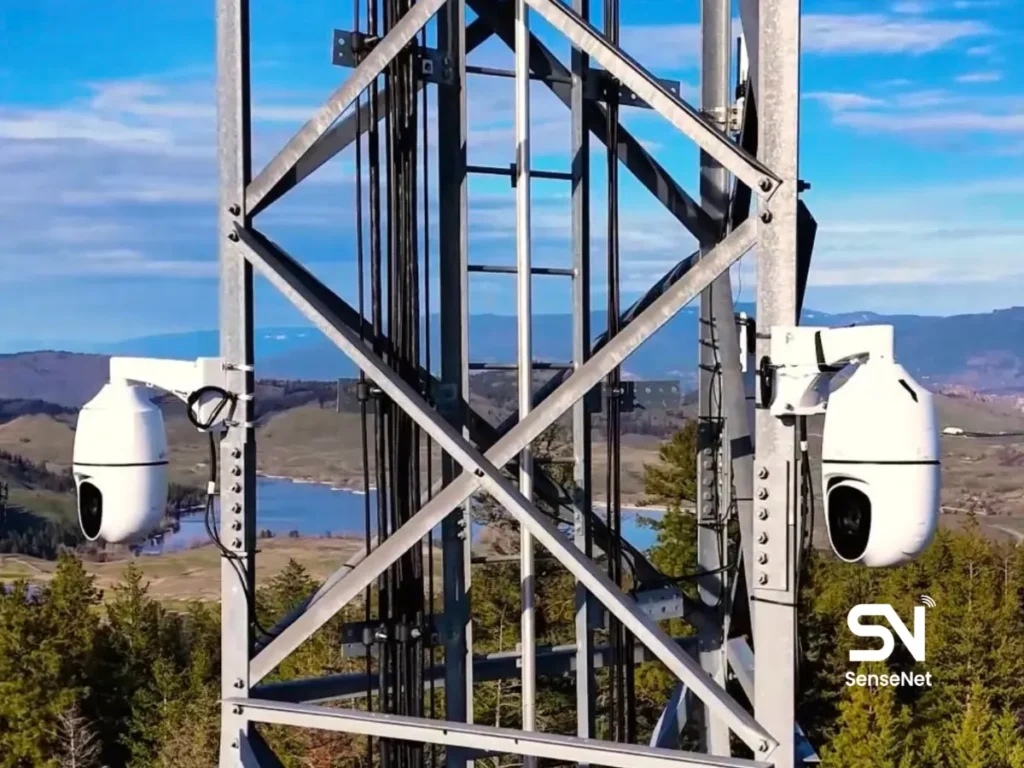
In a research project on “early detection systems using HD cameras and real-time image analysis,” it is stated that these systems reduce the time needed to contain the fire. In other words, the shorter the time for emergency forces to arrive at the scene, the less chance the fire has to spread and cause secondary damages. Therefore, early detection not only provides necessary alerts but also creates a frontline defense for rapid response.
3. Improved Preparedness and Reduced Secondary Risks
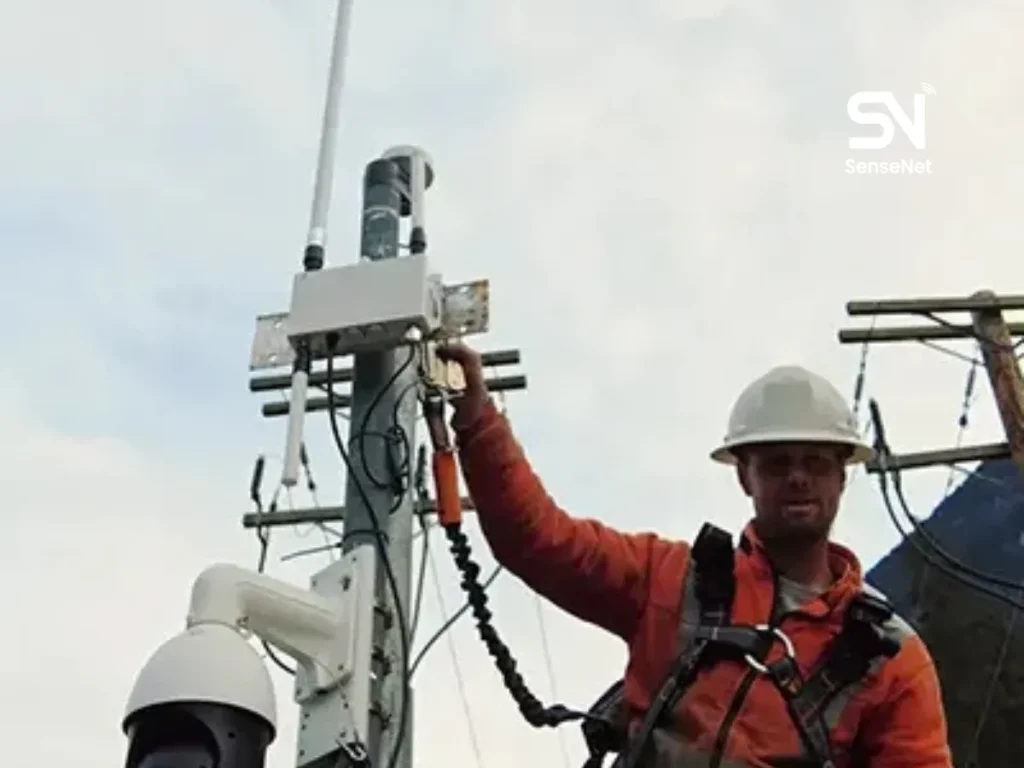
Early detection can prepare conditions so that emergency forces enter the operation with greater readiness. Additionally, costs and dangers arising from fire spread (such as structural collapse, release of toxic gases, emergency evacuations) are reduced. As a result, from a risk management perspective, early detection systems add significant value. Imagine the incident location is inaccessible, and emergency forces need to bring advanced equipment. If there isn’t enough time to gather this equipment, emergency services will naturally be incomplete. Early fire detection systems solve this crisis and dispatch forces to the scene in their most prepared state.
According to reports, systems with these features can prevent damages and potential operational disruptions in processes.
4. Message to Customers and Organizations
For organizations with critical infrastructure (such as data centers, hospitals, manufacturing plants), using early fire detection systems means “managing response time.” At our company, we have streamlined the path of designing, installing, and maintaining early detection systems to minimize the time from alert to emergency operations arrival, providing you with greater security and peace of mind.
Comparison Table: Early Detection vs. Late Detection
| Indicator | Early Detection Scenario | Later Detection Scenario |
| Time to Alert | Very short, a few minutes to one hour after initial flame or smoke | Delayed by several hours or more, when the fire has begun to spread |
| Potential Area Affected by Fire | Smaller, faster containment possible | Large, significant fire spread possible |
| Extinguishing and Control Costs | Lower | Much higher |
| Environmental Damages (Trees, Biodiversity, Carbon Storage) | Less | More |
| Emergency Forces Response Time | Faster, timely arrival possible | Slower, more damage and harder control |
Conclusion
If you operate in an environment close to forests or dense vegetation (such as natural resource companies, manufacturing facilities in low-protection areas, industrial installations near forests), investing in early detection systems is not just a “cost”; it is a strategic part of environmental risk management.
You can visit our solution page for more information about the services provided by SenseNet.