Living in the current era means that many of the old major crises no longer have catastrophic consequences!
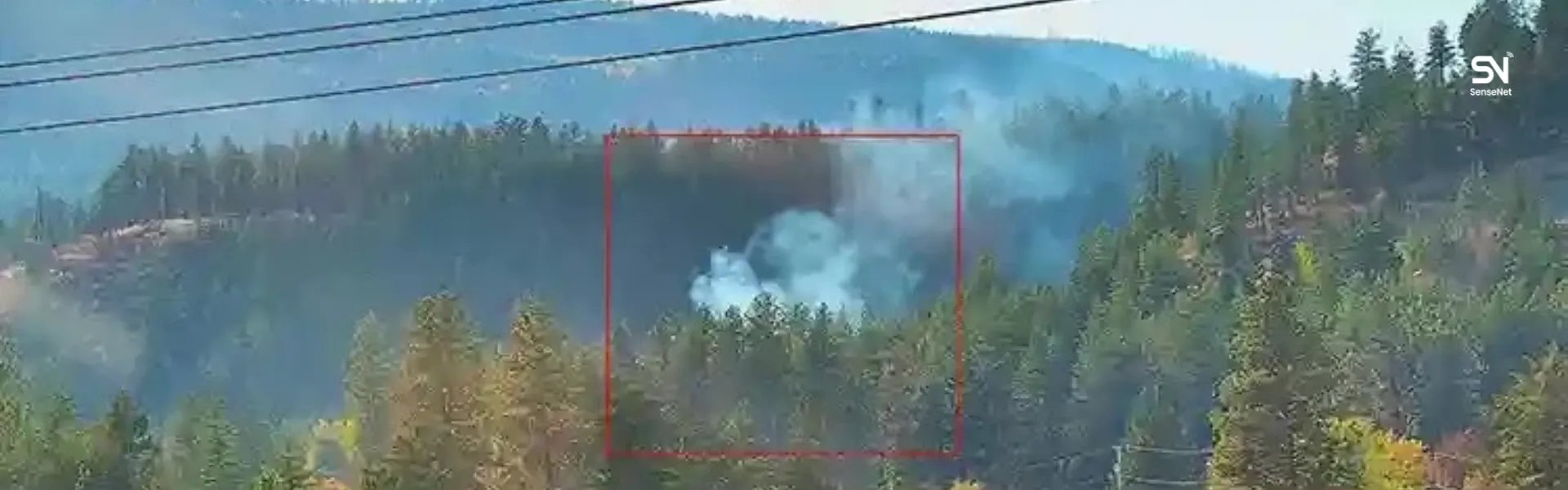
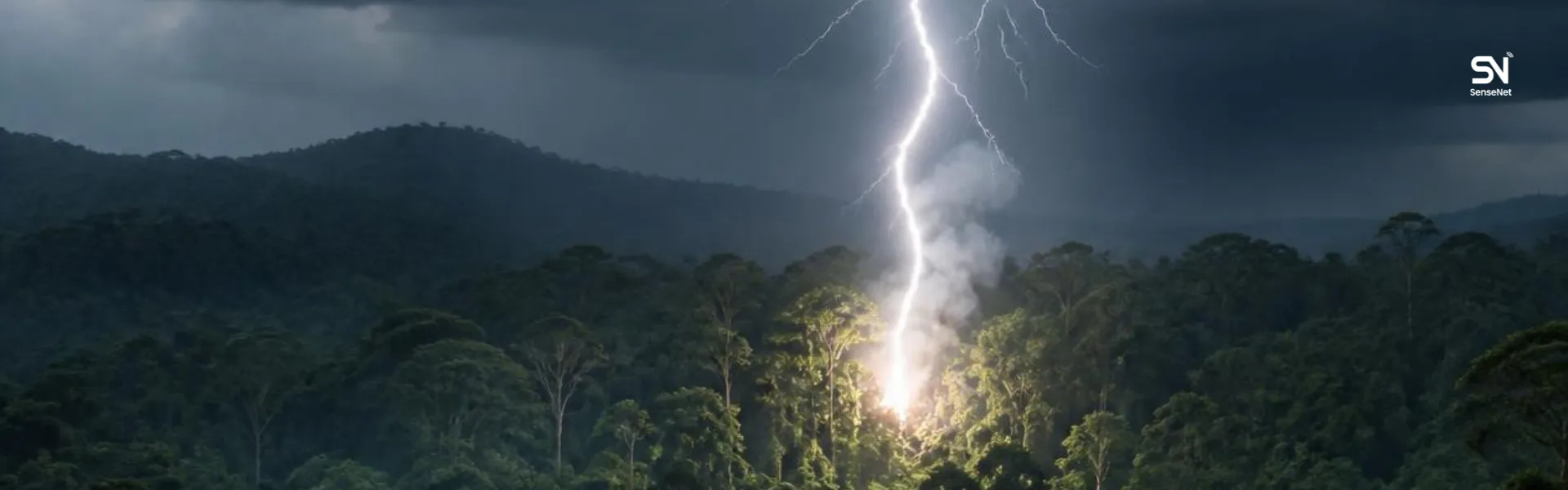
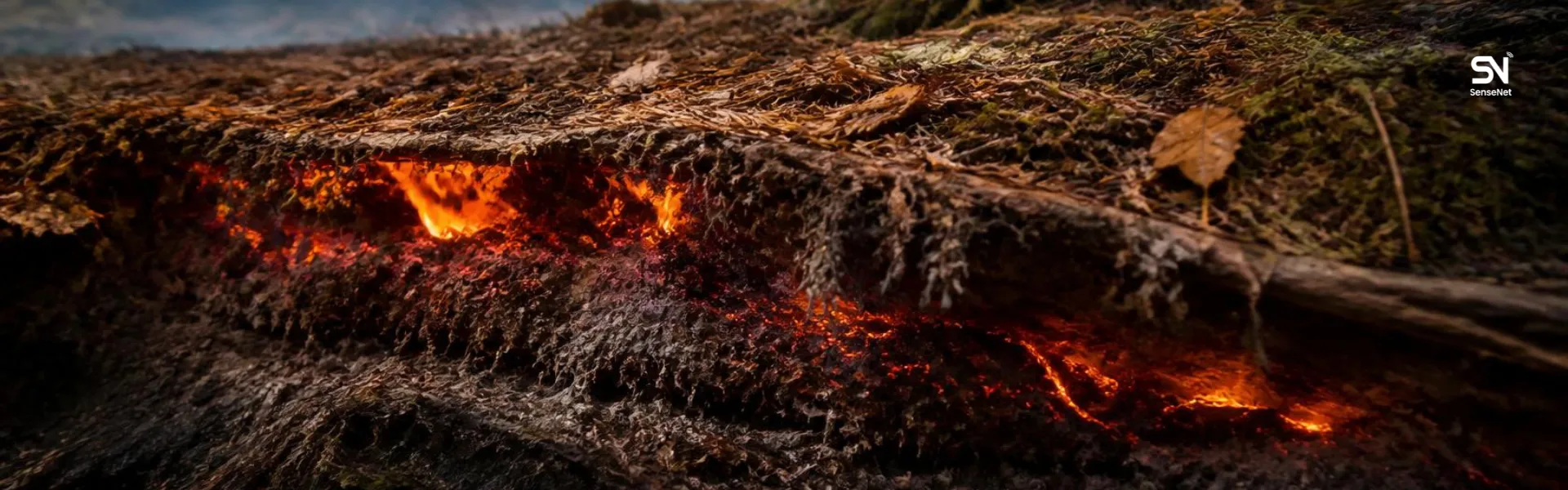
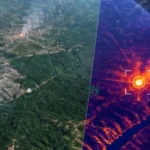
Among all the crises that humanity has faced, large-scale fires continue to this day. Look at the wildfires in Canada, the United States, Australia, Chile, and others to understand what we’re talking about. In 2023 and 2025, millions of hectares of Canada’s forested land burned, and replacing these green areas will take years and decades.
But today, the situation has changed, and we are no longer empty-handed against this crisis. Cyber-physical systems play an important role in preventing large fires from occurring. When we talk about such systems, we mean a combination of computational, networking, and physical technologies that allow the real world (physical) to interact seamlessly with the digital world (cyber).
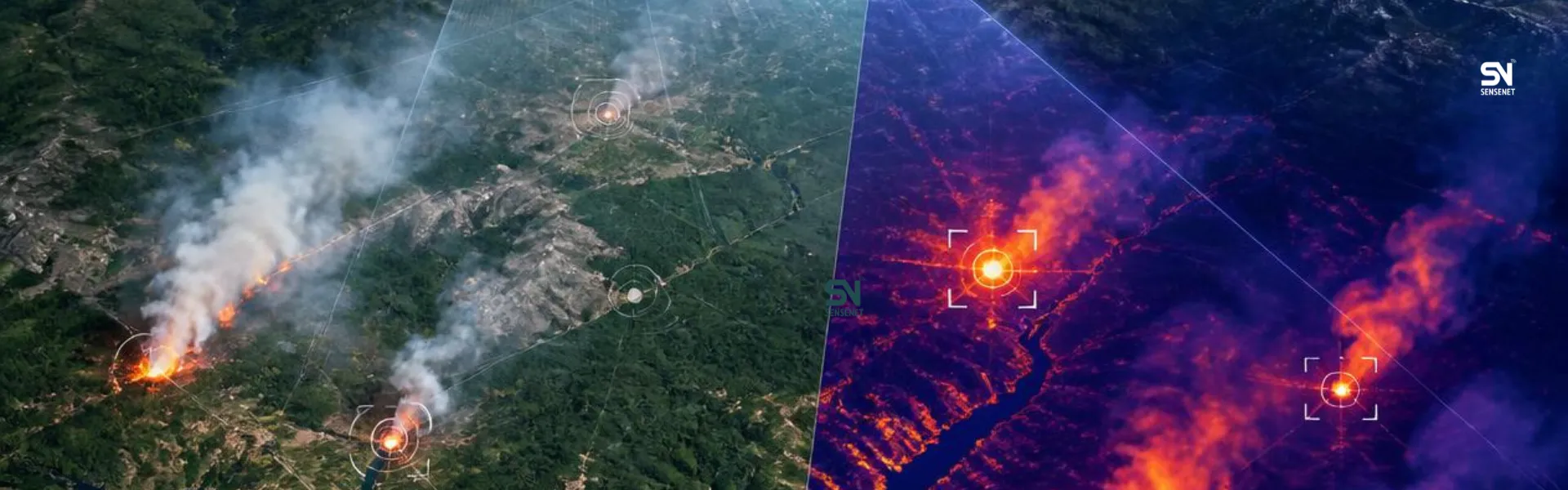
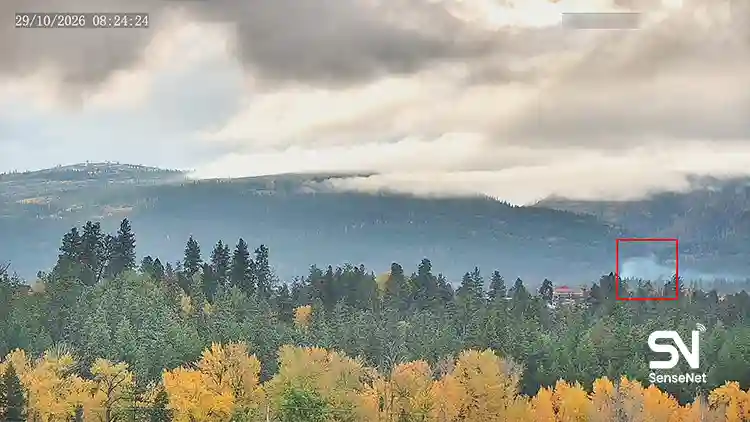
When it comes to early detection of forest fires, these CPSs turn into a combination of IoT sensors, drones, ground robots, and artificial intelligence algorithms that continuously monitor the forest and detect any smoke or fire in the shortest possible time, sending necessary alarms to the relevant authorities.
In this article, we will try to break down the main components of a CPS system and see what technologies are used for wildfire suppression. If you’re interested in this topic or planning to install such a system in the forests around you, be sure to follow this article to the end.
Main Components of a CPS for Wildfires
An advanced CPS typically includes the following components:
Ground IoT Sensors:
- Temperature, humidity, smoke, toxic gas (such as CO and CO₂) sensors, and even thermal cameras.
- These sensors are deployed in a network across the forest and collect data in real-time.
Drones (UAVs):
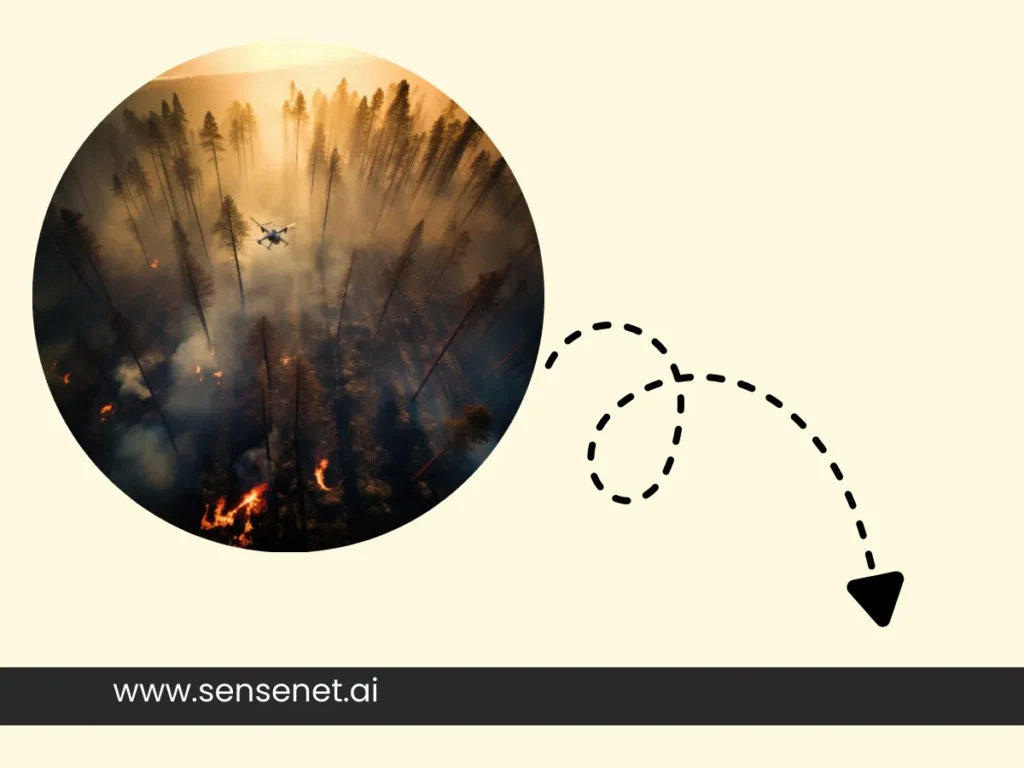
- For aerial surveillance, confirming ground detections, and fire mapping.
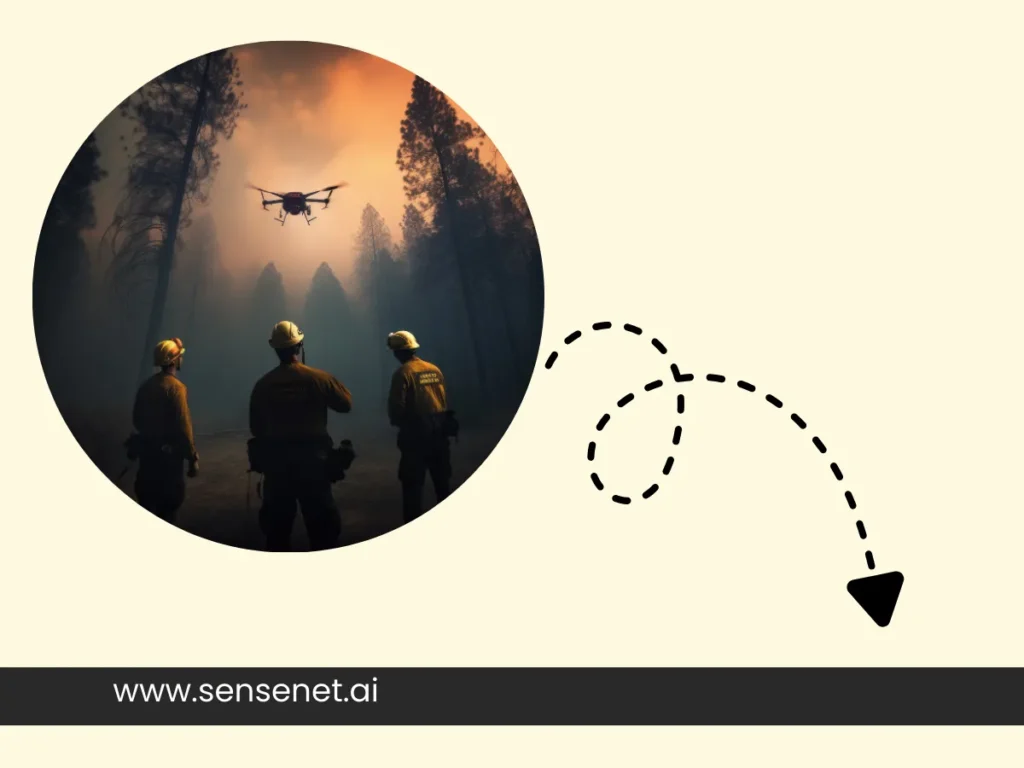
- Equipped with thermal cameras, AI for smoke/fire detection (such as YOLO models), and even suppression mechanisms (dropping fire-extinguishing balls).
- Drones can collect data from ground sensors (in areas without network coverage).
Ground Robots (UGVs):
For accessing hard-to-reach areas and direct suppression operations.
Communication and Processing Systems:
Protocols like LoRaWAN for low-power communication in remote areas. Cloud or edge computing with AI for data analysis and anomaly detection.
Control Software:
Such as Robot Operating System (ROS) for coordination between drones and robots.
Real-World Example: A Proposed CPS
In a study published in 2023, a CPS for wildfire detection and suppression was designed that included the following:
IoT detection nodes for continuous environmental monitoring. ROS-based drones for aerial surveillance and fire detection using deep learning models. Ground robots for fire suppression. Monitoring dashboards and communication bridges with the MQTT protocol.
This system is capable of detecting fires in the early stages and automatically coordinating suppression operations. On the other hand, since that year, satellite imagery and gas and smoke sensors have been added to these systems, creating a more comprehensive system for early fire detection.
Advantages and Challenges
Like any other technology, this one certainly isn’t without flaws. Let’s look at the advantages and disadvantages of CPS systems in two separate sections:
Advantages:
Early detection (up to several hours earlier than traditional methods like watchtowers or human monitoring). Reduced cost and risk for human firefighters. High accuracy (over 99% in some simulations). Scalability for vast areas.
Challenges:
Energy consumption of sensors in remote areas (this issue has been solved with solar-powered batteries). Network coverage in dense forests, which may naturally cause some damage to vegetation. Of course, there are specific methods for networking sensors in forests that minimize this damage. Initial deployment cost. Need for algorithms resistant to environmental errors.
Conclusion
Cyber-physical systems will transform the future of wildfire management. By combining IoT, drones, and artificial intelligence, we can move toward predictive and automated systems that not only detect fires but actively contain them. Projects like SenseNet demonstrate practical advancements in this field. Investing in these technologies can save lives, ecosystems, and natural resources.