

What Is a Wildfire Prediction System and How Does It Work?
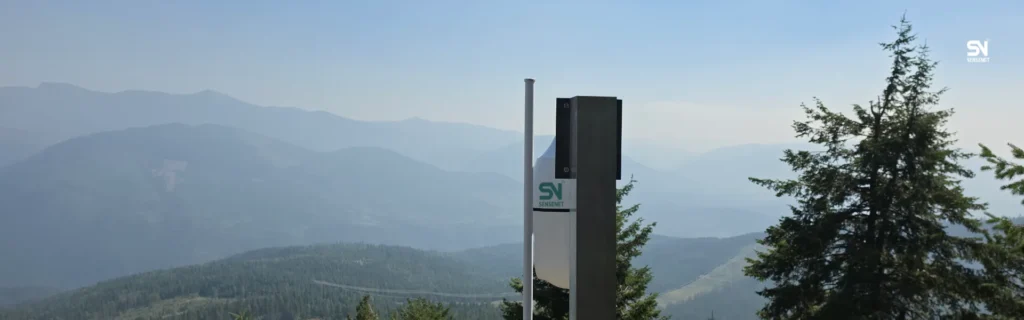
A Wildfire Prediction System uses environmental, weather, geographic, historical, and real-time data to assess wildfire risk.
Modern systems can predict the probability of fire, potential spread, and fire intensity.
AI helps analyze complex patterns, while physical models simulate fire behavior and spread.
The combination of prediction, detection, and real-time observation can improve operational decision-making.
For remote areas, continuous updating and Edge Computing are becoming increasingly important.
Wildfire Detection Technology: Types, Pros & Cons Compared
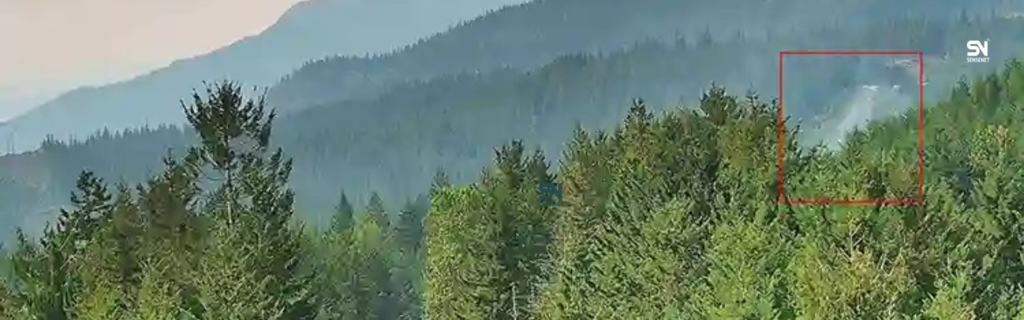
Wildfire detection technology is the set of tools used to spot a fire in its first minutes. This guide compares lookouts, satellites, AI cameras, gas sensors and drones, shows where each one fails, and explains how combining them keeps working even where there is no power or internet.
Wildfire Detection in Remote Areas: Challenges, Solutions, and Smart Monitoring!
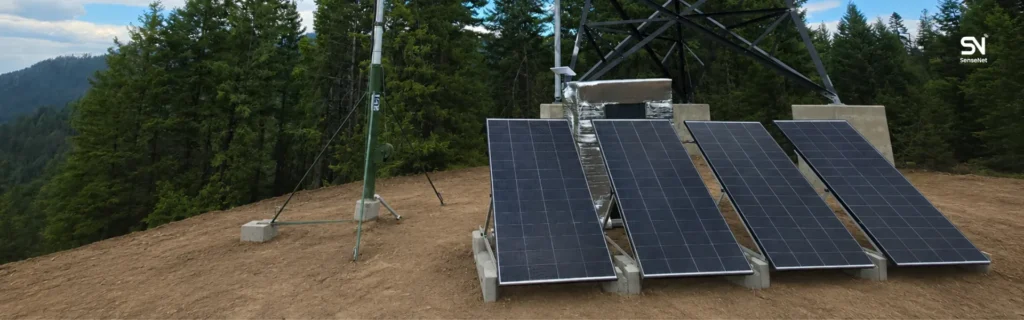
Wildfires that start in remote areas can burn for hours before anyone knows they exist. This article explores how solar-powered cameras, sensors, AI, Mesh networks, and satellite connectivity can make 24/7 wildfire detection possible even where electricity, internet, and human presence are limited. See how SenseNet approaches remote wildfire monitoring and what a reliable system needs to work in challenging environments.
How Climate Change Affects Wildfire Risk!
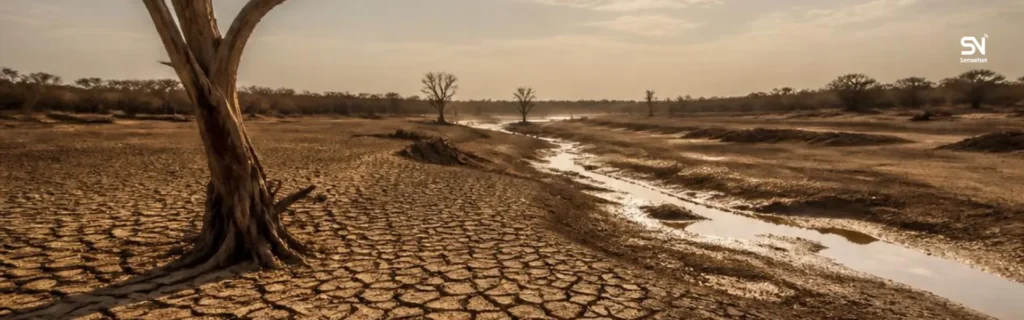
Climate change doesn’t directly start wildfires, but it fundamentally alters the conditions that determine how fires behave. This article breaks down seven specific mechanisms, from rising temperatures and prolonged drought to longer fire seasons, dry lightning, and shifting wind patterns, that are making wildfires more frequent, intense, and unpredictable. Using real-world examples from Canada (2023), Chile (2024), and Turkey (2021), it shows how modern fire management must evolve beyond traditional firefighting to include prevention, early detection technology, and community preparedness. The piece also explores the role of tools like satellite monitoring, early-warning cameras, and AI, while stressing that technology works best alongside human expertise and ongoing maintenance. Ultimately, the article argues that managing wildfire risk in a changing climate requires year-round vigilance, smarter land-use planning, and a shift from reactive response to proactive risk reduction.
Wildfire Resilience in Mediterranean Forests: How Can a Forest Survive Fire?
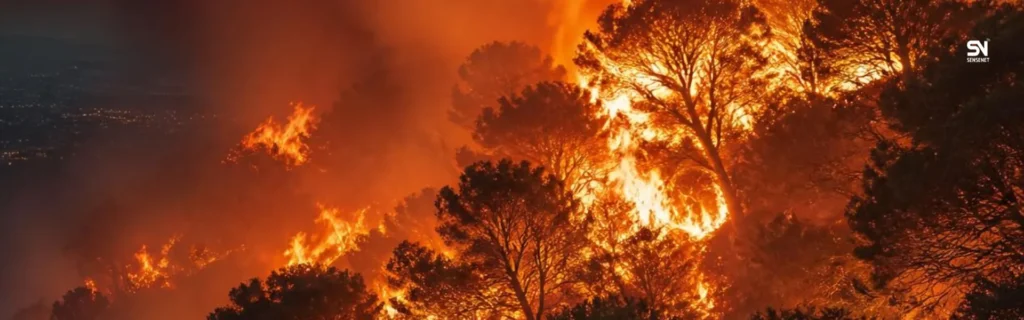
Mediterranean forests have always coexisted with fire, but the fires themselves are changing: they’re starting earlier, spreading faster, and, as Spain’s 2026 season showed, sometimes outpacing what firefighters can directly confront. This article argues that the real question isn’t how to extinguish fire, but how to make forests more resilient to it, meaning they limit fire spread, keep more of their trees and biodiversity, and recover their ecological functions afterward. Drawing on 2025–2026 EU data, Iberian pine-forest research, the Quinta da França case study in Portugal, and firsthand firefighter accounts, it covers fuel management, prescribed burning, satellite and camera-based monitoring, and how resilience itself can be measured, framing it not as a one-time fix but as an ongoing process, in line with the EU’s new prevention-to-recovery wildfire strategy adopted in March 2026.
Forest Restoration After Wildfire: A Science-Based Guide to Recovering Burned Forests
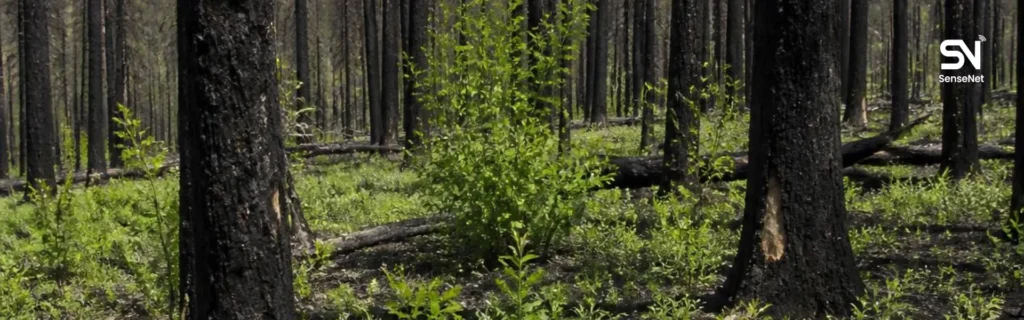
Forest restoration after wildfire is a complex process that goes far beyond replanting trees. Successful restoration begins with assessing fire severity, soil health, natural regeneration, water resources, wildlife habitat, and the risk of future fires. In some areas, natural recovery may be the best approach, while others require targeted planting, erosion control, invasive species management, or long-term ecosystem restoration. Recent restoration experiences also highlight the importance of choosing species that can survive future climate conditions and managing landscapes in ways that reduce vulnerability to repeated wildfires. This guide explores the science and practical challenges of restoring burned forests and explains why the most effective restoration strategies focus on rebuilding healthy, diverse, and resilient ecosystems rather than simply making burned landscapes green again.
Prescribed Burning: What It Is and How Controlled Fire Can Prevent Large Wildfires
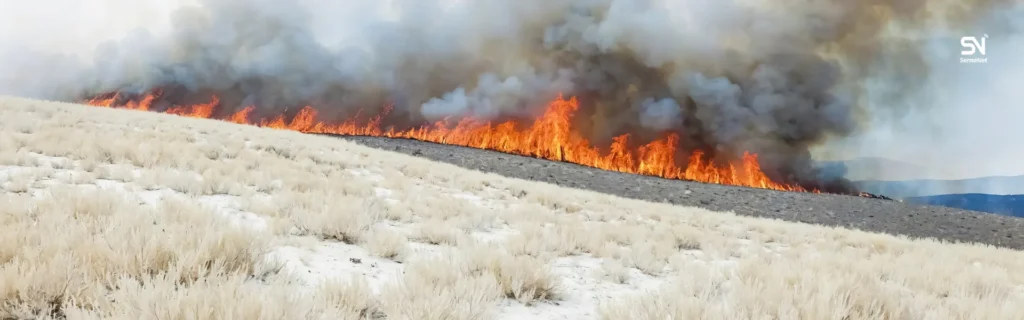
Prescribed burning may sound like a contradiction, but intentionally setting carefully managed fires can play an important role in reducing the risk of severe wildfires. By removing excess vegetation and accumulated fuels under controlled conditions, prescribed fire can help limit the intensity and spread of future wildfires. This article explores how prescribed burning works, when it is effective, why it is not suitable for every ecosystem, and how factors such as weather, fuel conditions, trained personnel, technology, and local expertise influence its success. Drawing on recent research and real-world experiences from firefighters, forest technicians, and fire management specialists, the article also examines the challenges, limitations, and future of prescribed fire and why the goal is not to create forests without fire, but forests that are better prepared when fire arrives.
How to Improve Resilience to Wildfires!
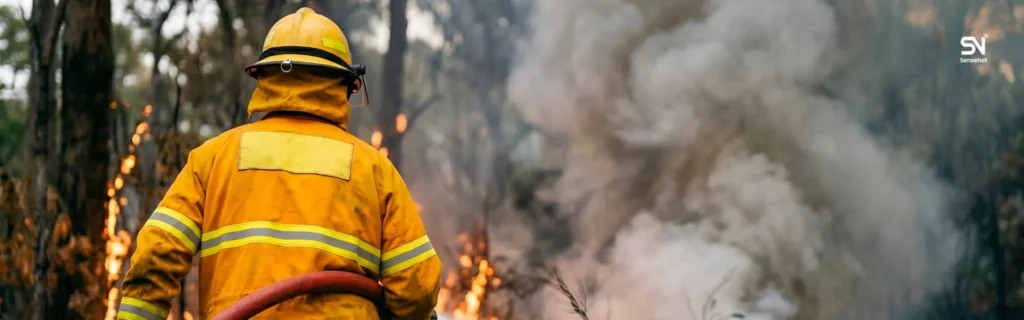
Improving forest fire resilience is no longer limited to suppressing wildfires after they ignite. It requires long-term planning, scientific forest management, continuous monitoring, community involvement, and the smart use of technology. This article explores practical strategies for building more resilient forests while incorporating real-world experiences from wildfire detection technicians, monitoring center operators, and firefighters. It also highlights why early preparation, accurate data, and proactive decision-making are now considered the foundation of modern wildfire resilience.
Wildfire-Resistant Forests: How Modern Forests Are Designed to Survive Wildfires!
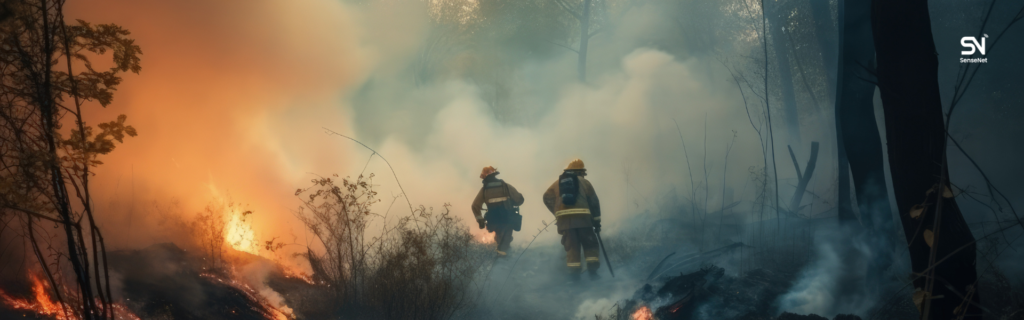
As extreme wildfires become more frequent worldwide, protecting forests is no longer just about extinguishing flames, it’s about building forests that can survive them. Wildfire-resistant forests are designed to reduce fire intensity, slow fire spread, and recover more quickly after major wildfire events. This article explores the science behind resilient forest ecosystems, the practical management strategies used in California and Canada, and the growing role of artificial intelligence, satellite monitoring, and fuel management. Drawing on real-world experiences and current wildfire resilience practices, it explains why preparing forests before a fire begins is becoming one of the most effective approaches to reducing environmental and economic losses.
The Causes of Wildfires: Silent Killers We Rarely Talk About!
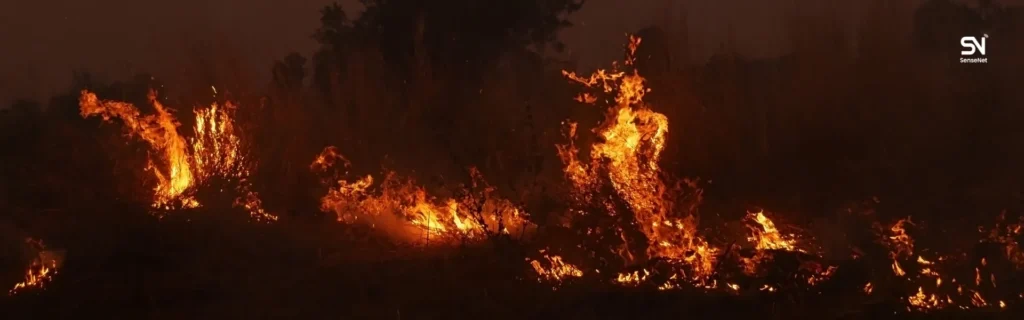
The Causes of Wildfire: Discover the silent killers behind forest fires that few talk about, from drying wetlands and abandoned dry branches to pollen as a hidden catalyst. Explore lesser-known factors and real solutions beyond lightning and human error.