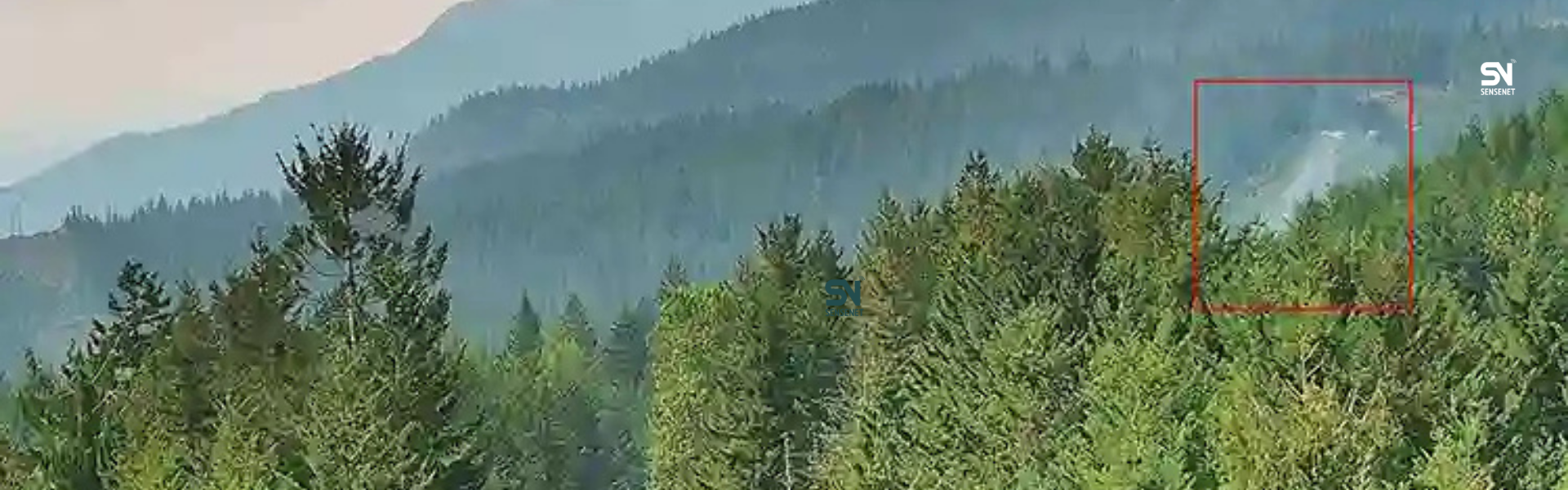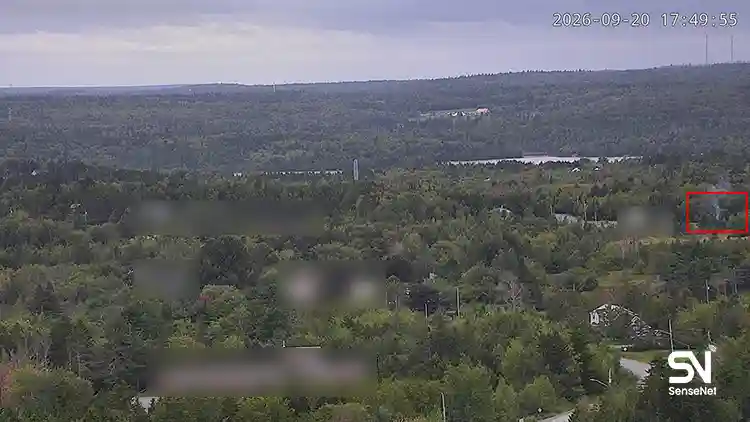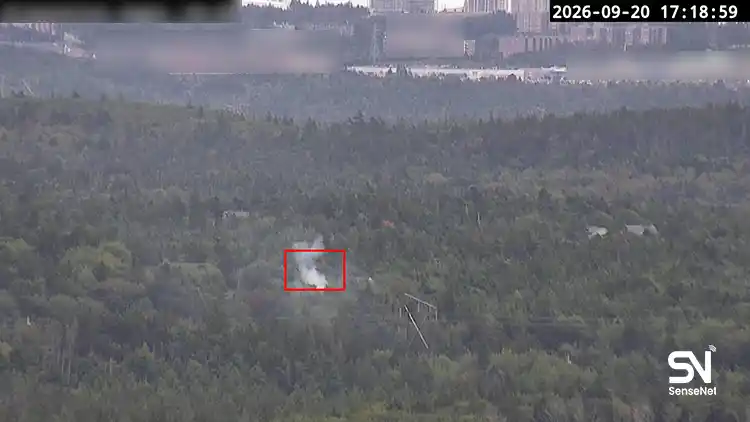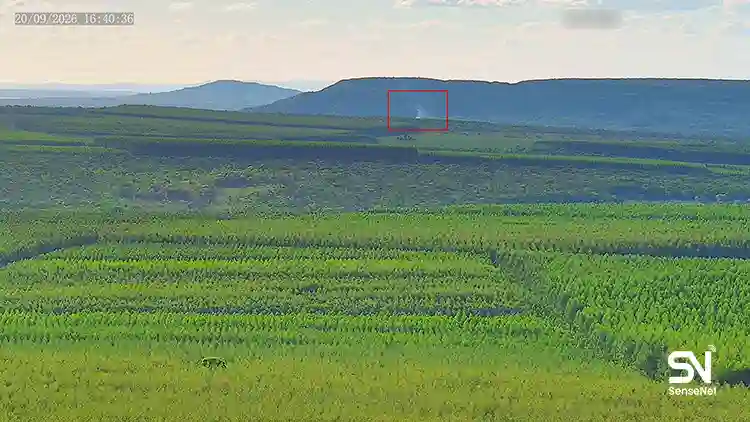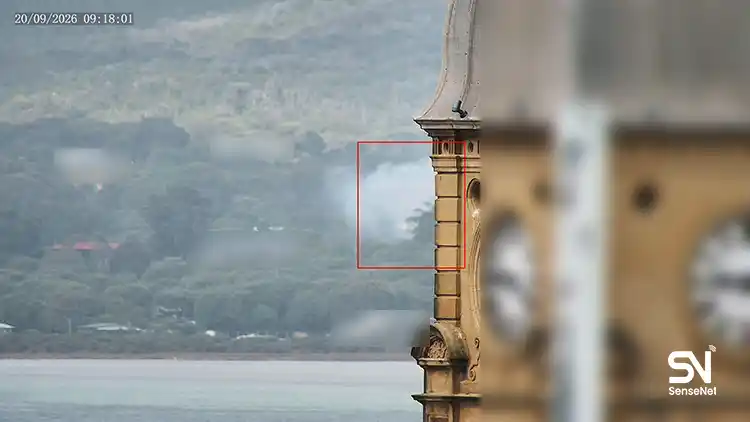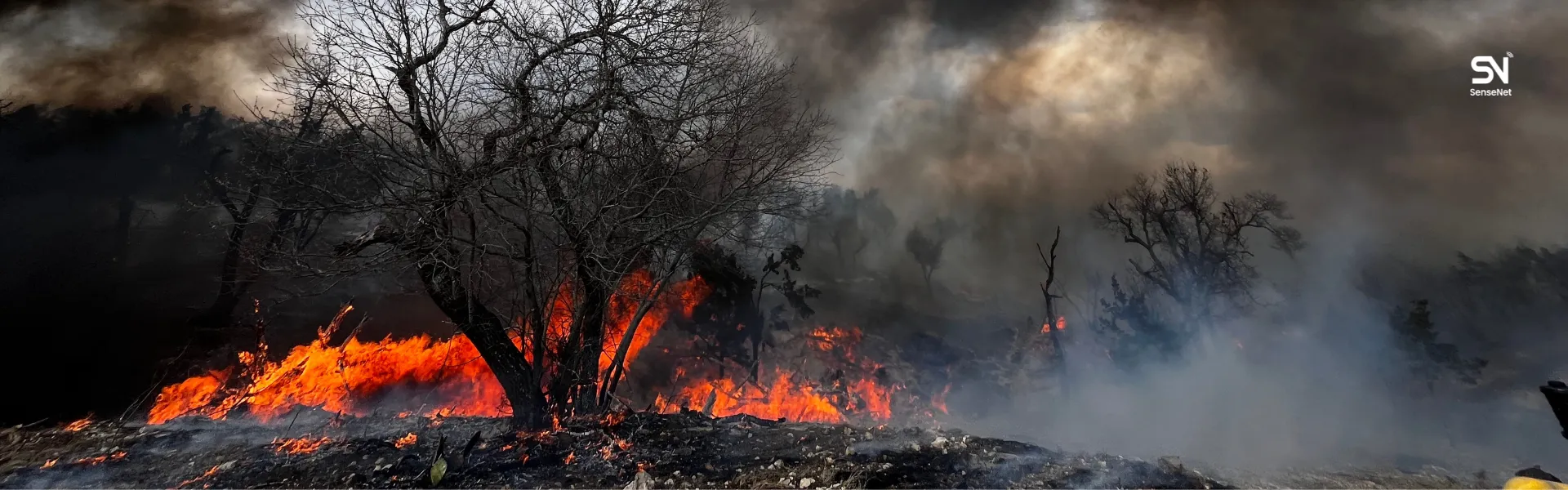
What is Real-Time Wildfire Detection?
Real-time wildfire detection refers to a collection of technologies capable of identifying the early signs of a wildfire within seconds or minutes after ignition and immediately notifying control centres and emergency response teams.
Today, advanced systems combine artificial intelligence, thermal cameras, environmental sensors, satellite imagery, and weather data analytics to reduce wildfire detection times from several hours to just a few minutes.
In this article, we explore these detection systems and provide a fresh perspective on how they work. If you are curious about this topic and would like to learn more, keep reading.
Why Is Real-Time Wildfire Detection Important?
According to several disaster management reports, the most important factor in controlling wildfires is the speed of detection. The shorter the time between ignition and the notification of emergency responders, the greater the likelihood of containing the fire in its early stages.
An analysis of ten major wildfire events in Canada shows that delayed detection was one of the primary reasons those fires spread extensively.
In many regions, wildfire detection still relies on:
- Public reports
- Traditional observation methods
- Ground patrols
- Watchtowers
These methods are often associated with delays. In many cases, fires are reported only after a significant portion of vegetation has already been affected, resulting in millions of dollars in suppression costs. Even then, there is no guarantee that the fire can be successfully contained.
Real-time wildfire detection systems are designed to reduce this delay.

How Does a Real-Time Wildfire Detection System Work?
Modern wildfire detection systems typically consist of multiple monitoring layers that observe the environment simultaneously.
SenseNet technicians provided additional insight into how these systems operate.
1. AI-Based Smoke and Flame Detection
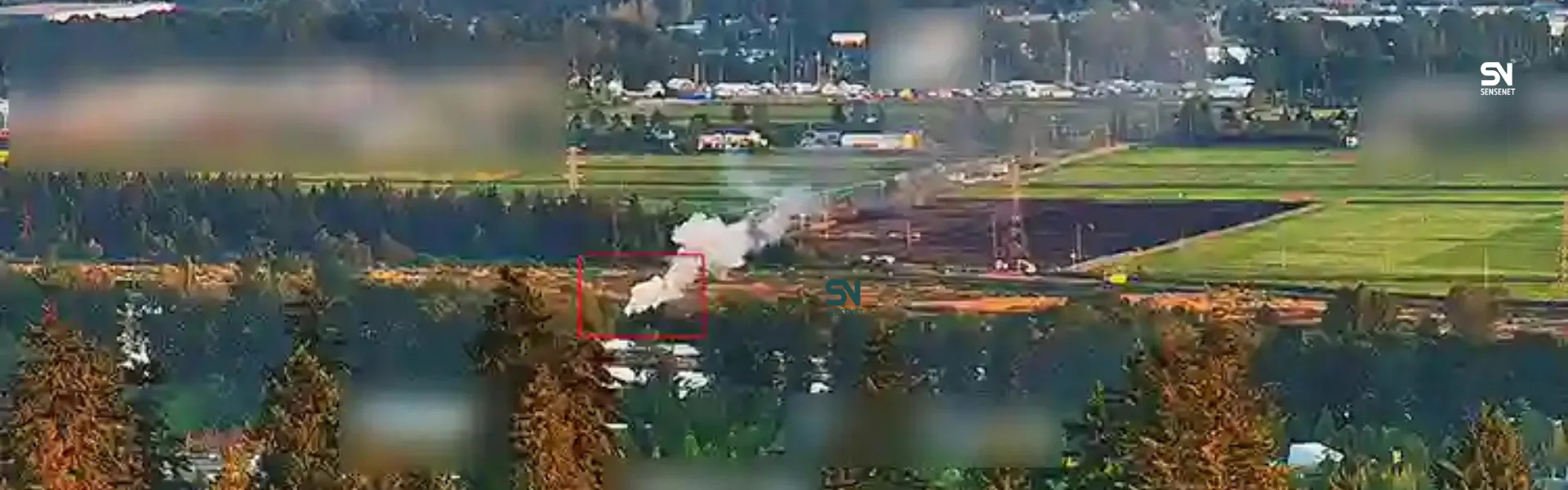
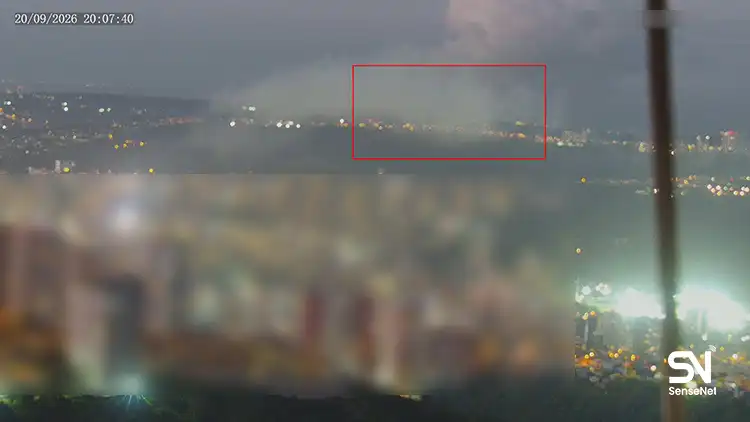
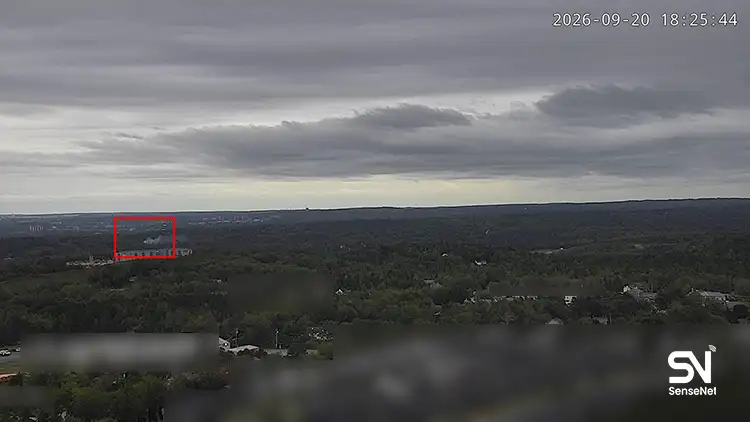
In this approach, fixed or rotating cameras continuously monitor forested areas around the clock.
Artificial intelligence algorithms analyze incoming images and look for:
- Smoke patterns
- Early flame signatures
- Unusual environmental changes
- Smoke movement and expansion
One of the most important advantages of this technology is its ability to distinguish wildfire smoke from fog, clouds, dust, and vehicle exhaust.
As a result, false alarms are significantly reduced, increasing emergency response teams’ trust in the system. Traditional fire detection systems often struggle to deliver reliable performance because of the high number of false alerts. Fortunately, modern real-time detection solutions have substantially addressed this issue.
2. Thermal Camera Technology
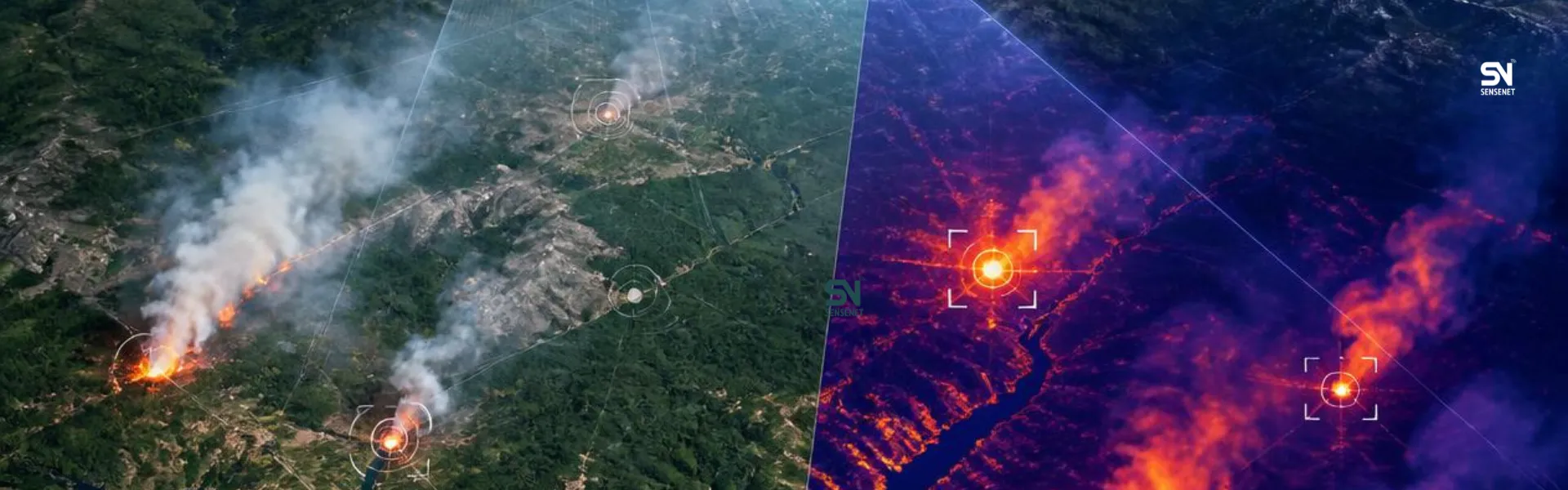
Thermal cameras detect infrared radiation rather than visible light.
As a result, they can:
- Operate effectively at night
- Detect hotspots before visible flames appear
- Identify heat signatures even through light smoke
This capability is especially valuable in mountainous regions and dense forests where physical access may be difficult or impossible.
3. Environmental Sensor Networks (IoT)
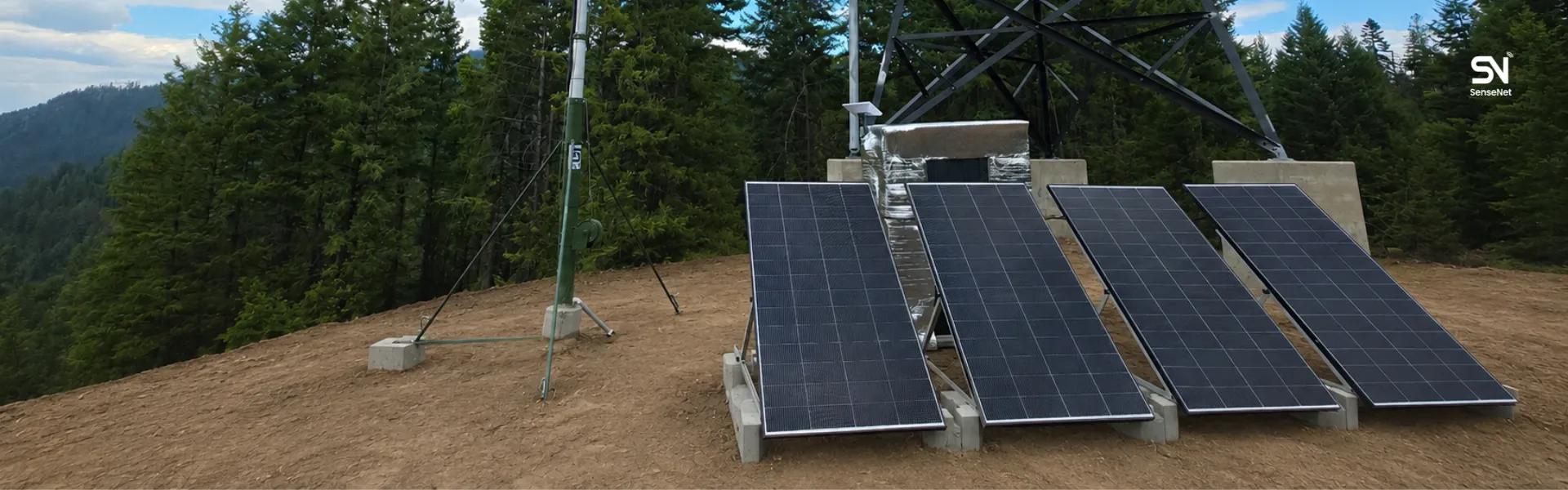
Many advanced wildfire detection projects deploy networks of sensors throughout forested areas.
These sensors monitor parameters such as:
- Temperature
- Humidity
- Wind speed
- Air quality
- Particulate matter concentration
- Combustion-related gases
Whenever unusual patterns are detected, alerts are generated automatically.
These sensors can operate for years without requiring battery replacement. In fact, a significant portion of modern wildfire detection infrastructure relies on these sensor networks.
4. Satellite Monitoring
Satellites make it possible to monitor extremely large geographic areas.
Their primary advantages include:
- Wide-area coverage
- Monitoring of remote locations
- Surveillance across extensive geographical boundaries
However, due to imaging intervals and weather-related limitations, satellite monitoring alone is generally insufficient for ultra-fast wildfire detection and is typically combined with other technologies.
Which Technology Provides the Fastest Detection?
If the objective is to identify wildfires during their earliest stages, combining AI-powered cameras with thermal imaging technology offers the best performance.
Approximate Detection Times
| Technology | Approximate Detection Time |
| Public Reporting | 15–120 minutes |
| Watchtowers | 10–60 minutes |
| Satellite Monitoring | 5–30 minutes |
| Thermal Cameras | 1–10 minutes |
| AI-Based Visual Detection | Less than 5 minutes |
| Multi-Layer Detection Systems | Near Real-Time |
For this reason, professional wildfire protection projects typically rely on multiple technologies operating together.
Why Do Some Systems Perform Poorly in Real-World Conditions?
One topic that is rarely discussed is the difference between laboratory performance and real-world performance in wildfire detection systems.
In many regions, environmental conditions can generate false alarms. Examples include:
- Dust storms
- Morning fog
- Smoke from agricultural activities
- Extreme temperature fluctuations
Experience has shown that the success of a wildfire detection project depends not only on hardware quality but also on how effectively the algorithms are adapted to local environmental conditions.

Field Experience: When a Few Minutes Can Change the Fate of an Entire Region
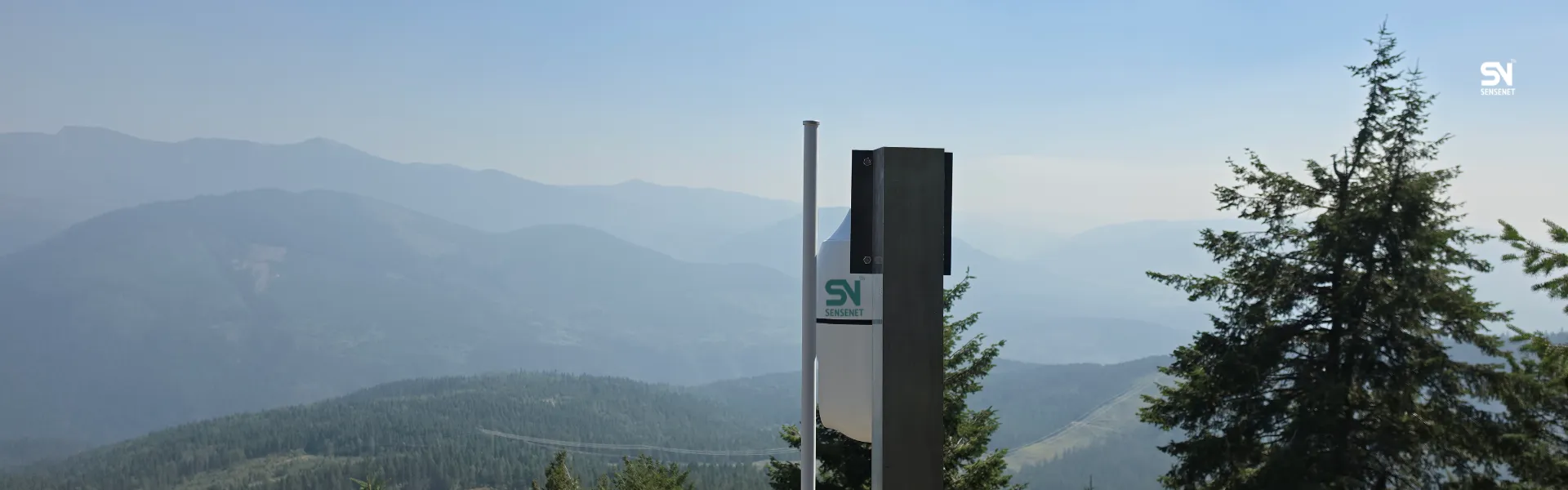
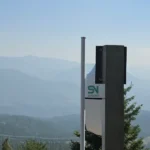
One real-world example of early wildfire detection technology comes from SenseNet’s deployment at Predator Ridge in British Columbia, Canada.
Due to dense forest coverage, seasonal drought conditions, and rising summer temperatures, the area had become increasingly vulnerable to wildfire risks in recent years. Following a two-year pilot program conducted in collaboration with Vernon Fire Rescue Services, the system was approved for full-scale deployment.
The project included:
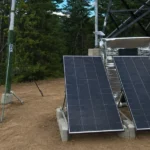
- More than 100 environmental sensors
- Five communication stations
- Five intelligent camera systems
installed throughout the region.
The system simultaneously analyzed:
- Air chemistry data
- Temperature readings
- Humidity levels
- Thermal imagery
- Visual camera feeds
- Satellite data
However, the most interesting aspect of the project extended beyond the hardware itself.
According to the implementation team, one of the greatest challenges was reducing false alerts caused by environmental conditions. On certain days, weather changes, dust, and unique climatic patterns could resemble the early indicators of wildfire activity.
To address this challenge, the system’s AI algorithms were continuously trained using real-world environmental data collected from the region. This enabled the platform to distinguish actual wildfire threats from normal environmental variations.
The result was a multi-layer detection system that does not rely on a single source of information. Instead, it simultaneously analyzes sensor data, smoke detection cameras, thermal imagery, satellite observations, and weather conditions.
This approach significantly reduces false alarms while shortening emergency response times.
The Predator Ridge project provides an important lesson for wildfire detection initiatives:
The success of a wildfire detection system depends not only on hardware quality but also on how effectively its algorithms are adapted to local environmental conditions.
In many projects, installing equipment is only the beginning. The more critical phase involves collecting field data, analyzing seasonal environmental behavior, and continuously optimizing artificial intelligence models. These factors ultimately determine the long-term effectiveness of early wildfire detection systems.
Is Investing in Real-Time Wildfire Detection Systems Cost-Effective?
The short answer is: Yes.
The cost of suppressing a large-scale wildfire is often several times higher than the cost of implementing an early wildfire detection system.
The economic benefits of these systems include:
- Reduced firefighting and suppression costs
- Prevention of infrastructure damage
- Reduced damage to natural resources
- Protection of biodiversity
- Lower insurance-related losses
- Improved public safety
The more frequently a region experiences wildfire incidents, the faster the return on investment for these systems.
In addition to direct financial savings, early detection technologies can help prevent long-term environmental consequences that may take decades to recover from. Forest restoration, habitat reconstruction, and soil rehabilitation often require significant resources and time. Preventing a wildfire from reaching a large scale is therefore not only an operational advantage but also an environmental and economic necessity.
For organizations responsible for managing forests, utility infrastructure, industrial facilities, or protected natural areas, investing in real-time wildfire detection can substantially reduce operational risk while improving emergency preparedness.
Frequently Asked Questions
What Is Real-Time Wildfire Detection?
Real-Time Wildfire Detection is the process of using advanced technologies to identify the earliest signs of wildfire ignition within seconds or minutes and immediately report them to emergency response teams.
What is the fastest method for detecting wildfires?
Currently, the combination of AI-powered visual analysis and thermal imaging cameras is considered one of the fastest wildfire detection methods available.
Can wildfire detection systems operate at night?
Yes.
Thermal cameras function independently of visible light and can identify hotspots and heat signatures even in complete darkness.
Are satellite images sufficient for wildfire detection?
No.
Although satellites provide extensive geographical coverage, they are generally not fast enough for ultra-early detection and are most effective when used alongside other technologies such as AI cameras, thermal imaging systems, and environmental sensors.
What is the main advantage of real-time wildfire detection?
The primary advantage is reducing the time between ignition and emergency response.
This rapid response capability can prevent a small fire from escalating into a large-scale disaster.
Conclusion
Real-Time Wildfire Detection is no longer a futuristic concept. It has become one of the most important tools for risk management and environmental protection.
Organizations that combine artificial intelligence, thermal cameras, environmental sensors, and advanced data analytics can significantly reduce wildfire response times and improve overall operational effectiveness.
However, practical experience demonstrates that successful deployment depends on more than technology alone. Understanding local environmental conditions, collecting real-world data, and continuously optimizing system performance play a critical role in achieving reliable results.
The future of wildfire protection belongs to organizations capable of combining advanced technology with field experience and local knowledge. Those that successfully integrate these elements will be better equipped to detect fires earlier, respond faster, and minimize both environmental and economic losses.
As wildfire risks continue to increase worldwide, real-time detection systems will become an increasingly essential component of modern wildfire prevention and management strategies.
Author: Neda Khanifar – Content Team Lead