Almost every Canadian wonders why our government spends so much money on extinguishing wildfires instead of taking preventive measures seriously.
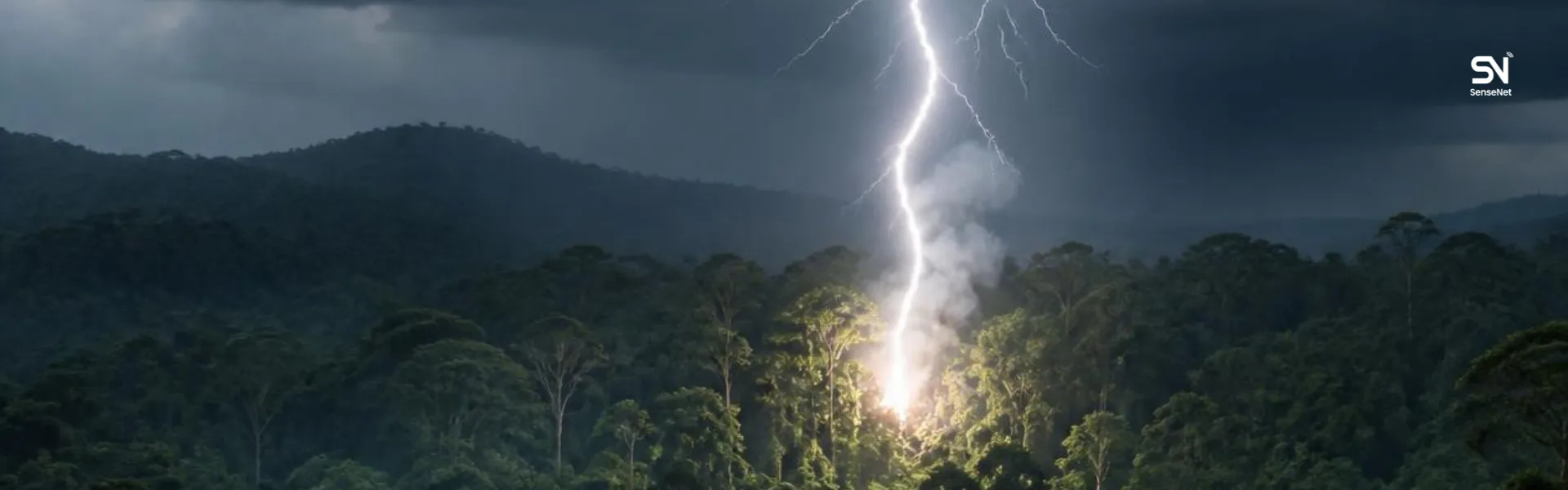
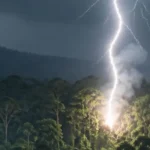
The reality is that a portion of today’s wildfires in Canada are completely preventable. But this issue can be considered at three levels: wildfires caused by natural conditions such as lightning cannot really be prevented. However, both the government and the people can minimize human-caused wildfires by following certain guidelines.
In this article from the SenseNet website, we intend to point out ways to prevent forest fires, and our emphasis is on using modern prevention methods. If, as a Canadian, you have been affected by this issue and are looking for modern preventive strategies, be sure to keep scrolling.

7 Ways to Prevent Forest Fires
If you live in areas exposed to wildfires, it is very important to know these preventive methods and become familiar with their different aspects. Below, we have listed 7 methods that stop the spread of fire and keep it limited.
1. Managing Flammable Zones of the House
One of the best things every homeowner should do to prevent fire is to manage the flammable areas of the house. This is even more critical for those whose houses are located near forested environments.
As a first step, clear your yard of items that are flammable. For home decoration, go for materials that are less combustible.
Generally, two zones are considered for a house: Zone 0 and Zone 1.
- In Zone 0, which is within 0 to 5 meters of the house, there should be no flammable materials at all.
- In Zone 1, which covers 5 to 30 meters around the house, the following points must be observed:
- Remove combustible materials.
- Collect dry grass and plants from the yard regularly.
- Leave space between trees, bushes, and saplings around the house so that fire cannot easily spread between them.
The more carefully the risky points around the house are managed, the lower the chance of fire spreading will be, and this way, your assets and property will be protected.
2. Avoid Fireworks
Who doesn’t like fireworks? We all watch the sparks with joy and excitement as they light up the sky. But none of us usually asks: What will happen to these sparks? Could they land on a dry bush in the forest and trigger a major crisis?
It is recommended that in communities where wildfires occur frequently, fireworks should be avoided, unless approved by local authorities and carried out in a safe and controlled environment.
Another recommendation is always to have a bucket of water at hand as a precaution. If fireworks get out of control, you can manage them and extinguish them quickly.
We have seen time and again that children, out of ignorance, have caused major crises. Therefore, it is best to keep flammable fireworks materials out of children’s reach.
3. Be Responsible When Camping
Never leave a campfire you have started without supervision or a watch. Make sure your fire is surrounded by stones or blocks. This way you prevent it from spreading.
Every camper and hiker in Canada knows that before starting their adventure, they must first check the weather conditions and make sure the climate is suitable for camping and lighting a fire.
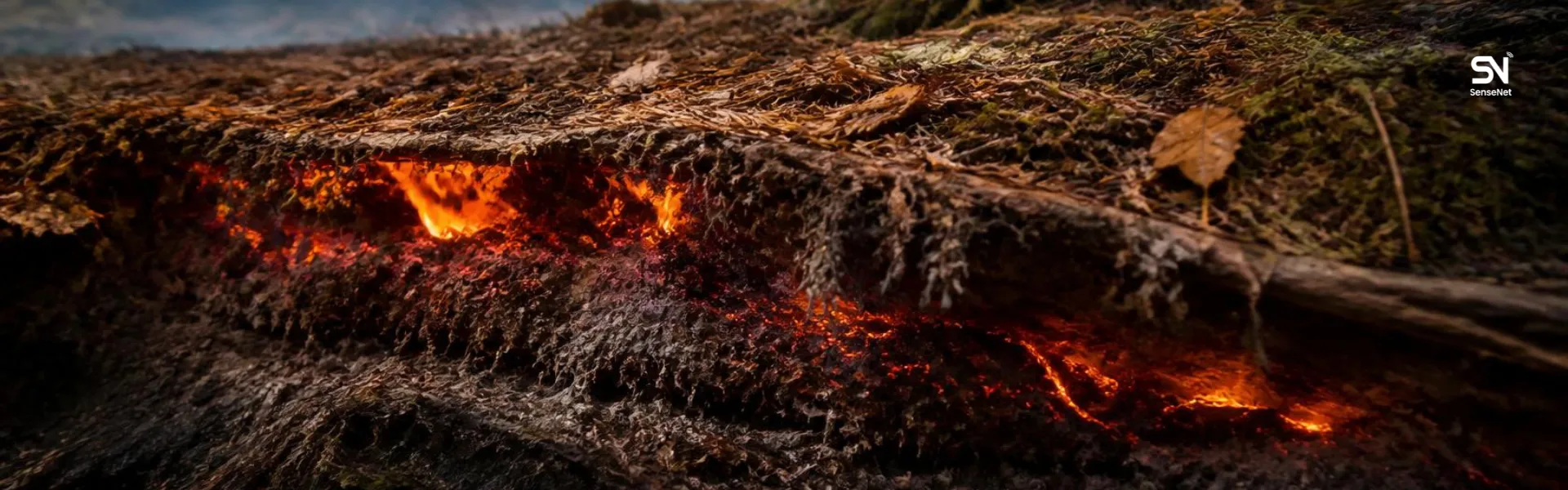
At the end of your camping, also make sure to put out your fire completely with water. Sometimes a small flame hidden under the ashes can change the fate of an entire forest.

4. Dispose of Cigarettes Properly!
A large portion of wildfires happen because of the carelessness of people who don’t know what to do with their cigarette butts. That’s why they throw them out of a moving car into nature, causing disaster. Or while camping or hiking in the forest, they toss their cigarette aside, creating a massive fire.
Before throwing away your cigarette, make sure it is completely extinguished. It’s best to keep a special container for cigarettes so you can safely put your butts inside it.
5. Install Early Fire Detection Systems!
If we don’t use modern technologies today to save our forests and ourselves, then when should modernization serve us?
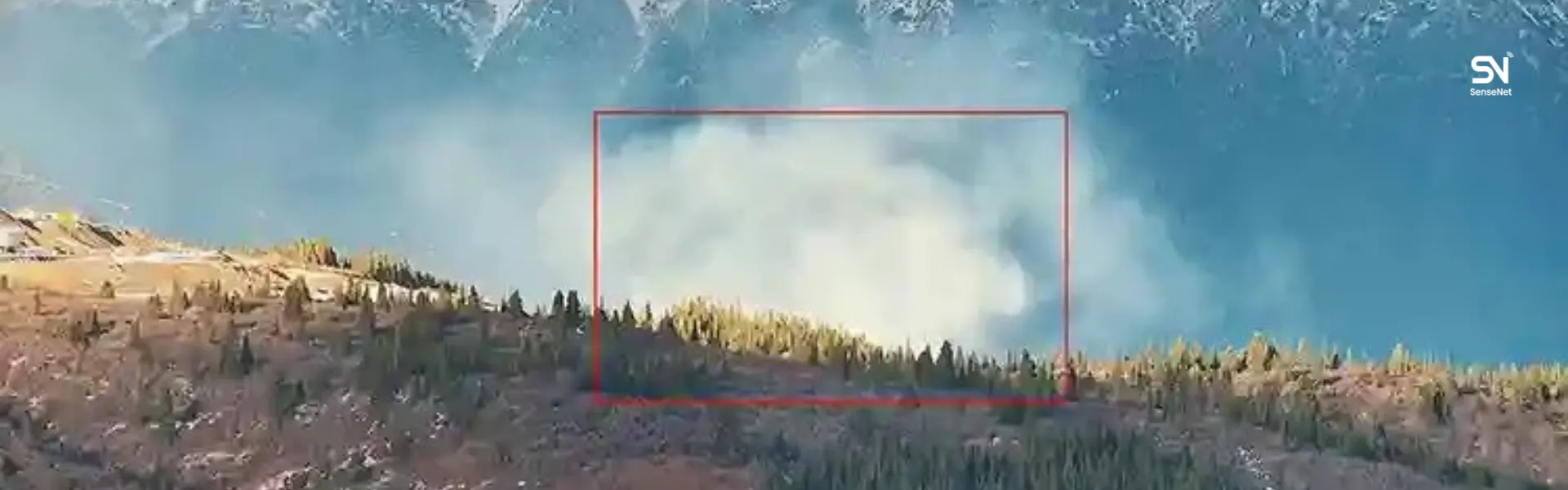
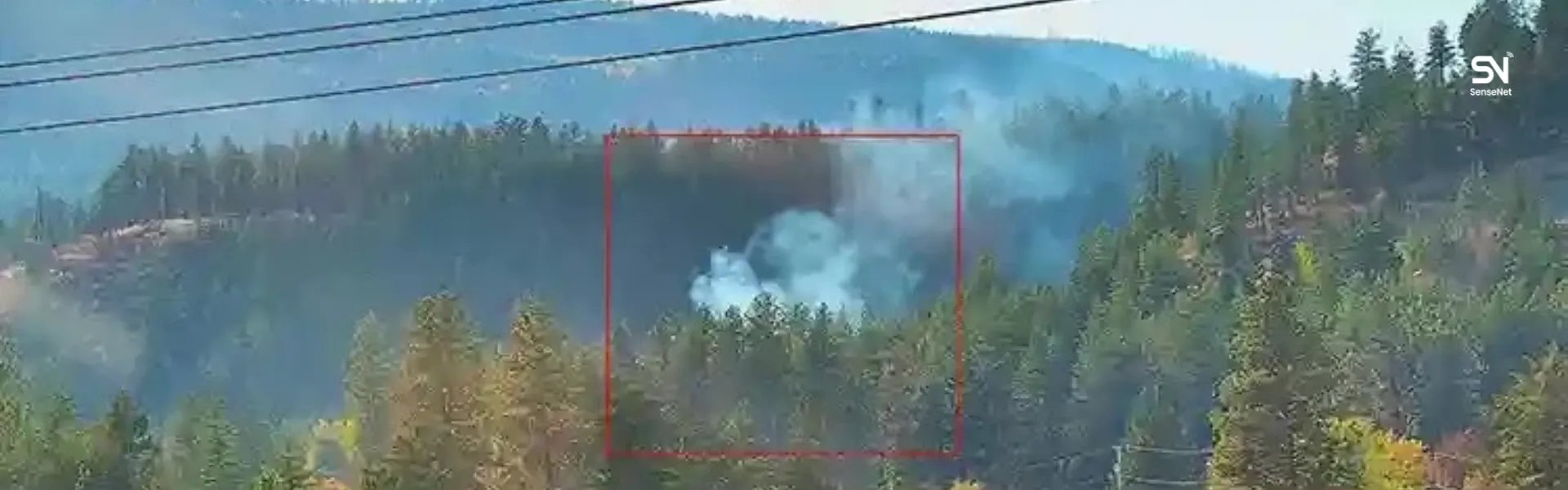
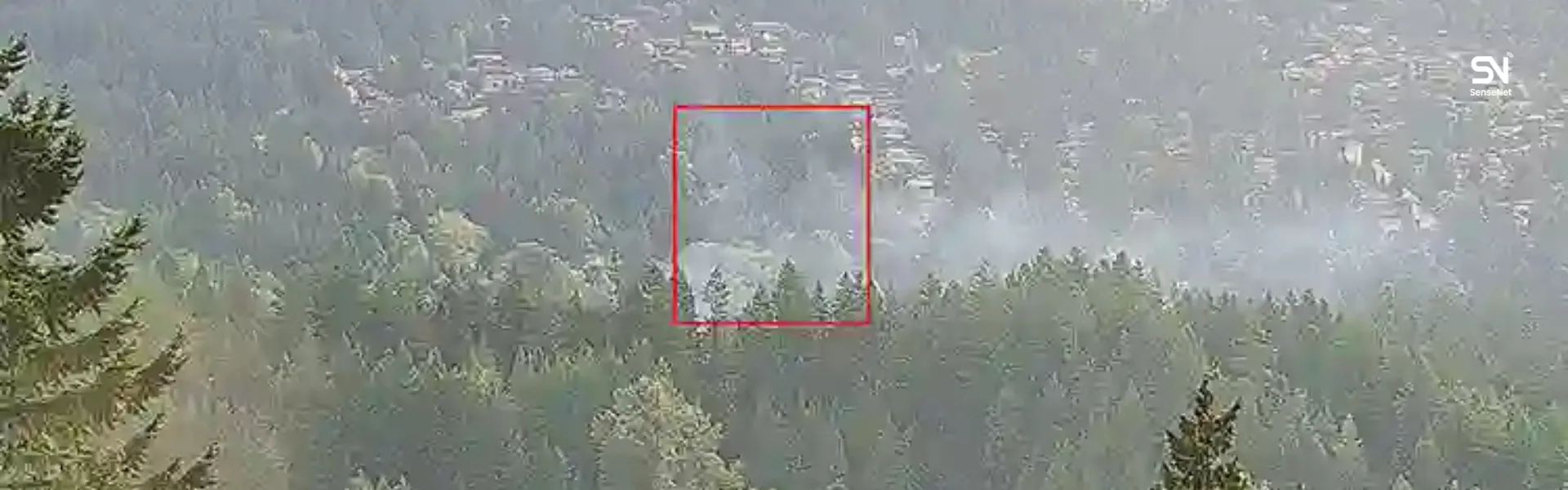
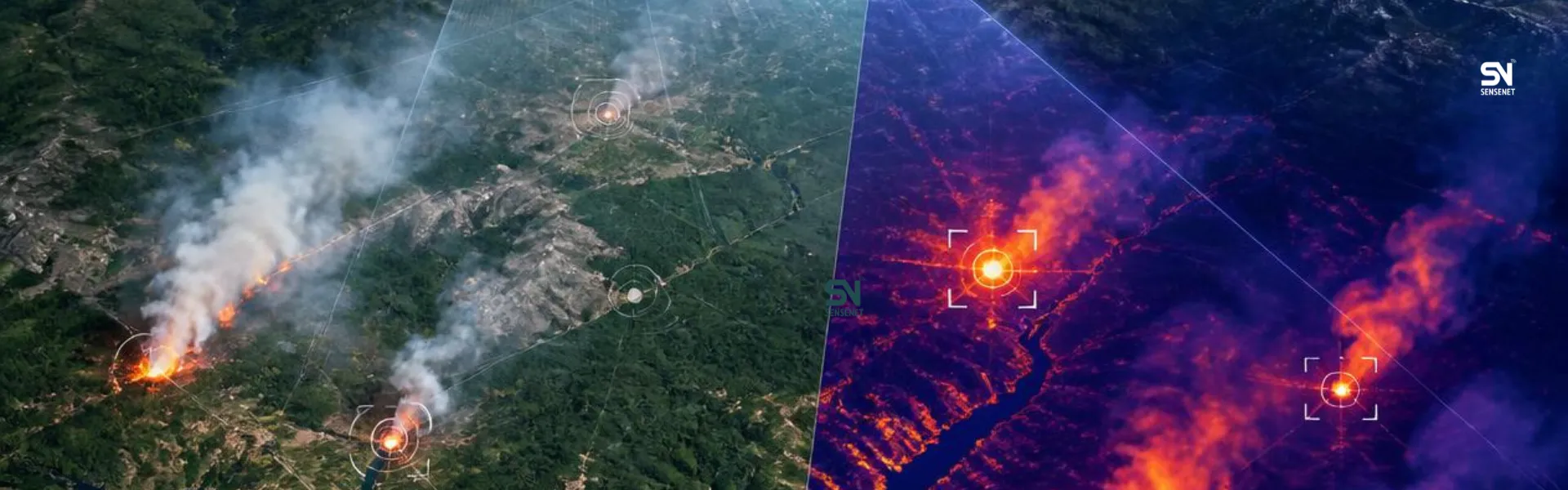
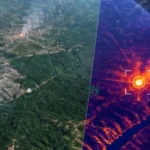
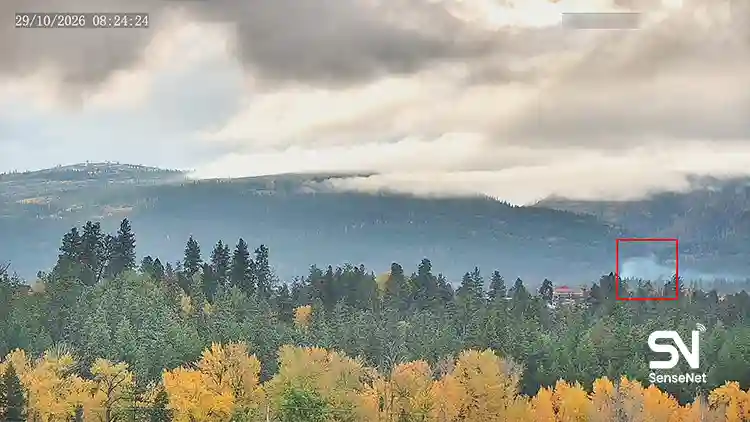
At SenseNet, modern tools such as AI-based cameras, satellite imagery, gas-sensitive sensors, and drones are used to detect the smallest flames in the farthest corners of the forest. In this way, major crises can be prevented before they even begin.
For more information, you can visit our product page.
6. Do not leave glass waste in nature
One of the main causes of wildfires is leaving glass waste behind in nature. Over time, these pieces of glass act like magnifying glasses, reflecting sunlight and triggering large fires. Always carry a trash bag with you to collect and dispose of all your waste properly.
7. Do not park your car on dry grass!
If you are heading out for a nature trip and plan to park your car somewhere in the forest, make sure there are no dry grasses or leaves under your vehicle. A hot exhaust pipe can act as a catalyst and ignite a fire.
Final thoughts
In the end, we must say that prevention has always been better than cure! Once even a small part of a forest burns, it leaves scars that cannot easily be healed. That is why it is always better to prevent such major crises with some simple and accessible methods.