Wildfire Smoke Detector Maintenance Checklist
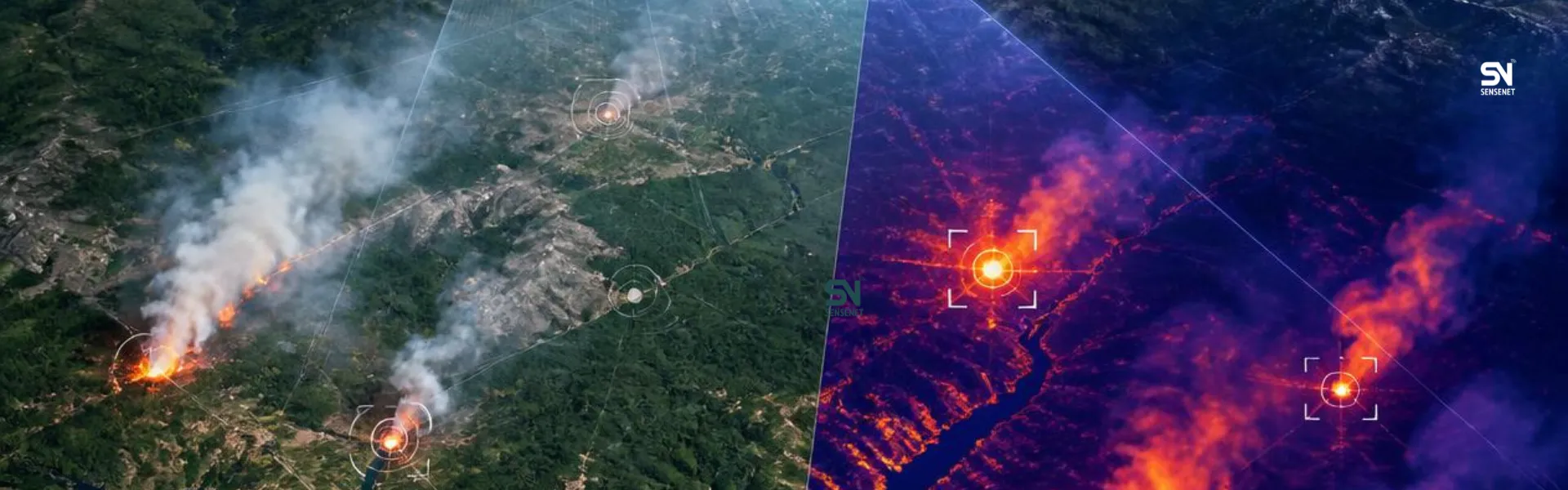
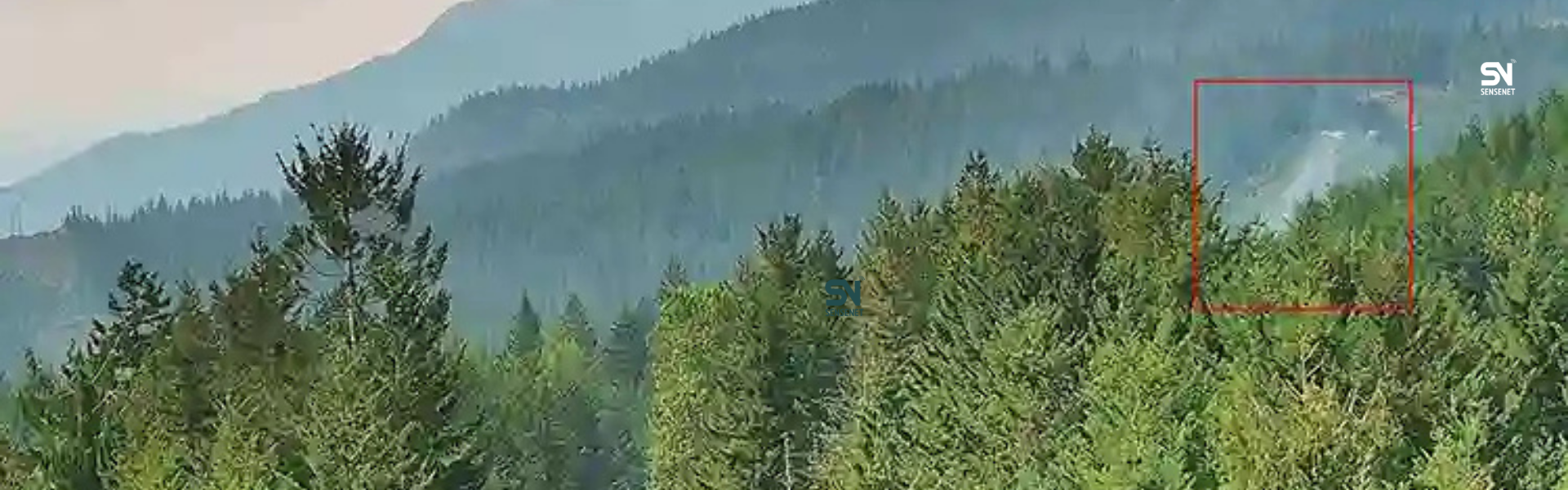
Early wildfire detection systems play a critical role in preventing the spread of wildfire and reducing environmental damage. However, the accuracy and reliability of these systems can only be maintained when smoke detection sensors are regularly serviced and calibrated. Forest environments expose sensors to challenging conditions such as dust, humidity, fog, insects, and significant temperature fluctuations, all of which can gradually affect sensor performance.
For this reason, having a structured maintenance and calibration checklist for smoke sensors is an essential part of managing wildfire monitoring systems.
Fortunately, SenseNet customers receive the necessary training to properly maintain and protect their systems. However, it is still useful to briefly review the key steps involved in maintaining and calibrating smoke detection sensors used in forest monitoring systems. Continue reading to learn more.
The Importance of Servicing and Calibrating Smoke Sensors in Forest Monitoring Systems
Smoke detection sensors serve as the first line of defense against wildfires. If these sensors fail to function properly, two major issues may occur:
- Failure to detect fires in time
- False alarms
In natural environments, sensors are exposed to many factors that can interfere with their operation, including:
- Dust and airborne particles
- High humidity
- Insects entering the sensor chamber
- Extreme temperature fluctuations
- Residues from smoke or organic particles
Because of these challenges, implementing a preventive maintenance program for early wildfire detection systems is essential.
Recommended Maintenance Schedule for Smoke Detection Sensors
To maintain system accuracy and reliability, sensors should be serviced at regular intervals. The following schedule can serve as a practical guideline.
Monthly Inspection
- Check the physical condition of the sensors
- Verify the power supply status
- Ensure the network connection and data transmission are functioning properly
Seasonal Inspection
- Clean the sensors
- Test sensor performance using approved smoke-testing methods
- Inspect cables and connections
Annual Calibration
- Adjust sensor sensitivity
- Test smoke detection accuracy
- Update sensor firmware or software if needed
Following this schedule can significantly reduce the likelihood of system errors.
Periodic Service Checklist for Smoke Detection Sensors
During routine maintenance visits, technicians should review the following items.
1. Physical Condition of the Sensor
- Check that the sensor housing is intact
- Ensure there are no cracks or physical damage
- Confirm that the sensor mounting structure is stable and secure
2. Sensor Cleaning
- Remove dust and debris from the sensor surface
- Clean air intake openings
- Inspect the internal chamber for insects or contamination
Regular cleaning helps maintain accurate smoke detection and reduces false alarms.
3. Sensor Performance Testing
- Perform simulated smoke tests
- Evaluate the sensor response time
- Verify that alerts are correctly transmitted to the monitoring centre
This step is essential to confirm that the system will respond properly in the event of a real fire.
4. Communication System Check
- Test the connection between the sensor and the monitoring centre
- Inspect the antenna or communication module
- Check signal quality across the sensor network
Many forest monitoring systems rely on wireless sensor networks, making communication stability extremely important.
5. Power Supply Inspection
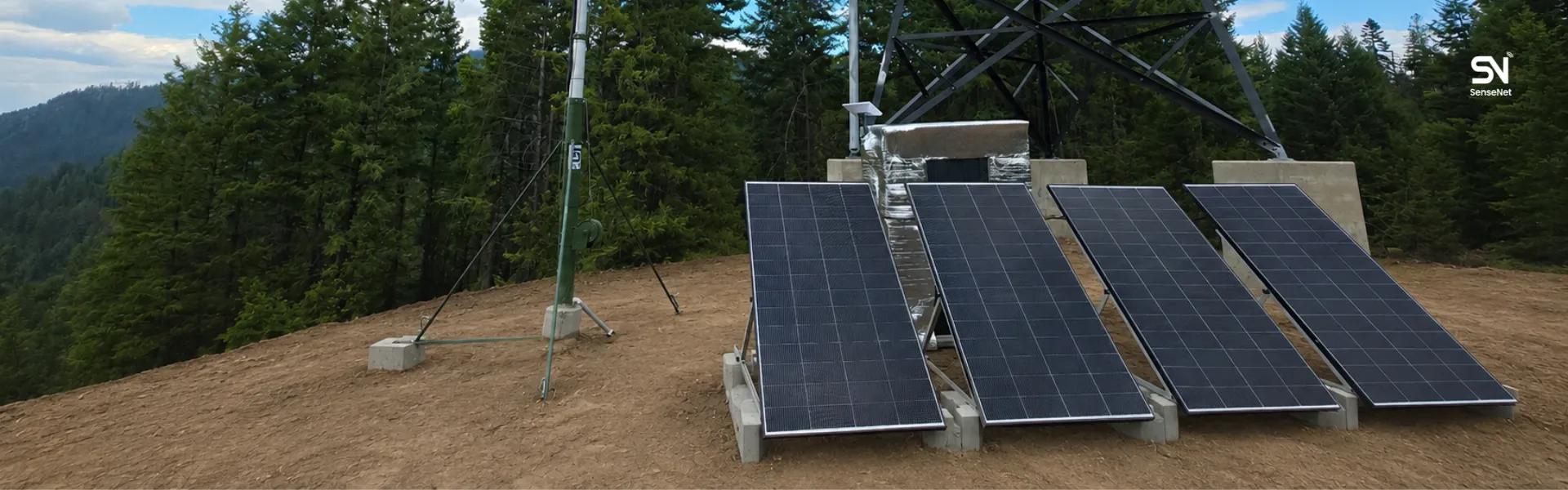
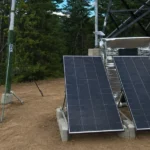
- Check battery performance and solar power systems
- Inspect the condition of solar panels
- Measure voltage levels and check charger functionality
Power failure is one of the most common reasons monitoring systems stop functioning.
Calibration of Smoke Detection Sensors
Calibration is the process of checking and adjusting sensor sensitivity to help maintain accurate smoke detection. In forest environments, this process is particularly important because natural conditions can influence how sensors respond.
False alarms can be triggered by environmental factors, and repeated false alerts can reduce trust in the detection system. For this reason, calibration should always be treated as a critical maintenance step.
Typical calibration procedures include:
- Using approved test smoke or test gas
- Adjusting the sensor sensitivity threshold
- Evaluating sensor response at different smoke concentrations
- Recording calibration results in the system maintenance log
Proper calibration enables sensors to distinguish between actual fire smoke and harmless environmental particles, significantly reducing false alarms.
One of the major advantages of the SenseNet system is its ability to improve detection accuracy through advanced data processing and machine learning, helping minimize the likelihood of false alerts.
Common Issues with Smoke Detection Sensors
Like any technical equipment, smoke sensors may encounter several operational challenges, including:
- Reduced sensitivity due to contamination
- False alarms caused by fog or dust
- Communication failures within the sensor network
- Reduced battery life in remote locations
Detecting these issues early through routine inspections can prevent disruptions in system performance.
Best Practices for Maintaining Early Wildfire Detection Systems
To extend the lifespan of smoke detection sensors and maintain their accuracy, the following practices are recommended:
- Implement a regular maintenance schedule
- Maintain detailed service and calibration records
- Use equipment designed for harsh outdoor environments
- Train technical personnel to perform standardized testing procedures
- Use systems that monitor sensor health
These practices help keep the fire detection system operational and ready to respond.
Conclusion
Early wildfire detection systems can only perform reliably if their sensors are regularly maintained and properly calibrated. Implementing a detailed checklist for inspection, cleaning, performance testing, and calibration can significantly improve detection accuracy while reducing the number of false alarms.
By adopting a structured maintenance program, forest management organizations and national park authorities can ensure the reliability of their fire monitoring systems and respond quickly when fires occur.