FireSmart
Let’s start with a hard truth:
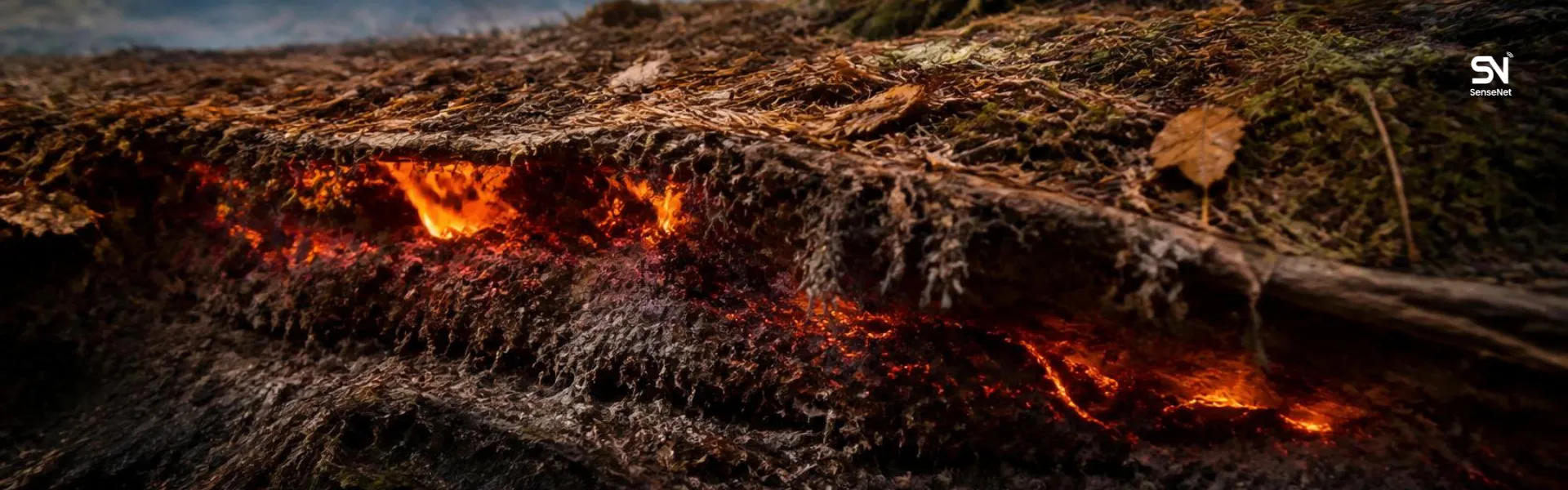
The large‑scale wildfires we see today in forests and natural areas are no longer just environmental disasters. They have become a direct threat to cities, infrastructure, and even the global economy.
For years, experts have warned that we need to address issues like rising global temperatures, prolonged droughts, and increasing urban development near natural zones. Unfortunately, these concerns have not been taken seriously enough. The reality is simple: The boundary between natural areas and human communities has become more blurred than ever.
Under these conditions, a modern and science‑based approach known as FireSmart has emerged as one of the most effective global wildfire prevention strategies.
But FireSmart is not merely about firefighting; it is a comprehensive wildfire risk management system that integrates ecology, urban engineering, crisis response, and social behavior.
In this article from SenseNet, we’ll explore what FireSmart is, how it works, and why it has become a leading global model for wildfire prevention.
What Is FireSmart?
FireSmart is a set of standards, strategies, and preventive actions designed to reduce the likelihood of wildfires and to limit their spread in both natural and urban environments.
Originally developed in Canada, Australia, and the United States, FireSmart has proven so successful that it’s now being evaluated for implementation worldwide.
The Three Core Goals of FireSmart:
- Reduce the likelihood of ignition
- Decrease the intensity and rate of fire spread
- Increase safety for people and infrastructure
Importantly, FireSmart focuses not on putting out fires, but on managing environments before fires occur.
The Wildland–Urban Interface (WUI): FireSmart’s Key Concept
A crucial concept in FireSmart is the Wildland–Urban Interface (WUI): the zone where human development meets natural vegetation.
Studies show the following:
- Over 60% of global wildfire damage occurs in WUI zones.
- Fires can spread rapidly through vegetation, wind, and burning embers (firebrands) into residential areas.
FireSmart was specifically designed to manage these vulnerable transition areas.
The Scientific Foundations of FireSmart
1. Fuel Management
In wildfire science, fuel means flammable vegetation.
FireSmart recommends:
- Removing dry plants and debris
- Increasing spacing between trees
- Reducing vegetation density
Research shows that cutting fuel density by just 30% can reduce fire intensity by up to 70%.
2. Fire‑Resistant Design
Houses often burn due to inappropriate building materials, not the flames themselves. Fortunately, modern fire‑resistant materials have become widely available.
FireSmart suggests:
- Using metal or composite roofs
- Eliminating highly flammable materials
- Installing ember‑resistant mesh in ventilation systems
Engineering studies show that over 80% of homes in wildfires are lost to wind‑driven embers, not direct flames.
3. Creating Defensible Space
FireSmart emphasizes building defensible zones around structures, divided into three layers:
Zone 0–1.5 meters
- Remove all flammable materials
- No wood, dry leaves, or shrubs
Zone 1.5–10 meters
- Thin vegetation
- Keep grass short
Zone 10–30 meters
- Space trees properly
- Remove dead branches
These defensible spaces allow a fire to lose momentum before reaching the home.
FireSmart and Wildfire Behavior
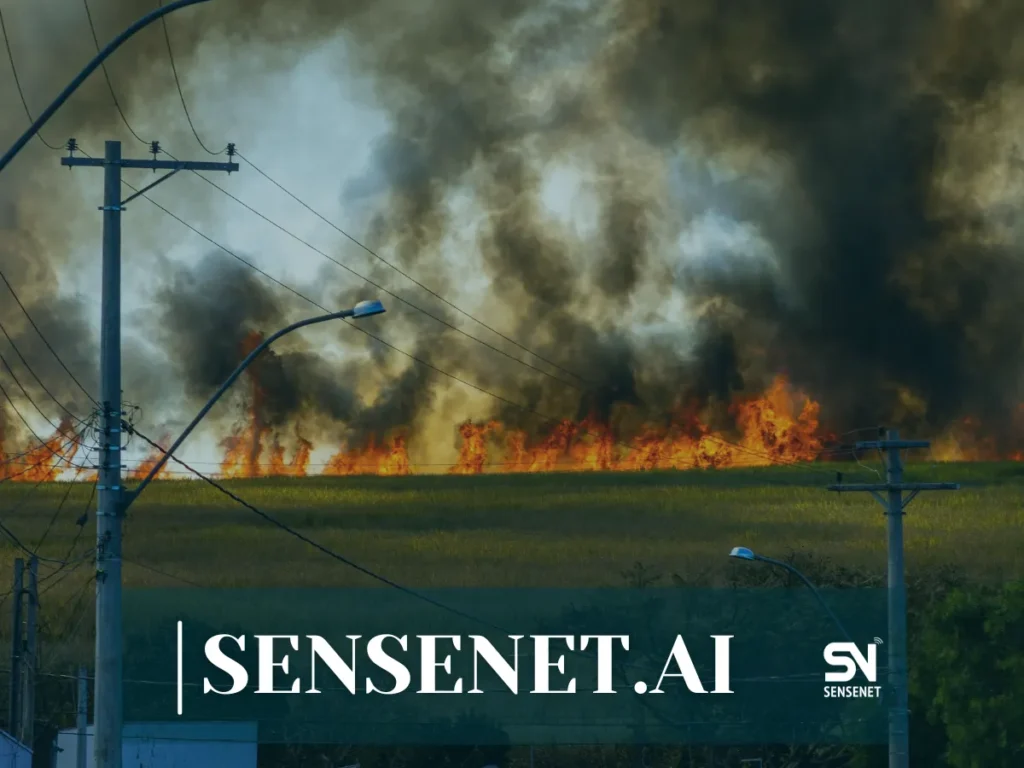
Few people realize that wildfires spread primarily through embers (firebrands), not direct flames.
These embers can:
- Travel up to 2 kilometers ahead of the main fire front
- Land on rooftops or enter ventilation ducts
- Ignite new fires in seconds
Because of this, FireSmart prioritizes protecting vulnerable building features.
The Role of Communities in FireSmart
FireSmart is more than a technical program; it’s a social movement.
In many regions, FireSmart initiatives include:
- Public education and homeowner training
- Local community participation
- Neighborhood vegetation management projects
Research shows that communities with strong FireSmart engagement experience up to 40% fewer wildfire losses.
FireSmart in the Era of Climate Change
Climate change is a major factor driving more intense and frequent wildfires.
According to environmental data:
- Wildfire seasons now last 30–60 days longer in many areas
- Prolonged droughts produce more dry, flammable fuel
Under these circumstances, FireSmart is viewed as a climate‑adaptation strategy helping communities coexist safely with nature instead of facing constant disaster.
Benefits of Implementing FireSmart
The benefits of following FireSmart principles include:
- Reduced financial and property losses
- Improved resident safety
- Lower firefighting and recovery costs
- Protection of natural ecosystems
- Greater urban resilience to disasters
That’s why many governments have adopted FireSmart programs as part of their national disaster‑risk frameworks.
The Future of Fire Management: FireSmart and Emerging Technology
In recent years, advanced technology has expanded the FireSmart approach. Examples include:
- Artificial intelligence for wildfire prediction
- Satellite imagery for monitoring vegetation
- Drones for real‑time risk assessment
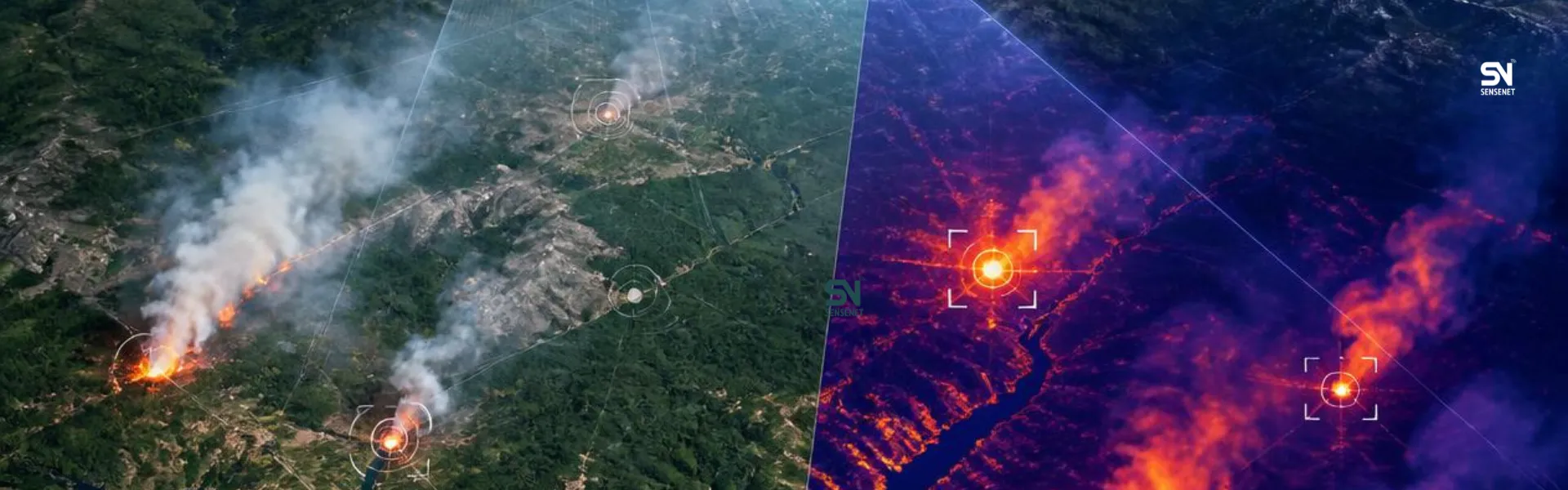
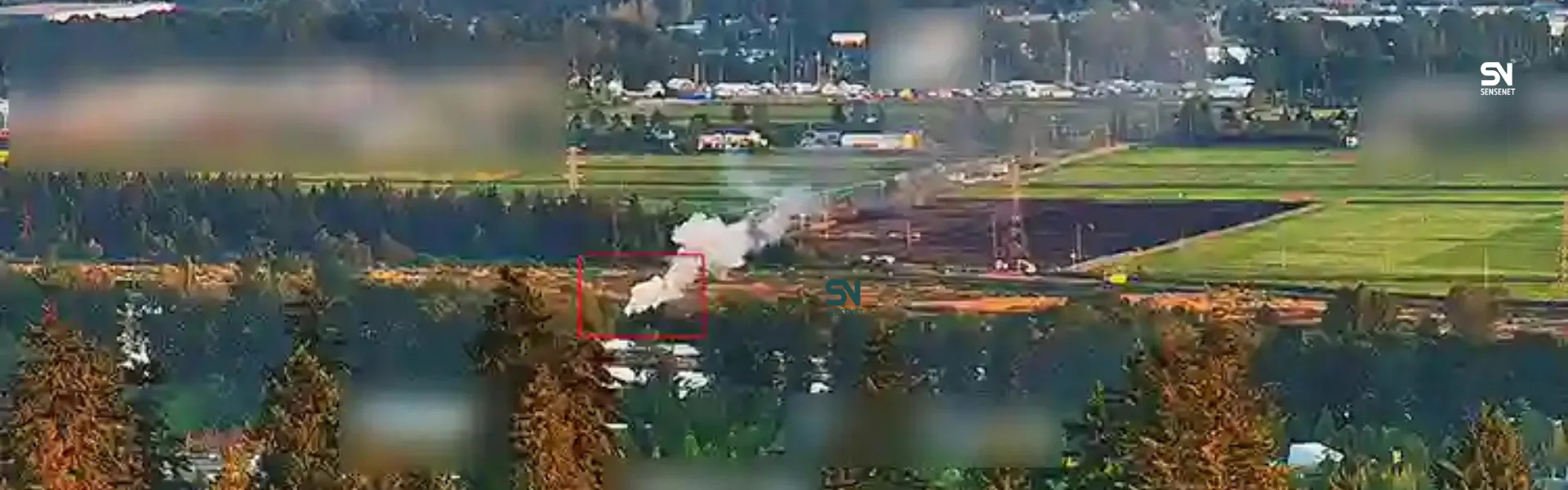
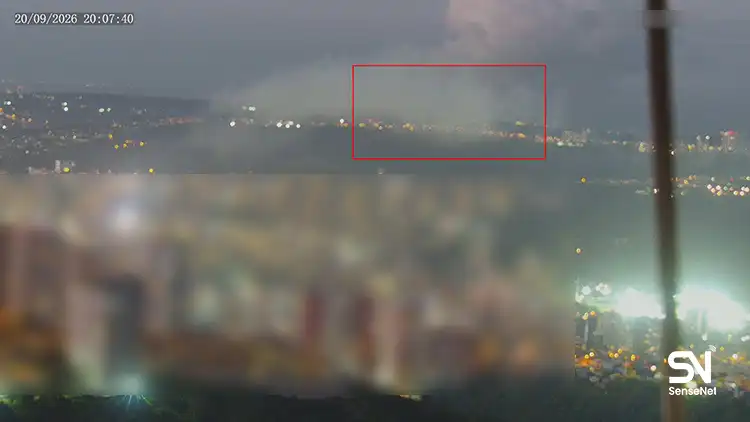
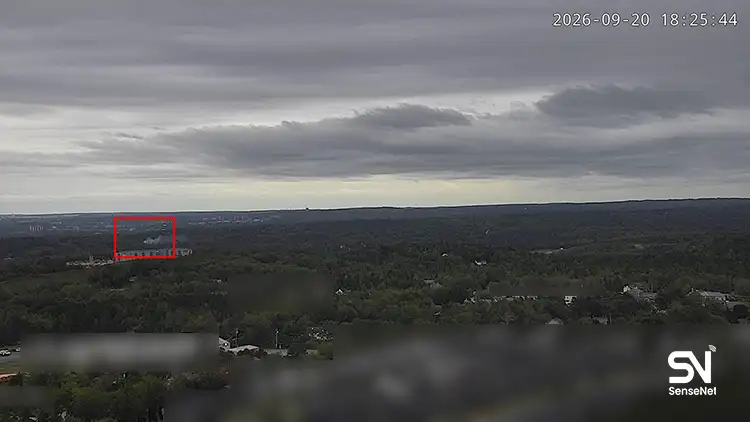
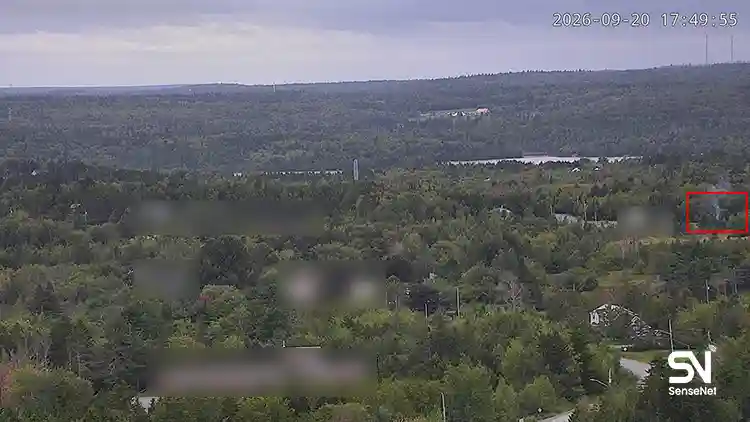
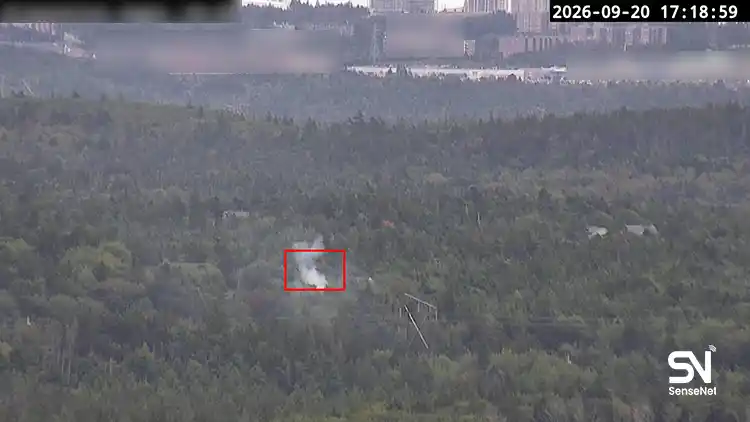
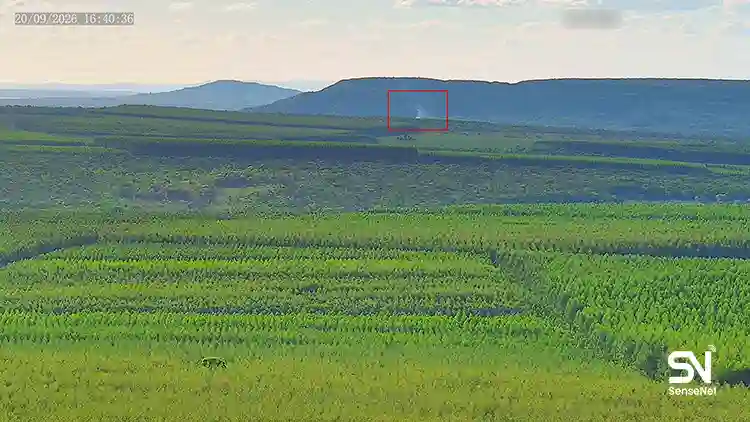
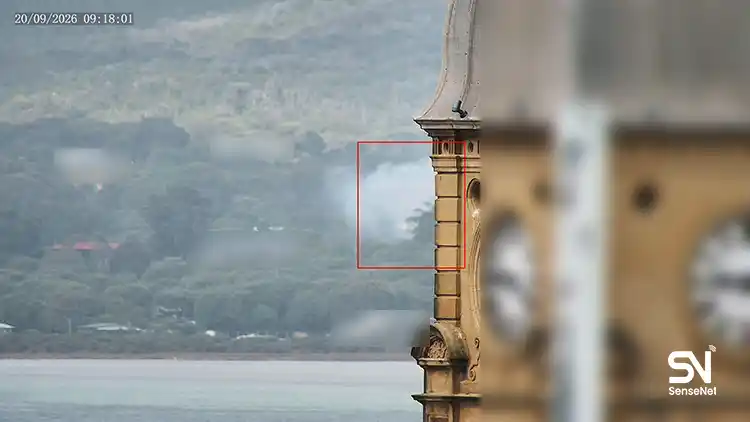
- AI‑based cameras for early detection
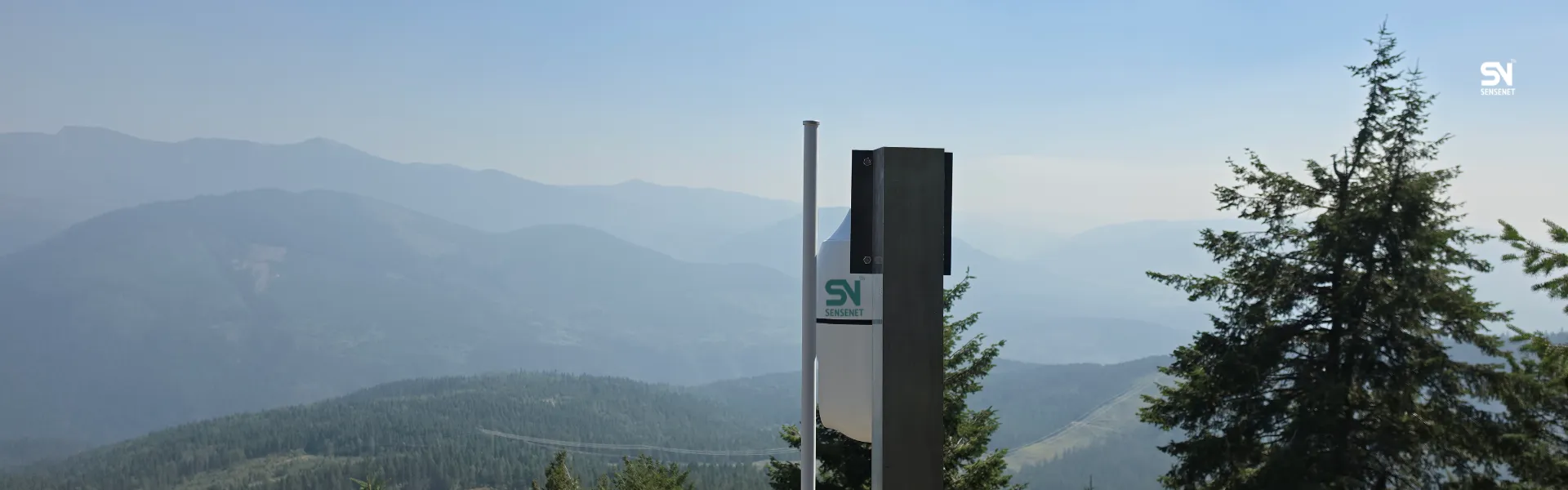
- Smoke‑sensitive sensors for instant alerts
These innovations transform wildfire response from a reactive approach to a predictive, proactive approach.
Why FireSmart Matters: The Final Word
Large wildfires are no longer rare; they’re part of Earth’s new climate reality.
FireSmart shows that the best way to fight fire is to be ready before it starts.
By managing vegetation, designing fire‑resistant structures, and involving communities, we can drastically reduce wildfire impact.
In the end, FireSmart delivers one simple truth:
Fire will always exist, but the extent of its damage depends on the choices we make today.