Wildfires Affect Air Quality?
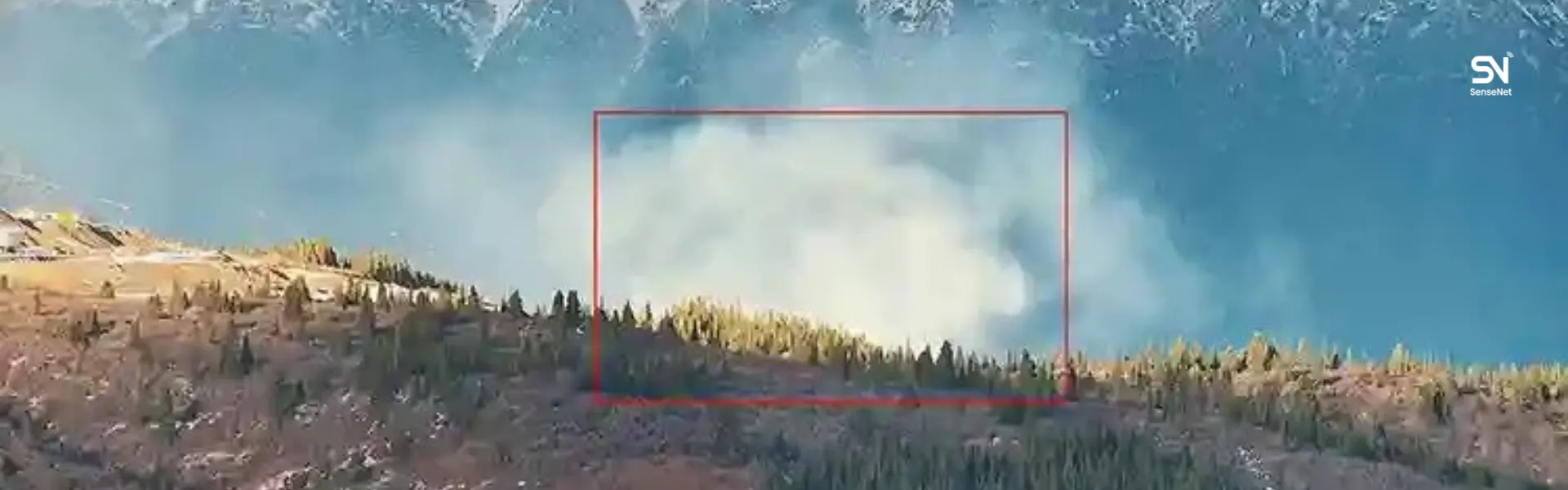
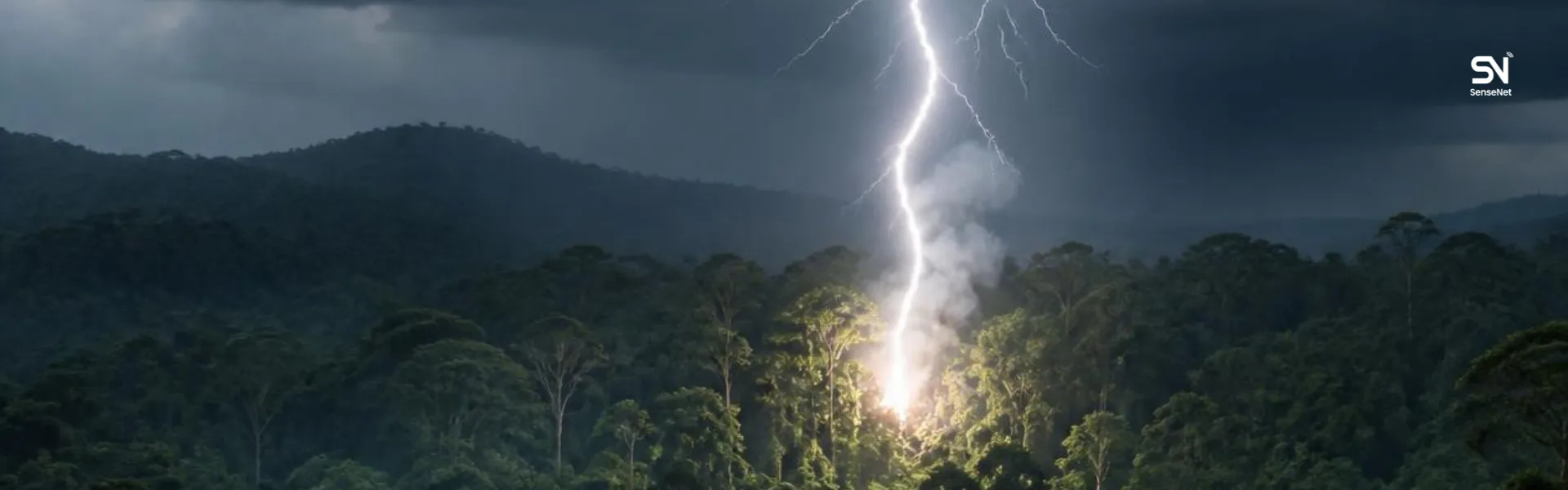
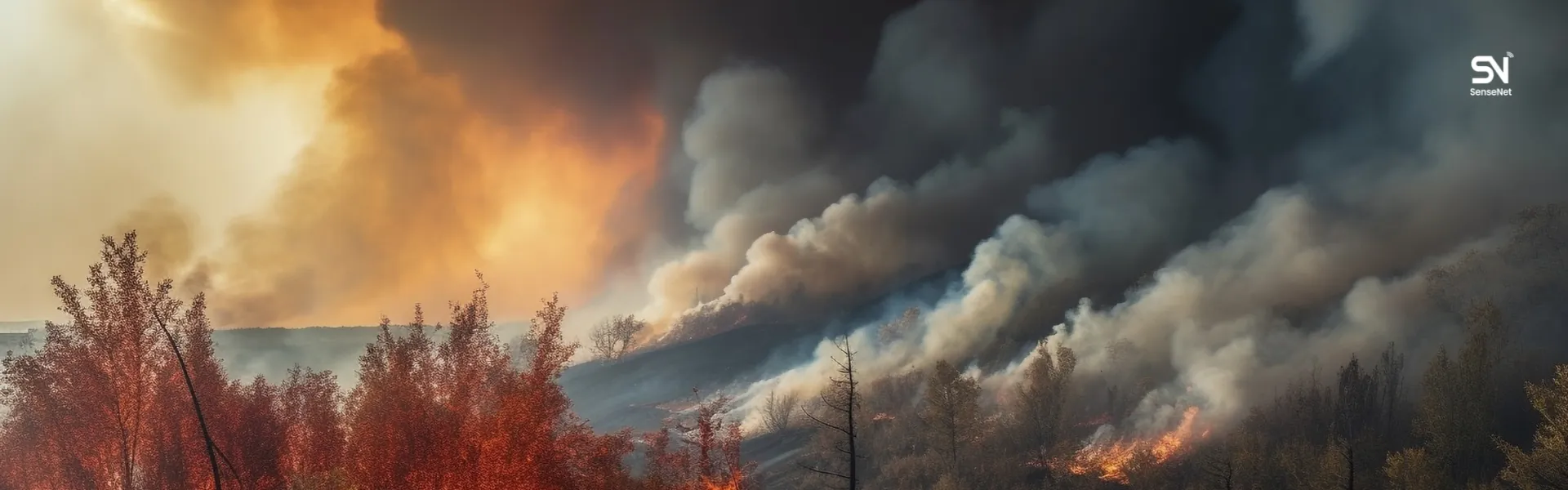
When discussing a major phenomenon such as wildfires, we should not assume that the only consequences are burned trees and damage to wildlife. The effects of a wildfire can extend far beyond the affected area, reaching nearby cities and even neighboring countries.
One of the most significant consequences of wildfires is the air pollution they cause.
Smoke from wildfires can travel hundreds or even thousands of kilometers, affecting the air quality of cities located far from the actual fire. Under these circumstances, even people who do not live near forests may be exposed to hazardous pollutants.
The widespread wildfires in Canada and the impact of their smoke on cities across the United States are clear examples of this issue. In this article, we will explore this major challenge and examine what can be done to address it. Keep reading to find out more.
What Pollutants Do Wildfires Release Into the Air?
When trees, shrubs, leaves, and other organic materials in forests burn, a mixture of gases and airborne particles is released into the atmosphere. The type and concentration of these pollutants depend on several factors, including vegetation moisture, combustion temperature, fire intensity, and atmospheric conditions.
The main pollutants released by wildfires include:
- Fine particulate matter (PM2.5): Particles with a diameter of 2.5 micrometers or less. They can penetrate deep into the lungs and even enter the bloodstream. These particles are among the most significant health risks associated with smoke pollution.
- Coarse particulate matter (PM10): Larger particles that can irritate the respiratory system and worsen existing respiratory problems.
- Carbon monoxide (CO): A toxic gas produced by incomplete combustion. At high concentrations, it interferes with the blood’s ability to transport oxygen.
- Nitrogen oxides and volatile organic compounds (VOCs): Substances involved in atmospheric chemical reactions that can contribute to the formation of pollutants such as ground-level ozone.
Wildfire smoke is not simply a mixture of ash and the smell of burning vegetation. Its chemical composition is complex and, depending on the circumstances, can pose different risks to public health.
How Does Wildfire Smoke Reach Distant Cities?
The movement of smoke over long distances is the result of several interacting atmospheric factors. Wind can carry particles and gases released by fires across vast distances. Large-scale atmospheric circulation patterns can also transport smoke from one region to another.
The altitude reached by smoke in the atmosphere is particularly important. A smoke plume produced by an intense wildfire may rise into higher atmospheric layers and then travel over long distances. Conditions such as atmospheric stability, precipitation, and vertical air mixing influence how long smoke remains in the atmosphere and how concentrated it becomes.
This means geographical distance alone is not a reliable measure of risk. Sometimes, due to wind direction and atmospheric conditions, an area far from a wildfire may experience worse air pollution than a much closer location.
Canada’s Wildfires and the Smoke That Reached the Northeastern United States
In 2023, Canada experienced one of the most severe wildfire seasons ever recorded in the country. Large fires across several provinces released enormous amounts of smoke into the atmosphere, which eventually spread across extensive areas of the United States.
In June of that year, parts of the northeastern United States, including New York, experienced a sharp deterioration in air quality. Orange skies, reduced visibility, and public health warnings drew widespread attention to the cross-border consequences of wildfires. In some areas, fine particulate matter concentrations reached very unhealthy levels, leading to restrictions on outdoor activities.
This experience revealed an important reality: a forest does not have to be located in the same city or even the same country for people to experience the consequences of a wildfire. Smoke can cross political borders and affect the health of millions of people.
The events of 2023 also demonstrated that wildfire management is not limited to containing flames. Air quality monitoring, timely public warnings, smoke movement forecasting, and reducing people’s exposure to pollutants are all important parts of emergency management.
This situation has continued in the years since. That is why the related challenges need to be addressed as soon as possible.
Can the Impact of Wildfire Smoke on Air Quality Be Predicted Before It Arrives?
Yes. By using meteorological data, satellite imagery, air quality monitoring stations, and pollutant transport models, it is possible to predict the likely movement of smoke and changes in air quality. However, the accuracy of these predictions depends on factors such as changes in wind direction, fire intensity, and the amount of pollutants released.
These forecasts help authorities issue public health warnings before smoke reaches residential areas, restrict outdoor activities, and prepare to protect vulnerable populations.
However, there is one important issue: the longer a fire goes undetected, the less time remains to contain it before it spreads and its consequences become more severe.
What Role Does Early Fire Detection Play in Reducing Air Pollution?
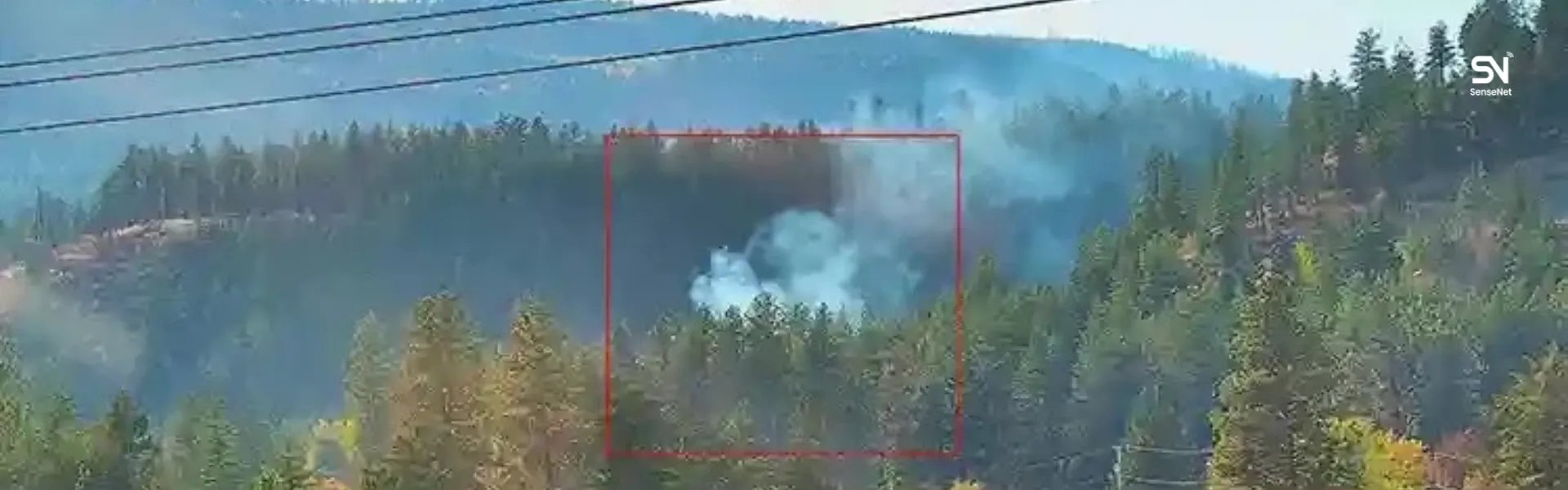
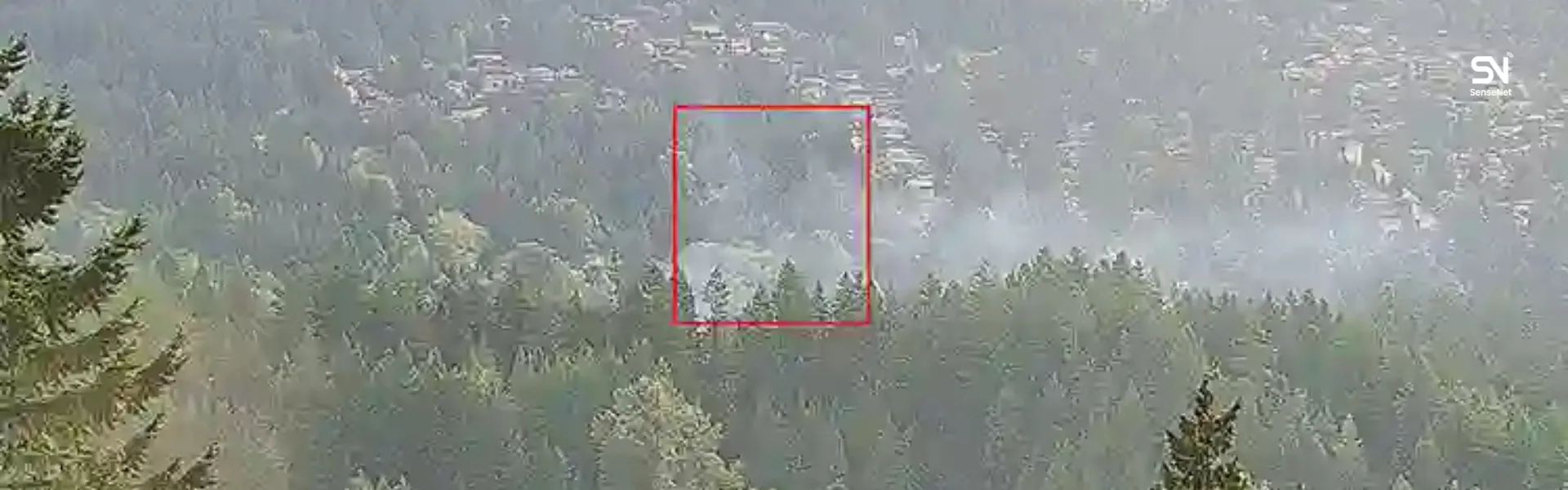
When a wildfire is detected in its early stages, response teams have more time to act before the fire spreads. If the fire is extinguished at this stage, it may be possible to prevent larger areas of vegetation from burning and reduce the release of some of the pollutants that would otherwise be produced by a large-scale fire.
Of course, early detection alone does not guarantee that a fire can be contained. Weather conditions, access to the affected area, firefighting resources, and the rate at which flames spread also play decisive roles.
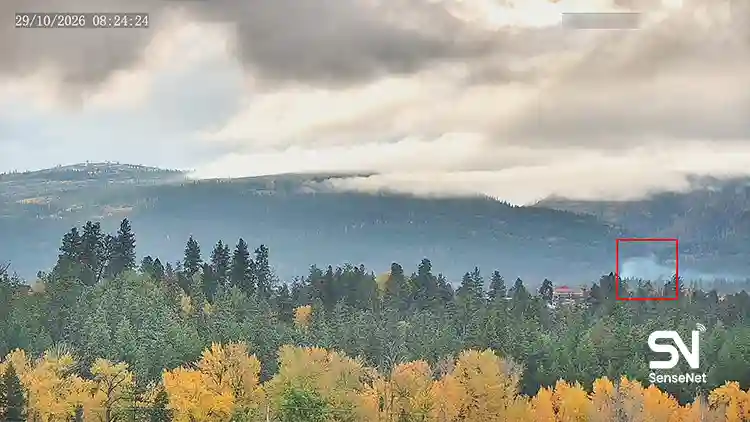
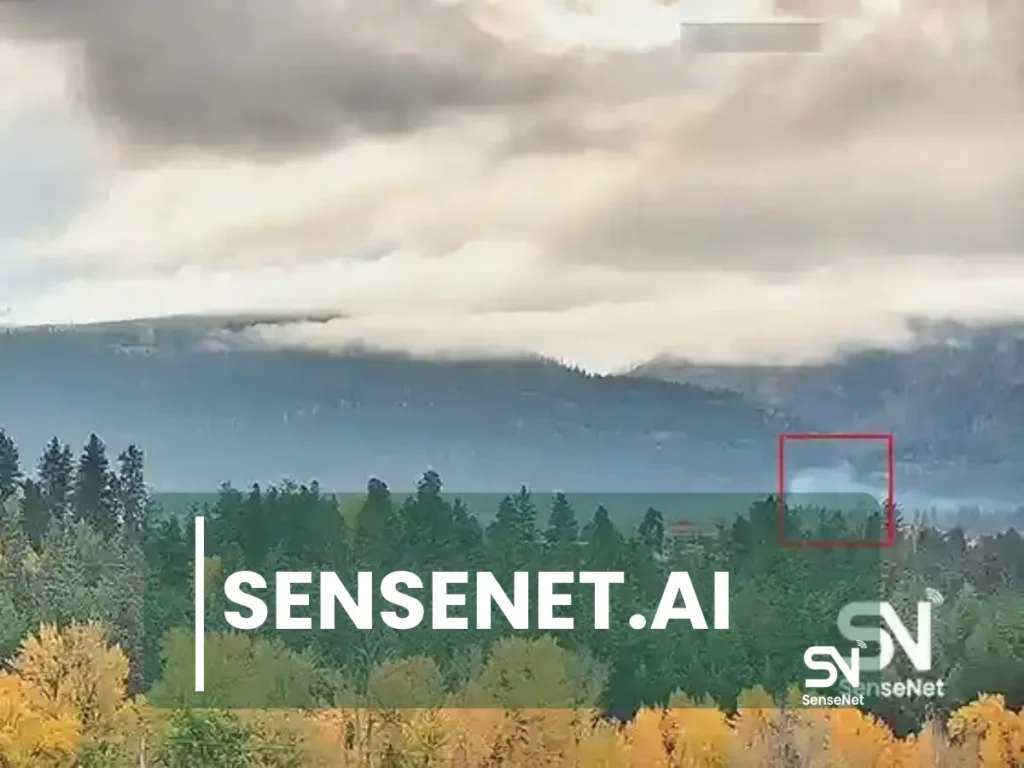
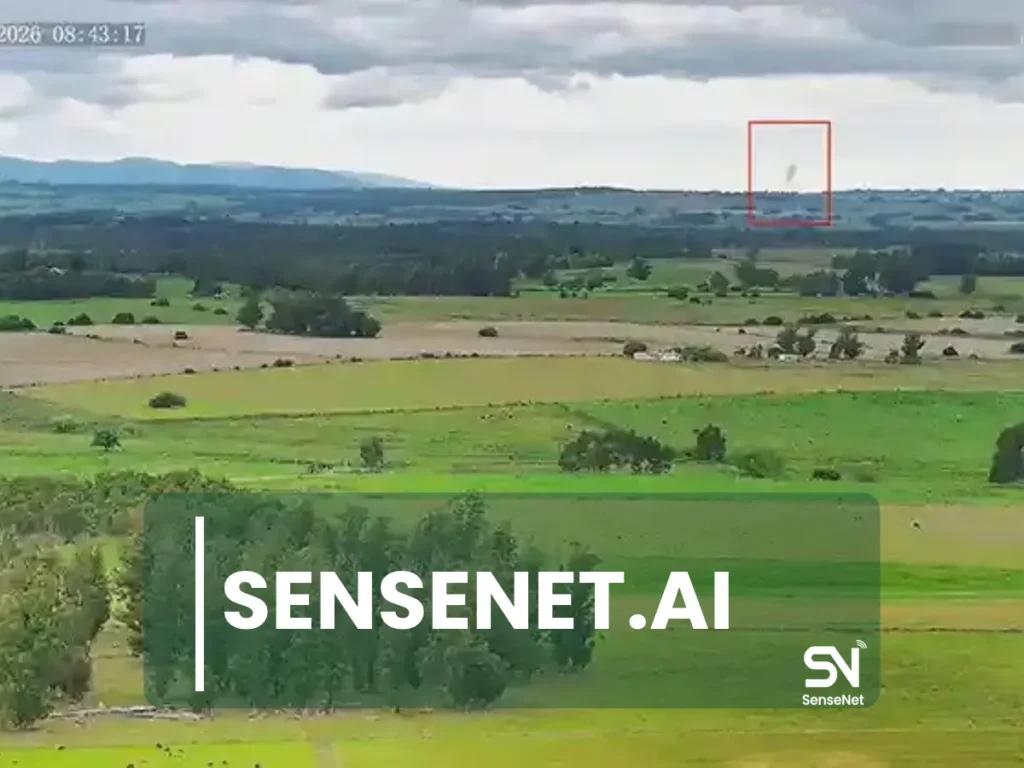
Continuous monitoring technologies, including specialized wildfire detection cameras, thermal imaging, artificial intelligence, and environmental sensors, can help identify fires more quickly. Combining these technologies with alert systems and operational response teams reduces the risk of missing the critical window for containing a fire.
In areas where ground access is difficult or communication infrastructure is limited, remote monitoring systems that operate independently of the conventional power grid become even more important.
Ultimately, reducing the impact of wildfires on air quality requires a combination of measures: prevention, rapid detection, effective containment, pollutant monitoring, and public communication. The earlier a fire is detected, the greater the opportunity to limit its environmental damage and public health consequences.
This is a comprehensive effort that requires international cooperation between multiple agencies and organizations.
Frequently Asked Questions About the Impact of Wildfires on Air Quality
1. Can wildfire smoke reach a country thousands of kilometers away?
Yes. Atmospheric circulation patterns can carry smoke over extremely long distances. Canada’s 2023 wildfire season demonstrated how pollution from fires can spread well beyond the borders of the country where they originate. A study published in the journal Nature also estimated increased exposure to wildfire-related particulate matter across parts of North America and Europe.
2. If we cannot smell smoke, does that mean the air in our area is safe?
No. Smell is not a reliable indicator of air quality. Some pollutants, particularly fine particles such as PM2.5, may be present in the air without producing a noticeable smell. To assess the risk, people should pay attention to particulate matter measurements and the Air Quality Index (AQI), rather than relying solely on the appearance of the sky or the smell of the surrounding environment.
3. Can rain remove air pollution caused by wildfire smoke?
Rainfall can reduce some airborne particles through a process known as wet deposition. However, its effectiveness depends on the intensity and duration of rainfall, the types of pollutants present, and atmospheric conditions.
Rain does not necessarily mean that the wildfire has ended or that air pollution has been completely eliminated. If the fire continues, renewed smoke emissions can cause air quality to deteriorate again.
4. Do wildfires only increase particulate matter, or can they also increase ozone pollution?
Both are possible. Wildfire smoke directly releases particulate matter and various gases into the atmosphere. Certain volatile organic compounds and nitrogen oxides also participate in atmospheric chemical reactions and, in the presence of sunlight, can contribute to the formation of ground-level ozone.
The extent of this increase depends on the composition of the smoke, sunlight, temperature, and the chemical conditions of the atmosphere.
5. Why can a city far from a wildfire sometimes experience worse air pollution than areas closer to the fire?
Pollution levels do not depend solely on distance from the fire. Wind direction and speed, smoke plume height, atmospheric stability, and the way pollutants disperse all determine where smoke travels and where it accumulates.
As a result, a more distant city located along the smoke’s transport path may experience more severe air pollution than a nearby area.
6. Does air pollution from wildfires continue after the fire has been extinguished?
Yes, it can. Particles and pollutants already released into the atmosphere may remain airborne after the fire is extinguished and continue moving into other regions. How long they remain depends on atmospheric conditions, the amount of pollution released, and processes such as dispersion and deposition.
In addition, if fires continue burning in other parts of the region, smoke emissions will not stop.
7. How can we determine whether wildfire smoke has actually reduced air quality in a particular area?
An accurate assessment requires comparing air quality monitoring data, particularly PM2.5 concentrations, with wildfire information, satellite imagery, and meteorological data.
Smoke transport models can also help identify the potential source of pollution. Combining these data makes it easier to distinguish wildfire-related pollution from other sources of air pollution.
8. Can early wildfire detection really reduce air pollution?
Yes, provided that rapid detection leads to an effective response and successful fire containment. Early detection can reduce the duration of a fire and the amount of vegetation burned, thereby preventing some of the pollutants from being released into the atmosphere.
However, the extent of pollution reduction depends on fire conditions, the response time of emergency teams, and the success of firefighting operations.
9. Is satellite monitoring alone enough for early wildfire detection?
No. Satellites are important tools for identifying hotspots, observing fire boundaries, and monitoring smoke movement. However, they have limitations, including satellite revisit times, spatial resolution, and weather conditions.
Ground-based cameras, thermal imaging, and environmental sensors can provide complementary information. Combining these technologies with AI-powered analysis and alert verification can improve monitoring coverage.
10. Can extinguishing a wildfire eliminate all its effects on air quality?
No. Containing a fire prevents further smoke emissions, but pollutants already released into the atmosphere may remain in the air. In addition, wildfire pollution can mix with pollutants from other sources.
For this reason, air quality monitoring and public communication remain important even after a fire has been contained.
Conclusion
Wildfires are among the major factors affecting air quality. Their impact can sometimes extend far beyond the burned area, polluting the air in surrounding cities and even other countries. This is why early wildfire detection has become a global necessity.
By investing in wildfire prevention and early detection, it is possible to limit fire spread and reduce the resulting air pollution.that lives within it.
Author and Content Department Manager:
Neda Khanifar
Content Department Manager