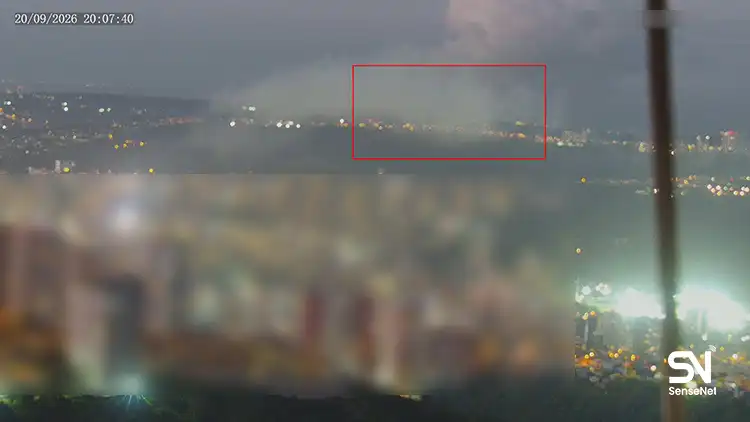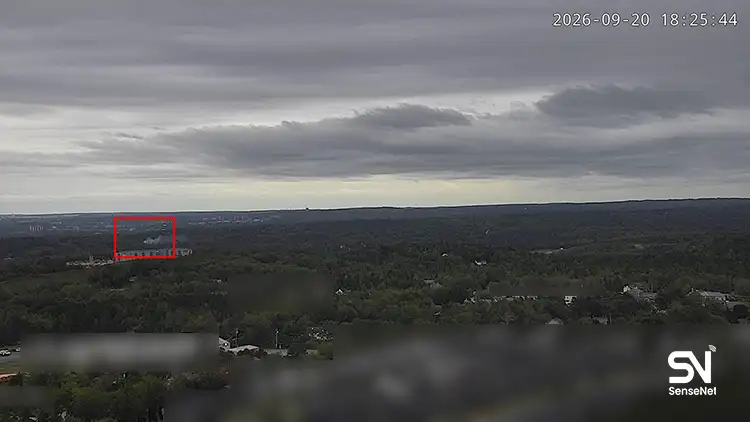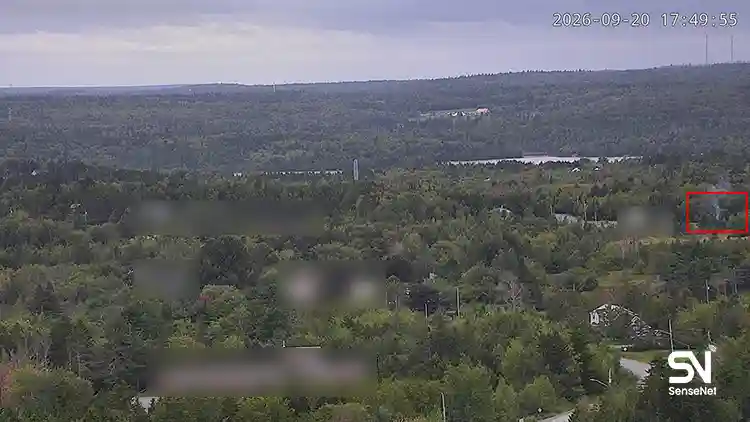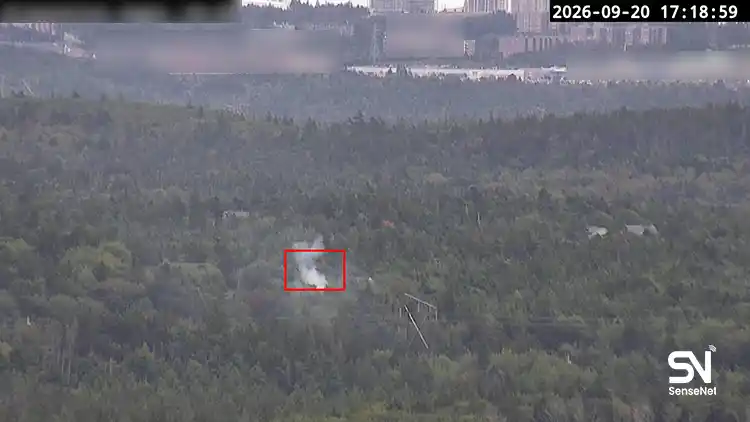
Wildfire-Resistant Forests
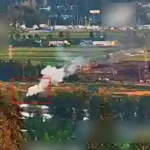
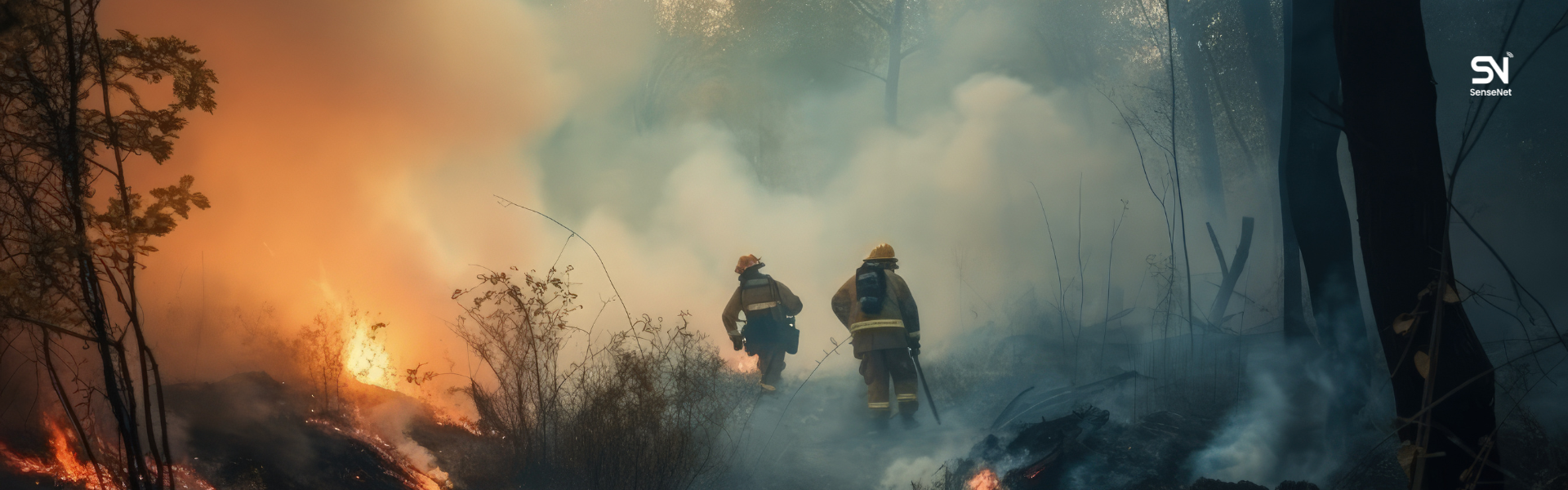
Now that we’re in the hot and dry wildfire season, and heartbreaking images of burning forests are being shared every day, the main question is no longer how we can extinguish fires, but rather how we can create forests that are more resistant to wildfires and suffer less damage.
The experience of different countries has shown that firefighting is only part of the solution. We need to move toward more advanced and innovative approaches.
In recent years, the concept of Wildfire-Resistant Forests has become one of the most important topics in natural resource management. This concept does not refer to forests that will never burn. Instead, it describes forests that can reduce fire intensity, slow down fire spread, and recover more quickly after a wildfire.
In this article, we’ll explore what wildfire-resistant forests really are, what characteristics they have, how they can be created, and what different countries have done to achieve this goal. Don’t miss this insightful article.
What Is a Wildfire-Resistant Forest?
When we talk about fire resistance, we don’t mean that a forest is fireproof. No forest can ever be completely immune to fire because fire is a natural part of many forest ecosystems. So don’t get the wrong idea.
A wildfire-resistant forest is one in which, if a wildfire occurs:
- The fire spreads more slowly.
- Flames remain lower in height.
- Mature trees have a better chance of surviving.
- Damage to the soil and biodiversity is minimized.
- The forest recovers more quickly.
Simply put, the goal of creating a wildfire-resistant forest is to manage fire behavior, not to eliminate fire completely from nature and forest ecosystems.

Why Do We Need Wildfire-Resistant Forests?
Climate change has made wildfire seasons longer in many parts of the world. At the same time, decades of suppressing every small fire have allowed dry branches, fallen trees, and flammable vegetation to accumulate in forests.
This is similar to adding more firewood to a storage room every year and waiting for a single spark to ignite it.
That’s why many experts believe the real question is no longer how to extinguish every wildfire, but rather how to prepare forests for the inevitable occurrence of fire.
Asking these questions helps us become better prepared for whatever the future may bring.
What Characteristics Do Wildfire-Resistant Forests Have?
1. Proper Tree Density
One of the most important characteristics of these forests is having appropriate spacing between trees.
When tree crowns are too close together, fire can easily spread from one tree to another, creating what is known as a Crown Fire, a type of wildfire that is extremely difficult to control and is considered the nightmare of almost every firefighter.
For this reason, many forest management projects remove some young or unhealthy trees to create more space between the remaining trees and prevent their branches from touching.
2. Less Vegetation Fuel
Dry branches, accumulated leaves, fallen logs, and dry shrubs are the primary fuel for wildfires. Managing these fuels is one of the most important steps toward increasing forest resistance.
In the Sierra Nevada forests of the United States, large-scale thinning and surface-fuel-reduction projects have been carried out. Several years later, when major wildfires passed through these areas, researchers observed that fire intensity was significantly lower in the treated forests than in unmanaged areas. What’s particularly interesting is that many old-growth trees with high ecological value survived in these treated areas.
This experience encouraged California to allocate more funding to proactive forest management.
3. Greater Plant Diversity
Forests made up of only one tree species are generally more vulnerable to wildfire.
On the other hand, forests with diverse vegetation can slow fire spread because different species respond differently to fire.
This is why many forest restoration programs across Europe and North America focus on increasing the diversity of native species.
4. The Use of Prescribed Burns
It may sound surprising, but one of the most effective ways to prevent large wildfires is to intentionally create small, controlled fires.
This method, known as Prescribed Burning, involves carefully burning selected sections of a forest under controlled conditions to eliminate dry vegetation and accumulated fuels.
During subsequent wildfires in California, areas that had undergone prescribed burns several years earlier experienced less severe fire behaviour. In some locations, the fire remained on the forest floor instead of climbing into the tree canopy, giving firefighters valuable time and a much better chance of controlling the wildfire.
How Does Technology Help Build Wildfire-Resistant Forests?
Forest management is no longer limited to field inspections.
Today, a wide range of technologies is being used to improve forest resilience, including:
- Satellite imagery for identifying high-risk areas.
- Drones for monitoring forest health.
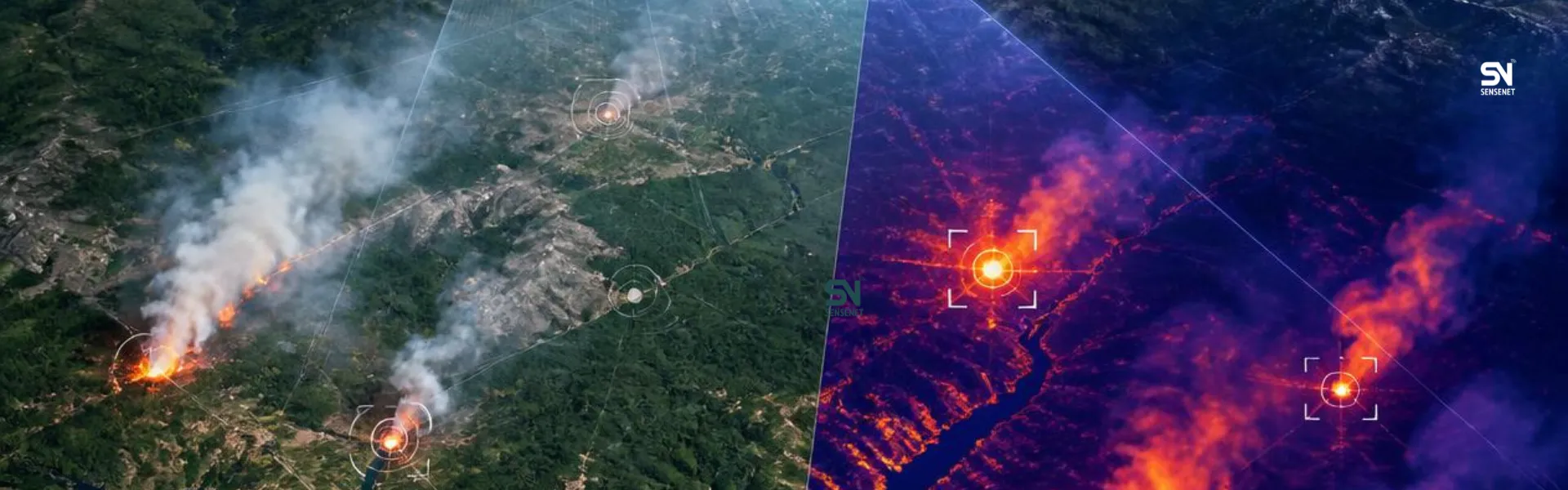
- Temperature, humidity, and smoke sensors.
- Geographic information systems, or GIS.
- AI-powered wildfire prediction models.
These technologies allow forest managers to identify vulnerable areas and take preventive action before conditions become critical.
For example, during Canada’s 2023 wildfire season, satellite imagery and predictive models helped authorities better estimate the potential paths of wildfires and accelerate evacuation operations.
Can Local Communities Help Build Wildfire-Resistant Forests?
Absolutely.
The reality is that we need to abandon the idea that creating wildfire-resistant forests is solely the government’s responsibility.
In many countries, local residents play a significant role in reducing wildfire risks.
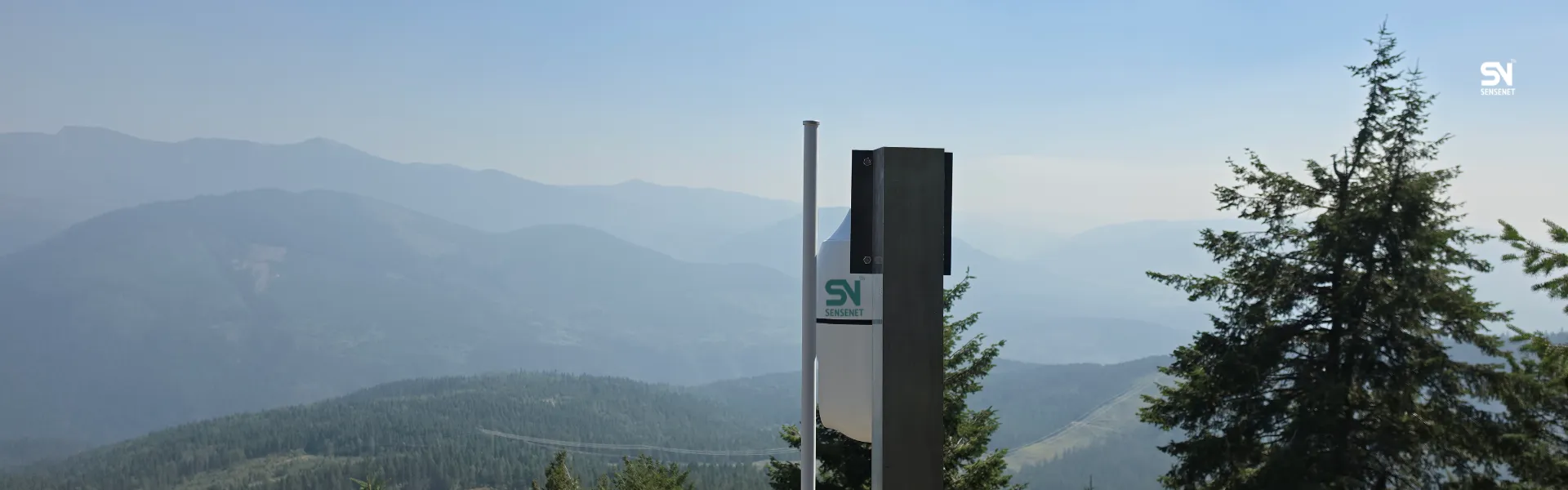
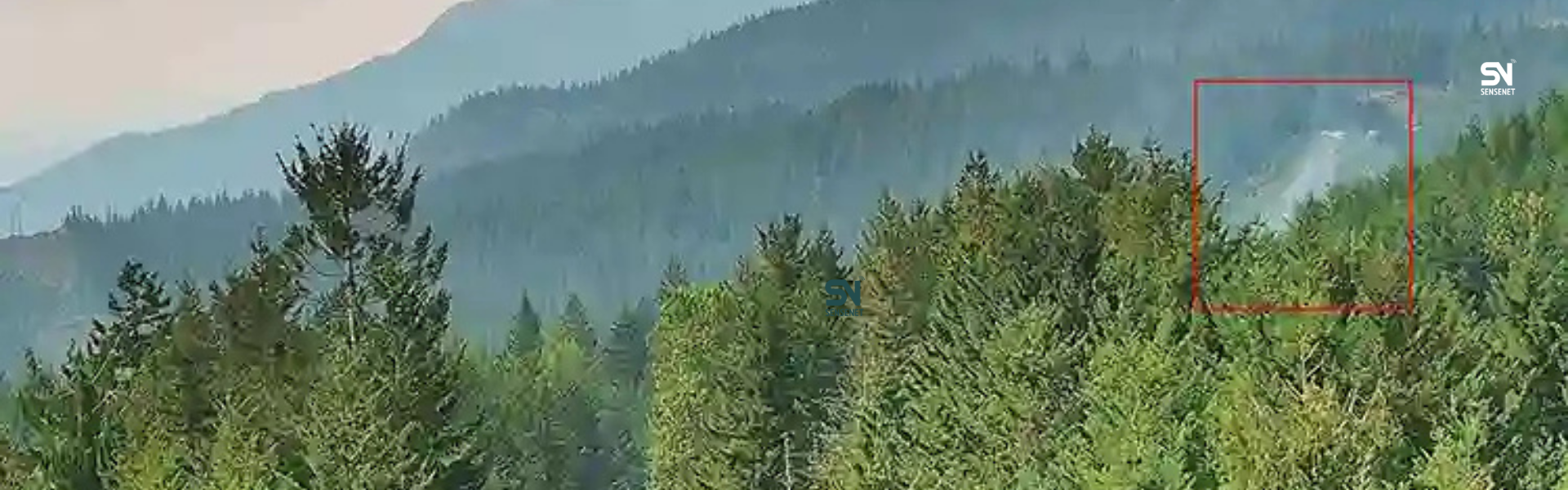
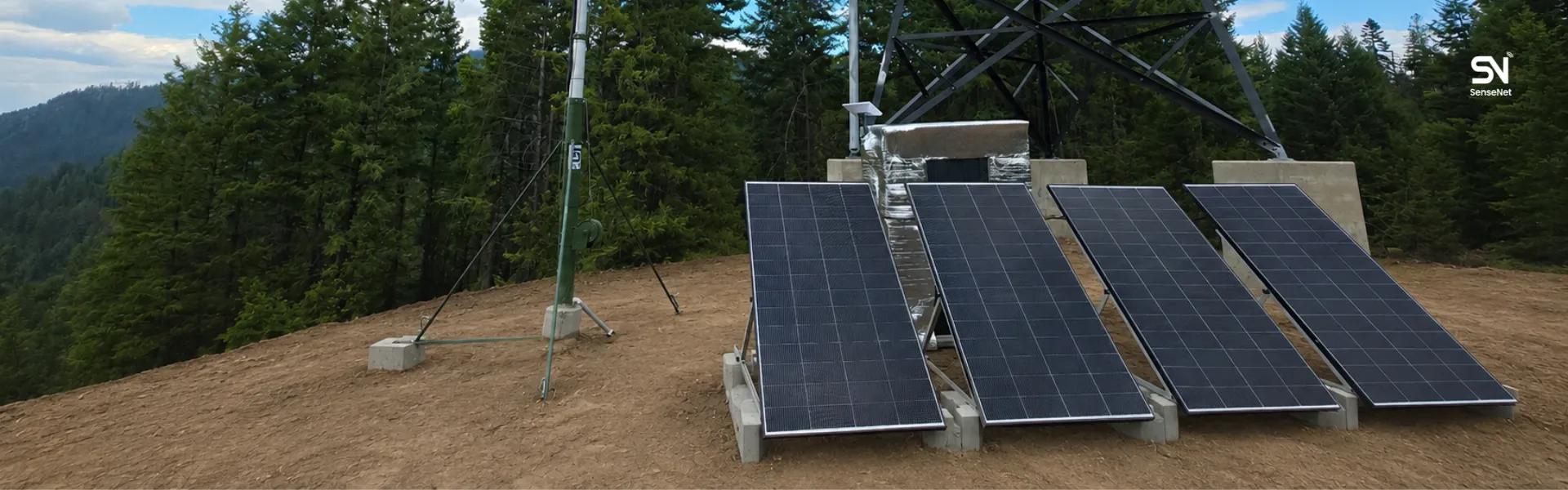
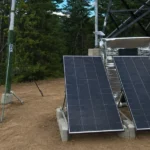
While deploying SenseNet’s early wildfire detection systems in different regions of the world, we have repeatedly seen how eager local communities are to contribute.They understand that making forests more resilient ultimately protects both the ecosystem and the places they call home.
One of the first questions people usually ask our SenseNet technicians and field teams is:
“How can we help protect and strengthen our forests?”
Our recommendations are usually very simple:
- Remove dry branches around residential areas.
- Report smoke or fire immediately.
- Follow wildfire-safety guidelines while camping.
- Avoid lighting fires during high-risk days.
- Participate in local education and awareness programs.
The experience of the Fire Adapted Communities program across the western United States has shown that educating and involving local residents can be just as effective as investing in firefighting equipment.
The Biggest Mistake in Building Wildfire-Resistant Forests
One of the most common mistakes is believing that a single thinning project or one round of vegetation removal will permanently solve the problem and forgetting that forests are living ecosystems.
Trees continue to grow, summer heat dries out branches, and vegetation changes every year.
For this reason, creating wildfire-resistant forests is not a short-term project. It is an ongoing process that requires continuous monitoring and regular maintenance.
As long as part of this process is entrusted to the SenseNet team, we take our responsibility seriously by carrying out monthly inspections and monitoring the performance of cameras, sensors, and other detection equipment.
Can Every Forest Become Wildfire-Resistant?
The short answer is no.
Every forest has its own climate, vegetation, and management conditions.
The objective is not to ensure that forests never burn, but to reduce the likelihood of catastrophic wildfires.
In many ecosystems, low-intensity fires are actually essential for maintaining forest health. What truly matters is managing this natural process properly.
Conclusion
Wildfire-resistant forests are not created through a single action. They are the result of combining scientific management, technology, community participation, and long-term planning.
The experience of projects carried out in California, Canada, and other regions has demonstrated that reducing vegetation fuels, implementing proper forest thinning, using modern technologies, and engaging local communities can significantly reduce wildfire intensity.
In a world where climate change is increasing the likelihood of large-scale wildfires, creating wildfire-resistant forests is no longer an option, it is a necessity for protecting natural resources, biodiversity, and human communities.
Frequently Asked Questions
1. What is a wildfire-resistant forest?
A wildfire-resistant forest is a forest whose structure, vegetation, and management practices are designed to reduce fire intensity and help the ecosystem recover more quickly after a wildfire.
2. Is it possible to create a forest that never burns?
No. The goal of wildfire resilience is not to eliminate fire completely but to reduce damage and improve the forest’s ability to recover.
3. What are the benefits of prescribed burning?
Prescribed burning removes accumulated dry fuels, reduces the risk of severe wildfires, and helps maintain healthy forest ecosystems.
4. What role does artificial intelligence play in creating wildfire-resistant forests?
Artificial intelligence analyzes weather data, satellite imagery, and vegetation conditions to identify high-risk areas and help forest managers make faster and more informed decisions.
5. Why is forest thinning important?
Forest thinning creates appropriate spacing between trees and helps prevent fire from rapidly spreading from one tree canopy to another.
6. What is the most important factor behind a wildfire-resistant forest?
There is no single factor. Success comes from combining vegetation management, technology, long-term planning, and active community participation.