Cost–Benefit Analysis of Early Wildfire Detection Systems
In addition to the ecological damage wildfires cause to natural resources, they also create an extremely costly environmental crisis. Every year, millions of hectares of forests are destroyed by fire, leading to billions of dollars in losses to natural resources, infrastructure, and local economies. Under these circumstances, early wildfire detection systems are receiving increasing attention as one of the most effective tools for wildfire risk management.
However, many natural resource managers, environmental organizations, and even investors involved in forest protection projects face one key question:
Is investing in early wildfire detection systems economically justifiable?
The answer to this question can only be understood through a careful cost–benefit analysis. In this article, we examine the real costs, direct and indirect benefits, and field experiences related to these systems from a scientific and operational perspective. By the end of this article, you will likely have a clearer answer to that question.
Why Cost–Benefit Analysis Matters in Wildfire Management Projects
In many natural resource management projects, decisions are not based solely on technical considerations. Decision‑makers must also demonstrate that a solution is not only effective but economically worthwhile.
When it comes to forest fires, this issue becomes even more critical because the cost of controlling a large wildfire can escalate very quickly. In some countries, suppressing a major wildfire can cost tens of millions of dollars in a single operation.
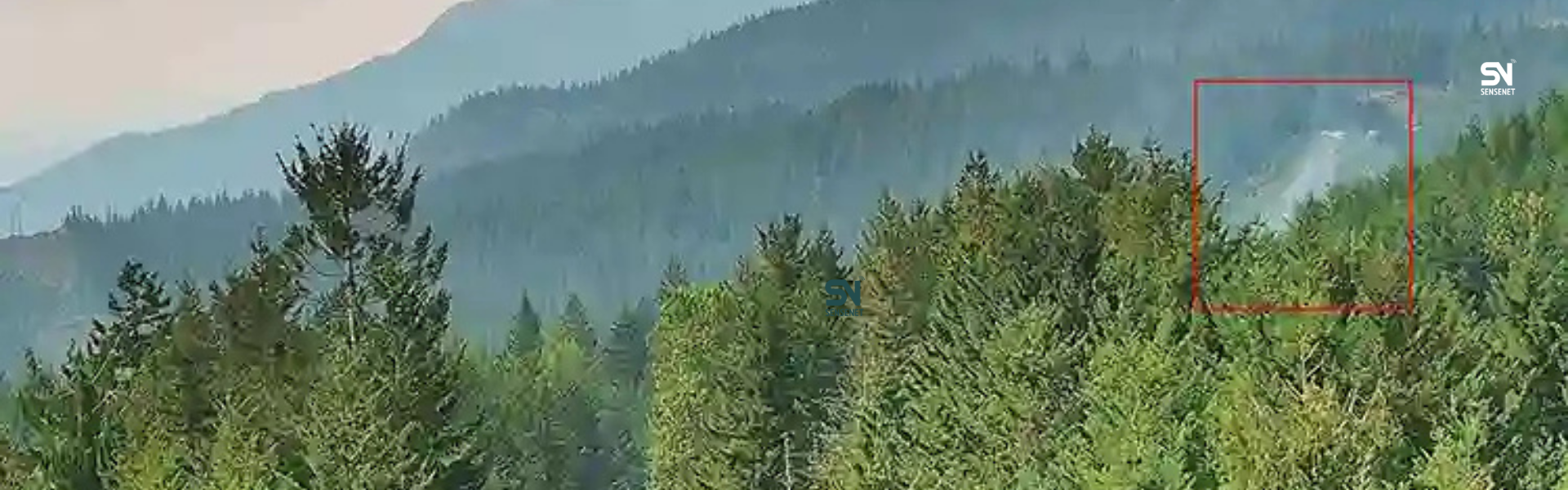
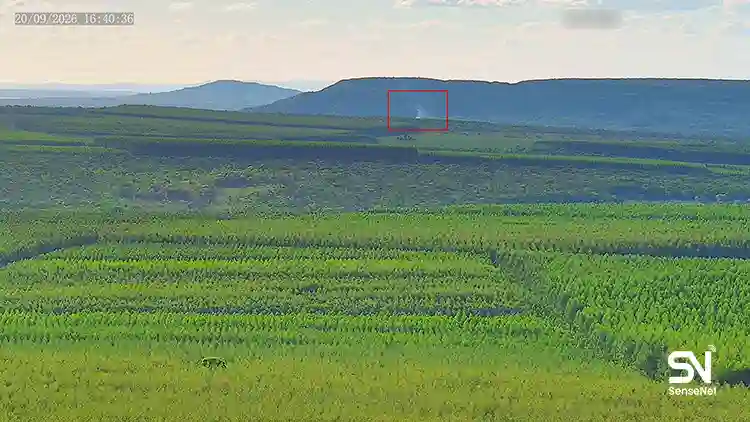
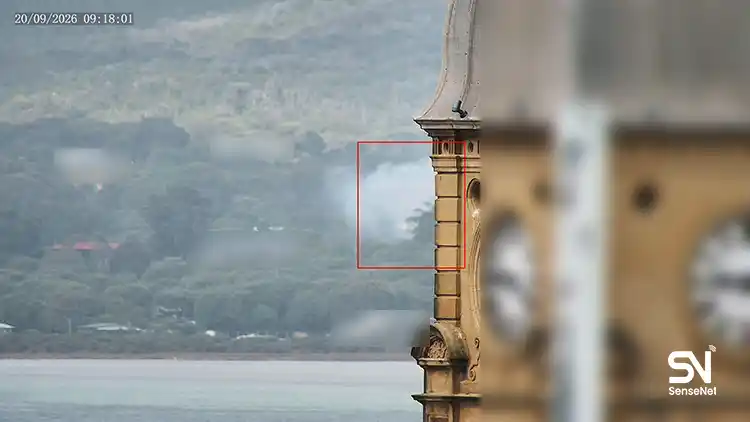
In such situations, If an early detection system can identify a fire in its initial stage, suppression costs may drop by as much as 90 percent. This dramatic difference forms the foundation of the cost–benefit discussion in wildfire detection systems.
The Real Cost Components of Early Wildfire Detection Systems
Many people assume the main expense of these systems is simply purchasing equipment. In reality, the cost structure is more complex and includes several components.
1. Infrastructure and Equipment Costs
This category includes elements such as:
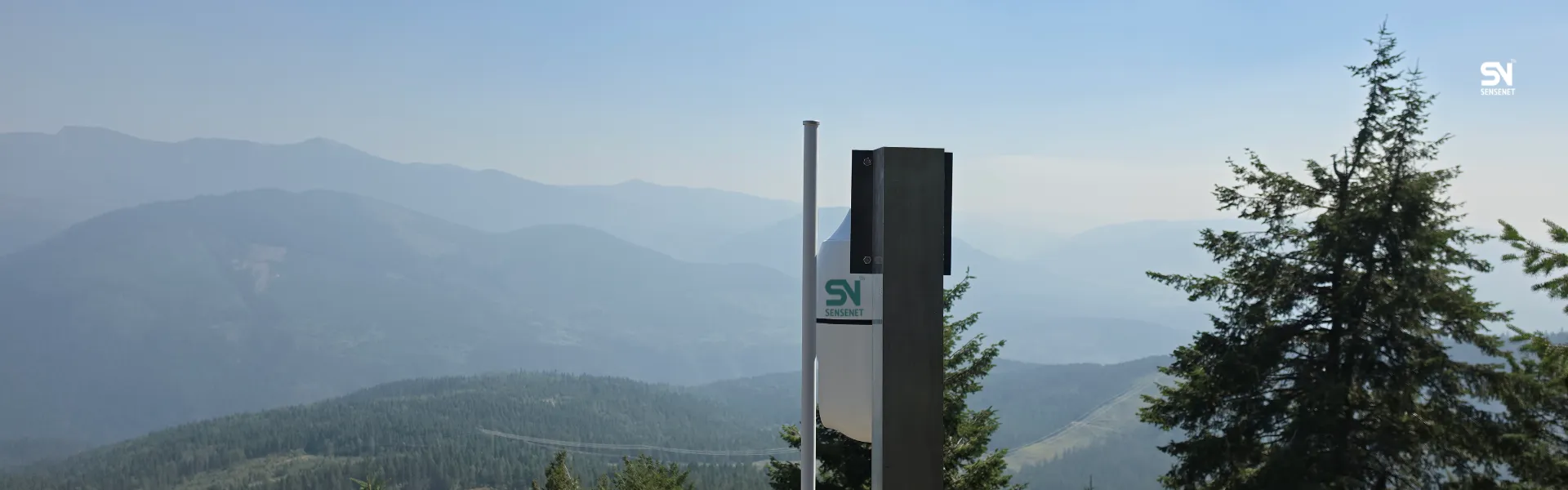
- AI‑based smoke detection cameras
- Environmental sensors (smoke, temperature, gases)
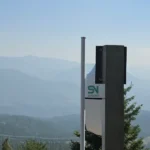
- Monitoring towers or installation points
- Data processing servers
- Monitoring and analytics software
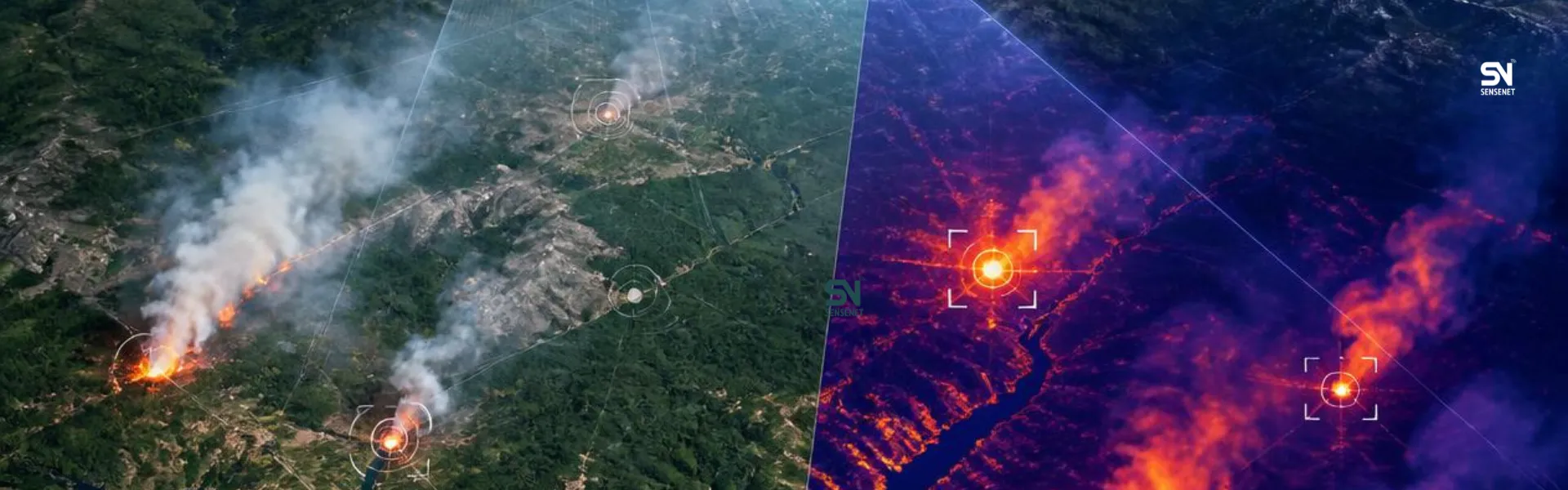
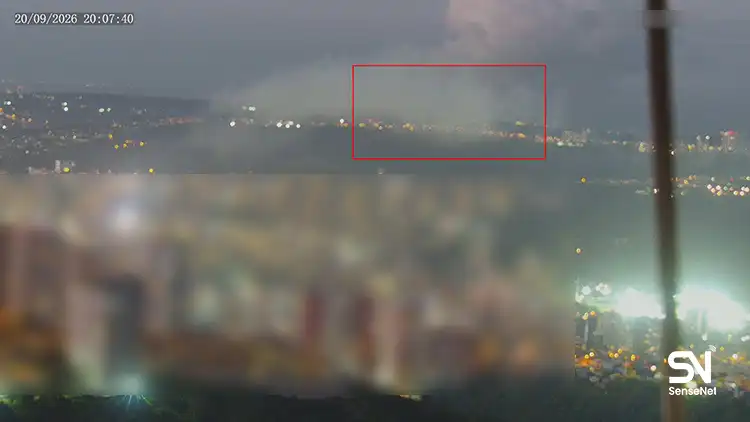
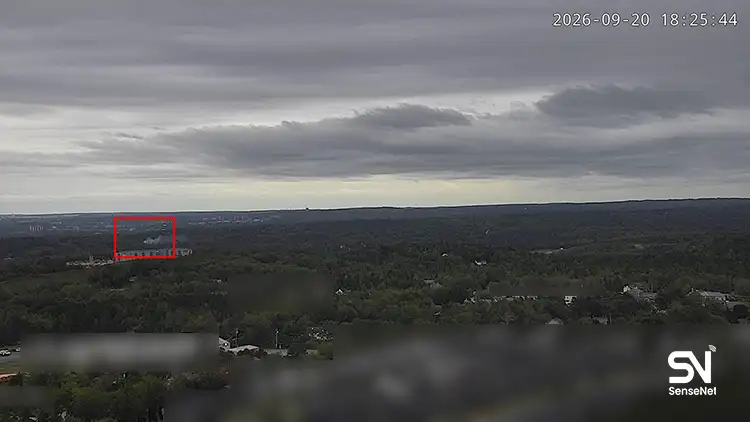
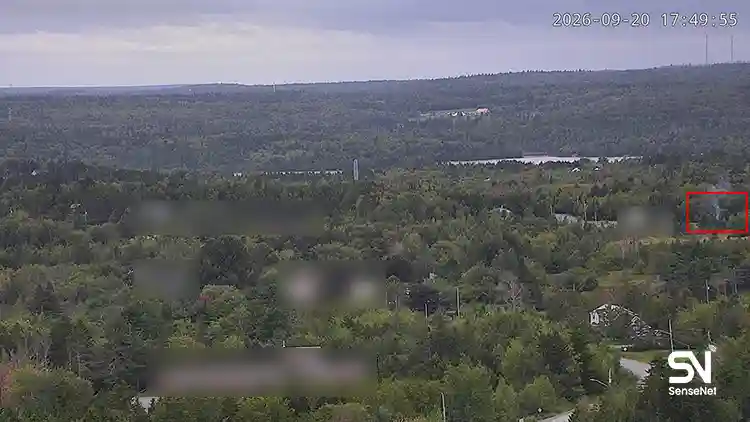
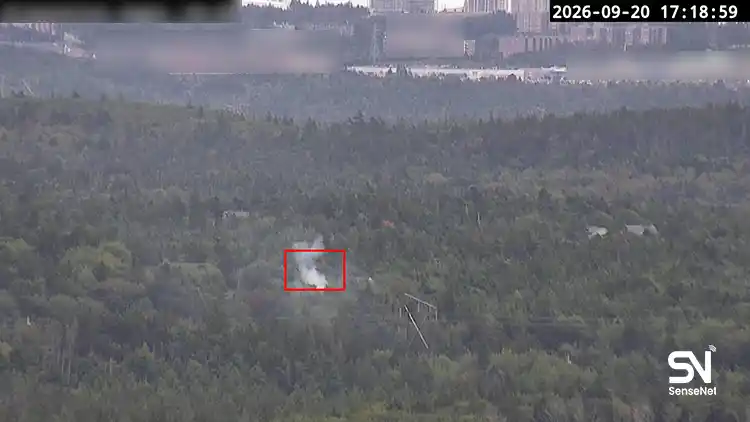
In advanced systems such as those provided by SenseNet, image and data analysis are performed automatically in order to reduce false alarms and improve detection reliability.
2. Installation and Deployment Costs
One aspect that is rarely discussed is the cost of deploying equipment in natural environments.
In many forest projects, installation comes with significant challenges such as:
- Lack of road access
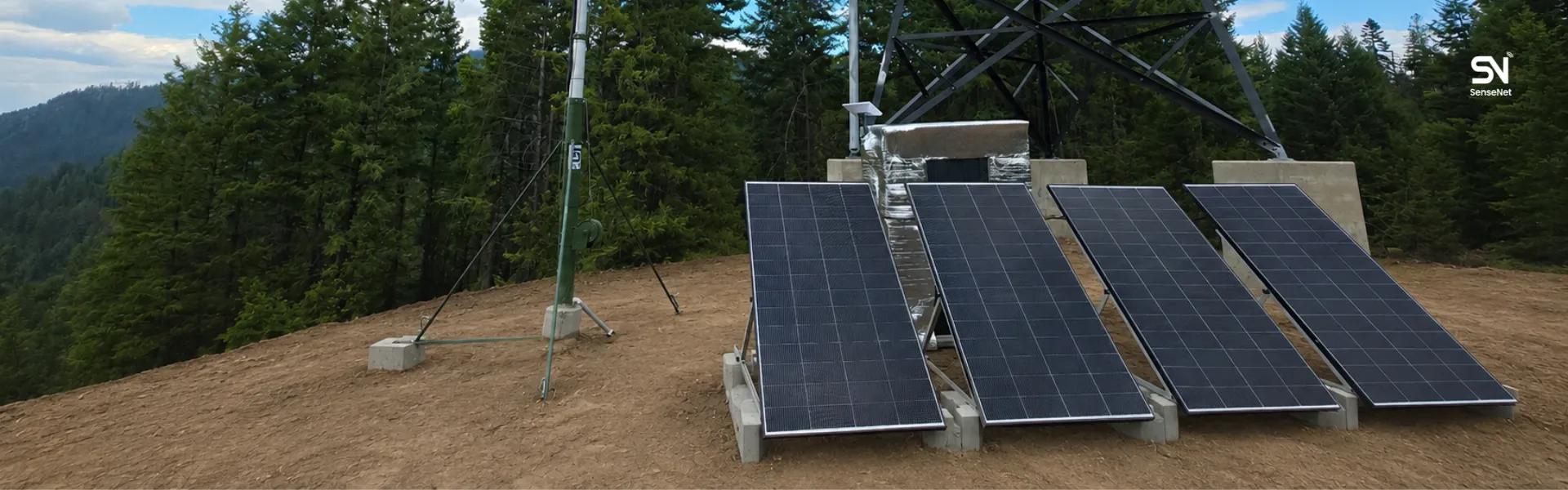
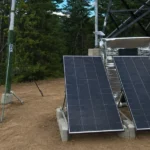
- The need for independent power sources (often solar)
- Establishing communication links in remote areas
- Harsh environmental and weather conditions
In some projects, installation alone can account for up to 30 percent of the total project cost.
3. Maintenance and Operational Costs
Every monitoring system requires maintenance to ensure stable and long‑term performance. These costs typically include:
- Periodic equipment servicing
- Sensor calibration
- Repair or replacement of components
- Software updates
- Data management and monitoring
Systems that rely on intelligent analytics and remote monitoring usually have lower long‑term maintenance costs.
The Real Benefits of Early Wildfire Detection Systems
In cost–benefit analysis, the most important aspect is often the economic and operational benefits.
Major Reduction in Fire Suppression Costs
One of the most significant advantages of early detection is that fires can be contained during their earliest stages.
For example:
- Containing a fire under 1 hectare: minimal cost and a small response team required
- Containing a fire across hundreds of hectares: aircraft, helicopters, and hundreds of firefighters required
Reports from wildfire management agencies in the United States and Australia suggest that every $1 invested in early detection can save between $6 and $15 in wildfire suppression costs.
Preventing Environmental Losses
Many of the true economic and environmental values of forests are rarely reflected in simple calculations. People often think only about burned timber or lost economic resources, but there are also hidden environmental losses, including:
- Biodiversity
- Carbon storage
- Water resources
- Nature‑based tourism
The destruction of these resources can create long‑term and sometimes irreversible damage.
Reducing Damage to Infrastructure and Local Communities
In many regions, forest fires quickly spread toward residential areas or critical infrastructure. Early detection can help prevent damage to:
- Power transmission lines
- Industrial facilities
- Tourism areas
- Villages and rural communities
A Lesser‑Known Reality: The Cost of Late Detection
One interesting insight from wildfire management studies is that the greatest cost in many wildfire incidents may come not from the fire itself, but from delays in detecting it.
In many cases, a fire may burn undetected for 30 to 60 minutes. During this time, it can expand dramatically and become far more difficult to control.
By the time response teams arrive, even highly skilled firefighting units may be facing a rapidly escalating crisis.
The Role of Smart Technologies in Improving Cost–Benefit Outcomes
Technological advances in recent years have significantly improved wildfire detection systems.
Today, detection accuracy can be significantly improved by combining multiple technologies, including:
- AI‑based smoke detection cameras
- Environmental sensor networks
- Weather data analysis
- Satellite imagery
- Machine learning algorithms
Platforms such as SenseNet integrate these technologies into a unified monitoring system designed to reduce detection time and improve alert accuracy.
When Do These Systems Deliver the Highest Return on Investment?
Operational analysis shows that early wildfire detection systems provide the greatest economic value in areas such as:
- National parks and protected areas
- Dense forest regions
- Areas with a history of frequent wildfires
- Regions close to human settlements
- Areas containing critical infrastructure
In these locations, preventing just one major wildfire may be enough to offset the entire cost of the detection system.
Conclusion
Cost–benefit analysis clearly shows that early wildfire detection systems are not only a technical solution for crisis management, but also a smart economic investment.
Although these systems require initial capital investment, they can generate substantial long‑term savings by reducing firefighting costs, preventing environmental losses, and protecting infrastructure and local communities.
With the development of intelligent monitoring technologies and advanced platforms such as those offered by Sensenet, faster wildfire detection and more effective crisis management are becoming increasingly achievable.
In a world where climate change and rising global temperatures are increasing the risk of large‑scale wildfires, investing in early detection systems may be one of the most effective strategies for protecting forests and natural ecosystems.