Wildfire Risk Management in National Parks
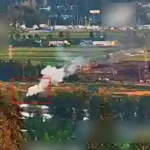
No one denies that forest fires are a natural part of many ecosystems. However, it is impossible to ignore that in recent years the intensity and frequency of these fires have increased significantly.
Climate change, prolonged droughts, increasing human activities, and changes in land management patterns are among the most important factors that have increased wildfire risk in natural and protected areas.
In national parks, wildfire risk management is even more complex because managers must reduce fire hazards while also protecting biodiversity, ecosystem health, and visitor experience.
Reducing wildfire risk in national parks requires a combination of ecological knowledge, environmental monitoring technologies, operational planning, and participation from local communities. In this article, we examine some of the most important, practical, science-based strategies for reducing wildfire risk in national parks.
Understanding Wildfire Risk in Protected Areas
Wildfire risk generally emerges from the combination of three main factors: the presence of vegetative fuel, the likelihood of ignition, and weather conditions.
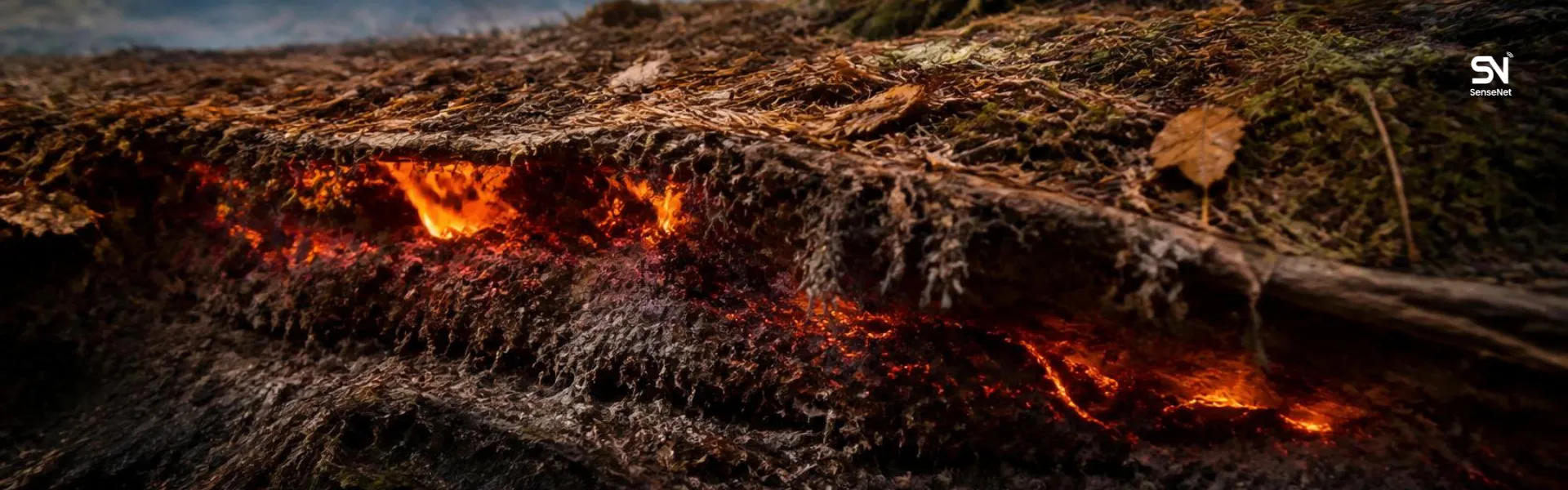
National parks often contain dense vegetation and vast areas of relatively untouched nature. Over time, this leads to the accumulation of combustible materials such as dry grass, shrubs, fallen branches, and dead trees.
At the same time, the presence of tourists, research activities, and nearby local communities increases the likelihood of fires caused by human activity. In reality, this coexistence between humans and nature cannot be eliminated. While continuous education can help strengthen the culture of responsible visitation and living near national parks, the close proximity of human communities to natural ecosystems inevitably creates certain challenges.
Studies show that in many regions of the world, about 80 to 90 percent of wildfires are caused by human activities rather than natural factors. Therefore, wildfire risk management must consider both environmental conditions and human behavior.
Advanced Vegetation Fuel Management
One of the most important, yet often misunderstood, elements of wildfire prevention is vegetation fuel management. In this context, “fuel” refers to any combustible plant material such as dry grass, shrubs, dry branches, and dead trees.
In the past, fuel management often meant large-scale clearing of vegetation. However, recent research in wildfire science suggests that more targeted and ecological approaches are far more effective.
Selective Fuel Reduction
Instead of removing large amounts of vegetation, this method focuses on removing highly flammable species and reducing the density of understory vegetation. This can significantly reduce fire intensity without seriously damaging ecosystem structure.
Creating Fuel Reduction Zones (Firebreaks)
Fuel reduction zones, or firebreaks, are areas where vegetation is managed in a way that slows or prevents the rapid spread of fire.
In modern national park management, the concept of ecological firebreaks is increasingly used. In this approach, natural landscape features such as rivers, rocky areas, or low-flammability plant species are used to create natural barriers that limit fire spread.
Prescribed Burning
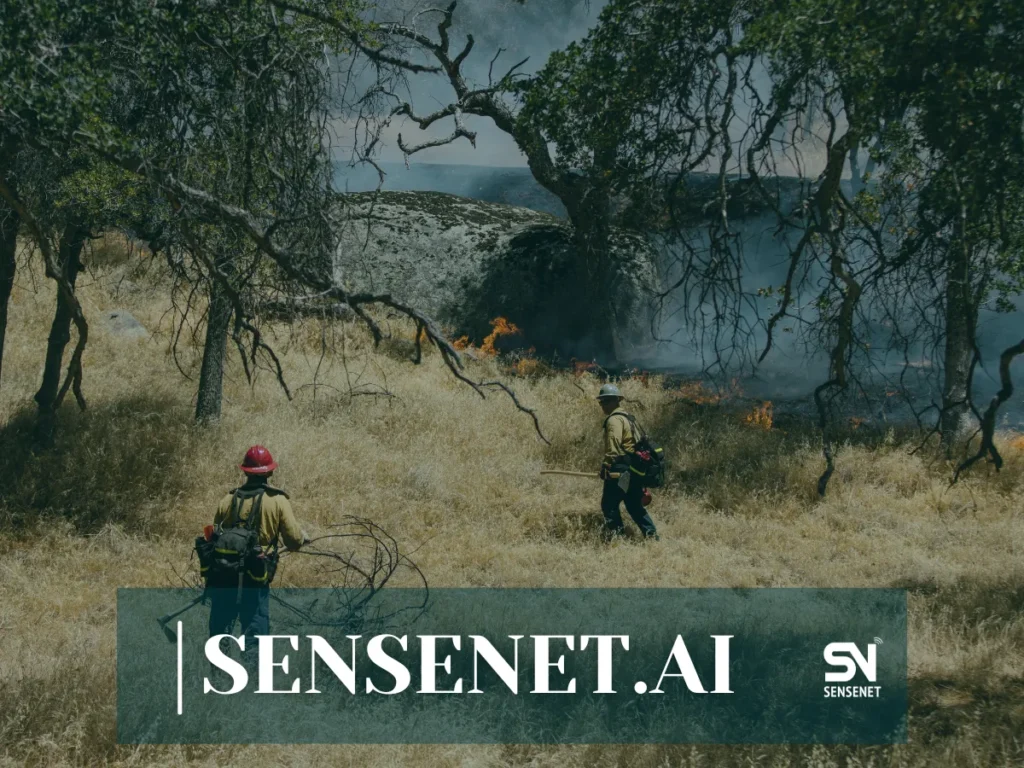
Controlled or prescribed burning is one of the most scientifically accepted methods for reducing the risk of large-scale wildfires.
In this method, accumulated fuels are intentionally burned under carefully controlled weather conditions. This reduces the amount of combustible material available during high-risk seasons.
Additionally, in some ecosystems, low-intensity fires can help regenerate vegetation and support the growth of native plant species.
Landscape-Scale Fire Risk Mapping
One of the emerging areas in wildfire management is the development of landscape-scale fire risk maps.
In this approach, multiple environmental datasets are combined, including:
• Vegetation density
• Moisture levels in vegetation fuels
• Regional topography
• Historical fire patterns
• Weather forecasts
• Patterns of human presence
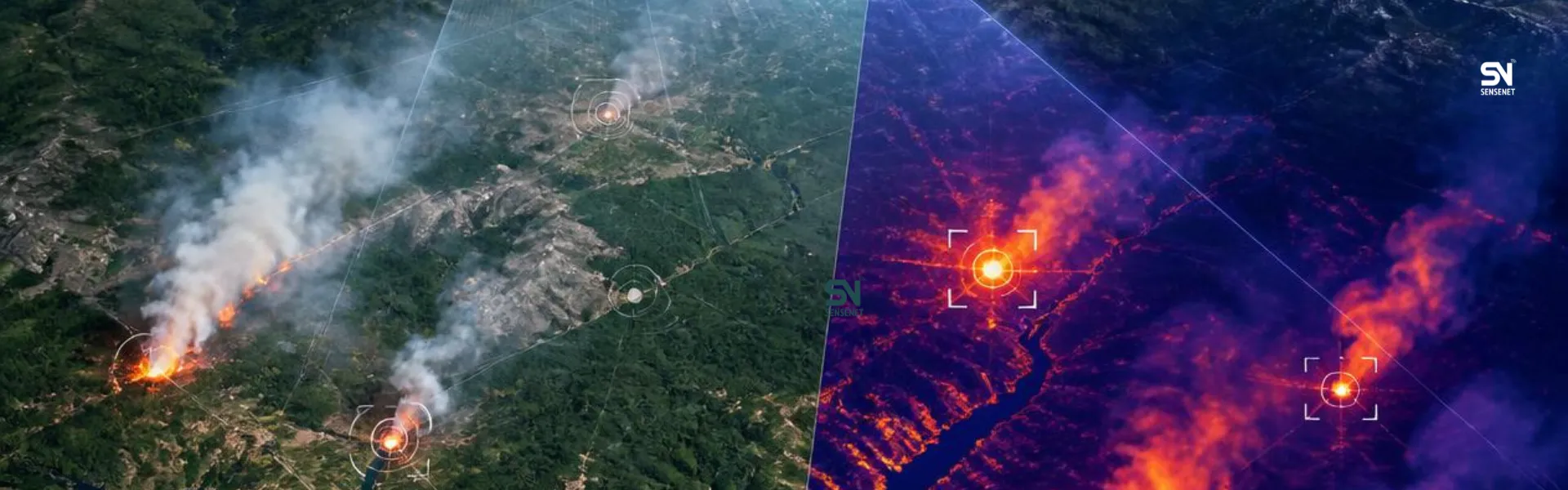
Using spatial analysis and machine learning models, dynamic fire risk maps can be generated to help park managers identify sensitive and high-risk areas. Data collected from sensors, cameras, drones, and satellite imagery provide valuable support for making critical management decisions.
These maps allow monitoring patrols to be conducted more strategically and enable firefighting equipment to be positioned in key locations.
Early Wildfire Detection
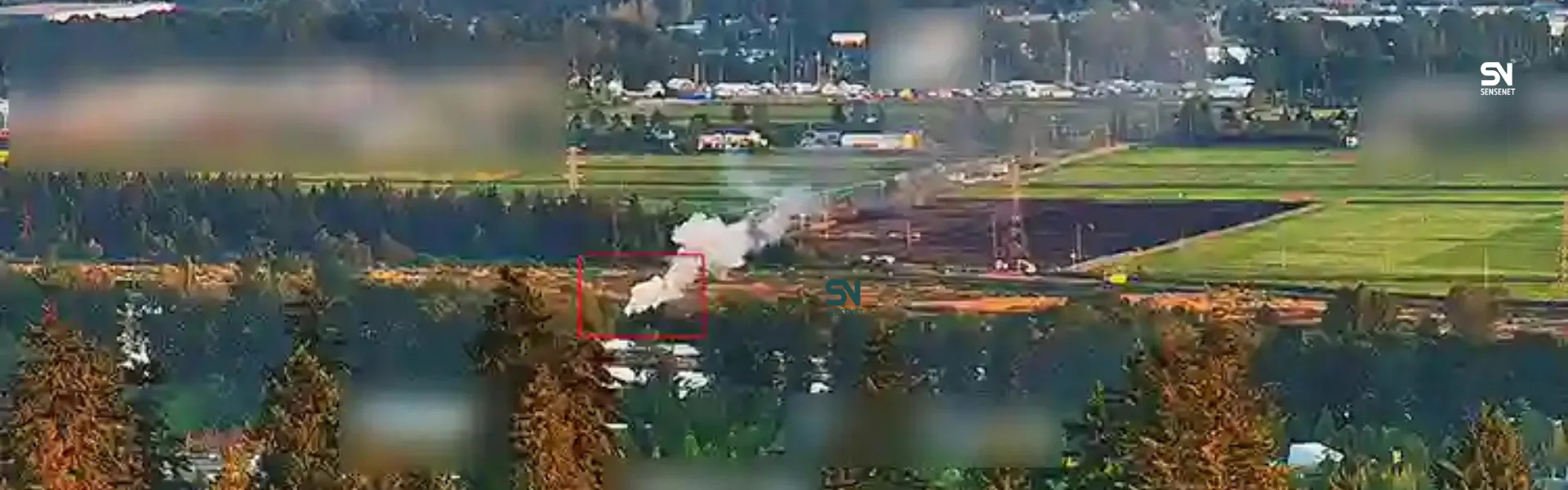
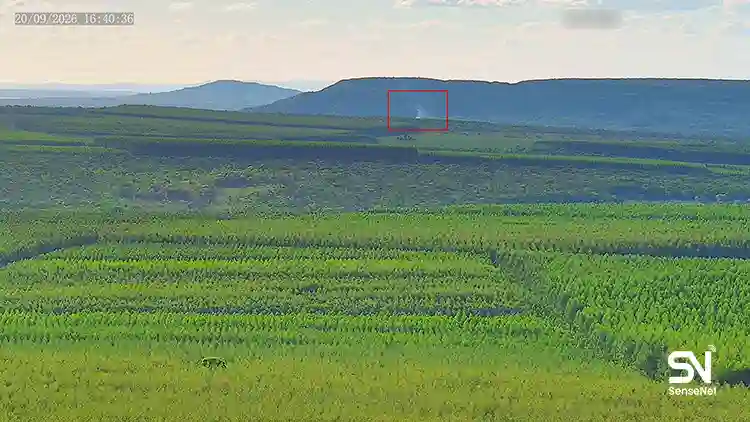
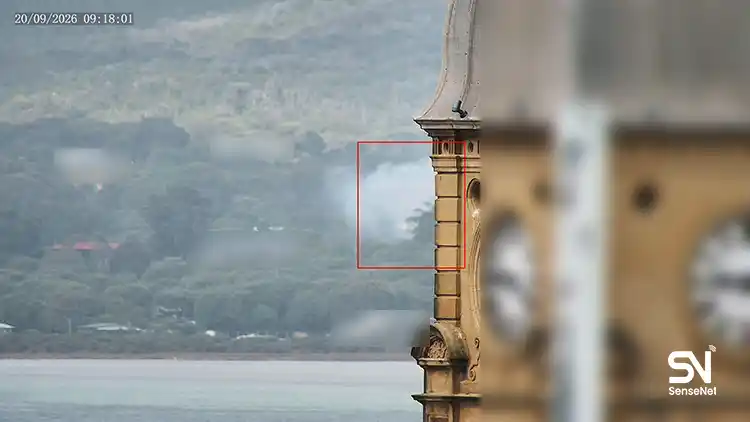
One of the most effective ways to reduce wildfire damage is to detect fires as early as possible. The earlier a fire is identified, the easier and less costly it is to control.
Today, many national parks use advanced technologies for early fire detection, including:
• AI-based smoke detection cameras
• Thermal sensors
• Satellite monitoring
• Wireless sensor networks
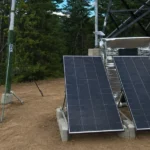
These systems can detect indicators such as rising temperatures, smoke particles, or abnormal environmental patterns and send early warnings.
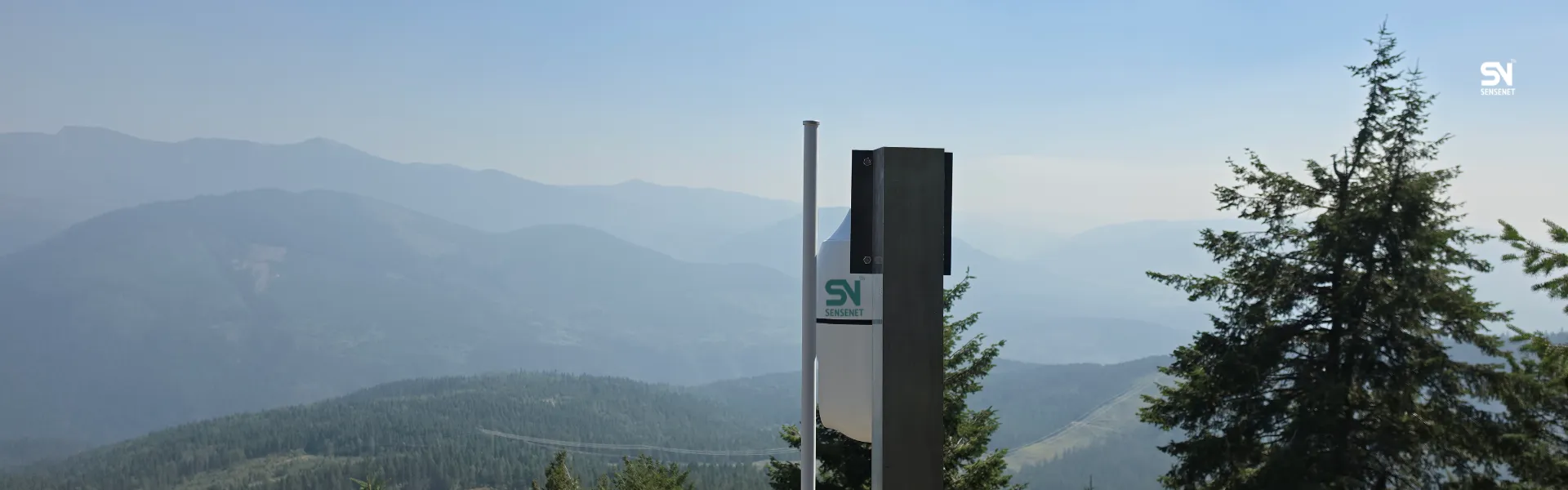
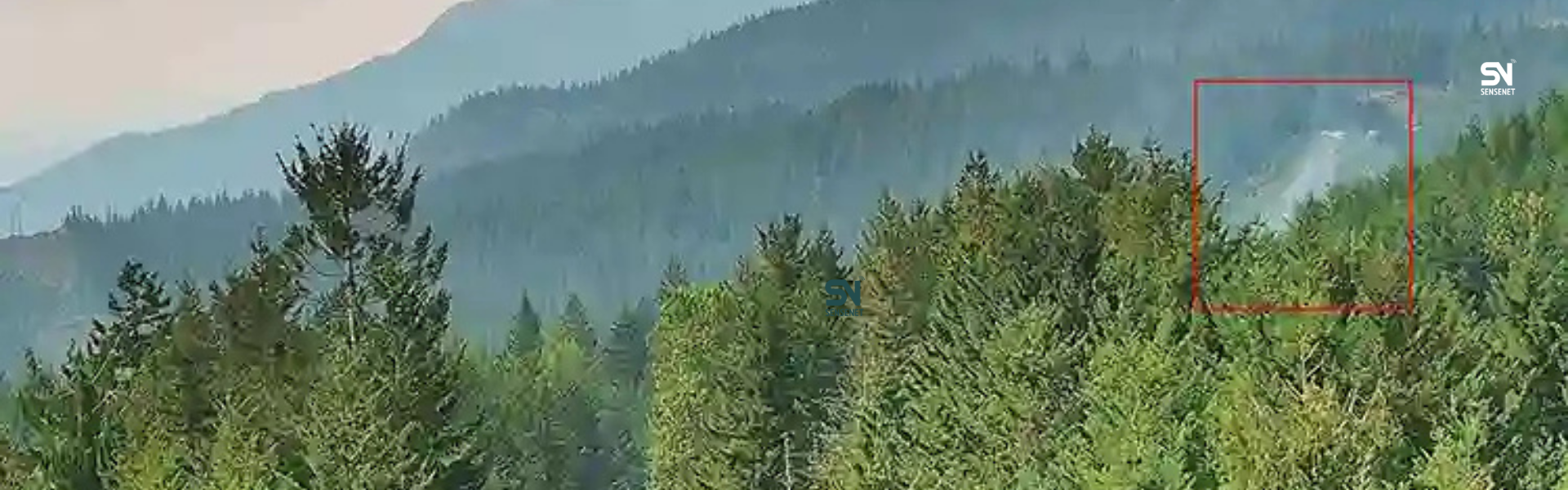
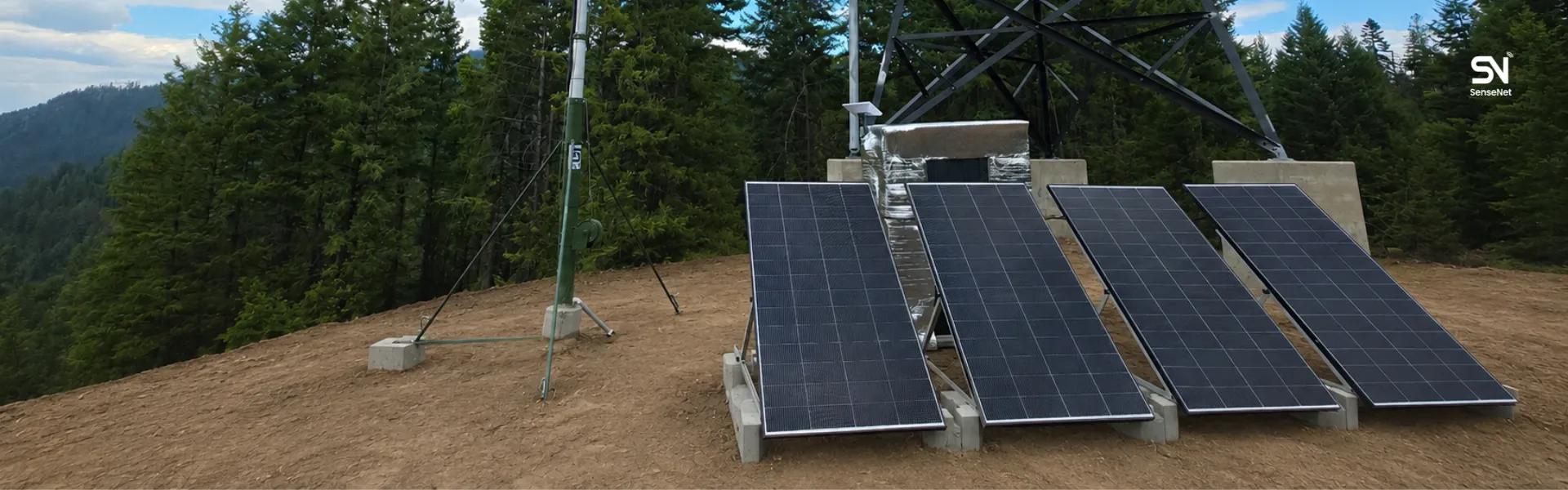
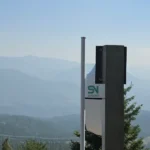
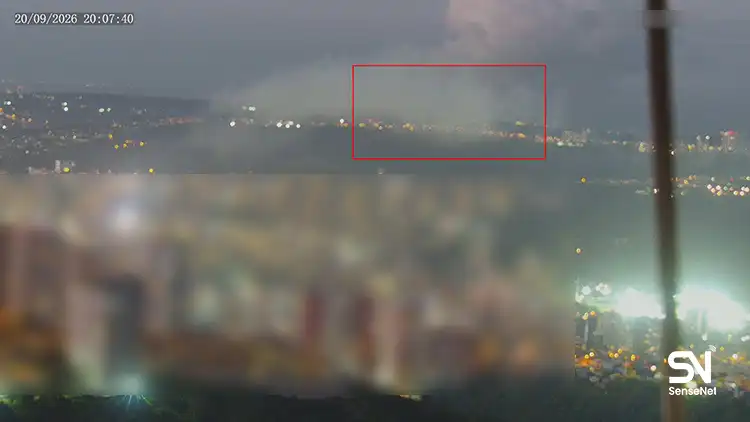
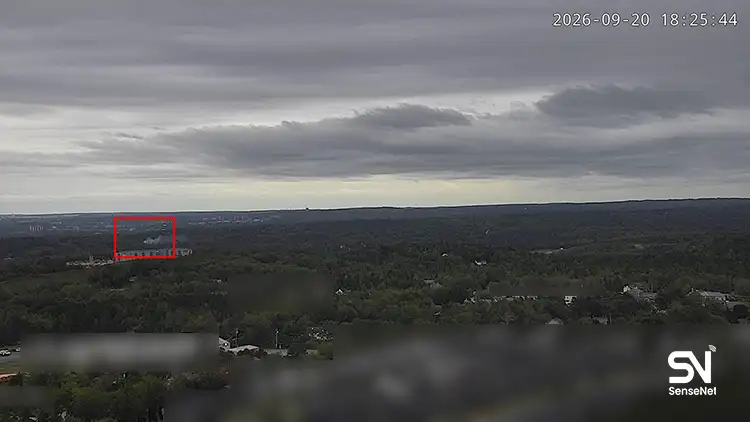
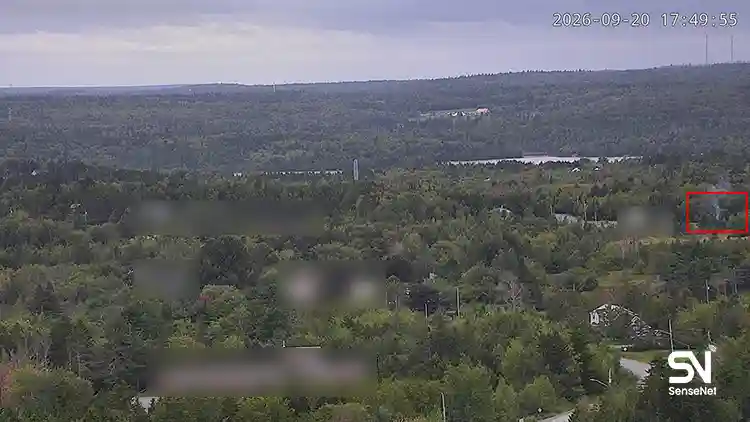
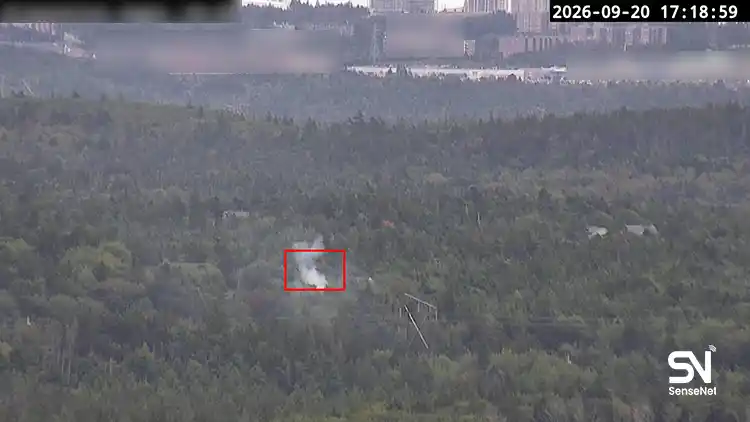
One of the most advanced systems currently available worldwide is the SenseNet early wildfire detection system, developed by some of the leading researchers and scientists in the field.
Managing Human Activities
Since a large proportion of wildfires originate from human activity, managing visitor behavior is a critical component of wildfire risk reduction.
Restricting Activities During High-Risk Periods
On days when the fire danger index is high, certain activities can be temporarily restricted, including:
• Lighting fires in natural areas
• Outdoor cooking
• Welding or metal cutting near forests
• Driving vehicles in areas with dry vegetation
Clear and timely communication about these restrictions plays a crucial role in their effectiveness.
Fire-Resilient Infrastructure Design
Buildings and facilities within national parks can also be potential ignition sources.
Designing fire-resistant infrastructure may include:
• Using fire-resistant construction materials
• Creating vegetation-free safety zones around buildings
• Using underground power lines where possible
• Installing spark-prevention systems in industrial equipment
These measures can significantly reduce the likelihood of accidental fires.
Optimizing the Placement of Watchtowers
Despite advances in satellite and sensor technologies, fire lookout towers still play an important role in many national parks.
Today, advanced visibility analysis tools such as line-of-sight analysis, digital elevation models, and vegetation maps are used to determine the optimal placement of these towers. The goal is to achieve maximum visual coverage with the fewest towers.
The more carefully tower placement is planned, the lower the wildfire risk becomes. Careful placement also improves the safety of the observers who work in these towers.
Community Participation
Many national parks are located near villages and local communities. These communities can play a significant role in wildfire prevention.
Community-based programs may include:
• Establishing community fire watch networks
• Training local volunteers to quickly report smoke or fire
• Educational programs during high-risk seasons
• Cooperation in emergency evacuation planning
Experience shows that parks that collaborate closely with local communities typically benefit from faster reporting and more effective responses to wildfire incidents.
Climate-Adaptive Fire Management
Climate change is altering wildfire behavior in many parts of the world. Rising temperatures, reduced soil moisture, and longer dry seasons have extended wildfire seasons in many regions.
Climate-adaptive management may include actions such as:
• Integrating climate data into fire prediction models
• Increasing monitoring during severe drought periods
• Updating fuel management plans
• Revising emergency response strategies
National parks must continuously adapt their wildfire management strategies to changing climatic conditions.
Final Thoughts
Reducing wildfire risk in national parks is not simply about extinguishing fires quickly; it requires a comprehensive and preventive approach.
Smart vegetation fuel management, early detection technologies, environmental data analysis, human activity management, and community participation are among the most important tools for reducing wildfire risk.
Ultimately, effective fire management does not mean completely eliminating fire from nature. Instead, it means understanding fire behavior, predicting dangerous conditions, and making the right decisions before a small spark turns into a major disaster.