Wildfire Prevention Strategies
It all started with climate change!
Ever since the weather patterns shifted, droughts have become more common, and for over two decades, we’ve been dealing with massive wildfires on a regular basis. On top of that, human activities have made things worse, leading to even more forest fires. Stats show that nearly 90% of wildfires are sparked by people.
It’s not just about burning forests. These fires put homes, lives, and entire economies at risk. The big question on everyone’s mind in situations like this is: “With all this going on, how do I keep my house safe? What can I do to protect my community? Could wildfire prevention strategies be the answer?”
In this guide, we’ll break down proven wildfire prevention strategies in simple, step-by-step terms. We’ll start with what you can do personally and move up to large-scale land management and cutting-edge tech.
The Causes of Wildfires
The first question that usually pops up is: “Where do wildfires even start?” Most of them, around 89% in recent years, come from human carelessness: folks camping without paying attention to nature, industrial equipment in the woods suddenly sparking, burning trash without caution, or even tossing a cigarette butt that turns into a massive blaze. Natural causes like lightning happen too, but those are harder to control. So, let’s focus on what we can actually handle. If you live in a dry area or near a forest, you’re probably wondering: “Is my spot at risk?” Check drought maps from environmental agencies or fire weather apps to gauge the danger level.
Personal Actions: Easy Steps Anyone Can Take
You might be thinking right now: “What can I possibly do on my own?” Start with these straightforward habits today:
- Check the weather before any outdoor activities: Skip lighting fires or using spark-prone tools on hot, dry, windy days. Use fire weather forecasts to stay informed.
- Campfire safety: Only build fires in approved spots, far from plants. Never leave it unattended to burn out. Douse it with water once, stir the ashes, and pour more water to make sure no hidden embers are left.
- Vehicle and equipment maintenance: Don’t park your car on dry grass (exhaust can spark). Inspect tires, bearings, and exhaust systems, and use spark arrestors.
- Burning debris carefully: Only do it on permitted, wind-free days, in small piles, with water and fire tools nearby. Fully extinguish the ashes afterward.
- Safe alternatives for fireworks: In high-risk zones, go for non-flammable glow items instead.
These are basic moves, but they stop most human-caused fires in their tracks. Now, if you’re a homeowner, your next question is likely to be: “How can I make my house more fire-resistant?”
Home Hardening: Building a Fortress Against Flames
One of the best ways is home hardening, making your place tough against embers (those flying bits of fire carried by wind) and heat. Embers can travel miles and ignite things out of nowhere.
Roof and Gutters
- Use Class A fire-resistant materials like metal, tile, or asphalt.
- Regularly clean gutters of leaves and junk.
- Install metal edges and gutter guards.
Vents and Eaves
- Cover vents with 1/8-inch metal mesh to keep embers out.
- Enclose eaves with non-flammable stuff.
Windows and Doors
- Put in double-paned windows with heat-resistant glass.
- Seal garage doors with ember-proof weather stripping.
Decks and Fences
- Build with fire-resistant composites and keep the area under the deck clear.
- Make fences attached to the house non-flammable.
To get a better grasp, divide defensible space into three zones:
| Zone | Distance from Home | Key Actions |
| Zone 0 (Immediate) | 0-5 feet (about 1.5 meters) | Remove all flammables; use gravel or concrete; no plants touching the house. |
| Zone 1 (Intermediate) | 5-30 feet (1.5-9 meters) | Prune trees, space out shrubs, keep grass to 4 inches; clear dead plants. |
| Zone 2 (Extended) | 30-100 feet (9-30 meters) | Thin trees, create fuel breaks, store firewood far from buildings. |
Research shows homes with these zones have up to 60% better survival odds. If your land slopes, extend the zones farther downhill.
Fuel Management: Starving the Fire
Now that your house is tougher, the next question is: “How do I handle the vegetation around it so the fire doesn’t spread?”
- Thinning and pruning: Cut low branches (ladder fuels) so flames can’t climb to treetops. Space trees 10-16 feet apart.
- Prescribed burns: Planned fires conducted by pros to clear extra fuel, cutting wildfire intensity by up to 80%. This has been done for years in places like Canada and U.S. states.
- Firebreaks: These are wide strips or lines on the ground where flammable vegetation (trees, bushes, dry grass, branches) is completely cleared or heavily reduced so fire can’t cross. Simply put, it’s like an invisible wall without fuel. When fire hits it, with no “food” to keep going, it usually stops or slows way down, giving firefighters a chance to handle it. Do this in cooler seasons to minimize risks. Governments often take the lead here.
Cutting-Edge Tech: The Future of Wildfire Prevention
By 2026, tech has come a long way. You might ask: “Is there a device that spots fires early?”
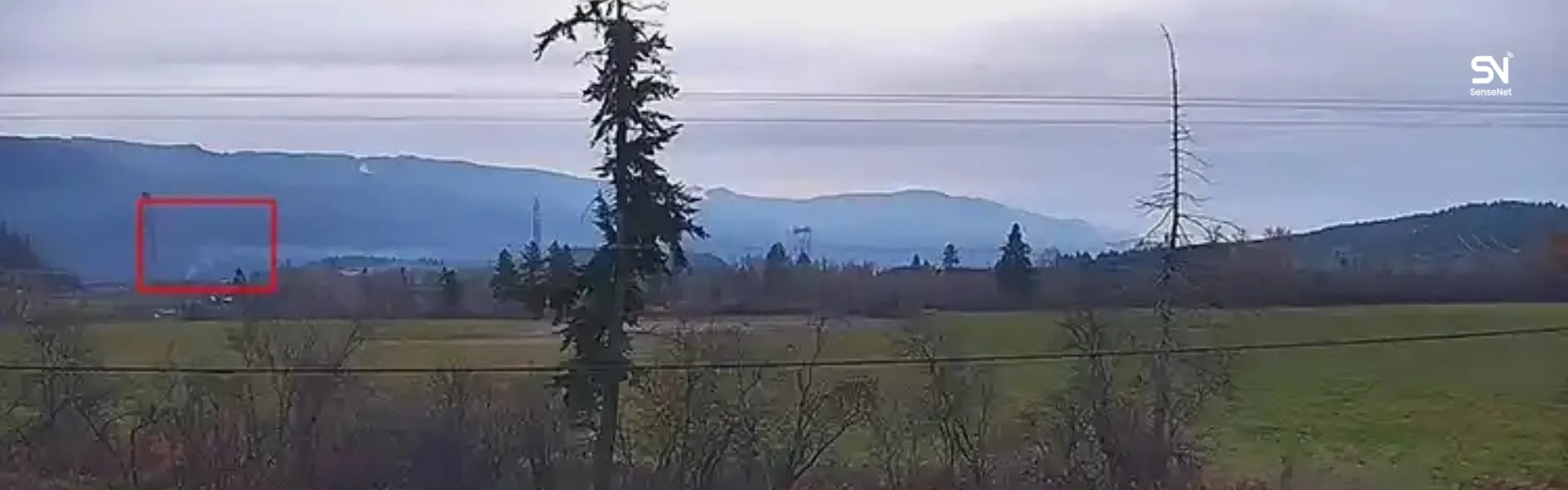
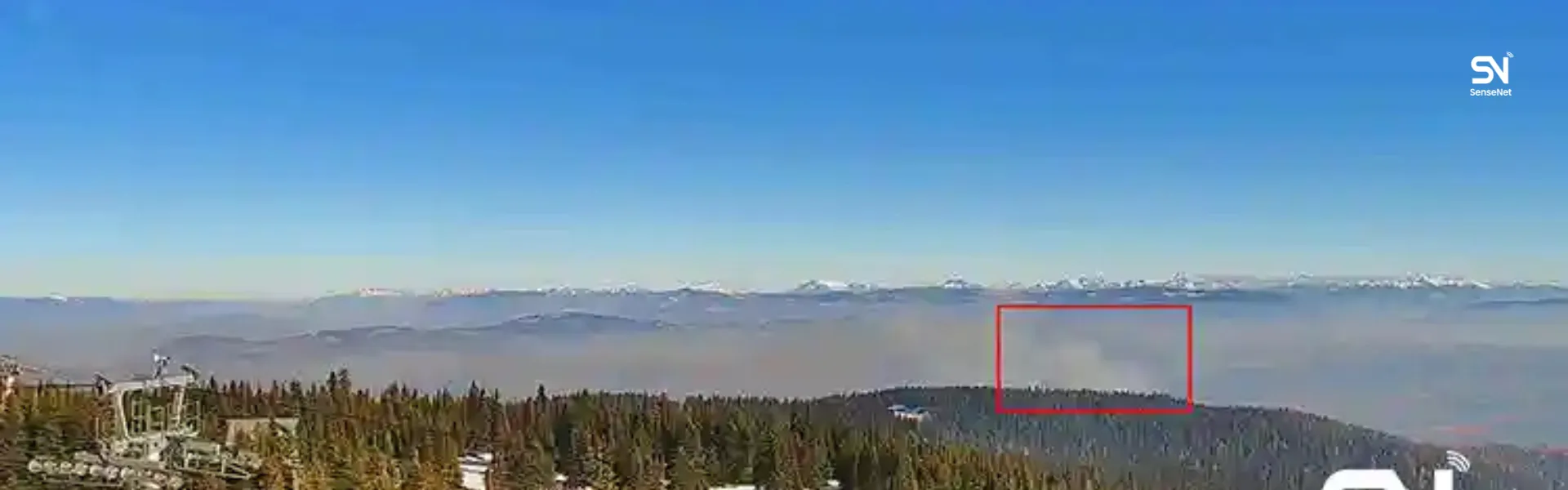
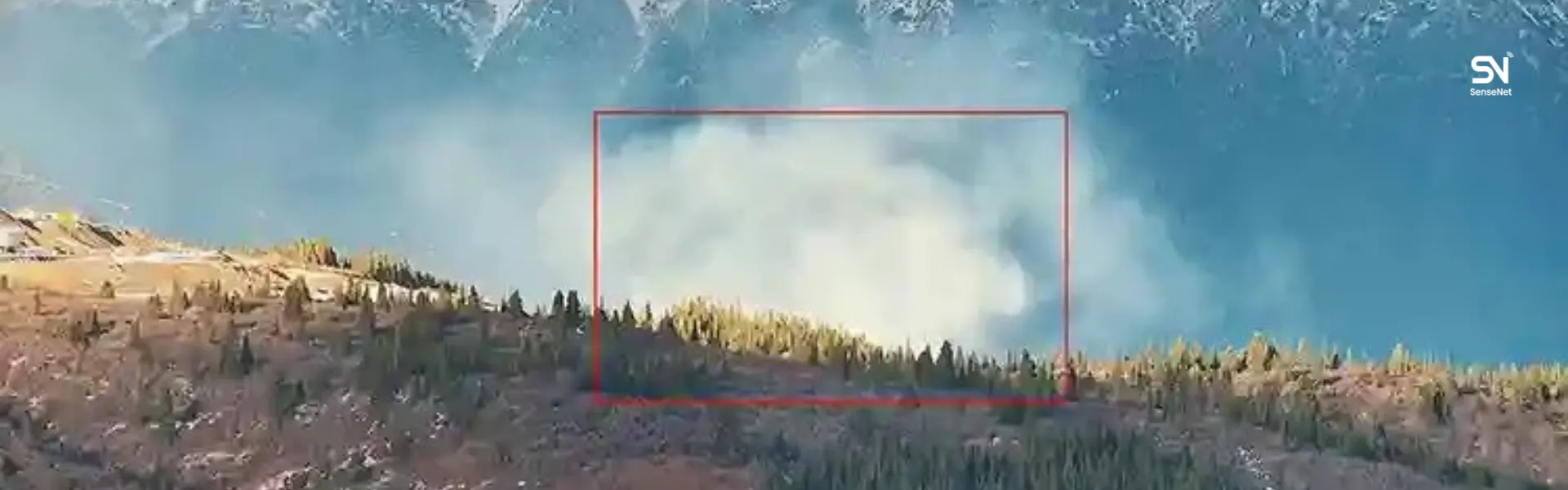
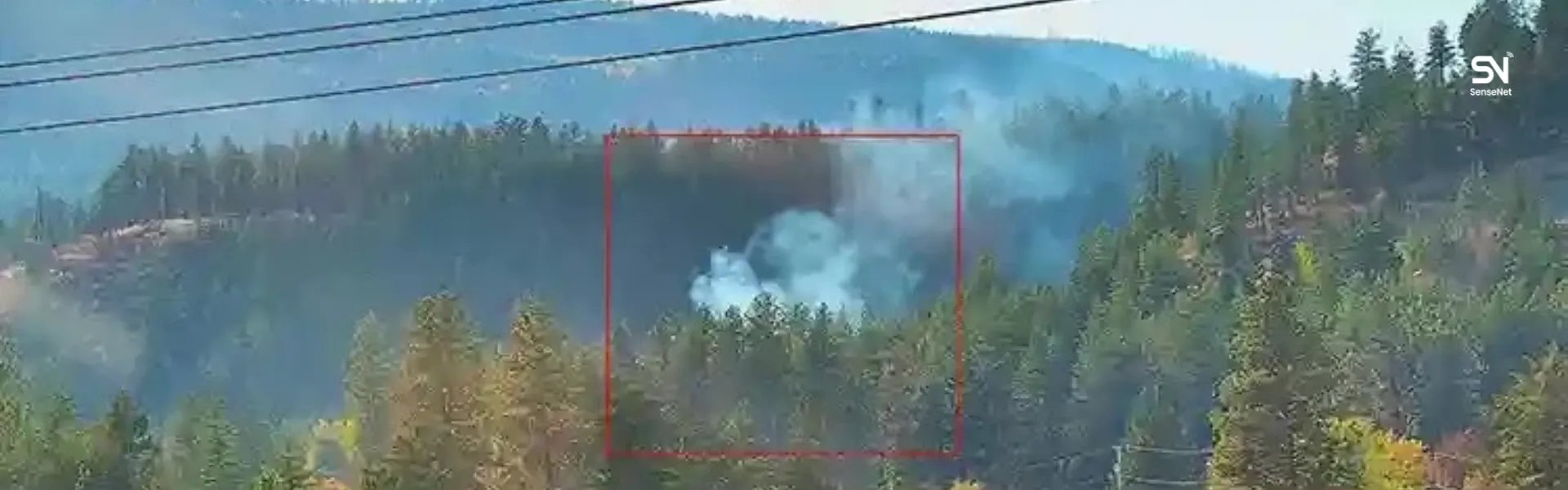
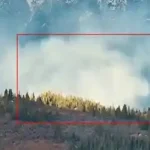
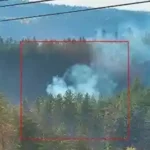
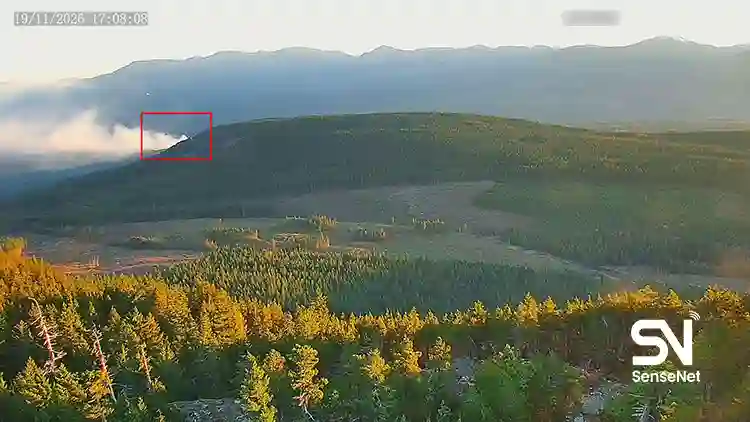
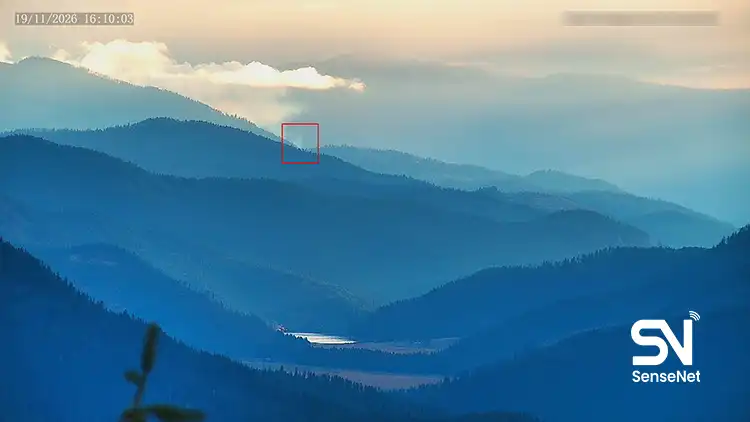
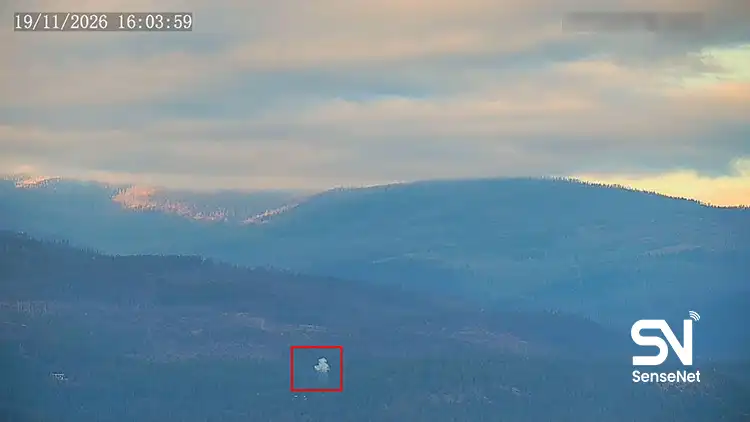
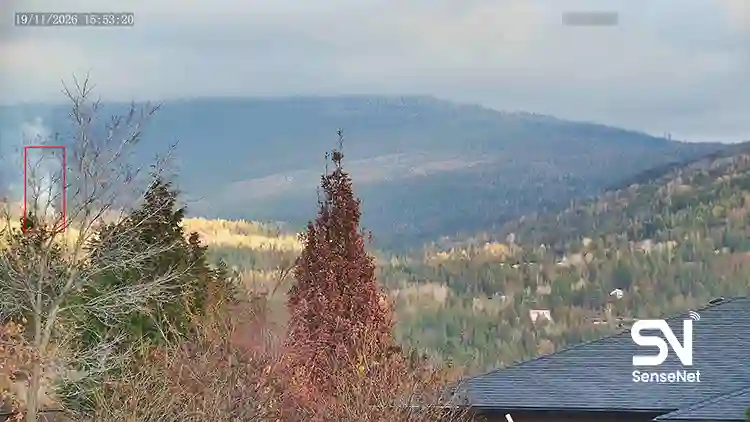
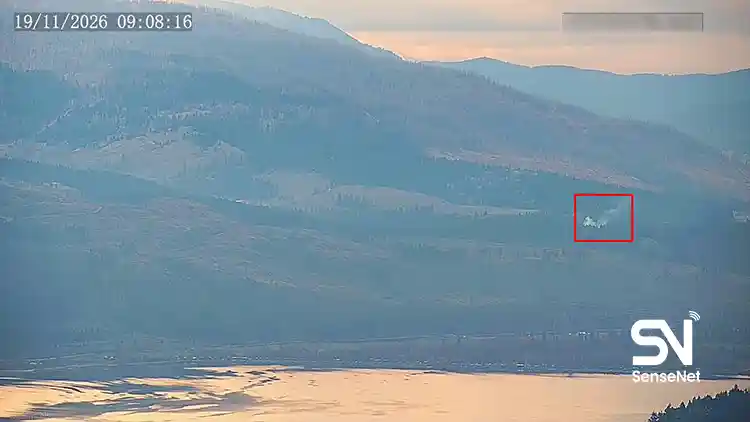
- AI detection systems: Smart cameras with AI catch smoke instantly and alert you. Systems like SenseNet combine smoke cams, gas sensors, and satellite images to cover huge areas.
- Drones and robots: Drones put out small fires or spray fire-resistant stuff on power lines.
These tools stack together (solution stacking) to improve prevention, detection, and response. For businesses, they can even lower insurance costs.

Community and Government Strategies: Thinking Bigger
A lot of wildfire prevention falls on governments and local communities. Strategies they’ve come up with include:
- Community wildfire protection plans (CWPPs): Team up with neighbors and fire departments to spot risks and prioritize fixes.
- Rules and education: Ban burning on high-risk days, require defensible space, and run awareness campaigns.
- Government efforts: In the U.S., the new U.S. Wildland Fire Service (USWFS) kicked off in 2026 to modernize prevention.
Common Questions
- When should I make my home defensible? Start now, but spring’s ideal.
- Are prescribed burns safe? Yeah, if experts handle them, they mimic nature’s way of refreshing ecosystems.
- How much does home hardening cost? Simple stuff like vent screens can cost under $500; full overhauls can cost a few thousand, but government aid can help.
- What’s the best early detection tech? AI-based systems like SenseNet that send real-time alerts are solid choices.
Next Steps: Get Started Today
Wildfire prevention doesn’t have to be scary if you take it one step at a time. Check your house first, then join community efforts and look into advanced tech. With hardening, fuel management, and early detection, you’re not just reacting; you’re creating a safer tomorrow. Prevention is always smarter and cheaper than putting out fires.