What’s Wildfire Early Detection Post-Fire Benefits?
Many of us assume that early fire detection systems are solely designed to send alerts about fires starting deep in the forests, but that’s not the full story.
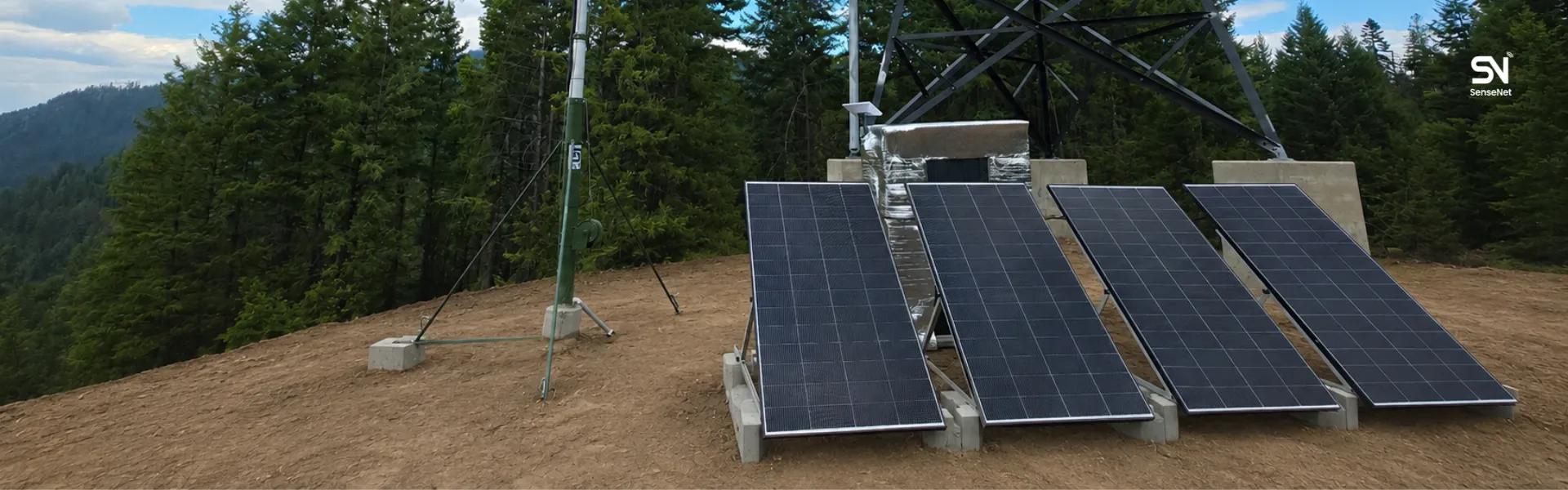
These systems, which include ground-based sensors, smart cameras, satellites, drones, and AI algorithms, are primarily engineered for detecting fires in their initial stages. However, their mission extends beyond that, playing a crucial role in post-fire events as well.
Once a fire begins, these technologies can provide real-time data to assist local communities, government decision-makers, emergency responders, and environmental organizations in minimizing damages, managing operations, and planning for the future. This article from the SenseNet team comprehensively examines all the benefits of these systems after a fire, focusing on practical, economic, environmental, and social aspects.
Monitoring Fire Spread and Intensity
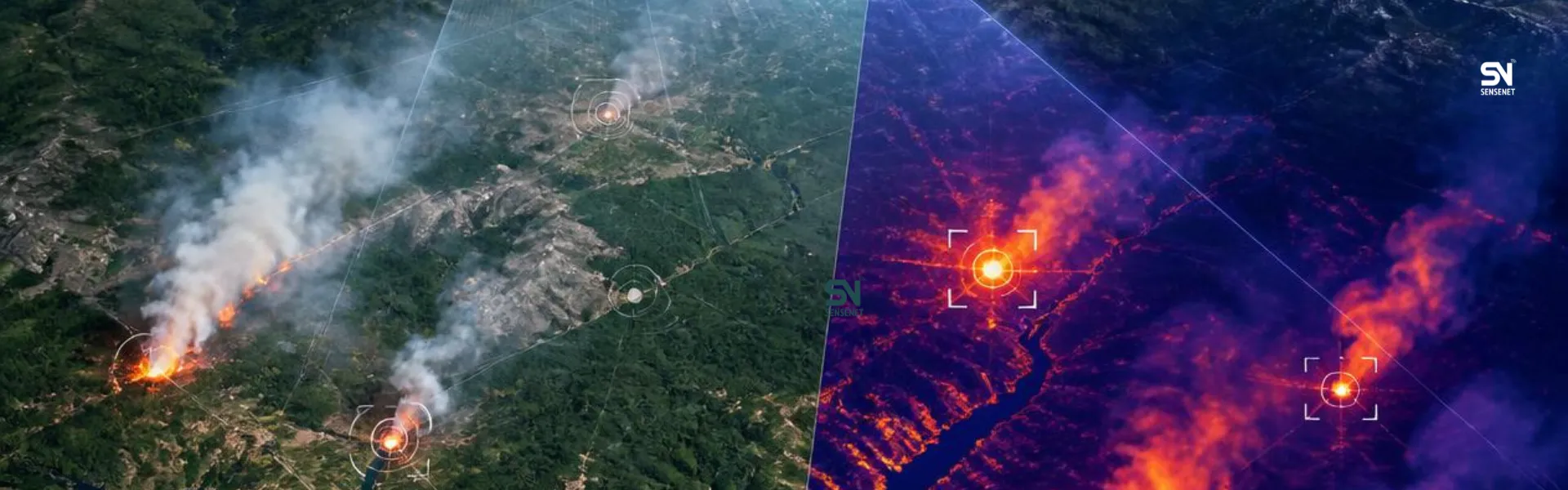
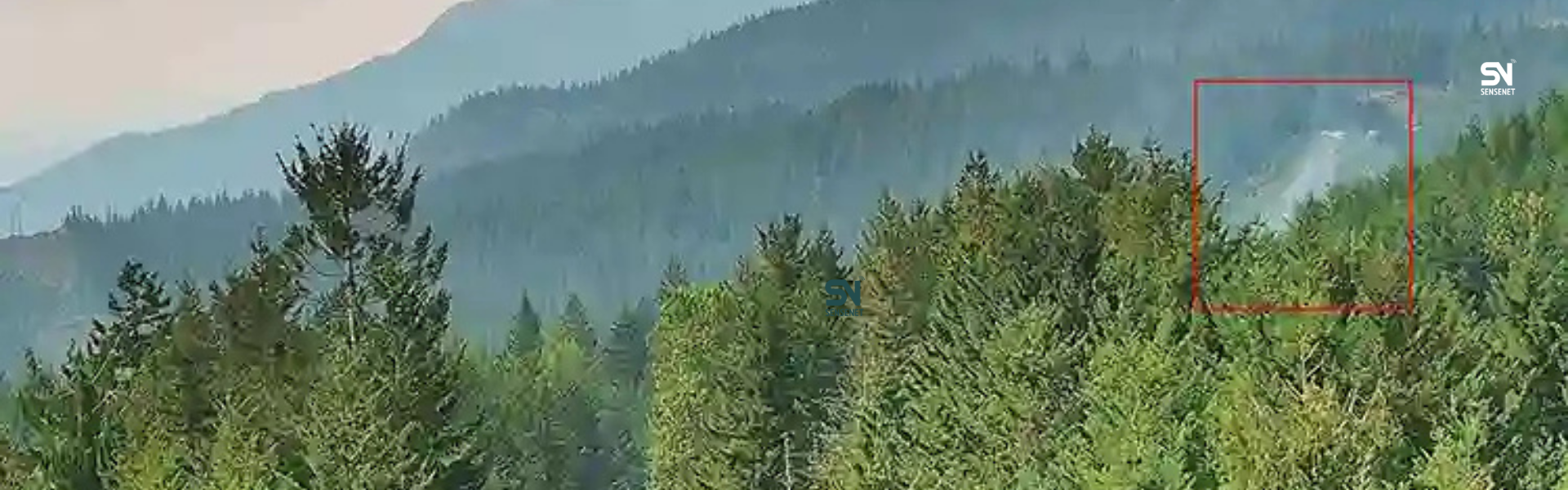
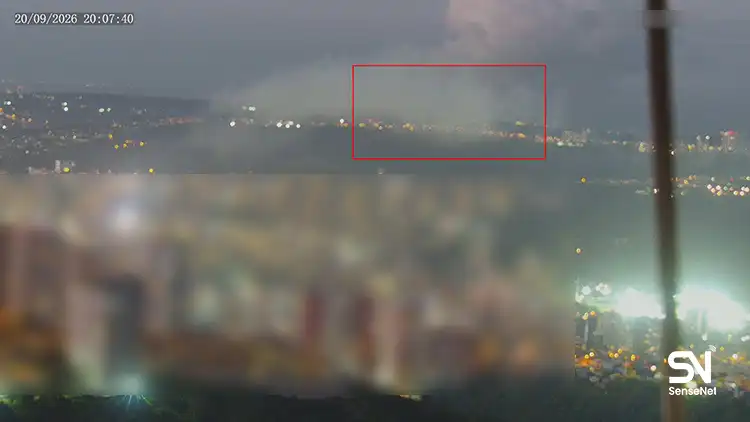
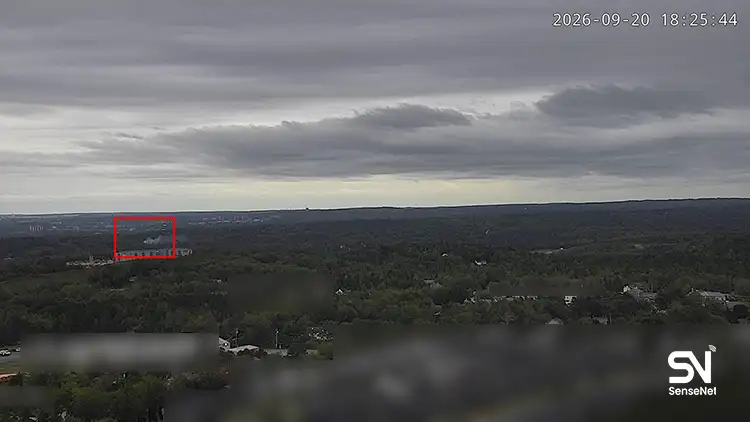
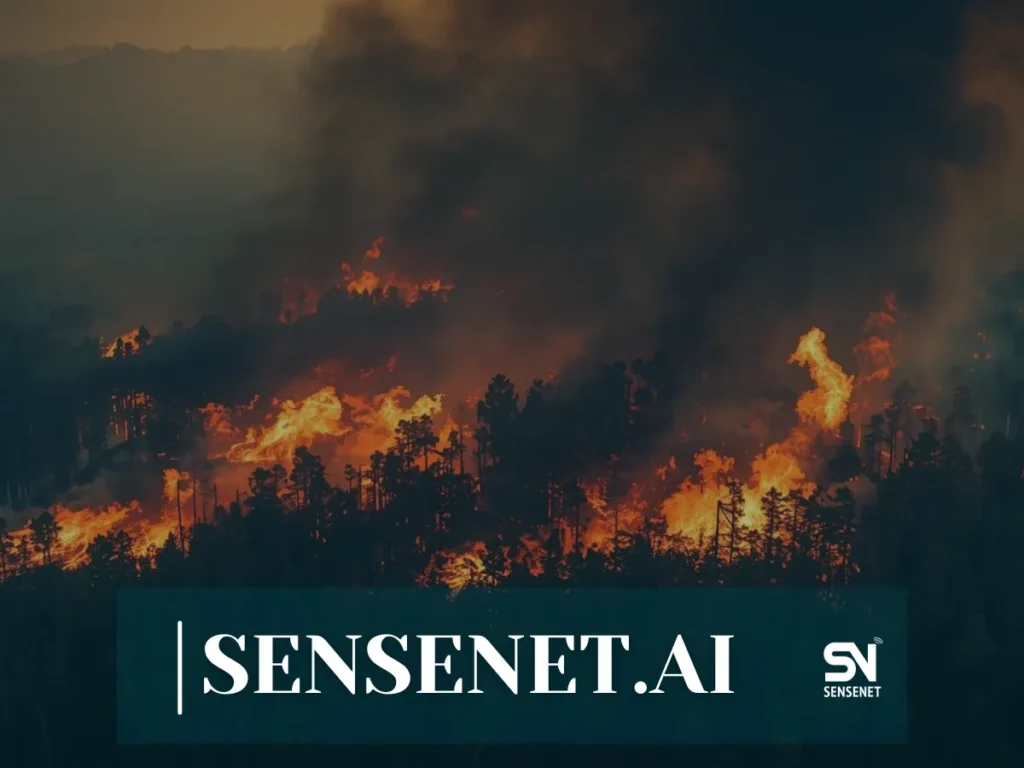
One of the most critical benefits of early detection systems after a fire starts is their ability to continuously monitor the fire’s spread. This ensures that a fire thought to be extinguished doesn’t reignite in a remote corner of the forest, creating a new crisis.
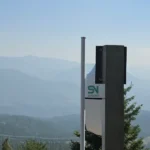
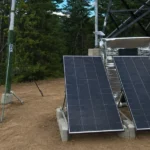
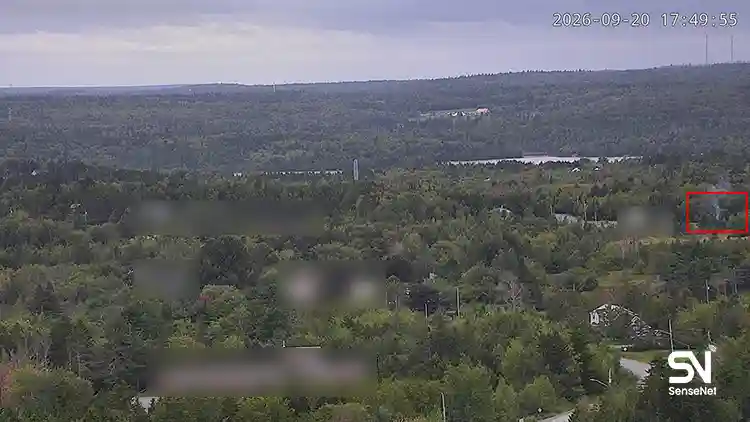
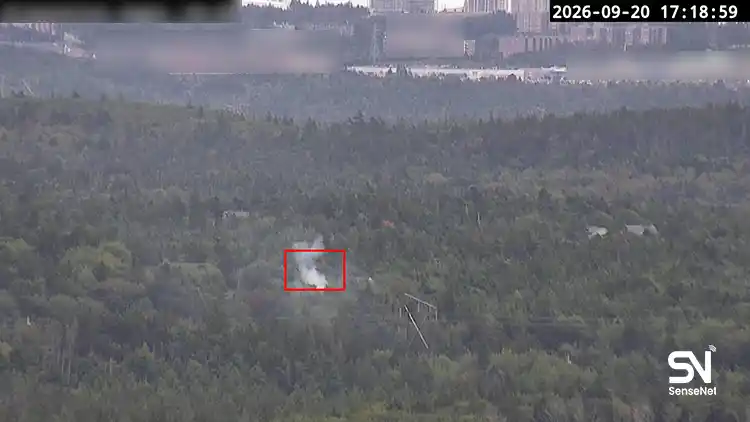
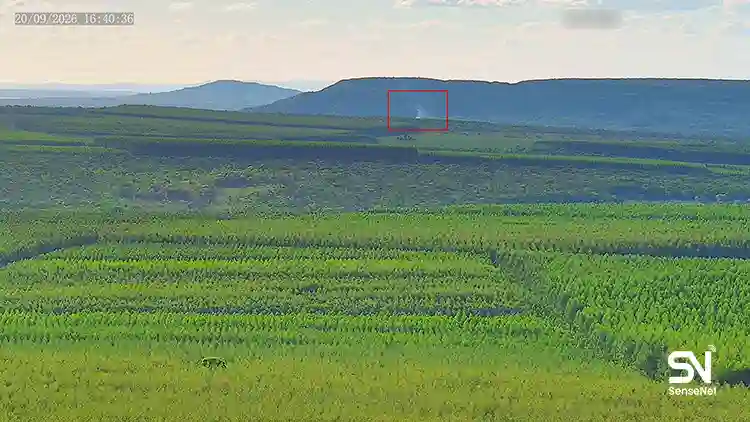
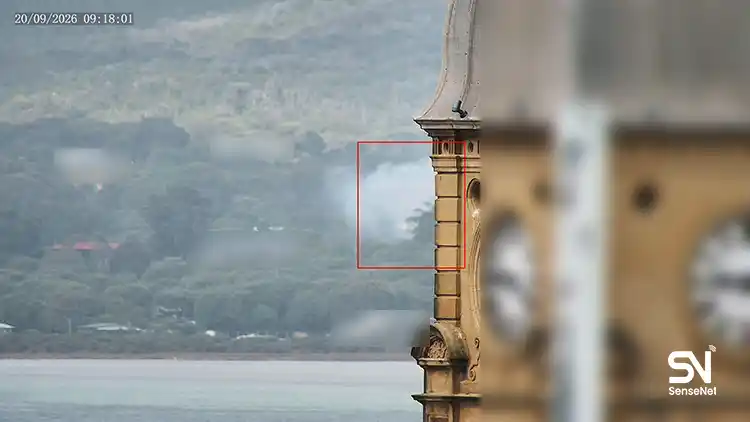
These systems use data from sensors, satellite imagery, and AI to track the fire’s path, intensity, and real-time changes. For instance, systems like SenseNet, developed by a team of researchers and scientists from this organization, track the fire after initial detection and relay information to weather forecasters, firefighters, and first responders. This enables decision-makers to allocate financial and human resources strategically and prevent further spread. In real-world cases, such monitoring has prevented billions of dollars in damages. Additionally, systems based on Wireless Sensor Networks (WSN) can send rapid alerts to prevent re-ignition, giving communities more time to respond.
Damage Assessment and Post-Fire Analysis
After the fire is extinguished, early detection systems provide valuable data for assessing damages. By collecting historical data and precise imagery, they can calculate the extent of burned areas, ecosystem damage, and economic losses. For example, satellite-based systems like SenseNet generate detailed maps of affected regions, helping insurance organizations, governments, and local communities to process compensation claims more quickly. Moreover, this data is used to analyze fire causes (such as weather conditions or human factors), leading to improved preventive policies in the future. Recent studies show that AI-based systems can reduce damages by up to $850 million, as decision-makers can prioritize effectively.
Assistance in Rescue Operations, Evacuation, and Relief
Early detection systems play a key role in post-fire rescue operations. By providing real-time data, they help emergency forces identify high-risk areas, determine safe rescue paths, and coordinate community evacuations. For example, in major fires like the 2023 Maui wildfire, AI systems could simulate evacuations, estimate the time needed for residents to exit, and predict traffic bottlenecks. Drones and sensors can also transmit live images from damaged areas, enhancing firefighter safety and allowing decision-makers to optimize resources (such as helicopters or ground teams). This benefit directly saves human lives and reduces infrastructure damage. Research indicates that in communities using such systems, trust in authorities’ decisions is significantly higher because they know these decisions are based on real data.
Support for Strategic Decision-Making and Resource Allocation
Decision-makers, such as forest managers and government officials, use data from these systems for strategic post-fire planning. The systems can predict fire spread, aiding in the allocation of resources (like manpower, equipment, and budgets). Studies show that AI systems like SenseNet, by reducing detection time, shift firefighters from a defensive to an offensive stance, where they can control the fire’s path. Furthermore, the collected data can be used for modeling future scenarios, such as predicting secondary fires due to climate change. This helps communities build greater preparedness and optimize limited resources. In this way, the forest fire crisis that has plagued societies for decades might eventually become a manageable issue.
Environmental Benefits and Ecosystem Restoration Support
After a fire, early detection systems aid in ecosystem restoration. Sensor data can monitor changes in soil, vegetation cover, and air quality, facilitating plans for replanting trees, controlling soil erosion, and protecting wildlife. For instance, IoT-based systems provide continuous data so environmental managers can assess long-term impacts and implement recovery measures. This advantage not only preserves the ecosystem but also enables local communities (such as farmers or tourists) to sustainably utilize natural resources.

Economic and Social Benefits
From an economic perspective, these systems create substantial savings by reducing direct damages (like property destruction) and indirect ones (such as local economic disruptions). Studies demonstrate that investing in such systems yields a high return on investment. Many users of early forest fire detection systems report significant cost savings, allowing them to redirect financial resources elsewhere. Socially, the data from these systems can be used for community education, such as developing mobile apps that issue evacuation alerts and provide periodic training to raise public awareness. This boosts public trust and makes communities more resilient.
Research and Improvement of Future Systems
Data collected after a fire forms the foundation for scientific research. Systems can analyze fire patterns, leading to the development of better predictive models. For example, machine learning-based systems can use past data to forecast future risks, helping decision-makers adopt more effective long-term policies on this issue.
Conclusion
Early detection systems for forest fires go far beyond initial detection, offering extensive benefits in the post-fire stage. From monitoring spread to damage assessment, aiding rescue, strategic decision-making, ecosystem restoration, economic advantages, and future research, these systems are vital tools for protecting communities and the environment. With advancements in technologies like AI and satellites, these benefits will only grow. Investing in such systems not only reduces damages but also helps build communities more resilient to climate change.