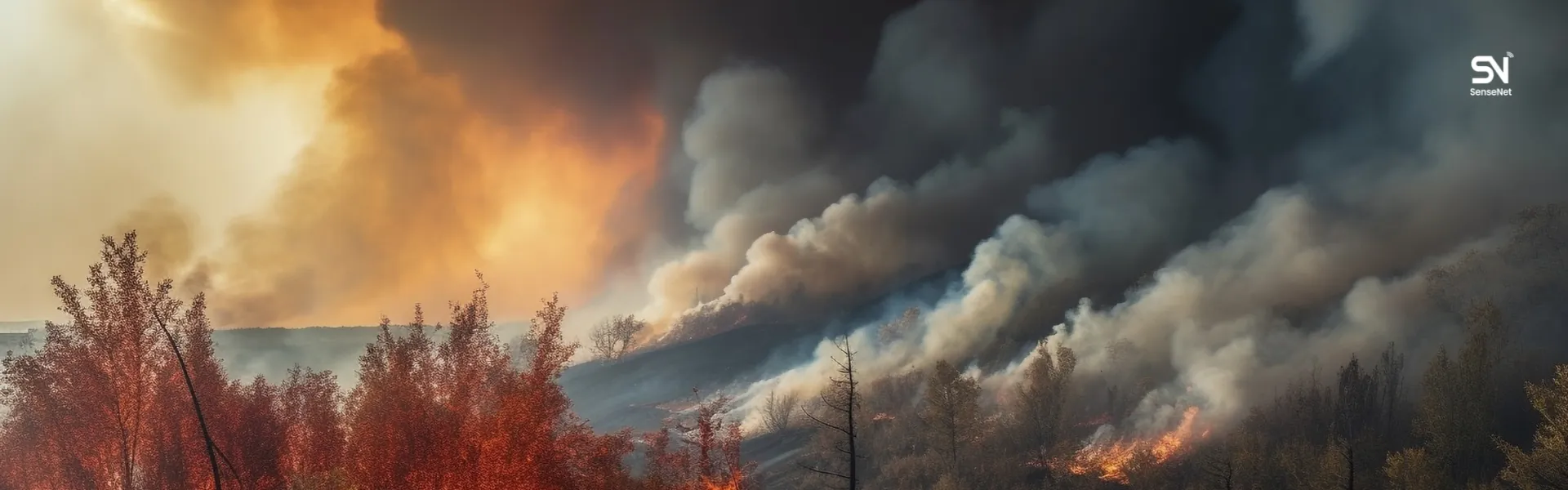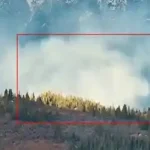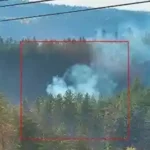
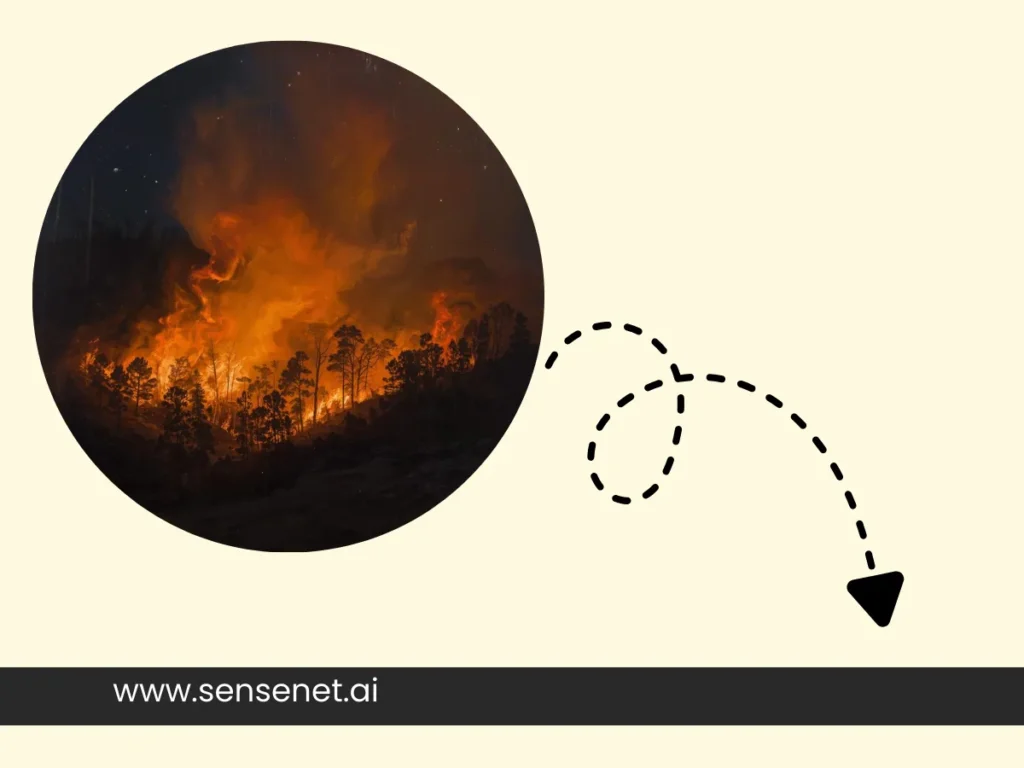
Wildfires destroy millions of hectares of the world’s forests every year. Today, however, advanced technologies are revolutionizing the tactics used to combat this natural disaster. From sophisticated fire and smoke detection sensors to satellite imagery and even controlled burns during colder seasons, all these elements are helping to reduce the risk of large-scale wildfires.
In this article, we explore 10 innovative strategies that are pushing the boundaries of science and imagination.
1. Fireball Drones: A Revolution in Aerial Firefighting
New drone systems are equipped with high-pressure canisters that shoot fire retardant materials directly into the heart of a blaze, much like mortar shells. But what are the key benefits of using these “fireball drones”?
- A 40% reduction in retardant usage compared to traditional aerial drops.
- Pinpoint targeting capability in rugged, inaccessible terrain.
- Operational effectiveness even in adverse weather conditions, including winds of up to 60 km/h.
2. Synthetic Forests: The Living Firewall
Artificial grass is common, but have you ever heard of a synthetic forest? These installations act as a buffer between real forests and residential areas, boasting fire-resistant properties to prevent flames from spreading to communities.
- Heat resistance of up to 1200°C.
- Design inspired by the bark of banksia trees.
- Suitable for installation in urban-wildland interface protection zones.
3. Acoustic Fire Suppressors: The Power of Ultrasonic Waves
Systems generating low-frequency waves (30-60 Hz) disrupt the fire triangle (heat, fuel, oxygen). Recently deployed in some firefighting operations, these acoustic extinguishers are creating a real revolution.
- Demonstrated 95% effectiveness in laboratory tests.
- Ideal for electrical and chemical fires.
- Leave no environmental residue.
4. Autonomous Firebreak Excavation Robots
A new generation of self-driving robots has entered the market, equipped with:
- Machine vision systems to identify optimal paths.
- The ability to create 500 meters of firebreak per hour.
- Capability to operate at night and in heavy smoke conditions.
5. Aerial Nano-Gels: Long-Term Protection
Nanostructured gels, potentially useful for protecting smaller forested areas, work by creating a preventative barrier.
- Adhere to branches and leaves for up to 8 weeks.
- Are not washed away by the first rainfall.
- Application cost is approximately $1,500 per hectare.
6. Directed Energy Fire Steering
Another frontline technology uses concentrated energy beams, such as lasers, to manage fire spread.
- Creates pre-emptive containment lines.
- Clears potential fuel without uncontrolled ignition.
- Offers operational precision down to 2 centimeters.
7. Self-Powered Mesh Sensor Networks
A critical component of early fire detection systems is a network of sensors dispersed throughout a forest. These sensors collect 24/7 data on temperature, wind speed, smoke, and signs of fire, transmitting it to control centers for decisive action.
8. Strategic Camera Networks for Forest Surveillance
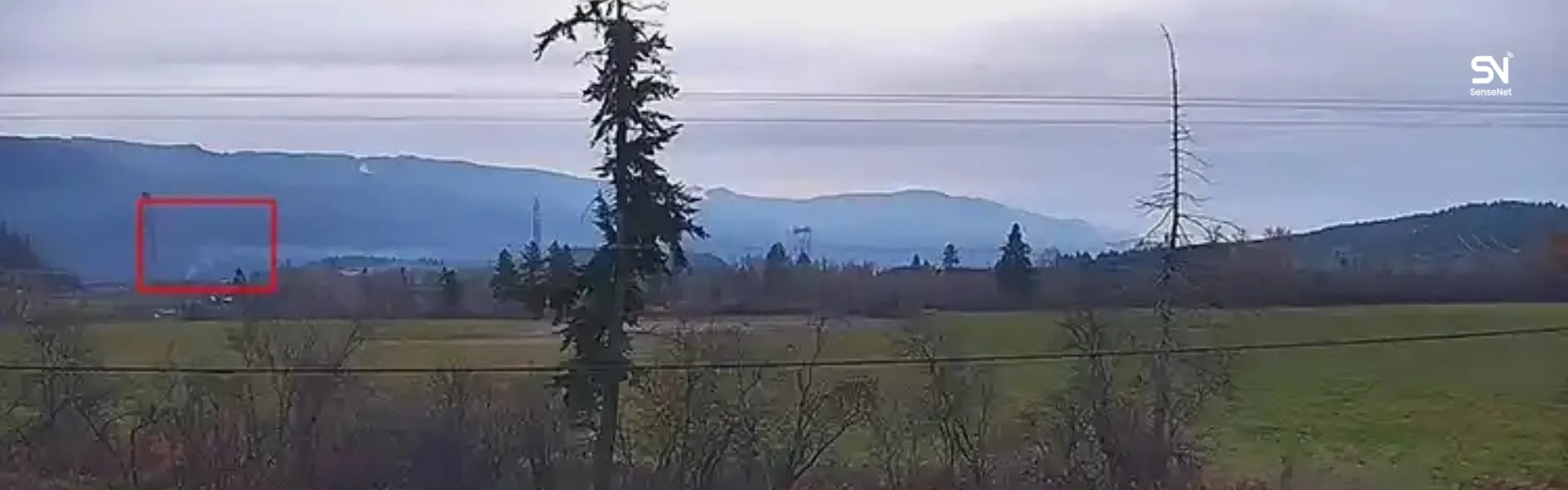
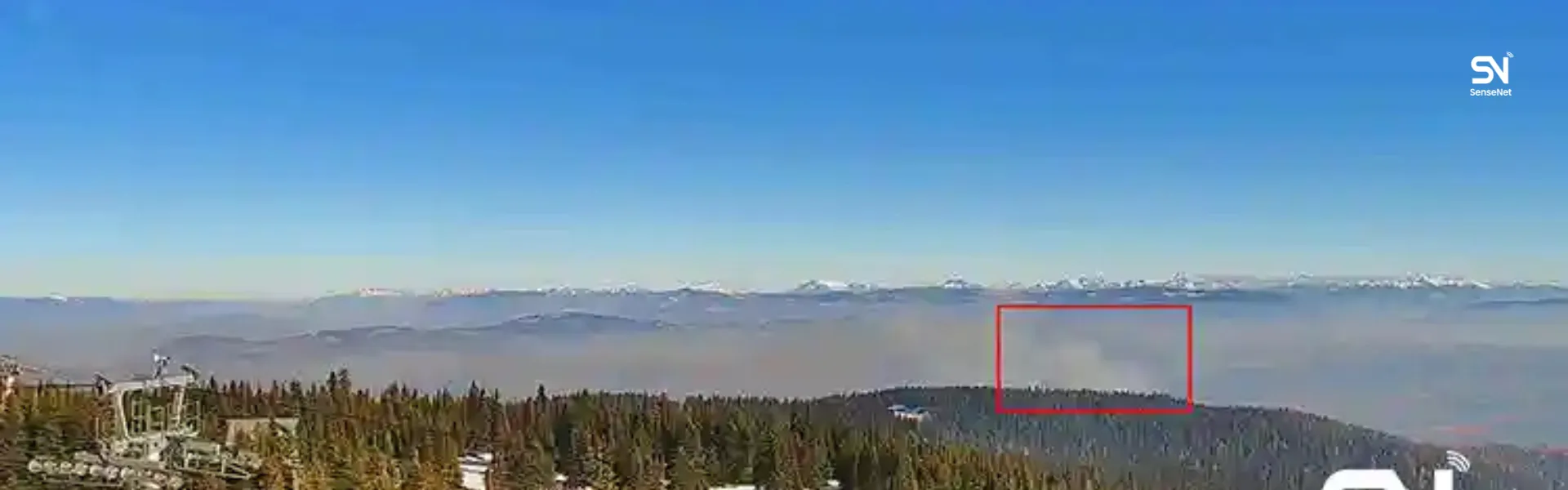
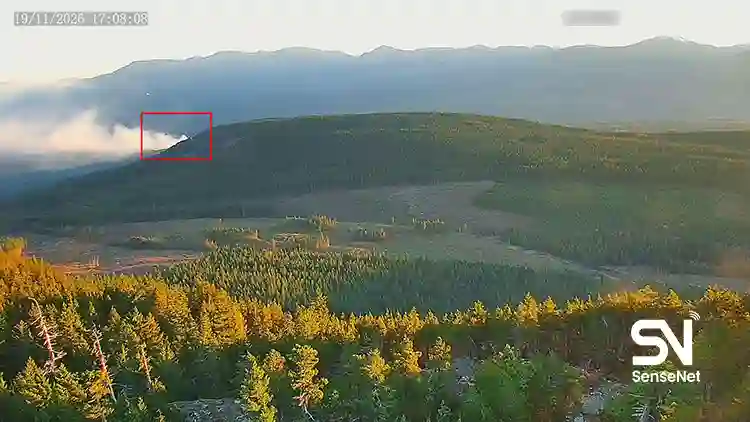
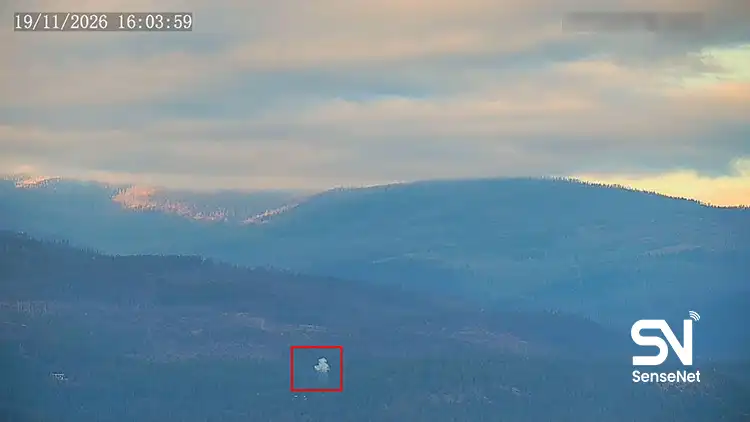
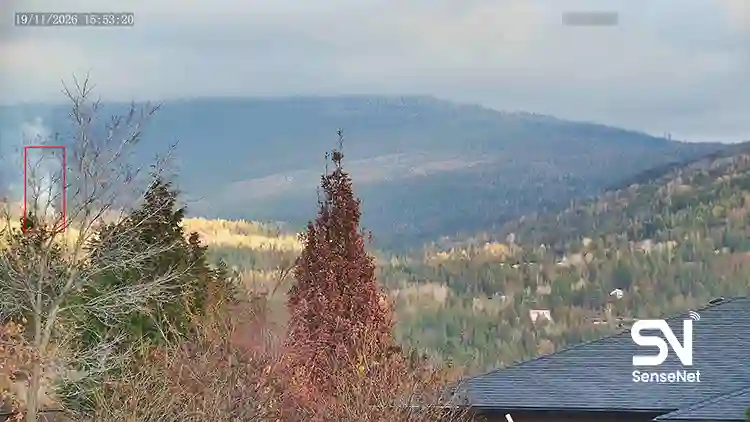
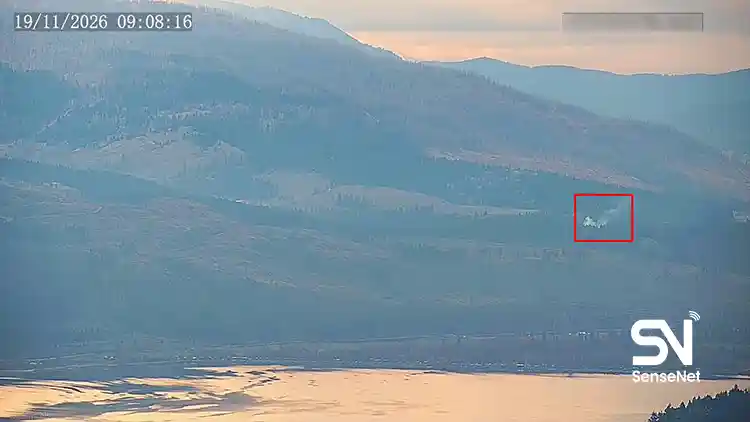
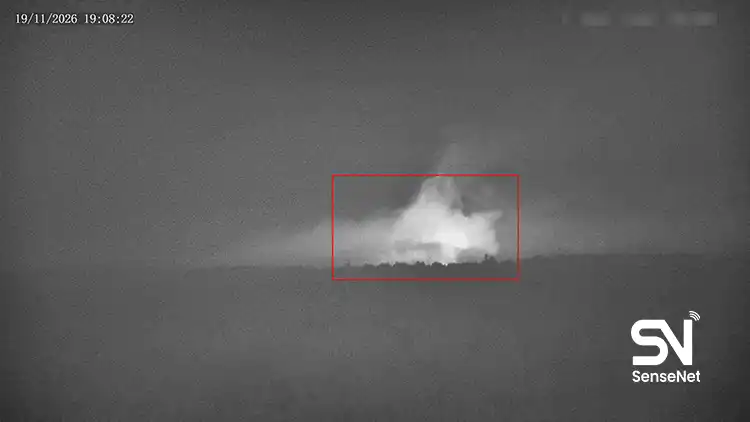
One of the most effective preventive measures is installing cameras at elevated vantage points. These 360-degree rotating cameras provide constant surveillance, scanning for the earliest signs of smoke or flame. Upon detection, they instantly send alerts to command centers, enabling a rapid initial attack to extinguish the fire in its nascent stage.

9. Predictive Satellite Imagery
Predictive technologies have seen remarkable progress in modern wildfire management. Satellite imagery can now analyze data like wind speed and the accumulation of dry fuel to assess the probability of fire ignition and identify high-risk areas before a fire even starts.
10. AI-Powered Data Fusion for Superior Analysis
In such a critical field, the application of Artificial Intelligence (AI) was inevitable. A key feature of next-generation fire detection tools is the integration of IoT (Internet of Things) sensor data with AI. This fusion provides a deeper, more accurate analysis of conditions, simplifying and improving fire-related decision-making.
The Future of Intelligent Fire Management
Integrating these ten tactics into a unified strategy can deliver transformative results:
- Reduce emergency response times from hours to minutes.
- Decrease damage costs by up to 70%.
- Significantly enhance firefighter safety.
- Preserve invaluable vegetation for future generations.
Ultimately, this holistic, technology-driven approach holds the promise of bringing a centuries-old natural crisis under greater control.