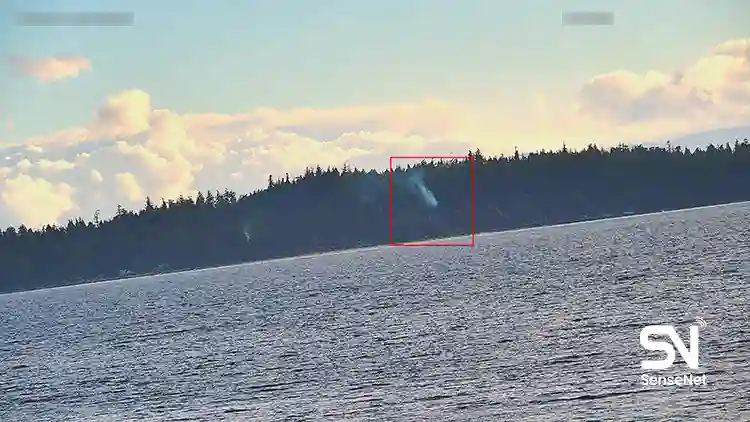
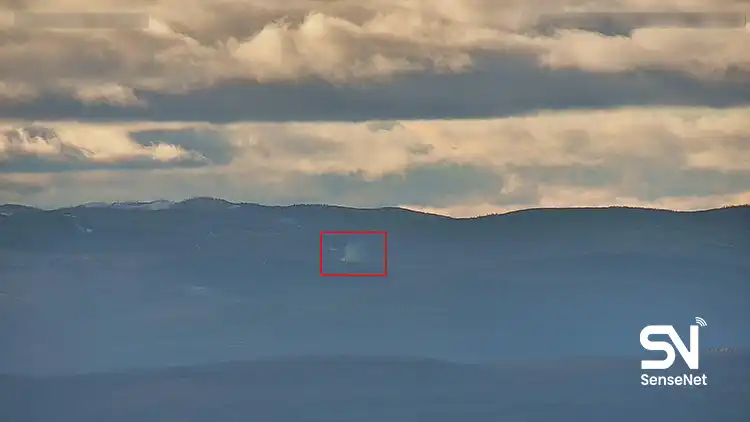
From a distance, the flames of a forest fire may seem straightforward, but in reality, wildfires come in different forms. Some are less dangerous and can be controlled with relatively simple methods, but crown fires are not in this category.
Every firefighter knows that the outbreak of a crown fire marks the beginning of dangerous days and a direct confrontation with life-threatening conditions.
To better understand this phenomenon, it is important to know that wildfires occur at three levels:
- Surface fires: These burn only the forest floor and the dry vegetation on it. Preventing and controlling this type of wildfire is easier, and simply removing dry fuel from the ground can significantly reduce the risk.
- Ground fires: In this type, the fire burns beneath the surface, in tree roots and underground layers of soil. Due to its hidden and extensive nature, it is more challenging to detect and control.
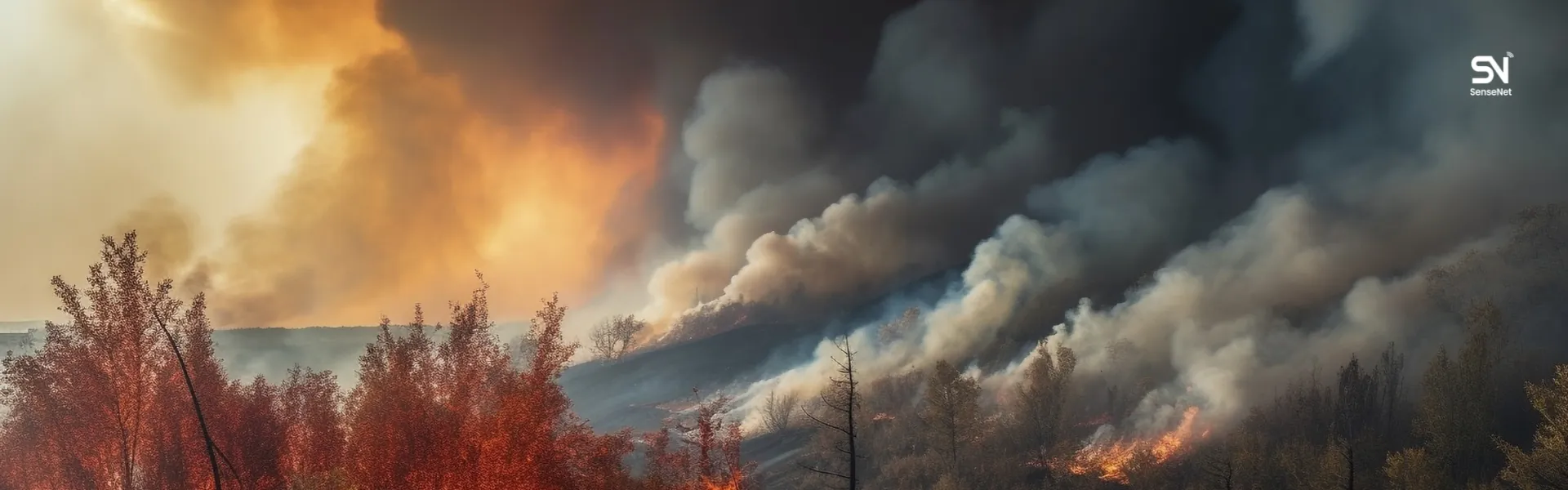
- Crown fires: The most dangerous form of wildfire, starting at the forest floor, climbing up the tree trunks, and eventually reaching the canopy. Coniferous trees are especially vulnerable because their connected crowns allow flames to spread quickly.
Research has shown that crown fires can spread up to ten times faster than surface fires. With such speed, the damage is inevitably severe, and even the mention of the term can send shivers down the spines of firefighters and local residents.

Why Are Crown Fires More Dangerous?
We mentioned that the primary reason crown fires are so dangerous is their rapid spread, but let’s dive a little deeper:
- Difficult Access to the Fire: Most firefighting equipment is designed for surface fires. Therefore, reaching and controlling crown fires is much harder. The flames can reach very high, making extinguishing efforts extremely challenging.
- Rapid Spread: Trees exposed to crown fires provide ample dry fuel, which significantly increases the speed at which these fires spread.
- Creating New Fire Spots: Crown fires produce sparks that can be carried by the wind to distant locations, igniting new fires far from the original blaze.
Given these factors, it’s easy to understand why crown fires cause so much alarm.
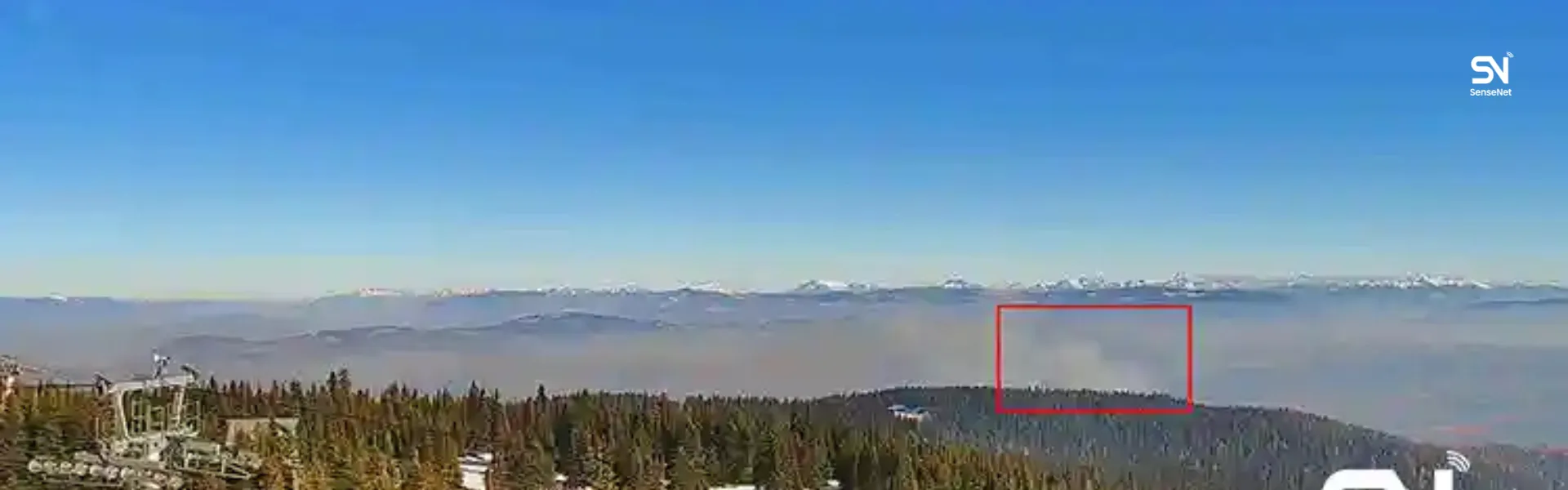
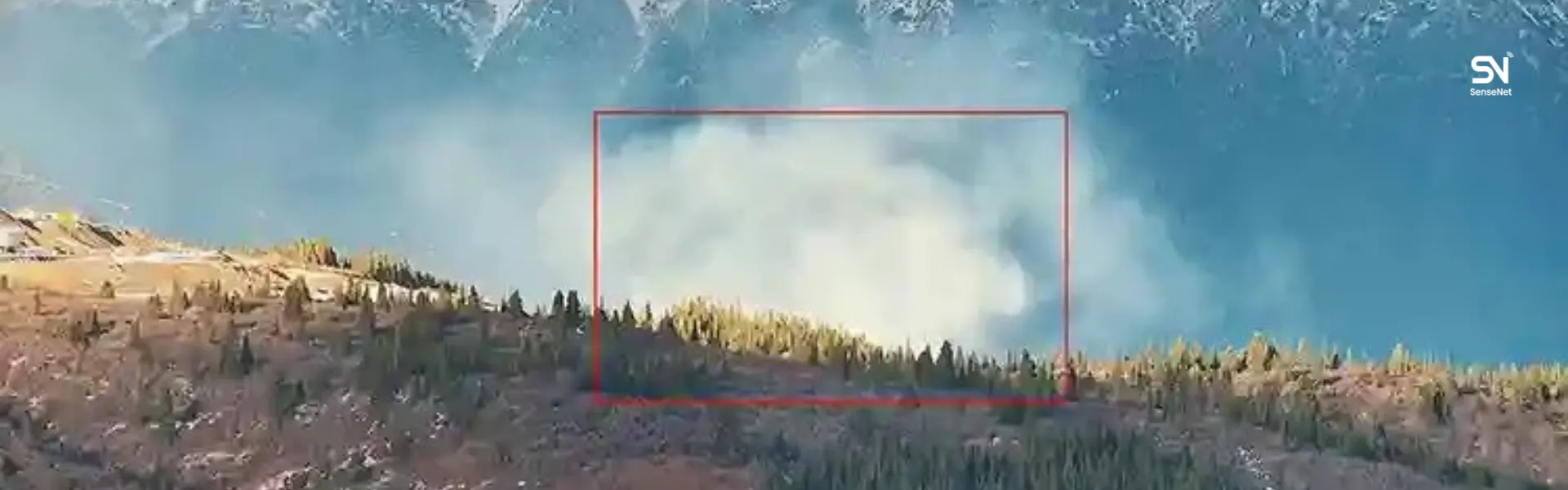
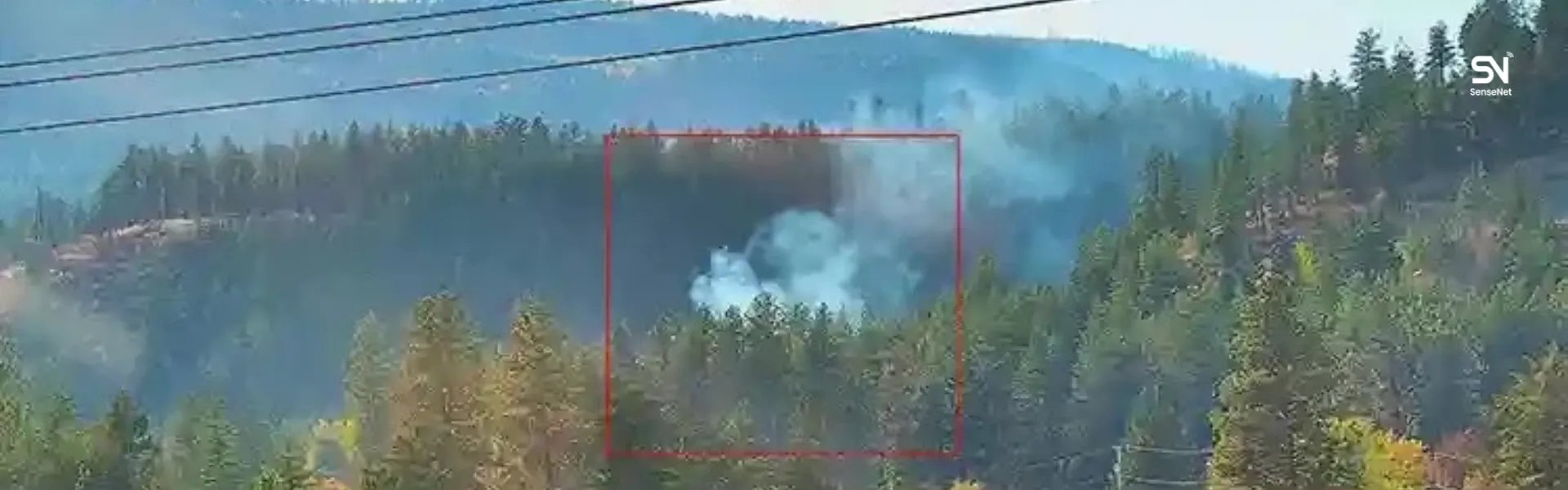
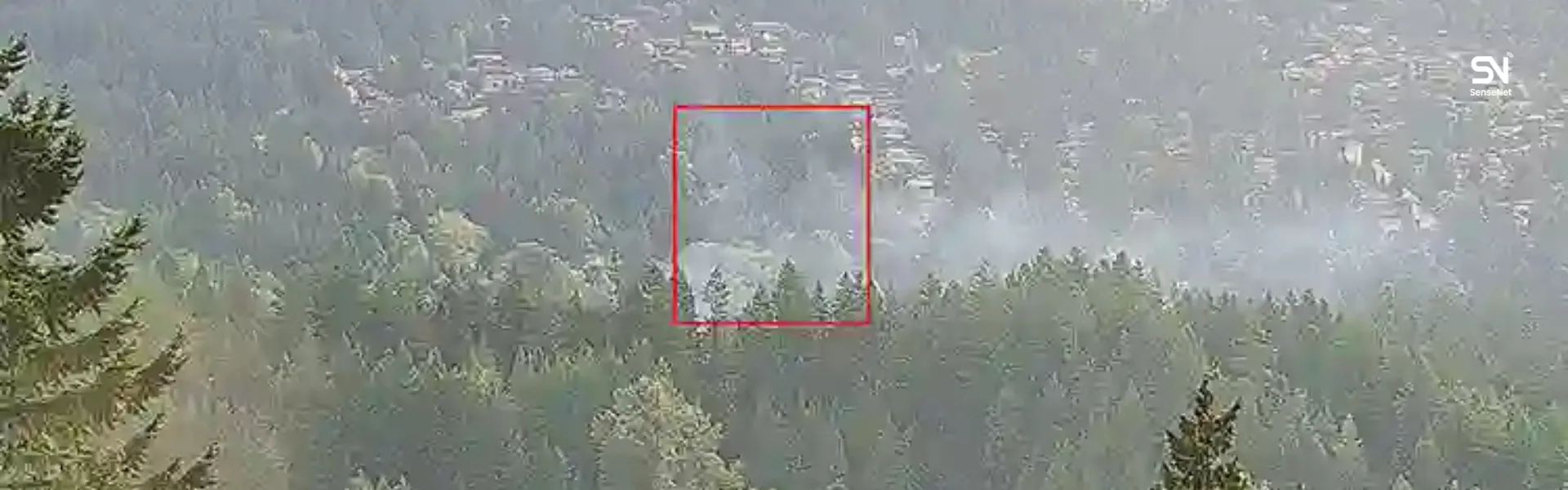
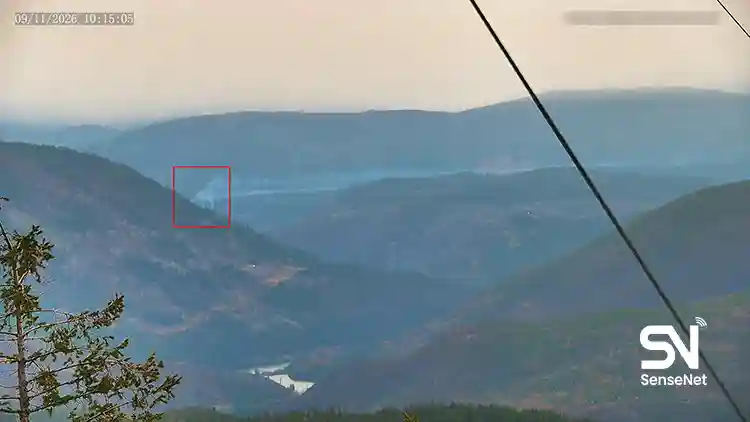
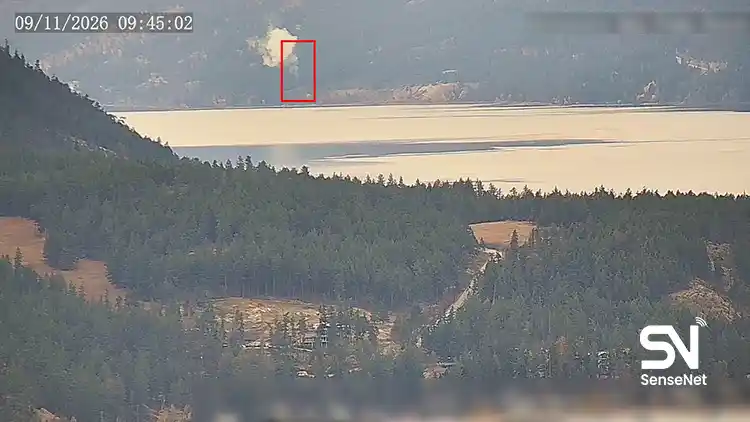
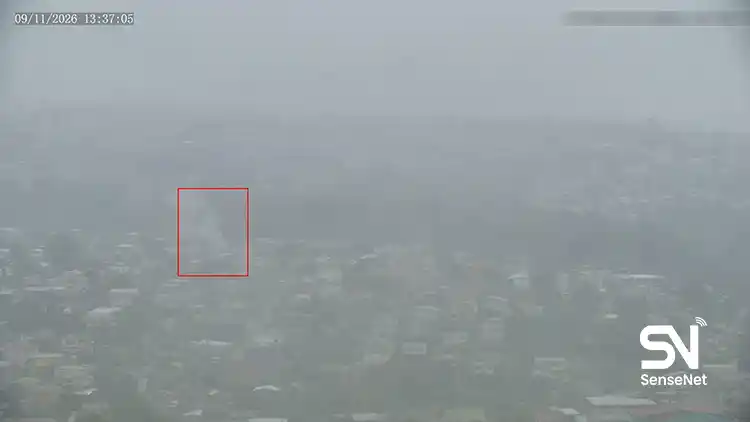
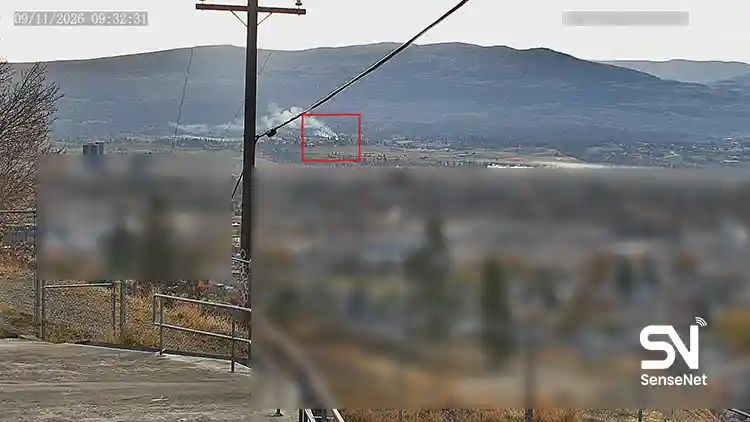
Because a crown fire can move so quickly once it reaches the canopy, the best defence is catching it before it gets there. That is where AI wildfire detection cameras make the difference: they monitor forests around the clock, flag the first signs of smoke or flames, and alert response teams while the fire is still small and far easier to control.

What Causes Crown Fires?
Several factors contribute to the development of crown fires, with the most important being:
- Strong Winds: Winds lift the flames higher and accelerate the fire’s spread.
- Accumulation of Natural Fuel: Dry branches and needle leaves piled up on the forest floor increase the risk of crown fires.
- Severe Dryness and Low Humidity: Hot, dry summer days dry out tree foliage, making it more flammable.
- Flame Height: When flames grow tall enough to easily engulf the lower branches of trees, the risk of crown fire increases.

How Can We Prevent Crown Fires?
When examining strategies to manage and prevent crown fires, the solutions may seem straightforward:
- Vegetation Management: Remove dry branches, thin tree density, and prune lower branches.
- Controlled Burning: In cooler, low-risk seasons, intentionally burn excess fuel in a controlled manner.
- Firebreaks: Clear land near trees to prevent flames from spreading to the canopy.
- Modern Detection Technologies: Use drones, satellites, and early warning systems to detect fires quickly and send alerts.
Final Thoughts
At SenseNet, we have implemented various measures to prevent crown fires. Our system employs artificial intelligence, cameras, and sensors to detect danger within less than 10 seconds and alert local authorities immediately.
Crown fires remain one of the most complex and dangerous challenges in natural resource management. However, with technological advancements, we can confront and control this critical threat more effectively.
F&Q
Can a person outrun a crown fire?
No. A crown fire can move faster than a person can run, and the heat, smoke and falling embers make it even more dangerous in a forest. The only safe option is to leave early. If you live in or near a forested area, follow evacuation orders as soon as they are issued and use the routes the authorities recommend, rather than waiting to see how close the fire gets.
Can a crown fire jump a road, river or firebreak?
Yes. Crown fires throw burning embers ahead of the main flames, often hundreds of metres and sometimes more than a kilometre in extreme conditions. These embers can start new fires on the other side of a road, river or cleared strip. Firebreaks still help because they slow the fire and give crews a place to work, but they are not a guarantee against a fire driven by strong wind.
Why can’t water bombers and fire retardant just put it out?
Because the fire is too intense and too high. Much of the water or retardant evaporates in the heat or is blown off course before it reaches the flames, and it rarely penetrates a thick canopy. Aircraft are still valuable: they slow the edges of the fire, protect homes and infrastructure, and support crews on the ground. But they seldom stop the head of an active crown fire.
Do crown fires happen in deciduous forests too?
They are much less common. Broadleaf trees such as aspen hold more moisture in their leaves during summer and often act as a natural barrier to fire. But the risk rises in early spring before the leaves come out, during severe drought, and in mixed forests where conifers are mixed in with broadleaf trees. Dense conifer stands such as spruce and pine remain the most vulnerable.
Will the forest grow back after a crown fire?
Often yes, but it can take decades. Some trees, such as jack pine and lodgepole pine, have cones that open after fire and release seeds, so they are adapted to this kind of event. However, very severe fires, repeated burns in a short time, or the loss of nearby seed sources can prevent a forest from returning and leave shrubland or grassland instead. In those cases, replanting and forest restoration may be needed.
How can I protect my home from a crown fire?
Most homes are lost to burning embers and small fires right next to the house, not to the main wall of flame. FireSmart and similar programs recommend clearing needles and leaves from the roof and gutters, keeping the area right around the house free of anything flammable, and thinning and pruning trees close to the building. A tidy, low-fuel zone around the home gives it a far better chance, even when a fire passes nearby.
Can crown fires be predicted or caught early?
Conditions that favour crown fires can be forecast, since they combine strong wind, low humidity, dry fuel and dense conifer stands, and fire agencies use weather indices to flag high-risk days. What can’t be predicted is exactly where and when a fire will start. That is why early detection matters: the faster a fire is spotted, the more likely it is to be stopped before it reaches the canopy. SenseNet’s AI cameras and sensors detect danger in under 10 seconds and alert local authorities immediately.