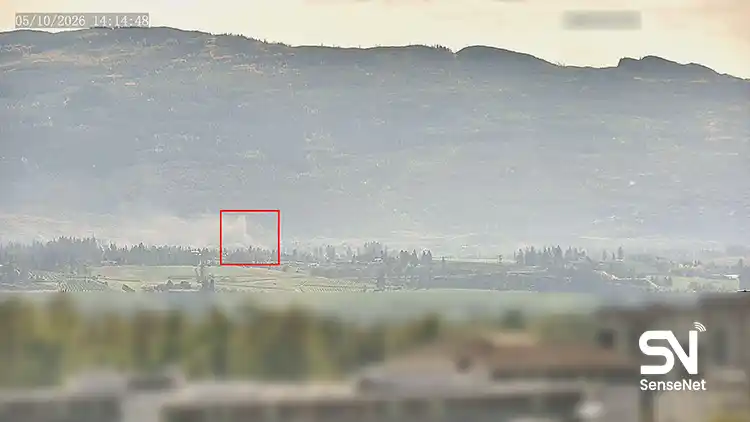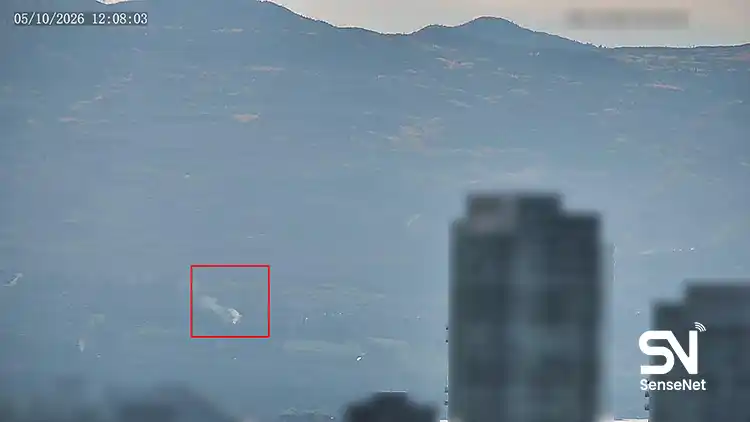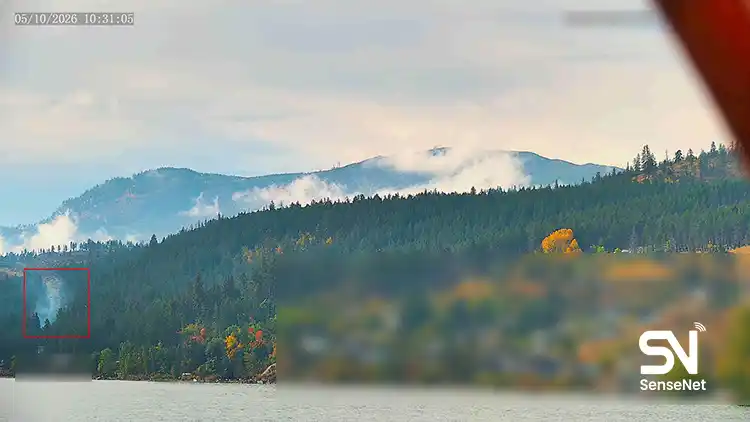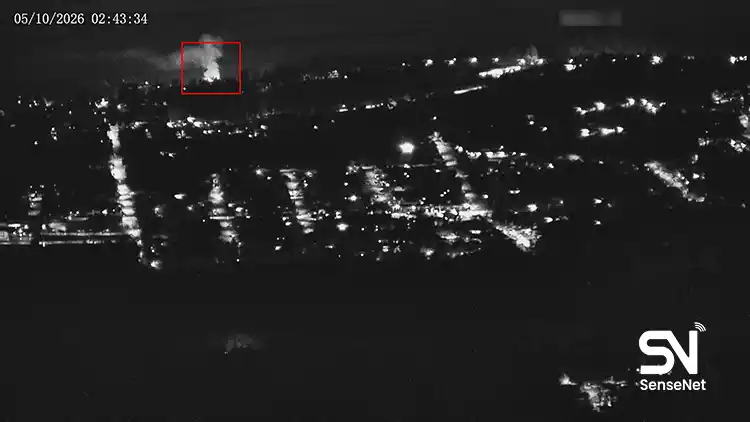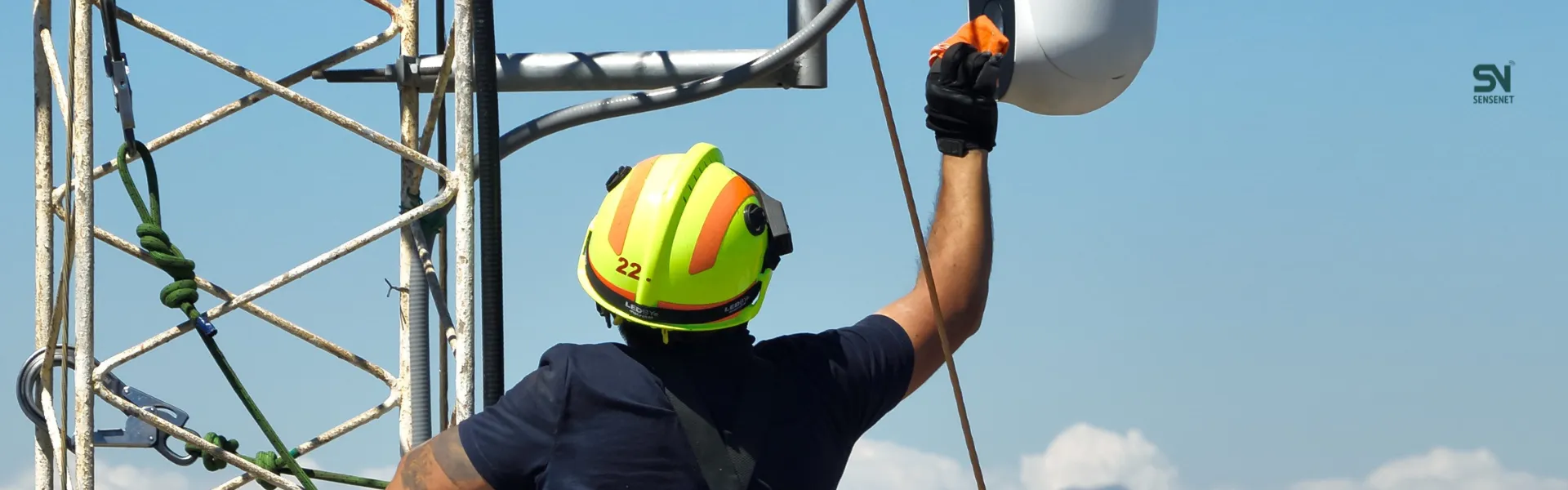
You can’t picture modern life without heavy industry anymore, but how much real conversation happens around keeping those places safe? When wildfires, factories, offices, and entire cities face the constant risk of massive blazes breaking out at any moment, is an intelligent early fire detection system still just a nice-to-have?
Picture a sprawling plant with smokestacks running nonstop, workshops thick with steam and dust, storage areas packed with flammable stuff. How does a classic fire alarm setup handle that scene? Pretty much the only thing it reliably does is flood everyone with wrong alerts. Traditional systems mistake exhaust plumes, chemical vapors, passing clouds—anything smoky-looking—for actual fire. The fallout? Endless false alarms that wear down response teams until they stop reacting.
Global stats show over 70% of fire alerts in industrial zones, natural areas, and forests turn out false. That means the one time a real blaze starts, people brush it off. What could have been stopped early turns into huge financial hits and, worse, loss of life.
The good news: AI-powered early fire detection has changed the game completely. In this full breakdown, we’ll look at why old-school systems keep failing, how cutting-edge video-based setups like SenseNet’s camera tech actually work, and why this approach can push safety in your industrial sites or natural zones to a whole new level. If you’re running a plant, handling safety engineering, or making big calls, stick around, this isn’t just info; it’s a practical fix.
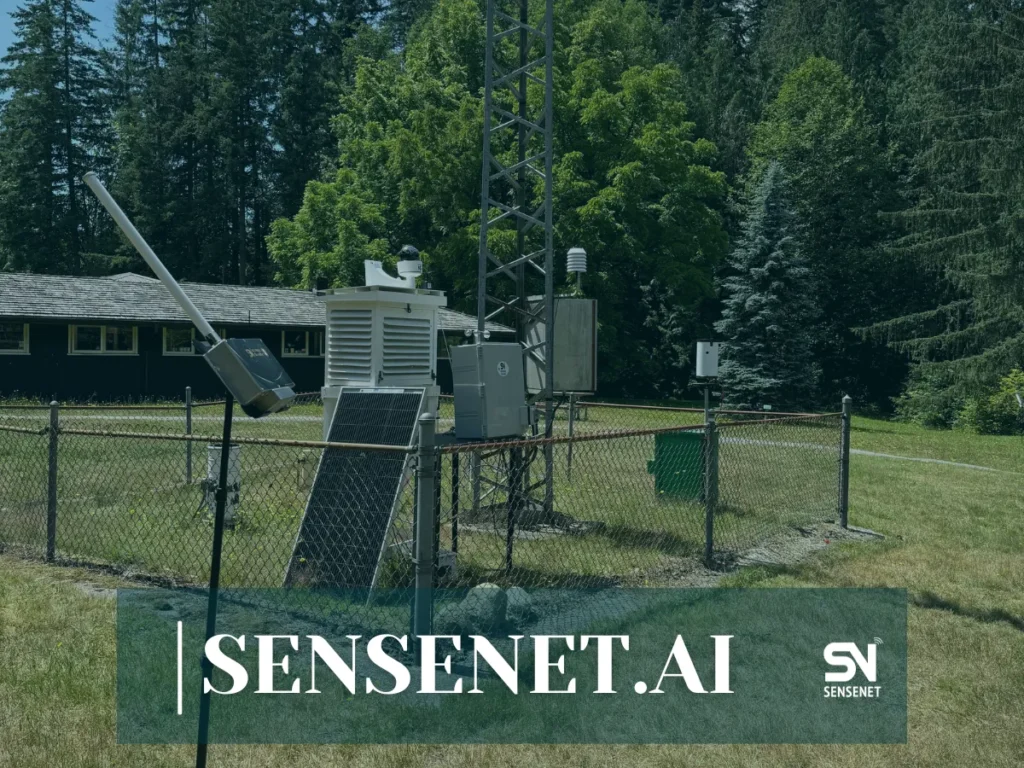
The Core Issue: False Alarms in Traditional Fire Detection
Old detection gear, smoke detectors, heat sensors, falls flat in tough spots like factories, refineries, workshops, and warehouses. Here’s the breakdown:
- No real way to tell harmless sources from danger: Machine exhaust, process steam, factory dust, fog, or clouds all look the same as early fire signs.
- Over-sensitivity on purpose: They crank up detection to catch things fast, which means constant buzzing for nothing.
- No visual eyes on the scene 24/7: These tools only sense changes; they don’t see context. After weeks of junk alerts, crews tune out completely, classic alarm fatigue.
In places with booming heavy industry like petrochemicals, steel, or cement, this issue racks up billions in direct and hidden costs every year. Ignore one real alert because of the noise, and production grinds to a halt.
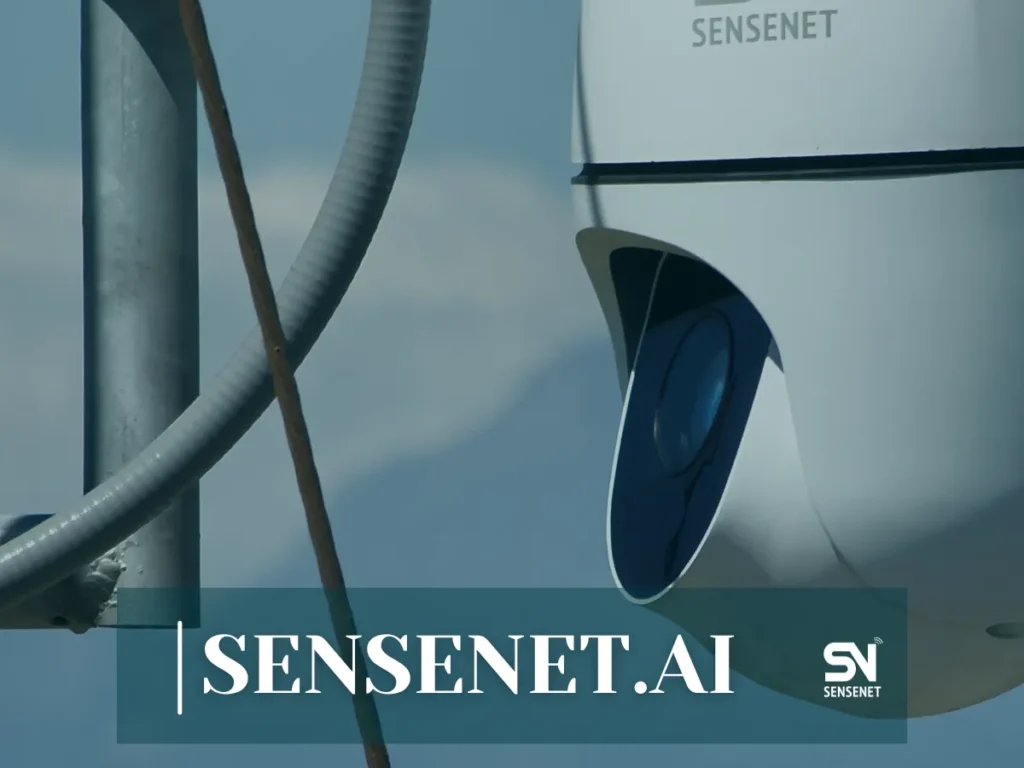
The Breakthrough: AI-Powered Early Fire Detection
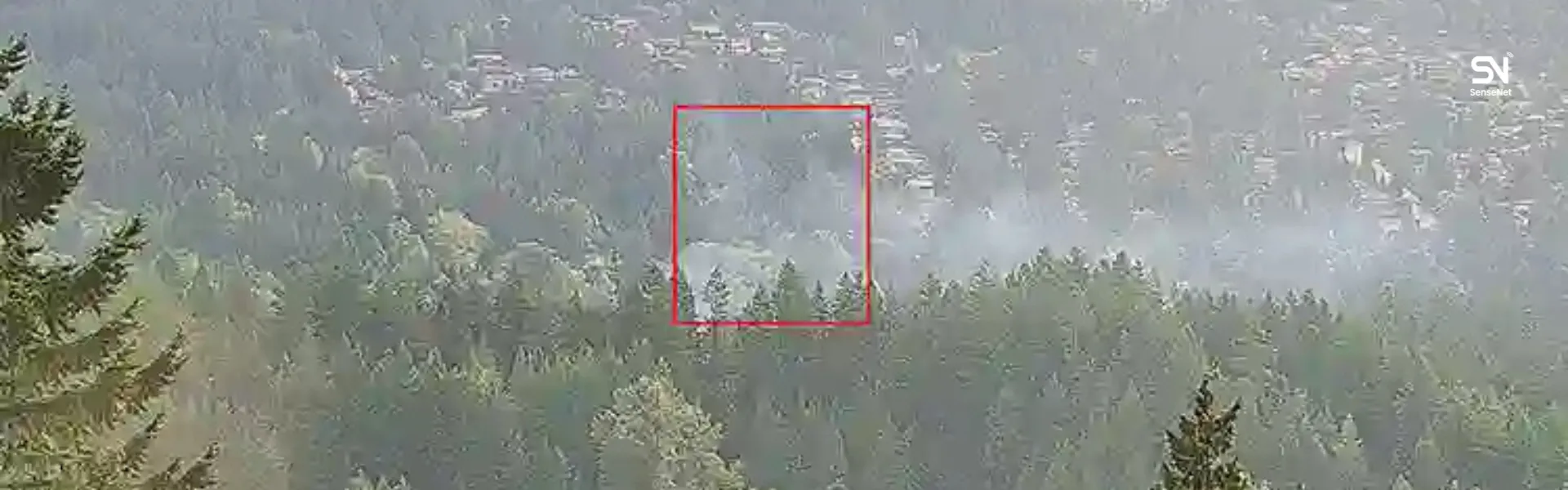
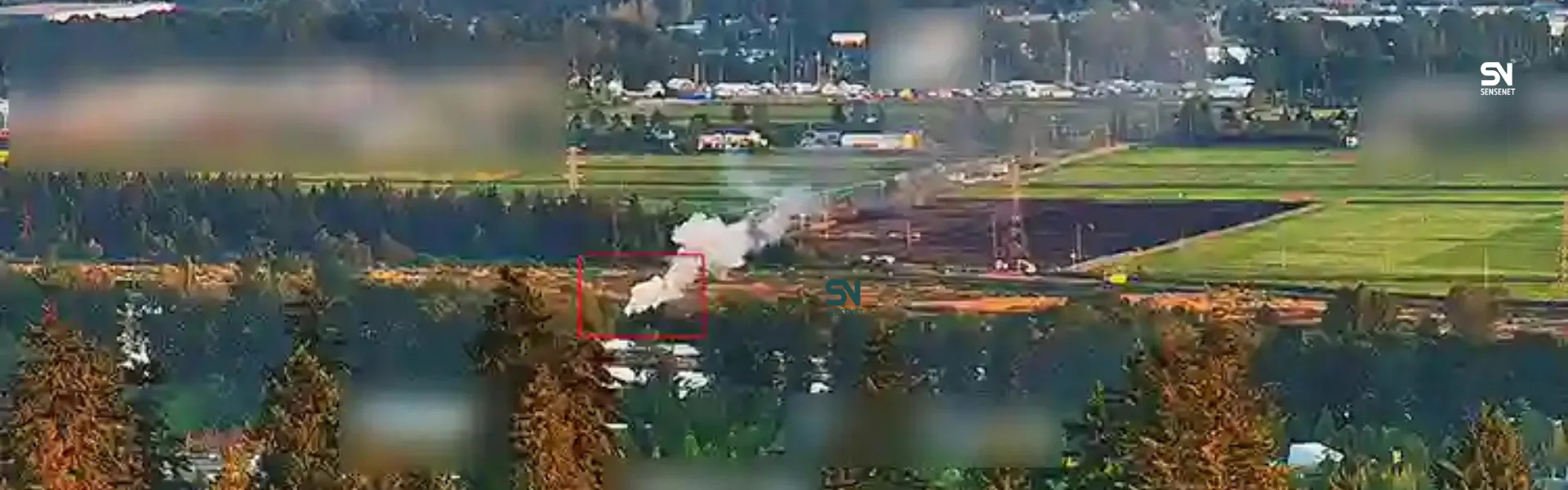
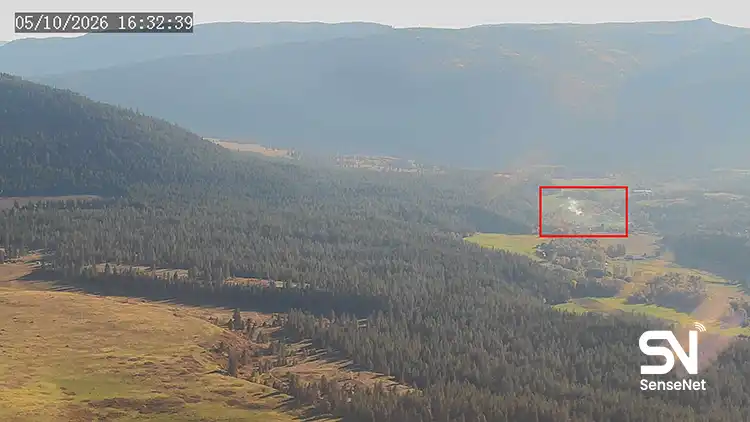
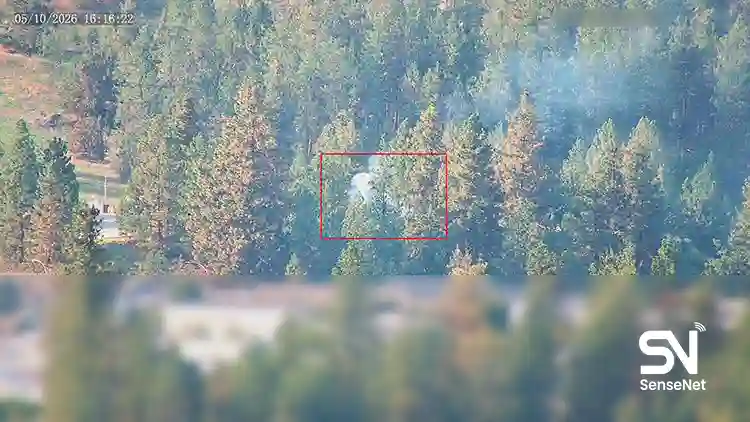
That’s where smart cameras step in. Video systems running on AI, built by teams like SenseNet, don’t just spot fire, they tell it apart from everything else with near-perfect accuracy, hitting 99% reliability.
How the Tech Actually Works?
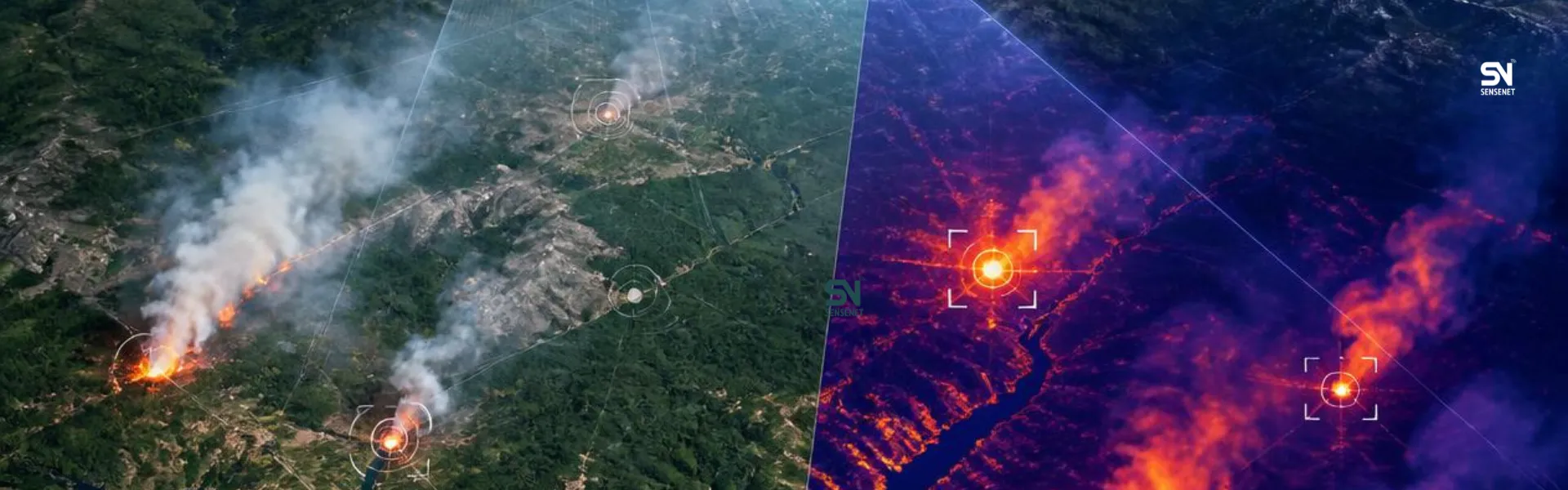
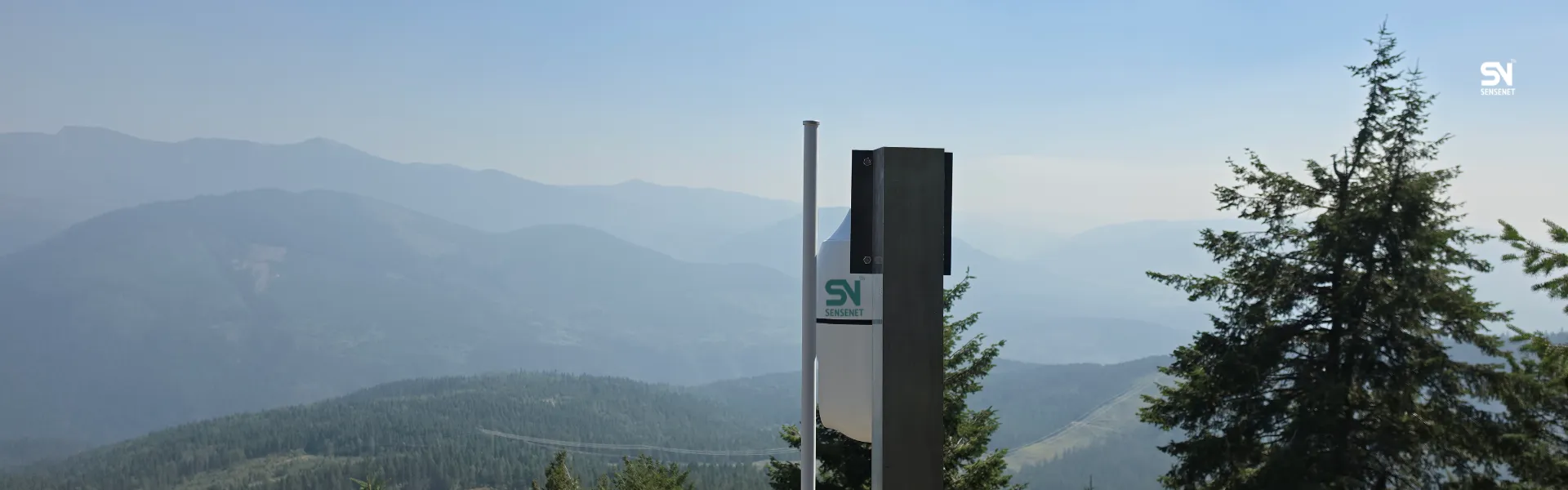
- Always-on smart cameras: High-end units (often blending thermal and regular views) scan the whole area nonstop. Unlike point sensors, one camera covers massive ground, even remote or tricky spots.
- Advanced AI algorithms: Trained on millions of real-world shots, the system learns smoke and flame patterns inside out.
- Real fire smoke: Specific color, rise speed, density (gray-white plumes climbing fast).
- It filters out: Clouds, steam, dust, vehicle exhaust, mist. Deep learning keeps improving daily.
- SenseNet’s standout feature, pre-set known smoke sources: This is what flips the script. You feed the system details about your site:
- Smokestack locations
- Operating hours for smoky processes (welding, melting, etc.)
- Emission types (white smoke, black, vapor)
When the camera picks up smoke from those exact spots, it automatically skips the alert. No notification. This drops false positives from 70% down to under 1%.
What SenseNet’s Smart Early Fire Detection Brings to the Table?
- Pinpoint accuracy: Spots real threats in under 30 seconds, stopping spread early.
- 99% fewer false alarms: Thanks to custom source filtering, teams stay sharp and respond fast.
- Broad coverage: One camera replaces hundreds of old sensors, lower install and upkeep costs.
- Easy fit: Hooks into your current alarm setup, phones, central panels, no full overhaul needed.
- Pays back quick: Investment returns in under a year through slashed damage and lower insurance.
- Full logging: Detailed event records for insurance claims and audits, total transparency.
Compared side-by-side:
- Traditional: Environment-sensitive, expensive to maintain, spotty coverage.
- Smart AI: Handles industrial conditions, learns over time, cloud-monitored.
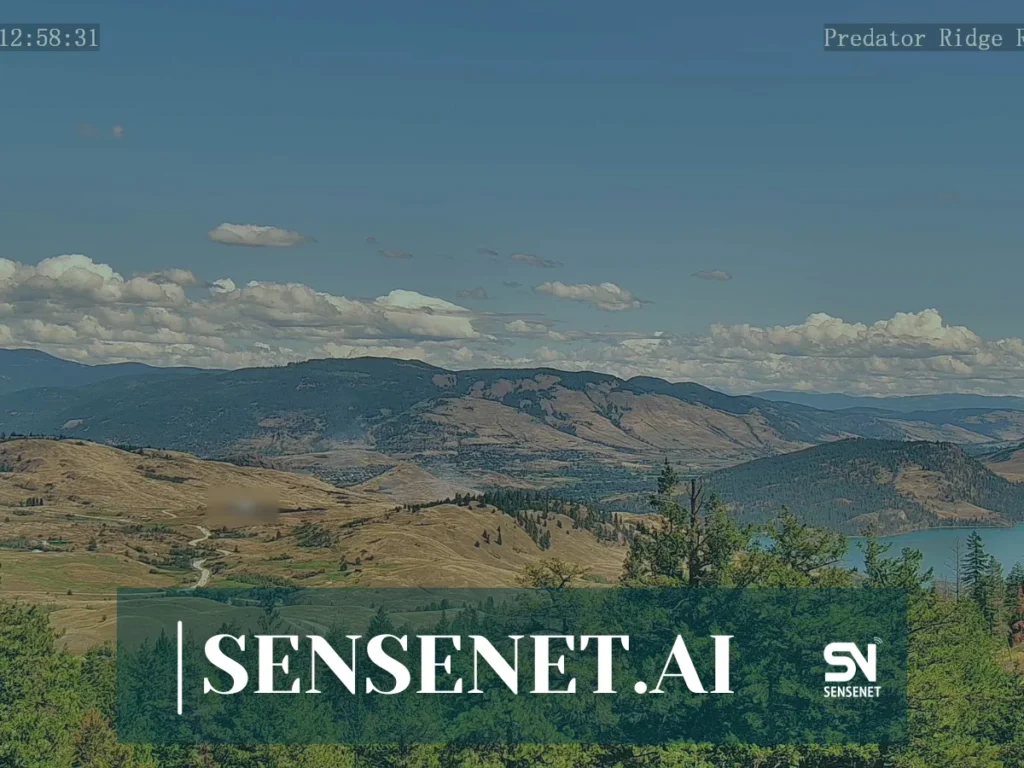
Real-World Uses Across Industries
Beyond forests and rangelands (prime spots for this tech), where else does it shine?
- Manufacturing plants: Catching issues on assembly lines or raw material storage.
- Refineries and petrochemical sites: High-risk zones loaded with flammable gases.
- Large warehouses: Watching hazardous goods without scattering sensors everywhere.
- Industrial workshops: Places where steam and smoke are everyday background.
Hundreds of sites worldwide have used modern setups like this to knock out early fires—no disasters, period.
Why Act Right Now?
False alarms aren’t a minor annoyance; they’re a direct safety risk. With intelligent early fire detection, you protect lives, assets, output, and reputation all at once.
SenseNet’s crew, working with scientists and researchers, built this exactly for tough real-world challenges. High precision, weather-proof performance, local support—all in one package.
Ready to see the accuracy yourself? We’ll set up a free, tailored demo for your location. Just reach out or contact us.