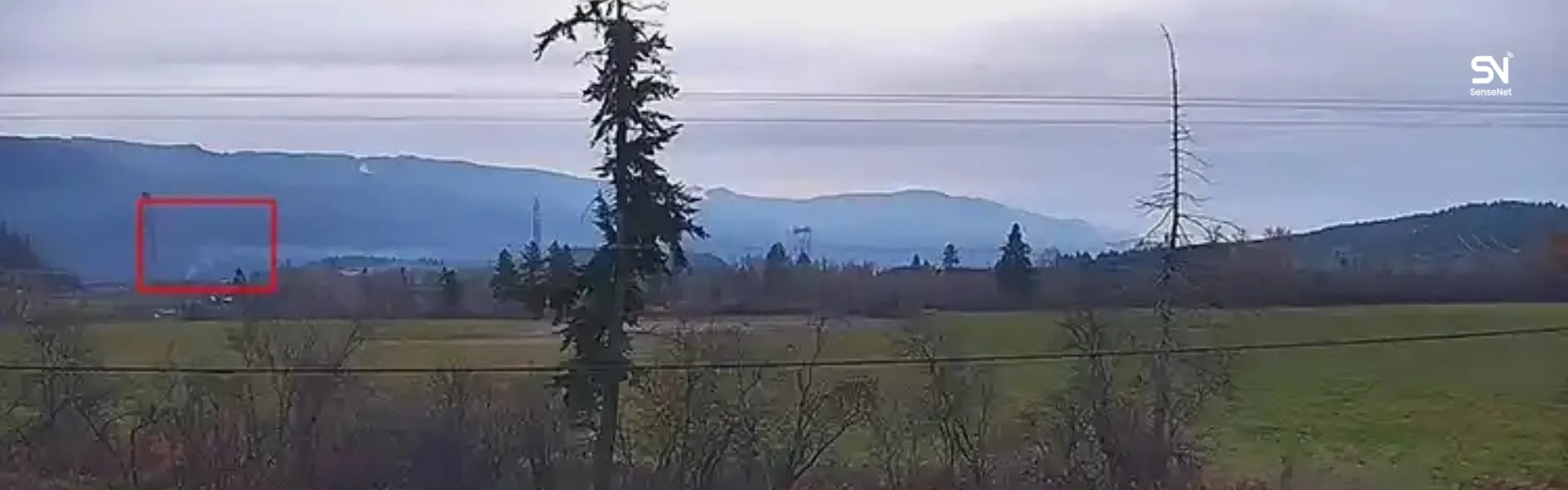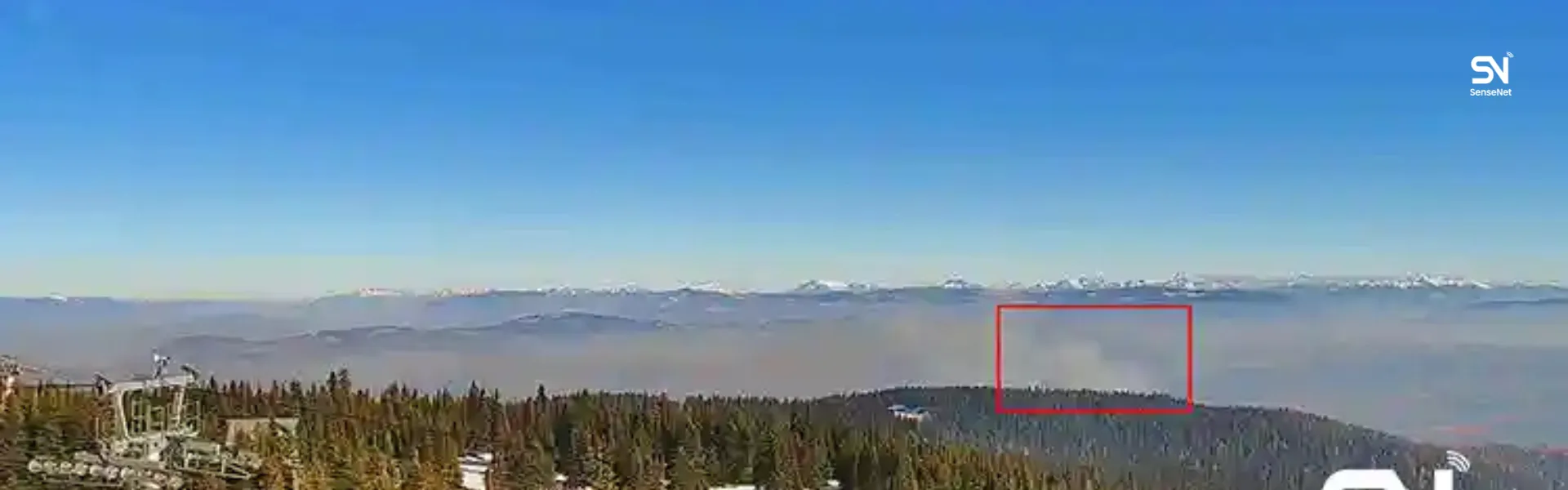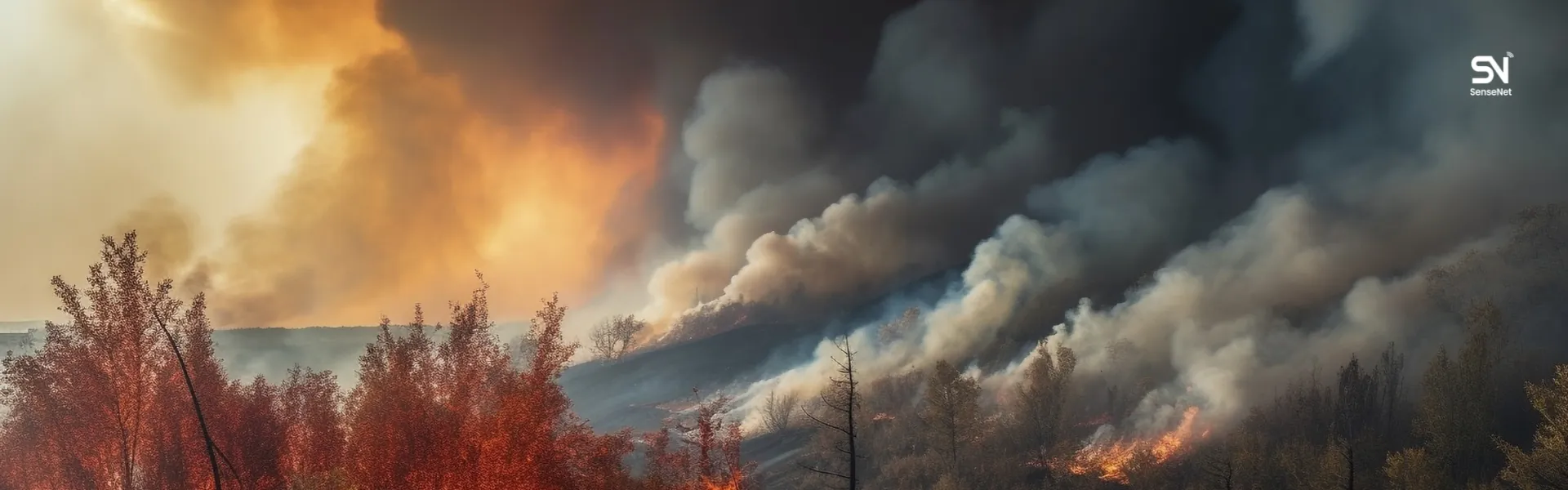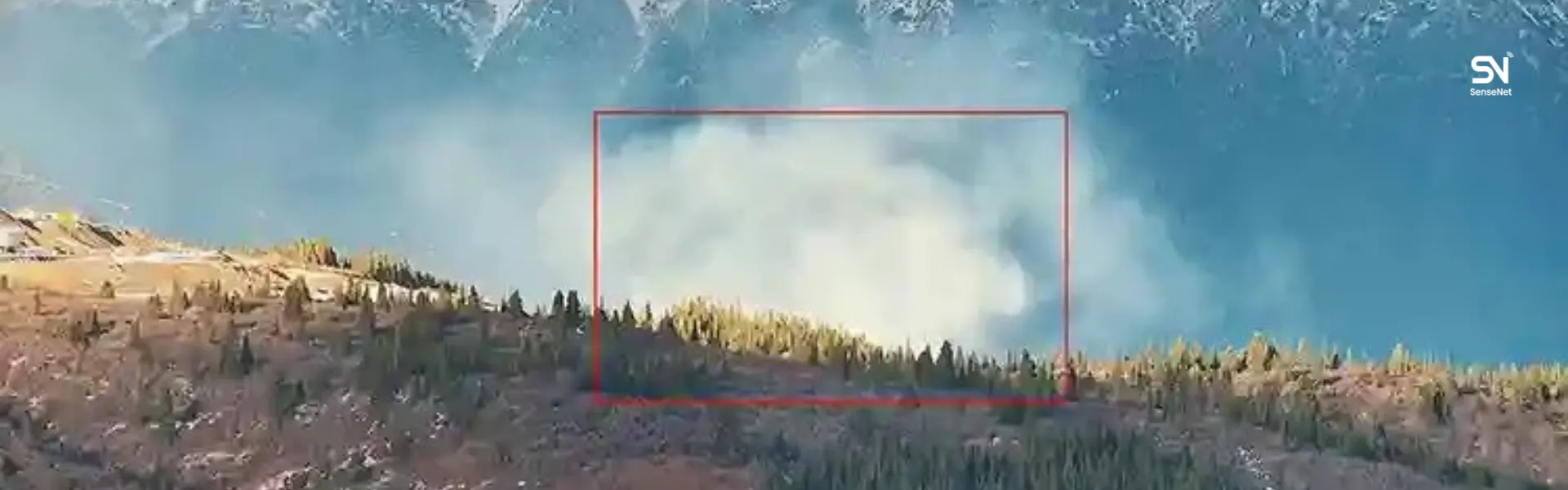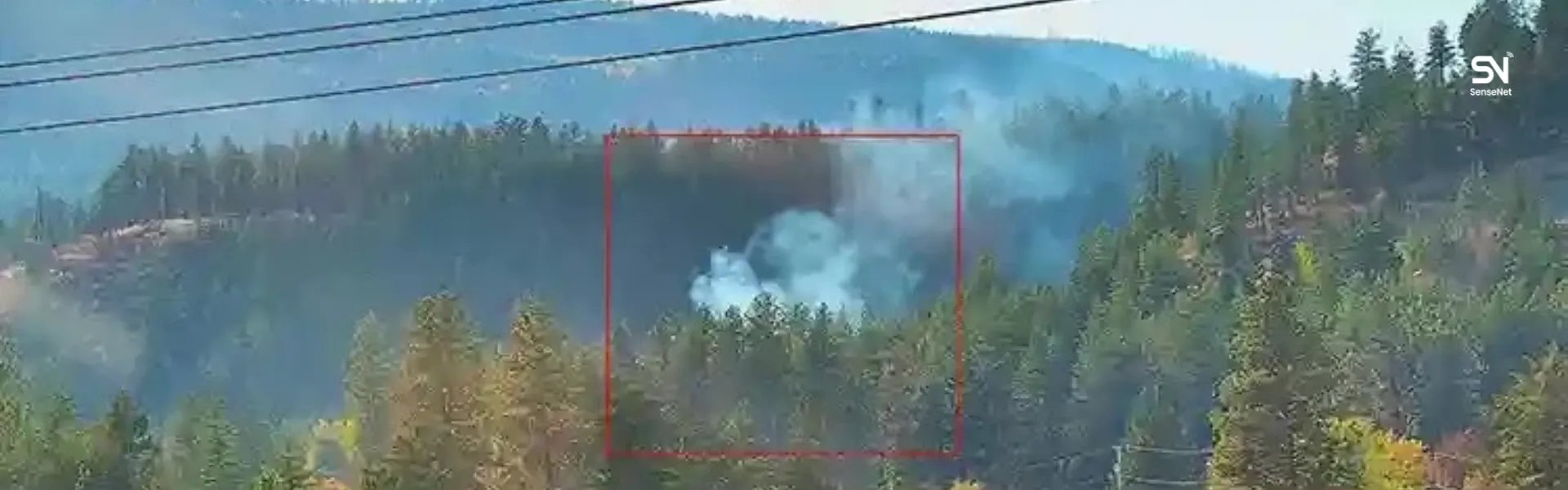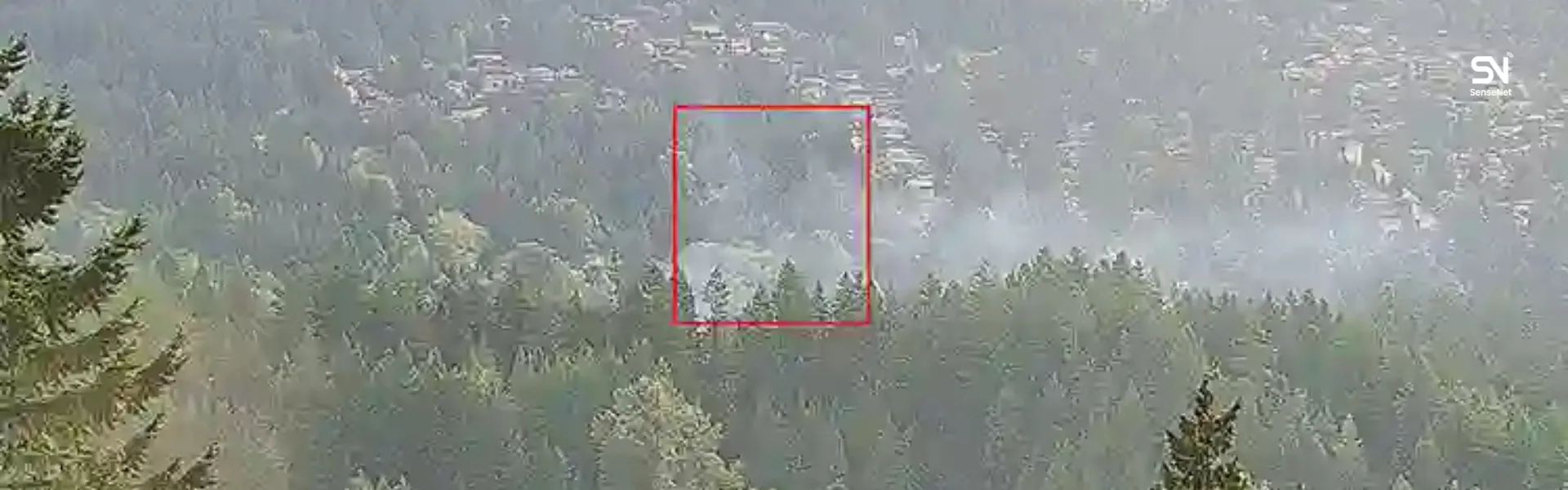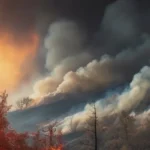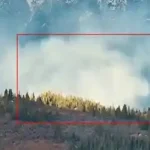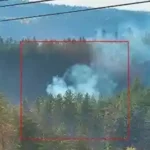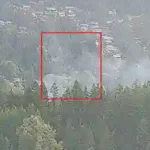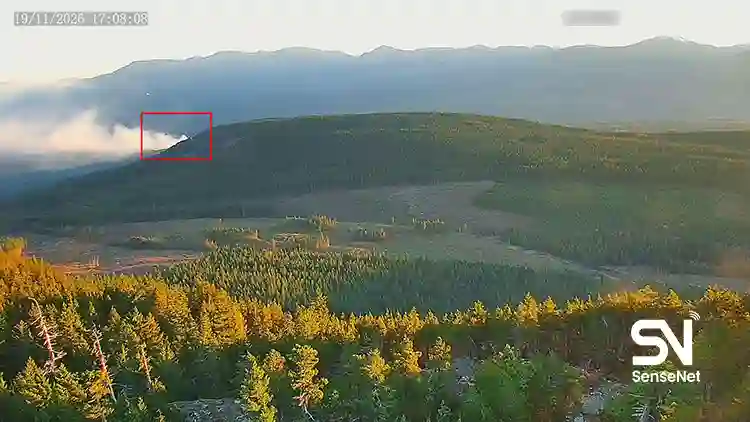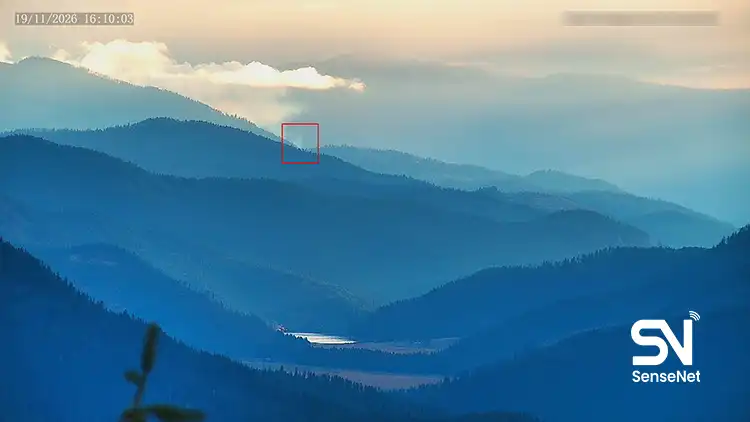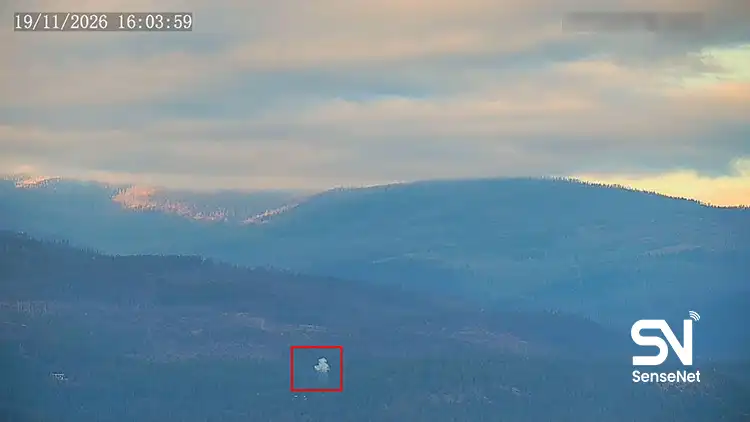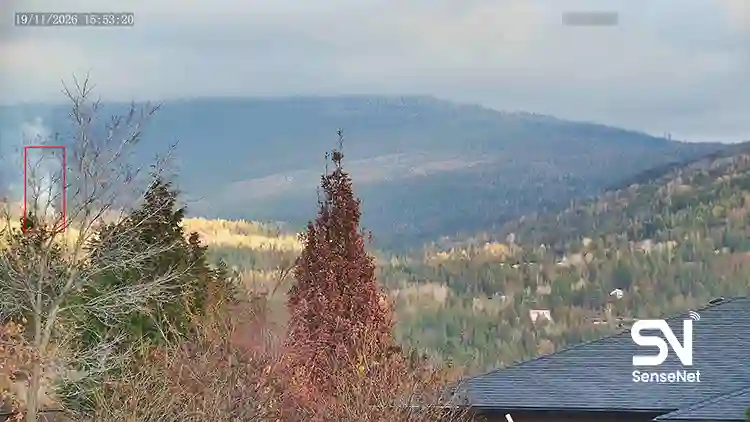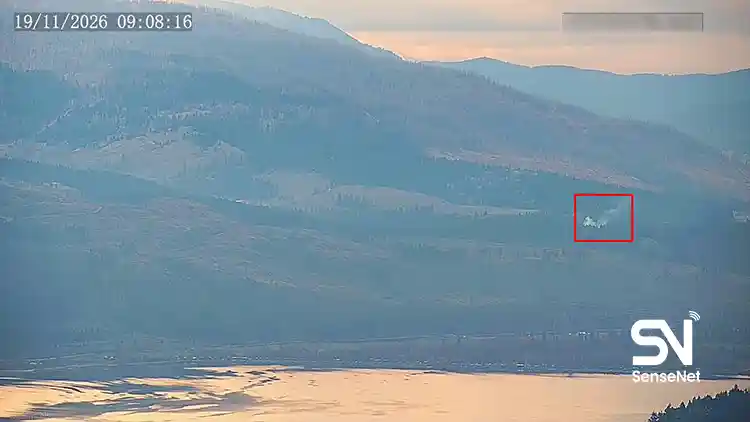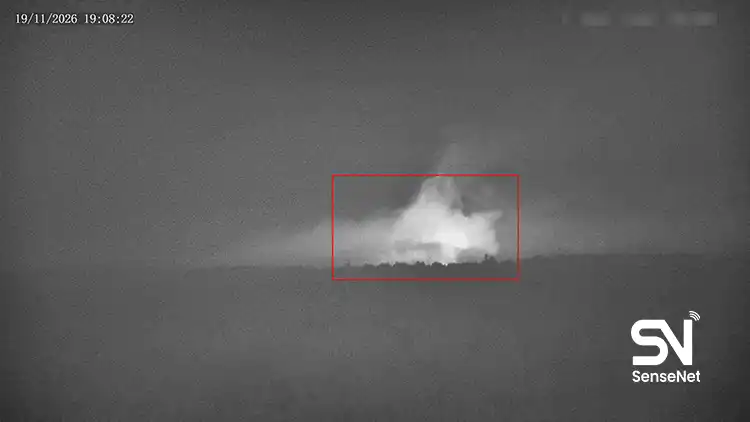
When we talk about wildfires, the focus usually lands on human causes, weather patterns, or forest management. But a silent, biological factor, “flammable invasive plants” has emerged in recent years as a major player in intensifying and spreading fires. How do these quiet invaders turn native ecosystems into fuel depots?
In this article on sensenet, we want to explore this issue and see how we can confront this crisis-causing factor.
What is an Invasive Plant?
Invasive plant species are those that have entered a new ecosystem outside their natural range. Due to a lack of natural predators, high competitiveness, and rapid reproduction, they quickly spread and overwhelm native species, rapidly altering the local ecosystem, with serious consequences.
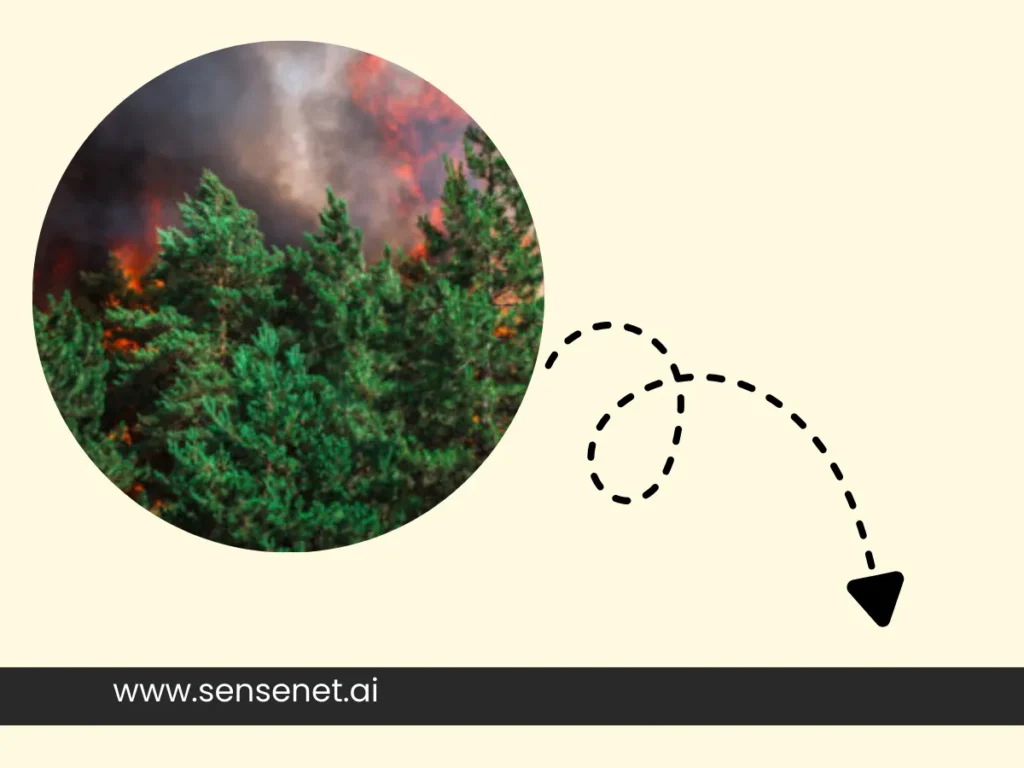
Characteristics of Fire-Prone Invasive Species
- Rapid growth and high density: Produce a large amount of biomass in a short time.
- Short drying time: Hold less moisture in their tissues.
- Specific chemical compounds: Contain oils, resins, or volatile compounds that make ignition easier.
- Suitable physical structure: Growth patterns that increase airflow.
- Persistent plant debris: Dead material that remains on the ground for long periods, serving as excellent fuel for combustion.
Mechanisms for Intensifying Fire by Invasive Plants
But why do we say these invasive plants can quickly lead to an increased risk of fire? Here are some specific reasons:
1. Changing the Fuel Regime
- Increased fuel volume: Produce 2 to 10 times more biomass than native species.
- Altered vertical fuel structure: Create a fuel bridge between the ground and tree canopies.
- Increased fuel continuity: Form dense, continuous stands.
2. Changing the Physical Properties of Fuel
- Reduced drying time: Thin, needle-like leaves.
- Increased surface area: High surface-to-volume ratio.
- Retention of dry debris: Retention of dead branches on the plant.
3. Changing Micro-Environmental Moisture
- Reduced understory humidity: Due to high density and poor shading.
- Increased local temperature: Changes in sunlight exposure patterns.
4. Changing Fuel Chemistry
- Presence of volatile compounds: Flammable oils in leaves and stems.
- Unfavorable carbon-to-nitrogen ratio: Affects decomposition speed.
Dangerous Global Examples and Their Impacts
Here are several globally recognized invasive species. These plants can grow almost anywhere and have already infested many parts of the world:
1. Fountaingrass (Pennisetum setaceum)
- Origin: Africa
- Infected areas: Hawaii, California, Mediterranean
- Fire-prone characteristics:
- Rapid growth up to 1.5 meters
- Produces dense clumps
- Dries out completely in summer
- Produces large amounts of biomass
2. Eucalyptus (Various species)
- Origin: Australia
- Infected areas: California, Chile, Portugal, Iran (extensive cultivation)
- Fire-prone characteristics:
- Leaves full of volatile oils
- Stringy bark that peels off easily
- Highly flammable plant debris
- Creates single-species forests with open understories
3. Gorse (Ulex europaeus)
- Origin: Western Europe
- Infected areas: New Zealand, Chile, parts of the USA
- Fire-prone characteristics:
- Extremely dense shrub structure
- High oil content in foliage
- Production of durable seeds
4. Sudan Grass (Various Sorghum species)
- Dangerous characteristic: Catches fire rapidly after drying.
Unfortunately, it is often planted indiscriminately on forest edges in many parts of the world.
The Vicious Cycle of Fire and Invaders (Reinforcement Cycle)
The more frequent the fires, the more these invaders spread, trapping the forest in a destructive feedback loop.
Characteristics of this cycle:
- Self-reinforcing: Each fire makes conditions worse for the next one.
- Irreversible: After passing a certain threshold, restoring the ecosystem becomes very difficult.
- Accelerating: With each cycle, the rate of change increases.
Ecological Consequences
The ecological consequences of these invasive species are often severe and irreversible. Let’s look at some critical impacts:
1. Loss of Biodiversity
- Replacement of complex plant communities with single species.
- Destruction of specialized habitats.
- Reduction of food sources for wildlife.
2. Changes in Ecosystem Function
- Disruption of water and nutrient cycles.
- Increased soil erosion.
- Alteration of natural fire regimes.
3. Impact on Native Species
- Competition for resources (light, water, nutrients).
- Allelopathy (release of inhibitory chemicals).
- Altered micro-conditions.
Management and Control Strategies
The big question is: what strategies can we use to combat these invasive species?
1. Prevention (Top Priority)
- Risk assessment before introduction: Studying fire-prone characteristics.
- Strict import regulations: Banning high-risk species.
- Public education: Identifying and reporting dangerous invasive species.
2. Physical and Mechanical Control
- Cutting and removal: Can be effective for small patches.
- Excavation: Removing roots of these invaders.
- Tilling: Preventing seed germination.
3. Chemical Control
- Using environmentally-safe herbicides.
- Proper timing: Application should occur before seed production.
- Avoiding widespread use: Preventing harm to native species.
4. Biological Control
- Introducing natural enemies: Insects, fungi, diseases.
- Using grazing animals: Sheep, goats to control growth.
- Strengthening natural competitors: Planting competitive native species.
5. Integrated Management
- Combining different methods.
- Post-fire management: Rapid planting of native species.
- Continuous monitoring: Early detection of new invasions.
Restoring Damaged Ecosystems
Restoration Principles:
- Priority goes to fire-resistant native species.
- Creating diverse species mixes.
- Designing spatial structures that break fuel continuity.
- Using new technologies like biological mulches.
Conclusion: Proactive, Not Reactive Management
Flammable invasive species are no longer a hypothetical threat; they are an existing and expanding reality. Given the sensitivity of forest ecosystems and increasing human and climatic pressures, this threat can quickly escalate into a crisis. Images and data captured by early fire detection systems can be extremely useful in controlling such situations.
The fight is on two fronts: against the fire itself, and against the invaders that fuel it. Success requires an ecosystem-based vision, long-term planning, and collective will.