

Canada 2025 Fire Season Part 6: Long-Term Trends and Historical Context
Canada’s 2025 wildfire season marked a dramatic turning point, with flames consuming 8.82 million hectares, making it the second-worst fire season in history. While the number of fires remained near average, each fire burned significantly larger, revealing a troubling shift in fire behavior. Saskatchewan and Manitoba faced unprecedented destruction, accounting for over half of the total burned area. This crisis not only overwhelmed firefighting resources but also highlighted the urgent need for innovative detection and prevention strategies. Discover how climate change is reshaping Canada’s fire landscape and what it means for the future of wildfire management.
Canada 2025 Fire Season Part 5: Response Operations and Resource Mobilization

Canada’s 2025 wildfire season marked a dramatic turning point, with flames consuming 8.82 million hectares, making it the second-worst fire season in history. While the number of fires remained near average, each fire burned significantly larger, revealing a troubling shift in fire behavior. Saskatchewan and Manitoba faced unprecedented destruction, accounting for over half of the total burned area. This crisis not only overwhelmed firefighting resources but also highlighted the urgent need for innovative detection and prevention strategies. Discover how climate change is reshaping Canada’s fire landscape and what it means for the future of wildfire management.
Canada 2025 Fire Season Part 4: Seasonal Dynamics and 10-Year Comparison
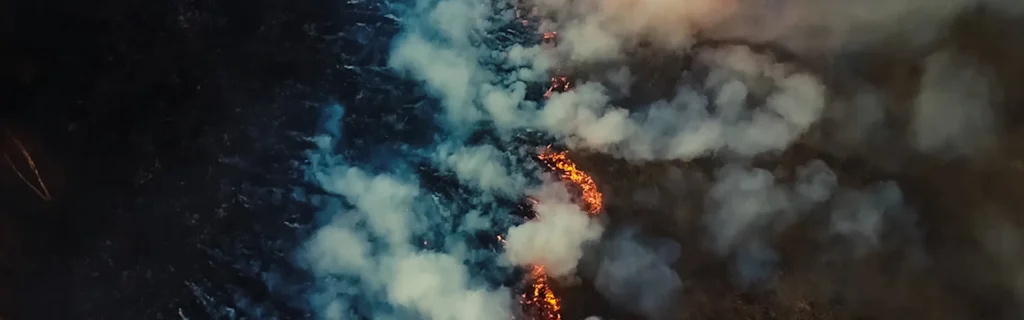
Canada’s 2025 wildfire season marked a dramatic turning point, with flames consuming 8.82 million hectares, making it the second-worst fire season in history. While the number of fires remained near average, each fire burned significantly larger, revealing a troubling shift in fire behavior. Saskatchewan and Manitoba faced unprecedented destruction, accounting for over half of the total burned area. This crisis not only overwhelmed firefighting resources but also highlighted the urgent need for innovative detection and prevention strategies. Discover how climate change is reshaping Canada’s fire landscape and what it means for the future of wildfire management.
Canada 2025 Fire Season Part 3: Western Focus, Alberta, British Columbia, and the Northwest Territories
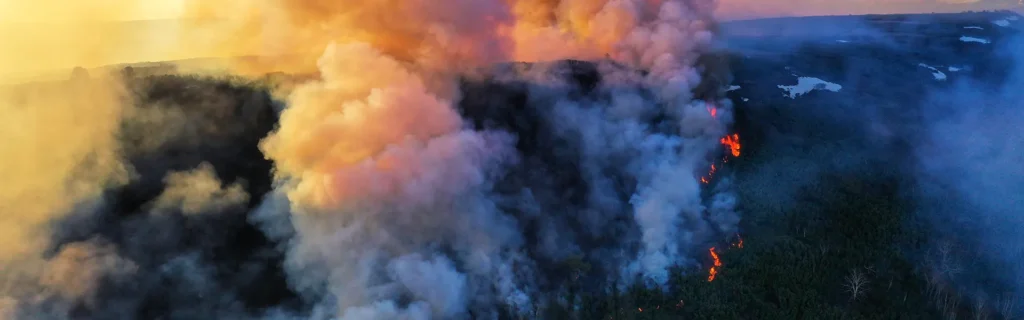
Canada’s 2025 wildfire season marked a dramatic turning point, with flames consuming 8.82 million hectares, making it the second-worst fire season in history. While the number of fires remained near average, each fire burned significantly larger, revealing a troubling shift in fire behavior. Saskatchewan and Manitoba faced unprecedented destruction, accounting for over half of the total burned area. This crisis not only overwhelmed firefighting resources but also highlighted the urgent need for innovative detection and prevention strategies. Discover how climate change is reshaping Canada’s fire landscape and what it means for the future of wildfire management.
Canada 2025 Fire Season Part 2: The Prairie Epicenter, Saskatchewan and Manitoba
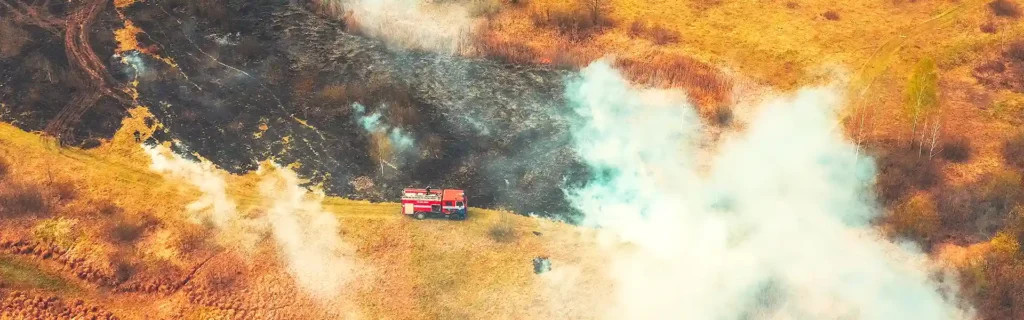
Canada’s 2025 wildfire season marked a dramatic turning point, with flames consuming 8.82 million hectares, making it the second-worst fire season in history. While the number of fires remained near average, each fire burned significantly larger, revealing a troubling shift in fire behavior. Saskatchewan and Manitoba faced unprecedented destruction, accounting for over half of the total burned area. This crisis not only overwhelmed firefighting resources but also highlighted the urgent need for innovative detection and prevention strategies. Discover how climate change is reshaping Canada’s fire landscape and what it means for the future of wildfire management.
Canada 2025 Fire Season Part 1: Second largest in the past 40 years
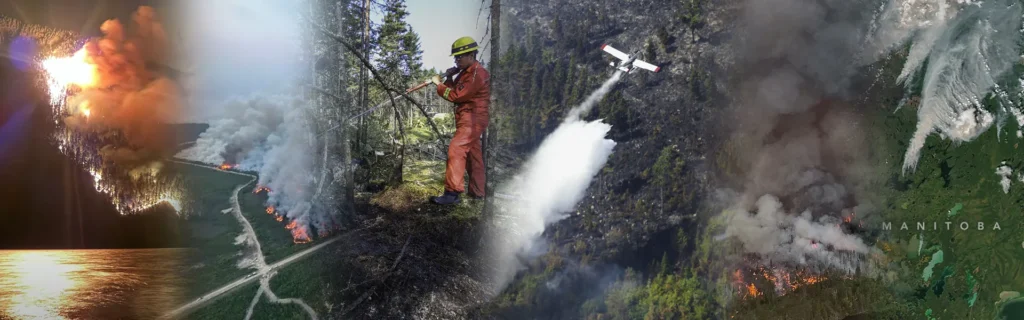
Canada’s 2025 wildfire season marked a dramatic turning point, with flames consuming 8.82 million hectares, making it the second-worst fire season in history. While the number of fires remained near average, each fire burned significantly larger, revealing a troubling shift in fire behavior. Saskatchewan and Manitoba faced unprecedented destruction, accounting for over half of the total burned area. This crisis not only overwhelmed firefighting resources but also highlighted the urgent need for innovative detection and prevention strategies. Discover how climate change is reshaping Canada’s fire landscape and what it means for the future of wildfire management.